Eye Bags: What Patients Need to Know

Eye bags are commonly caused by aging, fluid retention, allergies, sleep disruption, and genetics. They are usually a cosmetic concern, but sudden, painful, red, or one-sided swelling should be assessed by a doctor.
Key Takeaways
- Eye bags are commonly caused by aging, fluid retention, allergies, sleep disruption, and genetics.
- They are usually a cosmetic concern, but sudden, painful, red, or one-sided swelling should be assessed by a doctor.
- Daily habits such as sleep, salt reduction, allergy control, sun protection, and cold compresses may help reduce puffiness.
- Doctors diagnose eye bags mainly through medical history and physical examination.
- Treatment depends on the cause and may include lifestyle changes, allergy management, skin care, or selected procedures.
Eye bags are a common concern that usually appear as mild puffiness or looseness under the eyes. They are often related to aging, fluid shifts, lifestyle factors, or allergies, and while they are usually harmless, persistent or one-sided swelling may need medical evaluation.
Overview: what eye bags are and why they happen
Eye bags are the soft swelling, puffiness, or loose appearance that can develop under the eyes. In many people, they become more noticeable with age because the tissues around the eyes gradually weaken, the skin becomes less elastic, and the natural fat that supports the eye area can shift forward. This creates a fuller or heavier look beneath the lower eyelids.
Not all eye bags mean the same thing. Some are mainly caused by normal age-related changes, while others are linked to temporary fluid retention, allergies, sinus congestion, fatigue, or irritation. They can look worse in the morning, after a salty meal, during allergy season, or after poor sleep. For many people, the appearance changes from day to day.
Eye bags are usually harmless and are often more of a cosmetic concern than a medical problem. However, puffiness under the eyes can occasionally overlap with other conditions, such as eyelid inflammation, thyroid-related eye changes, or swelling caused by skin or sinus problems. Understanding the pattern, timing, and associated symptoms helps clarify the cause.
Common signs and how eye bags may look
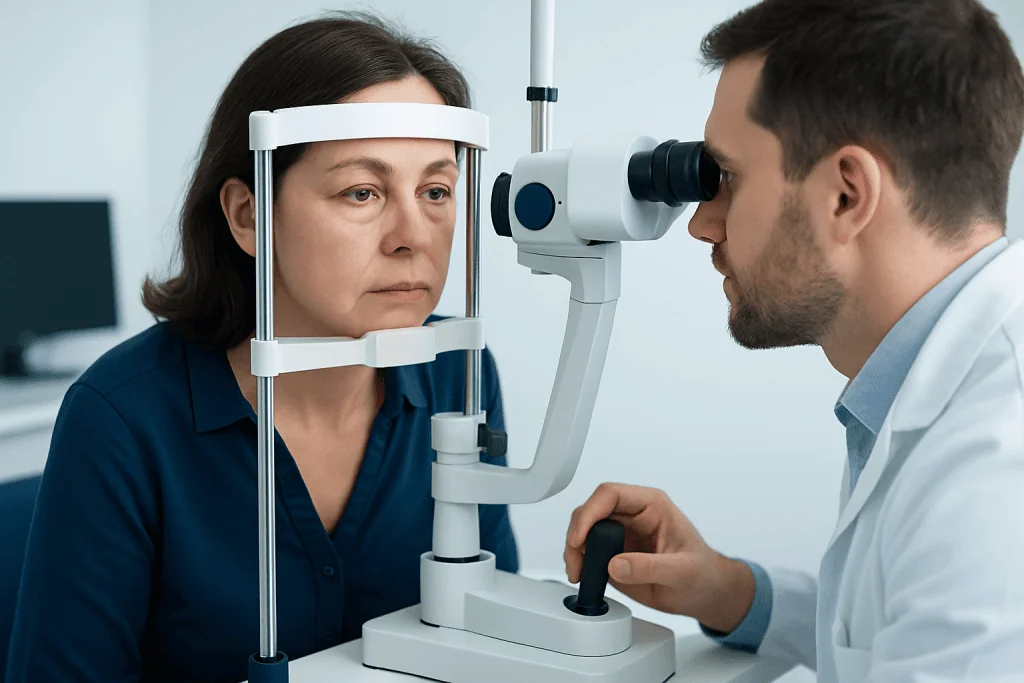
Eye bags can appear as mild swelling, a rounded bulge, or looseness beneath the lower eyelids. Some people notice a shadowed or tired-looking appearance rather than clear swelling. Fine lines, darker under-eye circles, and crepey skin may also be present, especially when aging and sun exposure contribute to the change.
The puffiness may be equal on both sides or may seem more prominent on one side because of facial anatomy, sleeping position, or local irritation. Temporary eye bags often fluctuate, becoming more obvious after waking up and improving later in the day as fluid redistributes. Longer-lasting eye bags tend to stay visible most of the time.
Other symptoms can offer clues about the cause. Itching, tearing, sneezing, or nasal congestion may point to allergies. Redness, crusting, or irritation around the eyelids can occur with eyelid inflammation. Pain, marked tenderness, or significant one-sided swelling are less typical for simple eye bags and deserve medical attention.
- Mild puffiness or fullness under the eyes
- Loose or sagging lower eyelid skin
- Morning swelling that improves later
- Shadowing that makes the eyes look tired
- Itching or watering when allergies are involved
Causes and risk factors

Aging is one of the most common reasons for eye bags. Over time, collagen and elastin in the skin decrease, the muscles supporting the eyelids may weaken, and the fat around the eyes can shift downward. Together, these changes can make the lower eyelid area look puffy, hollow, or heavier. Family history also matters, since under-eye shape and tissue fullness can run in families.
Fluid retention is another frequent cause. The under-eye area has very thin skin and can show even small shifts in fluid balance. Puffiness may become more noticeable after salty foods, dehydration, hormonal changes, crying, or sleeping flat. Poor sleep can worsen the appearance, although eye bags are not always caused by lack of sleep alone.
Allergies and irritation can make eye bags stand out by causing inflammation, rubbing, and fluid buildup. Conditions such as allergies or chronic nasal congestion may lead to ongoing puffiness. Skin irritation, eyelid inflammation, and certain sinus issues may have a similar effect. Some people also notice more swelling with smoking, frequent alcohol use, or long-term sun exposure because these factors affect skin quality and circulation.
Less often, under-eye swelling may be linked to a medical condition that requires assessment. Thyroid eye disease, infection, trauma, and kidney-related or general body fluid problems can sometimes change the appearance around the eyes. This is more likely if the swelling is sudden, severe, one-sided, painful, or associated with vision changes.
How doctors evaluate eye bags
Doctors usually diagnose eye bags by taking a careful history and examining the eyelids, under-eye tissues, and surrounding facial area. They ask when the swelling started, whether it changes during the day, and whether symptoms such as itching, redness, pain, nasal congestion, or vision problems are present. Questions about sleep, allergies, medications, smoking, and family history can also be helpful.
The physical examination focuses on the lower eyelid contour, skin quality, fat prominence, tenderness, and signs of inflammation. A doctor may also look for clues suggesting another condition, such as eyelid infection, significant allergy-related swelling, or features of thyroid eye disease. If symptoms fit a common and harmless pattern, no extensive testing may be needed.
Additional tests are considered only when the pattern is unusual or another condition is suspected. For example, persistent redness, pain, double vision, or marked asymmetry may prompt referral to an eye specialist, dermatologist, allergist, or another relevant doctor. Imaging or blood tests are not routine for simple age-related eye bags but can be useful when the diagnosis is unclear.
Treatment options for eye bags
Treatment depends on what is causing the eye bags and how much they bother the person. If puffiness is mild and related to fluid retention, sleep disruption, or allergies, simple measures may be enough. This may include improving sleep habits, reducing eye rubbing, using cool compresses, and managing nasal or eye allergy symptoms. For some people, careful skin care and sun protection help the under-eye area look smoother over time.
When allergies are a major factor, treatment may focus on avoiding triggers and addressing inflammation. This can include evaluation and treatment for allergy testing and treatment when symptoms are frequent or recurrent. If under-eye swelling is linked to eyelid or skin irritation, doctors may recommend targeted care for the skin barrier and avoidance of harsh products.
For more persistent age-related eye bags, non-surgical or surgical cosmetic treatments may be discussed. Depending on the anatomy, some people benefit from selected medical aesthetics approaches to improve skin texture or support the under-eye area. Others may be candidates for blepharoplasty when excess skin or protruding fat causes a more pronounced lower eyelid bulge. A specialist can explain what is likely to help, what will not, and whether treatment is primarily cosmetic or medically indicated.
If a doctor suspects another eye-area disorder rather than simple eye bags, treatment is directed at the underlying problem. This is why a proper assessment matters before trying multiple products or procedures. Near the end of the care pathway, patients may wish to know that Acibadem International’s multidisciplinary specialists and JCI-accredited hospitals diagnose and treat eye-area concerns for international patients when expert evaluation is needed.
Self-care and prevention tips
Although eye bags cannot always be prevented, especially when aging and genetics are the main factors, daily habits can often reduce how prominent they look. Many people benefit from sleeping regularly, keeping the head slightly elevated at night, and limiting excess salt if morning puffiness is common. A cool compress for a short time may help decrease temporary swelling.
Protecting the skin around the eyes is also important. Gentle cleansing, regular moisturizer, and broad sun protection can support skin quality over time. Avoiding smoking and limiting repeated rubbing of the eyes may also help preserve the delicate lower eyelid area.
When allergies contribute, controlling exposure to triggers and following a doctor’s advice for symptom relief can make a noticeable difference. Good hydration and balanced nutrition support general skin health as well. People who use contact lenses or eye makeup should make sure products are well tolerated and should stop any product that causes irritation.
- Sleep on a consistent schedule
- Use a cool compress for short-term puffiness
- Reduce excess salt if swelling is worse in the morning
- Manage allergies and avoid rubbing the eyes
- Use sun protection and gentle skin care around the eyes
When to seek medical care
Eye bags are usually not a sign of a serious health problem, but some situations should be checked by a doctor. Medical advice is especially important if swelling appears suddenly, affects only one side, is painful, or is accompanied by redness, fever, or tenderness. These features are less typical of simple age-related puffiness.
It is also wise to seek care if there are changes in vision, double vision, bulging of the eyes, severe itching that does not improve, or swelling that keeps worsening. Persistent under-eye swelling with nasal, skin, or eye symptoms may need evaluation for allergies, inflammation, or another underlying condition. If cosmetic concerns are affecting confidence or daily life, a specialist can discuss safe treatment options and set realistic expectations.
Frequently asked questions
Are eye bags always caused by lack of sleep?
No. Poor sleep can make eye bags more noticeable, but aging, genetics, fluid retention, allergies, and skin changes are also common causes. Many people with good sleep habits still develop under-eye puffiness over time.
Can eye bags go away on their own?
Temporary puffiness often improves when the cause settles, such as after better sleep, reduced salt intake, or allergy control. Age-related eye bags usually do not disappear completely on their own, though their appearance may be reduced with self-care or treatment.
What is the difference between eye bags and dark circles?
Eye bags refer to swelling, looseness, or bulging under the eyes. Dark circles refer more to discoloration or shadowing. Some people have both, and puffiness can create shadows that make dark circles look worse.
Are eye bags dangerous?
Most eye bags are harmless and mainly affect appearance. They should be medically assessed if they are sudden, painful, red, one-sided, or linked to vision changes, because those signs may suggest another condition.
Do creams work for eye bags?
Creams may help when dryness, fine lines, or mild puffiness contribute to the under-eye appearance. However, creams usually have limited effect on pronounced fat bulging or excess lower eyelid skin. A doctor or dermatologist can advise which options are most realistic.
Can allergies cause eye bags?
Yes. Allergies can lead to under-eye puffiness through inflammation, rubbing, tearing, and fluid buildup. When allergy symptoms are controlled, swelling under the eyes may become less noticeable.
References
- American Academy of Ophthalmology
- National Health Service
- Mayo Clinic
- American Academy of Dermatology
- National Eye Institute
This article is for general information only and is not a substitute for professional medical advice. Please consult a qualified doctor about your individual situation.
Explore treatments in Turkey — costs, top hospitals & a free quote
JCI-accredited · board-certified surgeons · reply within 24h
Add us as a Preferred Source to see more of our trusted health content across Google Search, AI Overviews and Discover.

More from the Health Library



Related Specialists

Dr. Ayşe Özdemir
Dermatology
Prof. Dr. Hüseyin Engin
Medical Oncology
Prof. Dr. Behice Kurtaran
Infectious Diseases & Clinical Microbiology
Assoc. Prof. Dr. Yaşar Bayri
Neurosurgery