Eye Bump on Eyelid Treatment: How It Works, Results and What to Expect

Most eyelid bumps are styes or chalazia and are not dangerous. Warm compresses and clean eyelid care are first-line treatment for many uncomplicated bumps.
Key Takeaways
- Most eyelid bumps are styes or chalazia and are not dangerous.
- Warm compresses and clean eyelid care are first-line treatment for many uncomplicated bumps.
- A stye is usually tender and may contain pus, while a chalazion is often firmer and less painful.
- Do not squeeze, pop, or puncture an eyelid bump.
- Persistent, recurrent, vision-affecting, or spreading symptoms need prompt medical assessment.
Eye bump on eyelid treatment depends on the cause. Many styes and chalazia improve with consistent warm compresses and gentle lid care, while a persistent, recurrent, painful, or unusual bump should be examined by an eye specialist.
Overview: how eye bump on eyelid treatment works
Eye bump on eyelid treatment is based on what is causing the lump. The most common causes are a stye, also called a hordeolum, and a chalazion. A stye is usually an inflamed or infected eyelash follicle or oil gland and often feels sore, red, and tender. A chalazion occurs when an oil gland becomes blocked; it is often a firm, round swelling that may be less painful.
For many people, treatment starts with warm compresses, gentle eyelid hygiene, and avoiding anything that irritates the eye. Heat can soften thickened oil and encourage normal drainage. Medical treatment may be needed if there is significant infection, a large or long-lasting chalazion, repeated bumps, or uncertainty about the diagnosis.
Although most bumps are benign, not every eyelid lump is a stye or chalazion. An ophthalmologist can distinguish common conditions from problems that require different care, such as skin inflammation, cysts, allergic swelling, or rarely an eyelid tumor.
How long does it take for an eyelid bump to go away?
The healing time varies with the type and size of the bump. A small stye often begins improving within a few days and may resolve over about one to two weeks. A chalazion can take several weeks to settle because the blocked gland material may clear slowly.
Regular warm compresses may shorten recovery, but improvement is not always immediate. A chalazion that remains after several weeks, grows larger, repeatedly returns in the same place, or interferes with vision should be assessed by an eye specialist. The clinician can confirm the cause and discuss whether office-based treatment is appropriate.
Children, contact lens wearers, and people with chronic eyelid inflammation may experience recurrent bumps. Addressing contributing factors, including lid hygiene and underlying skin conditions, can help reduce future episodes.
How do I make a bump on my eyelid go away?

For a typical mild stye or chalazion, a warm, clean compress is the main self-care measure. A person can place a comfortably warm washcloth over the closed eyelid for around 10 to 15 minutes, several times a day, reheating it as needed. The compress should be warm rather than hot to avoid burns.
After the compress, gentle massage toward the eyelash line may be advised for some chalazia, but it should not be forceful or painful. Hands should be washed before touching the area. It is important not to squeeze, pop, pierce, or attempt to drain the bump, as this can worsen inflammation or introduce infection.
Eye makeup and contact lenses should generally be avoided until the eyelid has healed, particularly when there is redness or drainage. Replacing old eye makeup and keeping contact lens cases, lenses, and hands clean may reduce reinfection. Antibiotic ointment or drops are not routinely necessary for every bump, but a clinician may prescribe them in selected cases.
- Use warm compresses consistently.
- Keep the eyelid margin clean with a clinician-recommended lid-cleaning routine.
- Avoid sharing towels, eye makeup, and contact lens items.
- Seek medical advice before using steroid eye drops or antibiotic products.
Candidacy and evaluation for medical treatment
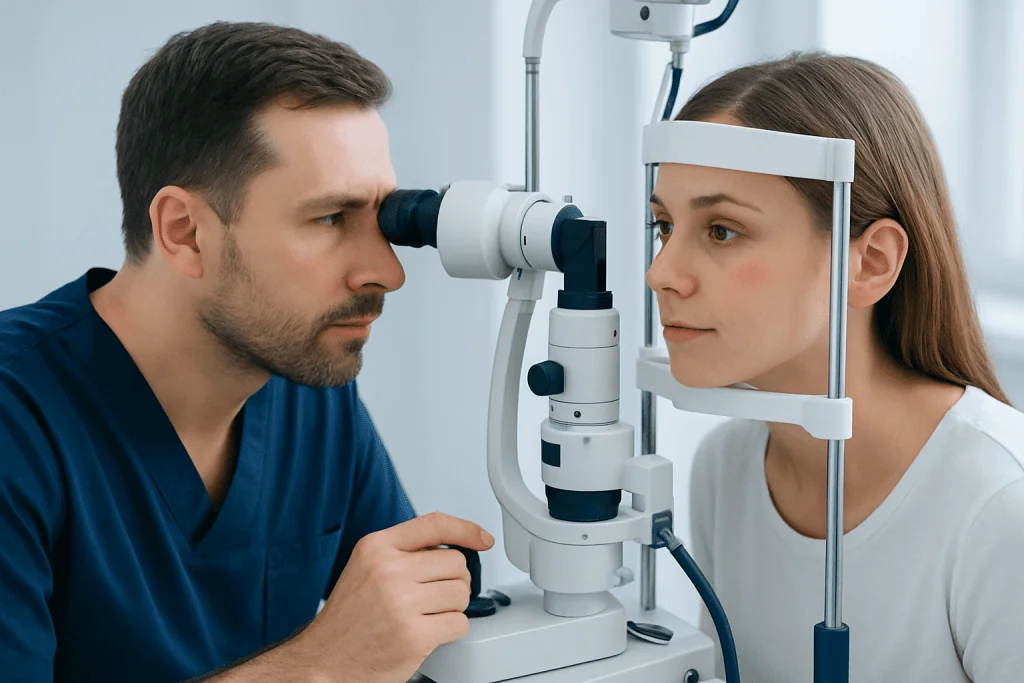
Medical treatment is considered when home measures have not worked, when the bump is large or uncomfortable, or when the diagnosis is unclear. An eye doctor will ask about the timing of symptoms, previous episodes, contact lens use, skin conditions such as rosacea, and any change in vision. The eyelid and eye surface are then examined closely.
A stye that causes widespread eyelid infection, significant pain, or drainage may require prescription treatment. A chalazion that persists despite conservative care may be treated with a steroid injection or a minor drainage procedure. The right option depends on its location, size, duration, and the person’s overall health.
Recurring chalazia or an eyelid lump that looks atypical may require further evaluation. In some situations, tissue removed during a procedure may be sent for laboratory examination, particularly if a lesion is recurrent in the same location or does not have the usual features of a chalazion.
Step-by-step: what happens during eyelid bump procedures
Most uncomplicated styes do not need a procedure. When a chalazion or persistent lump needs treatment, an ophthalmologist may recommend incision and curettage, a minor procedure performed under local anesthetic. The eyelid is numbed, and the doctor makes a small opening, usually from the inner eyelid surface, to remove the blocked material.
The procedure is typically brief and is often performed as an outpatient treatment. A protective pad may be used afterward for a short time, and the clinician provides instructions about cleaning, medication if prescribed, and follow-up. The eyelid may be swollen or bruised for several days, but many people can return to usual non-strenuous activities soon afterward.
A steroid injection is another option for selected chalazia. It may help reduce inflammation and shrink the lump without an incision, although it is not suitable for every person or every type of eyelid bump. The eye specialist will explain the expected benefit and possible side effects before treatment.
How long does stye treatment take to work?
Warm compresses may start easing stye discomfort within a few days, but the bump itself can take one to two weeks to resolve. Treatment works best when compresses are used regularly and the eyelid is protected from further irritation. If the stye begins to drain on its own, the area should be kept clean and should not be squeezed.
When prescription treatment is needed, the timing of improvement depends on whether there is an associated infection or eyelid inflammation. Antibiotic treatment may help bacterial infection when it is present, but it does not always make a blocked oil gland disappear immediately. Follow the clinician’s directions and complete prescribed medication as advised.
If symptoms are worsening after 24 to 48 hours of self-care, or there is no meaningful improvement within a week, medical advice is sensible. Prompt assessment is especially important if redness extends beyond the eyelid or vision is affected.
Benefits, risks, recovery and prevention
The main benefit of appropriate treatment is relief of tenderness, swelling, and cosmetic concern while protecting eye health. Warm compresses are low risk when used safely. Office-based treatment can remove a persistent chalazion or clarify the diagnosis when a bump does not follow the expected course.
Possible risks after a drainage procedure include temporary swelling, bruising, discomfort, bleeding, infection, scarring, or recurrence. These complications are uncommon, and the clinician will discuss individual considerations. Steroid injections may also have specific risks, including skin color changes or other local effects, which is why they are chosen selectively.
Prevention focuses on reducing blockage and irritation at the eyelid margin. People prone to styes or chalazia may benefit from a regular eyelid hygiene routine recommended by an eye professional. Managing blepharitis, rosacea, dandruff-like eyelid scaling, and contact lens hygiene can also be important. Acibadem International’s multidisciplinary specialists and JCI-accredited hospitals can assess and treat eyelid conditions for international patients.
Is a bump on my eyelid serious? When to seek medical care
Most eyelid bumps are not serious and improve without invasive treatment. However, an eyelid bump should not be assumed to be a stye if it is persistent, recurrent, unusually firm, bleeding, causing loss of eyelashes, or changing the eyelid shape. A professional examination provides reassurance and helps identify the correct treatment.
Urgent medical care is needed for severe eye pain, reduced or blurred vision, pain when moving the eye, fever, marked swelling, or redness spreading around the eye or face. These symptoms can indicate a more significant infection or another eye problem that requires timely evaluation.
A person should also contact an eye doctor if a bump does not improve with home care, returns repeatedly, or affects daily activities. Contact lens wearers with a painful red eye should stop wearing lenses and seek prompt assessment, because some eye infections can progress quickly.
Frequently asked questions
What is the difference between a stye and a chalazion?
A stye is usually a painful, red bump caused by inflammation or infection around an eyelash follicle or oil gland. A chalazion is typically a firm, less painful lump caused by a blocked eyelid oil gland. Both can occur on the upper or lower eyelid.
Can I pop an eyelid bump?
No. Squeezing, popping, or puncturing an eyelid bump can increase inflammation, spread infection, and injure the delicate eyelid tissue. Warm compresses and medical assessment when needed are safer approaches.
Can I wear contact lenses with a stye?
It is generally best to avoid contact lenses while a stye is active, especially if there is redness, pain, or discharge. Wearing lenses may irritate the eye and can contaminate the lenses or lens case. Resume lens wear only when symptoms have resolved or when an eye professional advises it is safe.
Do antibiotics cure a chalazion?
Antibiotics do not usually cure a simple chalazion because it is commonly caused by an oil gland blockage rather than an active bacterial infection. They may be prescribed if there are signs of associated infection or eyelid inflammation. An eye specialist can determine whether they are appropriate.
Why do I keep getting bumps on my eyelids?
Repeated bumps can be linked to chronic eyelid inflammation, blocked oil glands, rosacea, skin conditions, eye makeup use, or contact lens hygiene issues. A clinician can check for contributing factors and recommend an individualized eyelid-care routine. Recurrent bumps in the same exact location should be examined.
When should a child see a doctor for an eyelid bump?
A child should be assessed if the eyelid is very swollen, the area is painful, there is fever, redness is spreading, or the child has trouble opening the eye or seeing normally. Medical advice is also appropriate for a bump that does not improve over time or repeatedly returns. Caregivers should not try to drain the bump at home.
References
- American Academy of Ophthalmology
- American Optometric Association
- Mayo Clinic
- National Health Service
This article is for general information only and is not a substitute for professional medical advice. Please consult a qualified doctor about your individual situation.
Hair transplant in Turkey — costs, graft counts & a free assessment
JCI-accredited · board-certified surgeons · reply within 24h
Add us as a Preferred Source to see more of our trusted health content across Google Search, AI Overviews and Discover.