Eye Drops: An Evidence-Based Guide for Patients

Eye drops include artificial tears, allergy drops, antibiotic drops, anti-inflammatory drops, and glaucoma medicines. Using the wrong eye drops can delay proper care, especially if redness, pain, light sensitivity, or vision changes are present.
Key Takeaways
- Eye drops include artificial tears, allergy drops, antibiotic drops, anti-inflammatory drops, and glaucoma medicines.
- Using the wrong eye drops can delay proper care, especially if redness, pain, light sensitivity, or vision changes are present.
- Good technique helps eye drops work better and lowers the chance of contamination or wasted medication.
- Preservative-free drops may be more comfortable for people who use drops often or have sensitive eyes.
- A doctor should assess persistent symptoms, eye injury, discharge, or sudden visual changes.
Eye drops are liquid treatments placed into the eye to lubricate the surface or deliver medicine for problems such as dryness, allergy, infection, or glaucoma. The best eye drops depend on the cause of symptoms, so correct selection and proper application matter as much as the product itself.
Overview: what eye drops do and when they help
Eye drops are liquid products placed directly into the eye to moisturize its surface or deliver medication. They are commonly used for dry eye, allergies, infection, inflammation, and conditions that affect eye pressure. Some are available over the counter, while others require a prescription because they treat specific eye diseases and need medical supervision.
Many patients think of eye drops as a single category, but they are very different from one another. Artificial tears are designed to lubricate, allergy drops help reduce itching and irritation, and medicated drops may lower eye pressure, control infection, or calm inflammation. Choosing a product based only on a symptom like redness can be misleading, because redness may have many causes.
In general, eye drops help most when the cause of symptoms is understood first. Mild, occasional dryness may improve with lubricating drops, while persistent discomfort, discharge, pain, or blurred vision usually needs medical assessment rather than self-treatment alone. For people living with conditions such as glaucoma, eye drops may be an important long-term part of treatment.
Main types of eye drops
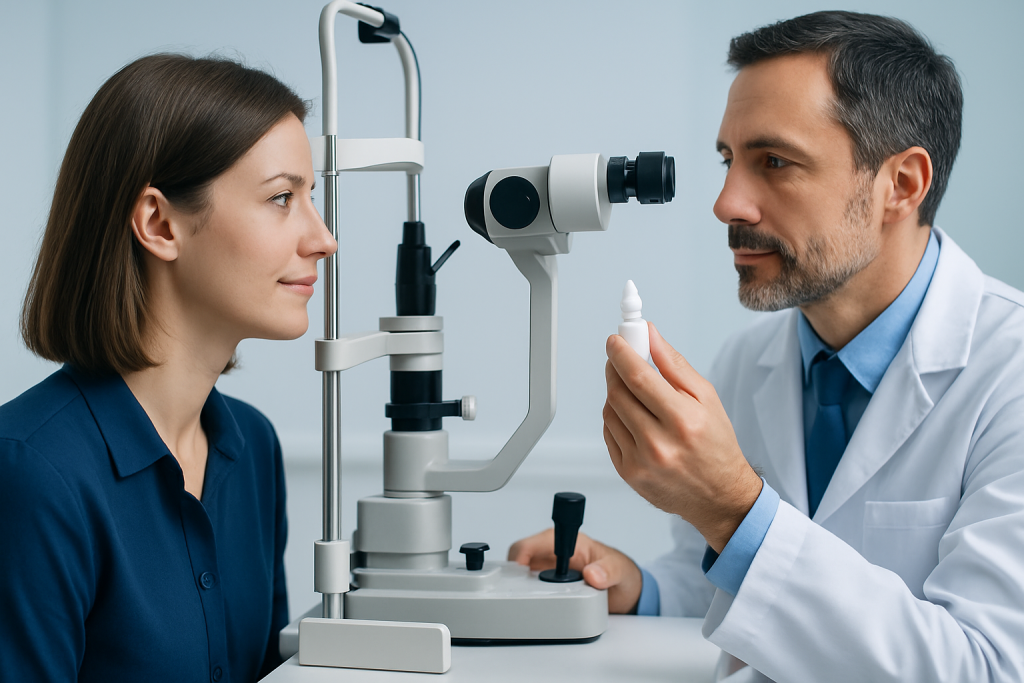
Artificial tears, also called lubricating eye drops, are among the most commonly used products. They help moisten the eye surface and can ease burning, grittiness, and mild irritation related to screen use, air conditioning, wind, or aging. Some contain preservatives to keep the bottle sterile after opening, while preservative-free options may be better for frequent use or sensitive eyes.
Allergy eye drops are used for itching, watering, and redness linked to allergens such as pollen, dust, or pet dander. These may contain antihistamines, mast cell stabilizers, or both. They work differently from plain lubricating drops, and they are usually more helpful when itching is a main symptom.
Prescription eye drops include antibiotics for bacterial infections, steroid or nonsteroidal anti-inflammatory drops for inflammation, and pressure-lowering drops for glaucoma or ocular hypertension. There are also drops used after eye procedures and for more specialized problems. In some cases, medical care may include laser eye treatment or eye surgery in addition to or instead of long-term medication.
Decongestant drops, often marketed to “get the red out,” narrow surface blood vessels temporarily. They may improve appearance for a short time, but they do not treat the underlying cause and can sometimes lead to rebound redness if used too often. For this reason, they are usually not the best choice for repeated or long-term symptoms.
Choosing the right eye drops for common symptoms
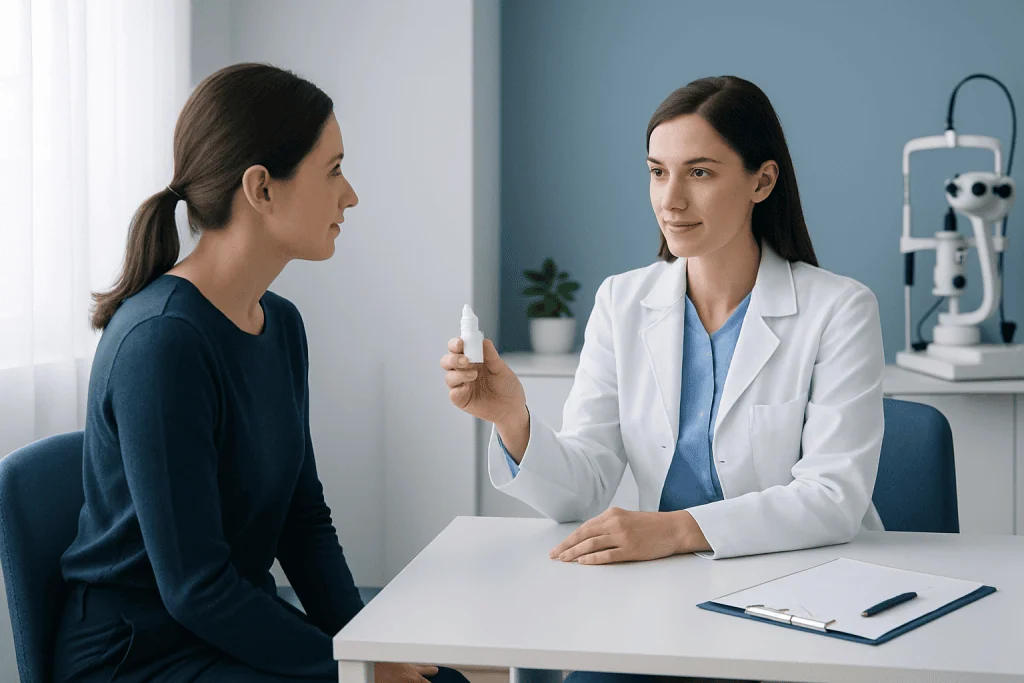
For dry, tired, or gritty eyes, lubricating drops are usually the first option. They can be especially useful for people who spend long hours on digital screens, wear contact lenses, or are exposed to dry indoor air. If symptoms happen often, preservative-free single-use vials may be more comfortable and gentler on the eye surface.
When itching is the main complaint, allergy drops are often more effective than artificial tears alone. However, watery eyes do not always mean allergy. Irritation, dry eye, infection, or blocked tear drainage can also cause tearing, so symptoms should be interpreted in context.
If the eye is painful, sensitive to light, producing thick discharge, or the vision is blurred, self-selecting over-the-counter drops may not be appropriate. These symptoms can suggest problems such as infection, corneal injury, or inflammation that need prompt diagnosis. Patients with contact lenses should be especially careful, because some eye conditions can worsen quickly in lens wearers.
People with chronic eye conditions should use only the drops recommended by their clinician. For example, a person being treated for dry eye may need a structured plan that includes lubrication, eyelid care, environmental adjustments, and sometimes prescription treatment rather than occasional use of whichever drops are available.
How to use eye drops correctly
Correct technique improves comfort and makes treatment more effective. Before using eye drops, hands should be washed thoroughly. The bottle tip should never touch the eye, eyelid, eyelashes, fingers, or any surface, because contamination can introduce germs into the bottle and the eye.
A practical method is to tilt the head back, look upward, and gently pull down the lower eyelid to create a small pocket. One drop is usually enough. After instilling the drop, the eye can be closed gently for a minute or two rather than blinking repeatedly. Pressing lightly on the inner corner of the eye can reduce drainage into the tear duct and help keep medication in contact with the eye longer.
When more than one type of eye drop is prescribed, it is generally best to leave several minutes between products so one does not wash out the other. If an eye ointment is also used, it is usually applied after drops. Contact lenses should not be worn while using many medicated eye drops unless a clinician has said it is safe to do so.
Patients sometimes worry that missing the eye means treatment has failed completely. If a drop runs out immediately, another may be needed, but repeatedly adding extra drops does not usually improve benefit. Following the instructions on the label and the advice of a pharmacist or doctor is the safest approach.
Safety, side effects, and common mistakes
Most eye drops are safe when used as directed, but side effects can happen. Mild temporary stinging, blurred vision, or an unusual taste in the mouth may occur with some products. Preservatives can irritate sensitive eyes, especially when drops are used several times a day over long periods.
Prescription drops can have more specific side effects depending on the medicine. For example, some glaucoma drops may change the appearance of eyelashes or eye color, while steroid drops can increase eye pressure if used without proper follow-up. This is one reason why leftover prescription drops should not be reused for a new eye problem without medical advice.
Common mistakes include sharing eye drops, using expired products, touching the bottle tip to the eye, and storing drops incorrectly. Another frequent problem is using redness-relief drops for persistent symptoms instead of identifying the cause. Repeated self-treatment can mask irritation while the underlying issue continues.
Patients who are pregnant, breastfeeding, have multiple medical conditions, or take several medicines should mention this to their clinician or pharmacist. Even though eye drops act locally, some ingredients can still enter the bloodstream in small amounts. A qualified professional can help choose the safest product for individual needs.
Special situations: children, older adults, and contact lens wearers
Children may need eye drops for allergies, infection, or after eye procedures, but products should not be chosen without age-appropriate guidance. Not all over-the-counter eye drops are suitable for children, and symptoms such as swelling, significant discharge, or eye rubbing can have several causes. Caregivers should ask a pediatrician or eye specialist when unsure.
Older adults often use eye drops more regularly because dry eye, eyelid changes, and glaucoma become more common with age. Arthritis or reduced hand strength can make bottles difficult to squeeze, which may affect adherence. In these cases, practical supports such as assistive devices, reminder schedules, or family help can improve consistent use.
Contact lens wearers need extra caution. Redness or discomfort in a lens wearer should never be ignored, because the cornea can become irritated or infected. Some lubricating drops are labeled as compatible with contact lenses, but many medicated drops are not. Lenses may need to be removed before use and kept out for a period afterward, depending on the product.
People with recurring symptoms, previous eye surgery, or chronic inflammation may benefit from assessment by an ophthalmologist. In selected cases, treatment can include advanced medical therapies or procedures such as corneal transplant for severe corneal disease, though this is not relevant to routine dryness or minor irritation.
When to seek medical care
Medical care is important if eye symptoms are severe, sudden, or do not improve as expected. Pain, marked redness, light sensitivity, new floaters, flashes, reduced vision, or the feeling that something is stuck in the eye should not be managed with over-the-counter drops alone. The same applies after chemical exposure, trauma, or a possible scratch on the eye.
Thick discharge, swollen eyelids, or symptoms affecting only one eye may suggest infection or another condition that needs examination. Contact lens wearers should seek care promptly if redness or pain develops, especially if vision becomes blurred. Delaying assessment can increase the risk of complications in certain corneal problems.
Patients being treated with prescription eye drops should also arrange review if side effects become troublesome or if they are struggling to use the medication regularly. Ongoing monitoring is particularly important for conditions related to eye pressure and inflammation. Near the end of the care pathway, patients may choose centers such as Acibadem International, where multidisciplinary specialists in JCI-accredited hospitals diagnose and treat eye conditions for international patients.
Frequently asked questions
Can eye drops be used every day?
Some eye drops can be used daily, but it depends on the type. Lubricating drops are often suitable for regular use, while redness-relief or certain medicated drops should not be used routinely unless a doctor recommends them. Frequent symptoms should be discussed with a clinician to make sure the cause is clear.
What is the difference between artificial tears and redness-relief drops?
Artificial tears add moisture and help protect the eye surface, so they are commonly used for dryness and irritation. Redness-relief drops temporarily shrink blood vessels to make the eye look whiter. They do not treat the underlying reason for redness and may worsen rebound redness if overused.
How long should a person wait between different eye drops?
A gap of several minutes between drops is often recommended so the first medicine is not washed away. The exact timing can vary by product and doctor instructions. If both drops and ointment are prescribed, the ointment is usually applied last.
Are preservative-free eye drops better?
Preservative-free eye drops can be especially helpful for people who use drops often or have sensitive eyes. They may cause less irritation on the eye surface over time. However, the best choice still depends on the reason the drops are being used.
Can contact lenses be worn with eye drops?
Some lubricating drops are made for use with contact lenses, but many medicated drops are not. In many cases, lenses should be removed before putting in the drops and left out for a while afterward. The label and an eye care professional can clarify what is safe for each product.
When should someone avoid self-treating with over-the-counter eye drops?
Self-treatment is not a good idea when there is pain, vision change, light sensitivity, injury, chemical exposure, or thick discharge. These symptoms may point to a problem that needs prompt examination. Persistent symptoms should also be assessed rather than repeatedly switching products.
References
- American Academy of Ophthalmology
- National Eye Institute
- Centers for Disease Control and Prevention
- Mayo Clinic
- MedlinePlus
This article is for general information only and is not a substitute for professional medical advice. Please consult a qualified doctor about your individual situation.
Explore treatments in Turkey — costs, top hospitals & a free quote
JCI-accredited · board-certified surgeons · reply within 24h
Add us as a Preferred Source to see more of our trusted health content across Google Search, AI Overviews and Discover.