Eye Specialist Doctor: An Evidence-Based Patient Guide

Ophthalmologists are medical doctors who diagnose eye disease and perform eye surgery. Optometrists provide vision testing, prescribe glasses or contact lenses, and identify many eye health concerns.
Key Takeaways
- Ophthalmologists are medical doctors who diagnose eye disease and perform eye surgery.
- Optometrists provide vision testing, prescribe glasses or contact lenses, and identify many eye health concerns.
- Urgent assessment is important for sudden vision loss, severe eye pain, flashes, new floaters, or an eye injury.
- Regular dilated eye examinations can identify some vision-threatening conditions before noticeable symptoms develop.
- Choosing an eye doctor should be based on symptoms, diagnosis, needed treatment, qualifications, and communication needs.
An eye specialist doctor evaluates vision, eye health, and conditions affecting the eyes and visual system. The right professional depends on whether a person needs routine vision care, medical treatment, surgery, or highly specialized assessment.
Overview: What Does an Eye Specialist Doctor Do?
An eye specialist doctor is a healthcare professional trained to assess vision and diagnose, monitor, or treat conditions affecting the eyes. Depending on the professional’s training, care may include prescribing glasses or contact lenses, treating infections and chronic eye disease, performing procedures, or carrying out surgery.
Eye care is not limited to vision sharpness. Comprehensive eye assessments can examine the cornea, lens, retina, optic nerve, eye pressure, eye movements, and the connection between the eye and nervous system. This helps clinicians detect conditions such as cataracts, glaucoma, diabetic eye disease, retinal disorders, and some problems related to general health.
The appropriate clinician depends on the reason for the visit. A person seeking a routine prescription may start with an optometrist, while someone with an eye disease, major injury, or possible need for surgery should generally be assessed by an ophthalmologist. A referral to a narrower subspecialist may be appropriate when complex care is needed.
What Are Three Types of Eye Doctors?
The three commonly discussed types of eye care professionals are ophthalmologists, optometrists, and opticians. They have different training and roles, and they often work together to support a patient’s vision and eye health.
Ophthalmologists are medical doctors who specialize in eye and vision care. They can diagnose and treat eye diseases, prescribe medicines, perform eye procedures and surgery, and provide refractive care. Some ophthalmologists complete further training in areas such as retina, glaucoma, cornea, pediatric ophthalmology, oculoplastics, or neuro-ophthalmology.
Optometrists provide primary eye and vision care. Their work commonly includes eye examinations, vision tests, prescribing glasses and contact lenses, and identifying eye conditions that may require medical or surgical management. The exact scope of practice can vary by country and local regulations.
Opticians are trained to fit and dispense glasses, frames, lenses, and other vision aids based on a prescription from an optometrist or ophthalmologist. They do not diagnose eye diseases or prescribe medical treatment.
What Is the Most Specialized Eye Doctor?

An ophthalmologist is the most broadly specialized medical eye doctor because they are trained to diagnose eye disease, manage medical treatments, and perform surgery. However, the most specialized clinician for a particular condition may be an ophthalmologist with fellowship training in a specific part of eye care.
For example, a retina specialist focuses on conditions involving the retina and vitreous, including retinal tears, age-related macular degeneration, and diabetic retinopathy. A glaucoma specialist concentrates on optic nerve damage and eye pressure management. Cornea specialists manage disorders of the cornea and may perform corneal transplantation or advanced refractive procedures.
Other subspecialists include pediatric ophthalmologists for children’s eye conditions, neuro-ophthalmologists for visual symptoms linked to the brain or nerves, and oculoplastic surgeons for eyelid, tear-duct, and eye-socket conditions. A general ophthalmologist can usually guide a patient to the right subspecialist when needed.
What Are the Top 3 Eye Diseases?
There is no single universal ranking of the “top” eye diseases because importance varies by age, location, and individual health risks. Three major conditions frequently associated with vision loss worldwide are cataracts, glaucoma, and age-related macular degeneration. Diabetic retinopathy is also a leading concern, particularly for people living with diabetes.
Cataracts occur when the normally clear lens inside the eye becomes cloudy. They often develop gradually and can cause blurred vision, glare, faded colors, and difficulty seeing at night. Cataract surgery can be considered when vision changes affect daily activities and examination findings support treatment.
Glaucoma is a group of diseases that damages the optic nerve, often but not always in association with increased eye pressure. It may progress without early symptoms, which is why regular eye examinations are important for people with risk factors. Treatment may include eye drops, laser treatment, or surgery to protect remaining vision.
Age-related macular degeneration affects the macula, the central part of the retina used for detailed tasks such as reading and recognizing faces. Early evaluation is important if straight lines appear distorted or central vision becomes blurred. People with diabetes should also attend recommended retinal screening, as diabetic eye disease may develop before visual symptoms are noticed.
Which Doctor Is the Best for Eyes?
The best doctor for eyes is the clinician whose qualifications and expertise match the person’s needs. For routine vision testing and prescription updates, an optometrist may be an appropriate first point of care. For eye disease, persistent symptoms, injuries, surgery, or a complex diagnosis, an ophthalmologist is generally the most suitable medical specialist.
When choosing an eye specialist doctor, patients may consider the clinician’s medical credentials, experience with the relevant condition or procedure, access to diagnostic testing, communication style, and whether coordinated care is available if other health conditions are involved. It is reasonable to ask about the diagnosis, treatment alternatives, expected monitoring, and when a second opinion may be useful.
Some symptoms require a specific subspecialist. For instance, a person with possible retinal detachment symptoms may need urgent assessment by an ophthalmologist with retinal expertise, while a patient with progressive optic nerve changes may benefit from glaucoma-focused care. A primary eye clinician can help coordinate this referral pathway.
How Eye Examinations and Common Procedures Work
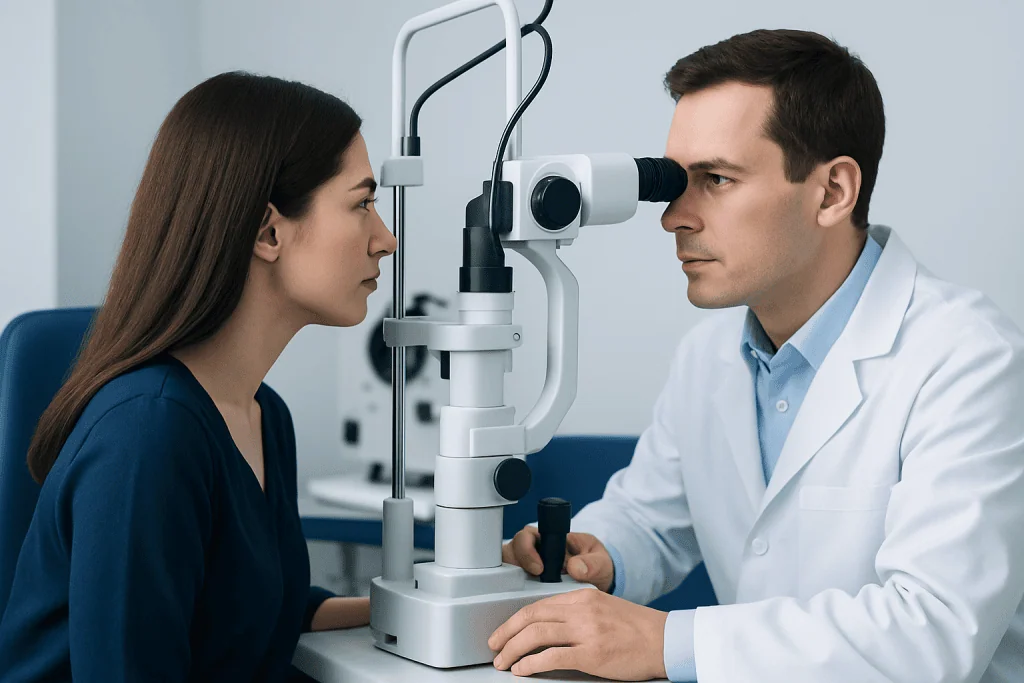
A comprehensive eye appointment usually begins with a discussion of symptoms, medical history, medications, family history, and visual needs. The clinician may measure visual acuity, assess how the eyes work together, check the front of the eye with a microscope called a slit lamp, measure eye pressure, and examine the retina and optic nerve. Dilating drops may be used to widen the pupils for a more detailed view of the back of the eye.
Further tests are chosen according to the concern. These may include visual field testing for peripheral vision, optical coherence tomography imaging of the retina or optic nerve, corneal mapping, retinal photography, or ultrasound. These tests are generally noninvasive and help the eye specialist doctor make a diagnosis and establish a baseline for future comparisons.
If a procedure is recommended, candidacy depends on the diagnosis, examination findings, overall health, visual goals, and potential benefits and risks. The clinician should explain why the procedure is being considered, alternatives such as observation or medicines, what preparation is needed, and what follow-up will involve.
For many eye procedures, care follows a similar pathway: confirmation of the diagnosis, pre-procedure measurements or imaging, consent and preparation, treatment, and scheduled monitoring. Recovery varies substantially. Simple office-based laser treatments may allow a quick return to routine activities, while eye surgery can require several weeks of healing and use of prescribed drops. Temporary blurred vision, irritation, or light sensitivity can occur, but patients should follow individualized postoperative instructions.
Benefits, Risks, and Protecting Eye Health
Timely eye care can preserve vision, relieve symptoms, improve safety in daily activities, and detect eye disease at an earlier stage. The benefit of any treatment depends on the underlying condition. Some treatments improve vision, while others are primarily intended to prevent further vision loss or reduce the risk of complications.
All procedures and medicines can have risks. These vary by treatment but may include temporary discomfort, dry eye symptoms, inflammation, infection, changes in eye pressure, bleeding, scarring, or a need for additional treatment. Serious complications are uncommon for many routine procedures but should be discussed clearly before treatment. No procedure can guarantee a particular visual outcome.
Helpful everyday measures include wearing appropriate protective eyewear for work or sports, using sunglasses that block ultraviolet radiation, avoiding smoking, managing diabetes and blood pressure, eating a balanced diet, and taking breaks during prolonged screen use. Contact lens wearers should follow hygiene instructions, avoid sleeping in lenses unless specifically approved, and never use saliva or tap water to clean lenses.
Acibadem International’s multidisciplinary specialists and JCI-accredited hospitals support international patients requiring diagnostic evaluation and treatment for eye conditions, with coordinated referral to relevant ophthalmology subspecialties when appropriate.
When to Seek Medical Care
Routine eye examinations are important even when vision seems normal, particularly for adults with diabetes, high blood pressure, a family history of glaucoma or retinal disease, previous eye injury, long-term use of certain medicines, or increasing age. The recommended examination interval should be individualized by an eye care professional.
Urgent medical assessment is needed for sudden loss or major reduction of vision, severe eye pain, sudden onset of double vision, a curtain or shadow across vision, flashes of light with many new floaters, chemical exposure, a penetrating injury, or significant redness with nausea and headache. These symptoms can have several causes, and prompt assessment helps protect eye health.
A person should arrange a timely eye appointment for persistent redness, discharge, light sensitivity, gradual vision changes, recurrent headaches associated with visual tasks, new difficulty reading, or contact lens discomfort. It is safest not to drive if vision is suddenly impaired and to seek local emergency services when severe symptoms occur.
Frequently asked questions
Do I need an ophthalmologist or an optometrist?
An optometrist may be suitable for a routine eye examination, glasses or contact lens prescription, and many common visual concerns. An ophthalmologist is generally appropriate for diagnosed eye disease, eye injury, severe symptoms, surgery, or a condition needing medical treatment. An optometrist can also refer a patient to an ophthalmologist when necessary.
Can an eye specialist doctor detect general health problems?
Eye examinations can sometimes show signs associated with diabetes, high blood pressure, autoimmune disease, neurological conditions, and medication effects. Eye findings do not replace general medical assessment, but they can prompt referral or further testing. Sharing medical history and current medicines helps the clinician interpret examination results.
How often should adults have an eye examination?
The best interval depends on age, vision needs, health conditions, family history, and previous eye findings. People with diabetes, glaucoma risk, known eye disease, or vision changes may need examinations more often. An eye care professional can recommend a schedule tailored to the individual.
Is blurred vision always caused by needing glasses?
No. Blurred vision may result from refractive error, but it can also be caused by dry eye, cataracts, infection, retinal disease, glaucoma, medication effects, or other health conditions. Sudden or significant blurred vision should be assessed promptly, especially when accompanied by pain, flashes, floaters, weakness, or headache.
What should a patient bring to an eye appointment?
It is useful to bring current glasses and contact lens information, a list of medicines and allergies, relevant medical records, and details about prior eye treatment or surgery. Patients should mention changes in vision, family history of eye disease, and any work or driving requirements. If pupil dilation is expected, arranging transport may be helpful because vision can remain blurred or light-sensitive for several hours.
Can eye diseases be prevented?
Not every eye disease can be prevented, particularly those related to aging or inherited risk. However, regular examinations, diabetes and blood pressure management, avoiding smoking, eye protection, ultraviolet protection, and prompt assessment of symptoms can reduce risk or support earlier treatment. Following prescribed treatment and follow-up appointments is important for conditions such as glaucoma and diabetic eye disease.
References
- American Academy of Ophthalmology
- National Eye Institute
- World Health Organization
- Centers for Disease Control and Prevention
- International Council of Ophthalmology
This article is for general information only and is not a substitute for professional medical advice. Please consult a qualified doctor about your individual situation.
Explore treatments in Turkey — costs, top hospitals & a free quote
JCI-accredited · board-certified surgeons · reply within 24h
Add us as a Preferred Source to see more of our trusted health content across Google Search, AI Overviews and Discover.