Face Mites — Explained by Medical Evidence, Not Myths

Face mites are common and usually a normal part of human skin. Problems tend to happen when mite numbers increase or the skin barrier is irritated.
Key Takeaways
- Face mites are common and usually a normal part of human skin.
- Problems tend to happen when mite numbers increase or the skin barrier is irritated.
- Symptoms may include facial redness, roughness, itching, burning, or eyelid irritation.
- Diagnosis is based on symptoms, skin examination, and sometimes microscopic testing.
- Treatment focuses on the underlying skin condition, skin care, and reducing mite overgrowth when needed.
Face mites are microscopic Demodex mites that commonly live in hair follicles and oil glands on healthy human skin. They are usually harmless, but in some people an increased number of mites may be linked with skin irritation, rosacea-like flares, or eyelid inflammation.
What are face mites?
Face mites are tiny microscopic organisms, most often Demodex folliculorum and Demodex brevis, that live naturally on human skin. They are most commonly found in hair follicles and sebaceous, or oil-producing, glands, especially on the face. In most people, they cause no symptoms and are considered part of the normal skin ecosystem.
The term “face mites” can sound alarming, but their presence alone does not mean disease or poor hygiene. Medical evidence shows that many healthy adults have Demodex mites without knowing it. Concerns usually arise only when mite numbers become unusually high or when they are associated with other skin or eyelid conditions.
Researchers have found links between increased Demodex density and conditions such as rosacea, facial dermatitis, and eyelid inflammation called blepharitis. This does not mean mites are always the sole cause. Rather, they may act as one contributing factor alongside skin sensitivity, inflammation, immune responses, and changes in the skin barrier.
What symptoms can face mites cause?
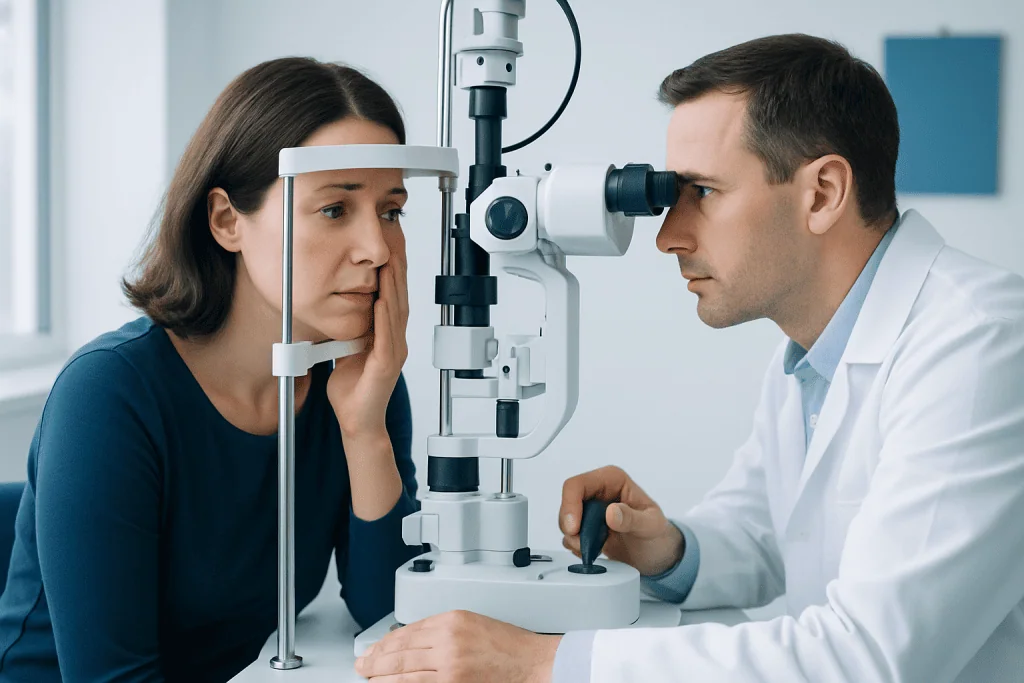
Most people with face mites have no symptoms at all. When symptoms do happen, they are usually related to irritation or inflammation rather than the mites themselves being directly harmful. The skin may feel more sensitive, itchy, rough, or easily reactive.
On the face, possible symptoms can include persistent redness, a burning or stinging sensation, dryness, fine scaling, and small bumps that may resemble acne or rosacea. Some people notice symptoms around the nose, cheeks, forehead, chin, or eyebrows, where oil glands are more active. These symptoms can overlap with other skin problems, so they are not specific to Demodex alone.
Face mites may also affect the eyelid area. When this happens, a person may experience itchy eyelids, crusting at the base of the eyelashes, redness, watery eyes, a gritty sensation, or recurrent eyelid inflammation. This can be part of blepharitis, which may need separate evaluation and treatment.
- Facial redness or flushing
- Itching, burning, or stinging
- Dry, rough, or flaky skin
- Small inflamed bumps
- Eyelid irritation and crusting
- Eye discomfort or a foreign-body sensation
Why do face mites become a problem in some people?

Doctors do not fully attribute skin symptoms to mites alone. Instead, current evidence suggests that problems may develop when there is an overgrowth of Demodex mites, when the skin barrier is weakened, or when the immune system reacts more strongly to them. The interaction between mites, skin bacteria, oil production, and inflammation appears to be important.
Several factors may make Demodex-related problems more likely. These include increasing age, oily skin, chronic facial inflammation, and some immune system changes. People who have rosacea may have a higher density of mites on affected skin, although rosacea itself is a complex condition with multiple causes.
Use of heavy or irritating skin products may worsen symptoms in some people by disrupting the skin barrier, even if they do not directly increase mite numbers. Other medical conditions, long-term topical steroid use on the face, and poor eyelid hygiene can also contribute to irritation that is then associated with Demodex overgrowth.
- Rosacea or chronic facial redness
- Oily or seborrheic skin
- Increasing age
- Immune suppression or immune imbalance
- Skin barrier irritation from harsh products
- Chronic eyelid inflammation
How doctors diagnose Demodex-related skin problems
Diagnosis starts with a medical history and physical examination. A dermatologist or eye specialist looks at the pattern of symptoms, the areas involved, and whether signs fit common conditions such as rosacea, dermatitis, acne, or blepharitis. Because many people have Demodex mites naturally, diagnosis is not based on finding a single mite alone.
If needed, the doctor may use a skin sample, adhesive tape preparation, eyelash sampling, or another simple office-based test to look for mites under a microscope. In some cases, dermoscopy or slit-lamp eye examination helps assess the eyelashes and eyelid margins more closely. These tests are usually quick and are chosen based on symptoms and exam findings.
The main goal is to determine whether mite overgrowth is likely contributing to symptoms and to rule out other causes. Conditions such as eczema, seborrheic dermatitis, acne, perioral dermatitis, allergic contact dermatitis, and ocular surface disorders can look similar. Accurate diagnosis matters because treatment depends on the underlying condition, not the presence of mites alone.
Treatment options for face mites
Treatment is only necessary when face mites are thought to be contributing to symptoms. The exact approach depends on whether the main problem is facial skin irritation, rosacea-like inflammation, or eyelid disease. Doctors usually combine gentle skin care with treatment directed at inflammation and, when appropriate, reducing Demodex overgrowth.
For skin involvement, a dermatologist may recommend medicated creams or gels, especially if symptoms overlap with rosacea treatment. These may help calm inflammation and lower mite density at the same time. In some cases, other topical or oral medicines are used depending on the diagnosis, skin sensitivity, and severity of symptoms.
For eyelid involvement, careful lid hygiene is often important. Warm compresses, gentle cleansing of the eyelid margins, and doctor-recommended products may help improve symptoms. If blepharitis is persistent or severe, a specialist may suggest targeted blepharitis treatment and evaluate the ocular surface.
People should avoid self-treating with harsh home remedies, undiluted essential oils, or strong exfoliants on the face. These can irritate the skin or eyes and may make symptoms worse. If facial redness or bumps are significant, structured dermatology evaluation is often the safest way to confirm the cause and choose suitable care.
Self-care, skin habits, and prevention
Because face mites are a normal part of skin for many adults, prevention is not about trying to eliminate them completely. A more realistic goal is to support healthy skin and reduce factors that trigger irritation or inflammation. Gentle, consistent skin care is usually more helpful than aggressive cleansing.
Using a mild cleanser, avoiding over-scrubbing, and choosing non-irritating skin products can help preserve the skin barrier. Daily sunscreen may also help people with sensitive or rosacea-prone skin by reducing flare triggers. Heavy facial oils or greasy products are not necessarily harmful for everyone, but those with persistent symptoms may benefit from discussing product selection with a clinician.
If the eyelids are involved, regular eyelid hygiene may reduce crusting and irritation. Contact lens users and people with recurrent eye symptoms should pay attention to eye hygiene and follow medical advice about lens wear, cosmetics, and eyelid care. Pillowcases, makeup brushes, and eye makeup should be kept clean, but excessive cleaning rituals are not usually necessary.
- Wash the face with a gentle cleanser
- Avoid harsh scrubs and irritating products
- Use sunscreen if the skin is redness-prone
- Remove eye makeup carefully
- Practice regular eyelid hygiene when advised
- Seek medical review for persistent redness or eyelid symptoms
When to seek medical care
Medical care is appropriate if facial redness, itching, roughness, or bumps do not improve with gentle skin care, or if symptoms keep returning. A doctor should also assess burning, worsening sensitivity, or signs that a condition such as rosacea, eczema, or dermatitis may be present. Early assessment can help prevent unnecessary product use and prolonged irritation.
Eye-related symptoms deserve particular attention. A person should seek medical advice if they have ongoing eyelid crusting, red or swollen eyelids, eye pain, increased light sensitivity, blurred vision, or a persistent gritty sensation. These symptoms are not always caused by mites and may need prompt evaluation by an eye specialist.
People with weakened immune systems, chronic skin disease, or repeated treatment failure should also be reviewed by a clinician. Near the end of the diagnostic pathway, multidisciplinary specialists may be helpful when skin and eye symptoms occur together. Acibadem International’s multidisciplinary specialists and JCI-accredited hospitals diagnose and treat Demodex-related skin and eyelid conditions for international patients when specialist assessment is needed.
Frequently asked questions
Are face mites normal?
Yes. Face mites, usually Demodex species, are commonly found on healthy adult skin and often cause no symptoms at all. Their presence alone is not considered a disease.
Can face mites cause rosacea?
Face mites are not thought to be the only cause of rosacea. However, increased numbers of Demodex mites may contribute to inflammation in some people with rosacea-prone skin.
Do face mites mean poor hygiene?
No. Demodex mites are a common part of the normal skin environment, and having them does not mean a person is unclean. Excessive washing can actually irritate the skin and worsen symptoms.
How are face mites treated?
Treatment depends on symptoms and the underlying diagnosis. Doctors may recommend gentle skin care, eyelid hygiene, and prescription treatments that reduce inflammation or mite overgrowth when needed.
Can face mites affect the eyes?
Yes. Demodex mites can be associated with eyelid inflammation, crusting around the lashes, and discomfort sometimes linked to blepharitis. Persistent eye symptoms should be assessed by a qualified clinician.
Should people try home remedies to kill face mites?
It is best to be cautious with home remedies, especially near the eyes. Harsh products, undiluted oils, or abrasive treatments can irritate the skin and may worsen symptoms, so medical guidance is safer.
References
- American Academy of Dermatology
- American Academy of Ophthalmology
- National Rosacea Society
- Merck Manual Professional Edition
- MedlinePlus
This article is for general information only and is not a substitute for professional medical advice. Please consult a qualified doctor about your individual situation.
Hair transplant in Turkey — costs, graft counts & a free assessment
JCI-accredited · board-certified surgeons · reply within 24h
Add us as a Preferred Source to see more of our trusted health content across Google Search, AI Overviews and Discover.

More from the Health Library

Whole Milk Fat Percentage — Explained by Medical Evidence, Not Myths

Foamy Faeces: An Evidence-Based Guide for Patients

Ball-sacking: What Patients Need to Know

Ophthalmic: What Patients Need to Know

Ingrown Hair on Penis — Explained by Medical Evidence, Not Myths