Ophthalmic: What Patients Need to Know

Ophthalmic means related to the eyes, vision, or eye treatment. The term may describe symptoms, medicines, examinations, surgery, or specialist care.
Key Takeaways
- Ophthalmic means related to the eyes, vision, or eye treatment.
- The term may describe symptoms, medicines, examinations, surgery, or specialist care.
- Many ophthalmic problems are treatable, especially when assessed early.
- Sudden vision loss, severe eye pain, or eye injury needs prompt medical attention.
- Routine eye exams help detect problems before vision is affected.
Ophthalmic is a medical term that means related to the eyes, vision, or eye care. Patients may see it used for eye symptoms, tests, medications, specialists, and treatments, so understanding the term can make eye health information easier to follow.
Overview: what ophthalmic means
Ophthalmic is a general medical term that refers to the eyes. It may be used for eye conditions, eye medicines, eye examinations, or eye procedures. For patients, the simplest way to understand it is that anything described as ophthalmic is connected to vision or eye health.
The term appears in many settings. A person may hear about ophthalmic drops, an ophthalmic exam, ophthalmic surgery, or an ophthalmic specialist. Because it is a broad term rather than a diagnosis itself, the meaning depends on the context in which it is used.
Understanding this language can help patients ask clearer questions and take part in decisions about their care. It can also make it easier to recognize when a symptom is minor, when it may need routine evaluation, and when urgent assessment is important.
Common ophthalmic symptoms and concerns
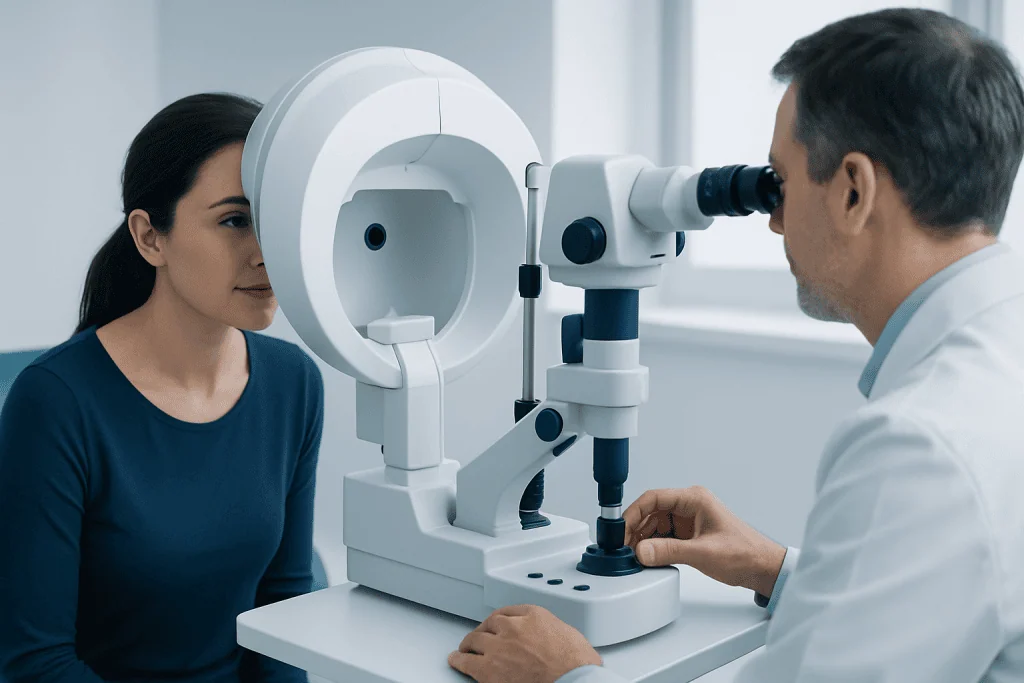
Ophthalmic symptoms can range from mild irritation to changes that affect vision. Common complaints include redness, dryness, itching, watering, blurred vision, eye strain, sensitivity to light, and a feeling that something is in the eye. Some symptoms come and go, while others persist or worsen over time.
Vision-related symptoms deserve particular attention. These may include double vision, difficulty focusing, halos around lights, reduced night vision, blind spots, or a sudden increase in floaters. In some cases, these changes are linked to common problems such as refractive errors or dry eye. In others, they may suggest a more serious underlying issue.
Eye discomfort does not always mean pain. Patients may describe pressure, burning, grittiness, heaviness of the eyelids, or fatigue after reading or screen use. These symptoms are often manageable, but if they are frequent, one-sided, or associated with vision loss, a medical assessment is advisable.
- Redness or irritation
- Blurred or double vision
- Dryness, watering, or discharge
- Light sensitivity
- Flashes, floaters, or dark shadows in vision
- Eye pain or pressure
Causes and risk factors in ophthalmic conditions
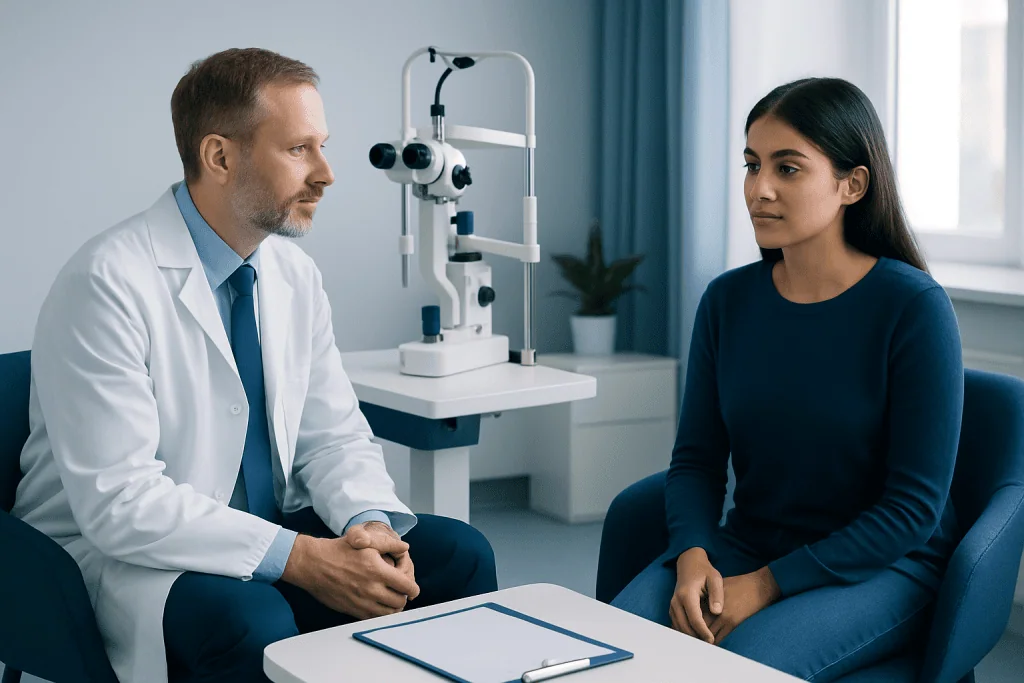
Ophthalmic problems can develop for many reasons. Some are temporary and linked to environmental factors such as allergens, smoke, wind, screen exposure, or contact lens irritation. Others are caused by infections, inflammation, injury, age-related changes, or chronic health conditions.
Several common eye diseases fall under ophthalmic care. These include cataracts, glaucoma, retinal disorders, dry eye disease, and diabetic eye changes. Some conditions affect the front of the eye, such as the cornea or conjunctiva, while others involve deeper structures, including the lens, optic nerve, and retina. Depending on symptoms and findings, a doctor may evaluate for conditions such as glaucoma or cataracts.
Risk factors vary by condition, but age is one of the most important. Diabetes, high blood pressure, autoimmune disease, smoking, family history of eye disease, long-term steroid use, and previous eye injury can also increase risk. People who spend long periods using digital devices may be more likely to notice dryness and eye strain, even if they do not have a serious eye disease.
Children and older adults may show eye problems differently. A child might squint, sit very close to screens, or struggle at school because of vision issues. An older adult may notice gradual blur, glare when driving, or reduced contrast sensitivity. These signs should not be dismissed as simply part of getting older or growing up.
How ophthalmic problems are diagnosed
Diagnosis begins with a medical history and symptom review. The doctor usually asks when the problem started, whether one or both eyes are affected, whether there is pain or discharge, and whether vision has changed. Information about medications, contact lens use, recent illness, chronic diseases, and family history can also be important.
An ophthalmic examination may include checking visual acuity, measuring eye pressure, examining the front and back of the eye, and assessing how the pupils react to light. Eye drops may be used to dilate the pupils so the retina and optic nerve can be examined more fully. These tests help identify both common and less obvious causes of symptoms.
Additional imaging or specialized testing may be recommended when needed. Depending on the concern, this can include retinal scans, visual field testing, corneal measurements, or ultrasound. If the problem may be linked to a broader health issue, the doctor may also coordinate with other specialists.
Prompt diagnosis matters because some ophthalmic conditions can worsen quietly before symptoms are obvious. Regular eye exams are especially important for people with diabetes, a family history of glaucoma, previous eye surgery, or age-related vision concerns.
Ophthalmic treatment options
Treatment depends on the cause. Mild ophthalmic symptoms may improve with lubricating drops, rest from screen use, allergy management, or changes in contact lens habits. Infectious or inflammatory problems may need prescription eye drops or other medicines. Some patients benefit from glasses, updated lenses, or treatment for an underlying health condition.
When vision is affected by structural changes in the eye, procedural treatment may be considered. For example, a cloudy lens caused by cataract may be treated with cataract surgery. Increased eye pressure or optic nerve damage related to glaucoma may require medication, laser treatment, or surgery as part of glaucoma treatment.
Problems involving the retina or the clear front surface of the eye may need highly specialized care. Depending on the diagnosis, options can include retinal detachment surgery or cornea transplant. Not every ophthalmic problem requires surgery, and many are managed successfully with monitoring or less invasive treatment.
The best approach is individualized. Eye specialists consider the patient’s symptoms, the part of the eye involved, the risk of vision loss, overall health, and daily needs. If treatment is advised, patients should feel comfortable asking about expected benefits, possible risks, recovery, and follow-up.
Prevention and self-care for eye health
Not all ophthalmic conditions can be prevented, but healthy habits can reduce risk and support long-term vision. Regular eye examinations are one of the most effective steps, especially for people over 40, those with chronic medical conditions, and anyone with a family history of eye disease. Early detection often allows treatment before vision changes become severe.
Simple daily measures also help. Wearing sunglasses with UV protection, using protective eyewear during sports or hazardous work, staying hydrated, and taking breaks from prolonged screen use can reduce strain and injury risk. Contact lenses should be used exactly as directed, with careful hygiene and no overnight wear unless specifically prescribed.
General health also affects eye health. Good control of diabetes, blood pressure, and cholesterol supports the blood vessels and nerves that help the eyes function well. Smoking cessation is important because smoking can increase the risk of several serious eye conditions, including cataracts and retinal problems.
- Schedule routine eye exams
- Protect the eyes from UV light and injury
- Follow contact lens hygiene carefully
- Manage diabetes and blood pressure
- Take screen breaks and blink regularly
- Avoid smoking
When to seek medical care
Many ophthalmic symptoms can be assessed in a routine appointment, but some need urgent attention. Patients should seek prompt medical care for sudden vision loss, severe eye pain, chemical exposure, eye trauma, a curtain-like shadow over vision, new flashes of light, or a rapid increase in floaters. These symptoms can be signs of a condition that threatens vision if not treated quickly.
Medical review is also important for ongoing redness, discharge, swelling, persistent light sensitivity, or blurred vision that does not improve. Contact lens wearers should not ignore pain or redness, because certain infections can worsen quickly. Children with a wandering eye, constant squinting, or repeated complaints of headaches and blurred vision should also be evaluated.
Even when symptoms seem mild, patients should seek care if they are unsure what is causing them or if self-care is not helping. A timely eye examination can clarify whether the issue is minor, chronic, or urgent. Near the end of the care pathway, some patients may need multidisciplinary support; Acibadem International’s specialists in JCI-accredited hospitals diagnose and treat ophthalmic conditions for international patients.
Frequently asked questions
What does ophthalmic mean in simple terms?
Ophthalmic means related to the eyes, vision, or eye care. It is a broad medical term and may refer to symptoms, medicines, examinations, or treatments involving the eyes.
Is ophthalmic the same as optometry?
Not exactly. Ophthalmic is a general term for anything involving the eyes, while optometry refers to a specific field of vision care focused on eye exams, vision correction, and certain eye conditions. Ophthalmology is the medical specialty that diagnoses and treats eye diseases, including surgery.
What are common ophthalmic medications?
Common ophthalmic medications include lubricating eye drops, allergy drops, antibiotic drops, anti-inflammatory medicines, and pressure-lowering drops for glaucoma. The right medication depends on the diagnosis, so persistent symptoms should be assessed by a qualified clinician.
When is an ophthalmic symptom an emergency?
Urgent evaluation is needed for sudden vision loss, severe eye pain, eye injury, chemical exposure, flashes and floaters with a shadow in vision, or a suddenly red painful eye. These symptoms can sometimes signal a vision-threatening condition.
Can screen time cause ophthalmic problems?
Long periods of screen use commonly contribute to eye strain, dryness, blurred vision, and headaches. While screen time does not usually cause serious eye disease by itself, regular breaks, blinking, and good lighting can make symptoms more manageable.
Do all ophthalmic conditions require surgery?
No. Many ophthalmic conditions are treated with eye drops, glasses, monitoring, lifestyle changes, or management of related health issues. Surgery is considered only when it is the most appropriate option for the specific diagnosis.
References
- American Academy of Ophthalmology
- National Eye Institute
- Centers for Disease Control and Prevention
- Mayo Clinic
- World Health Organization
This article is for general information only and is not a substitute for professional medical advice. Please consult a qualified doctor about your individual situation.
Explore treatments in Turkey — costs, top hospitals & a free quote
JCI-accredited · board-certified surgeons · reply within 24h
Add us as a Preferred Source to see more of our trusted health content across Google Search, AI Overviews and Discover.
Check your numbers in seconds
BMI, calories, due date, blood pressure and 30+ more clinical calculators — free, instant, doctor-reviewed ranges.

More from the Health Library

Nasal Spray Addiction — Explained by Medical Evidence, Not Myths

Borborygmi: What Patients Need to Know

Beetroot: A Complete Medical Overview

Abandonment Issues: An Evidence-Based Guide for Patients

Celestone Injection: An Evidence-Based Guide for Patients