Facial Treatments Before and After: What Results Are Realistic for Texture and Glow?
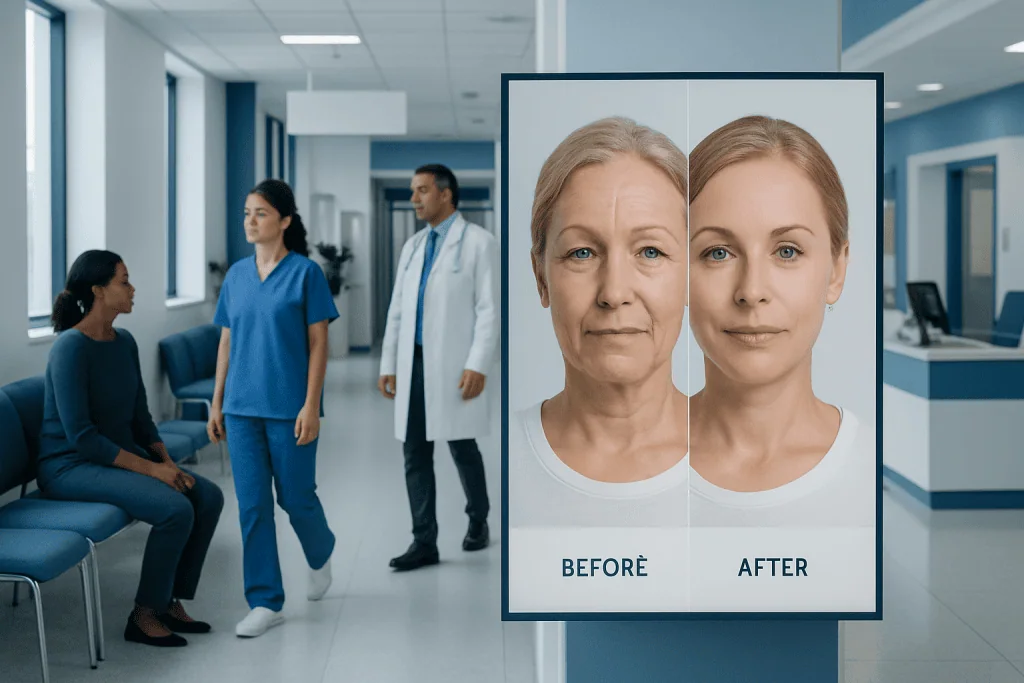
Texture and glow can improve with facial treatments, but results vary by skin type, age, and skin concerns. Mild treatments often give subtle, short-term brightness, while deeper treatments may produce more noticeable change over time.
Key Takeaways
- Texture and glow can improve with facial treatments, but results vary by skin type, age, and skin concerns.
- Mild treatments often give subtle, short-term brightness, while deeper treatments may produce more noticeable change over time.
- Several sessions are often needed for acne scars, uneven tone, enlarged pores, or rough texture.
- Good skincare and sun protection help maintain results and reduce the risk of irritation or pigmentation changes.
- A qualified dermatologist or aesthetic specialist can recommend the safest option based on medical history and skin goals.
Facial treatments can improve skin texture, brightness, and overall smoothness, but realistic results depend on the type of treatment, the starting condition of the skin, and proper aftercare. Most people see the best outcomes as gradual improvement rather than an instant, dramatic transformation.
Overview: What Facial Treatments Can Realistically Change
Facial treatments are commonly used to improve how the skin looks and feels. People often seek them to address dullness, rough texture, visible pores, fine lines, mild pigmentation, acne marks, or uneven tone. In many cases, treatment can make the skin appear fresher, smoother, and more radiant, but expectations should stay realistic. These procedures can enhance the surface of the skin and support healthier-looking skin, yet they do not stop aging or permanently erase all imperfections.
When people look at facial treatments before and after images, it is important to remember that lighting, makeup, camera angle, and the timing of photos can affect the appearance of results. Immediate post-treatment glow may be temporary, especially after hydrating facials or superficial exfoliation. More meaningful changes in texture usually take time because the skin needs to heal, renew itself, and build collagen gradually.
Results also depend on the type of concern being treated. Dry, dull skin may respond quickly to gentle exfoliation and hydration, while acne scarring, deeper wrinkles, or long-standing sun damage often need a series of more advanced procedures. A realistic goal is usually improvement rather than perfection.
Common Types of Facial Treatments for Texture and Glow
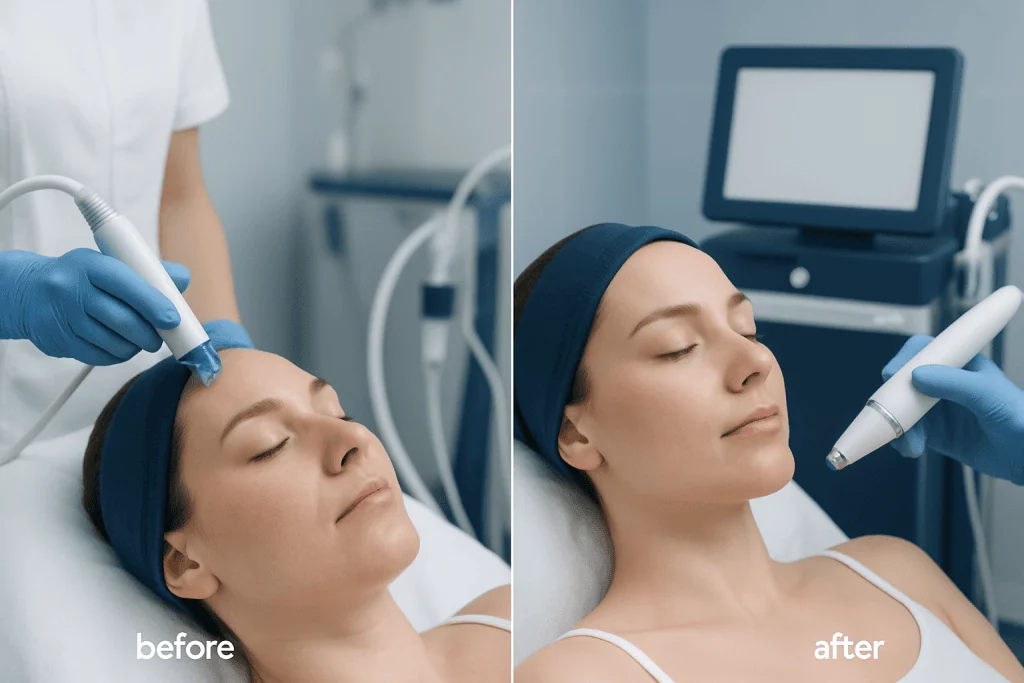
Facial treatments range from gentle skincare procedures to more advanced resurfacing techniques. Basic facials, chemical peels, microneedling, light-based procedures, and laser treatments may all be used to target texture and brightness. The best choice depends on the skin concern, skin tone, sensitivity, and how much downtime a person can manage.
Gentle facials and medical-grade skincare treatments often focus on cleansing, exfoliation, hydration, and temporary radiance. These may help the skin look brighter and feel softer soon after treatment, but the effects are usually subtle and shorter-lasting. They are often used for maintenance rather than major correction.
More intensive procedures can create more visible change. For example, chemical peels remove damaged surface layers to improve tone and roughness, while microneedling stimulates the skin’s repair response and may help with fine lines, mild scarring, and texture. In selected patients, laser skin resurfacing can target uneven texture, sun damage, and signs of aging more deeply. Some people may also benefit from a professional evaluation if texture changes are related to acne or another skin condition rather than cosmetic dryness alone.
- Hydrating or brightening facials: best for temporary freshness and softness
- Superficial chemical peels: useful for mild dullness, uneven tone, and fine texture changes
- Microneedling: often chosen for pores, mild scars, and gradual skin smoothing
- Laser or energy-based treatments: may provide stronger resurfacing for selected concerns
What Before and After Results Usually Look Like
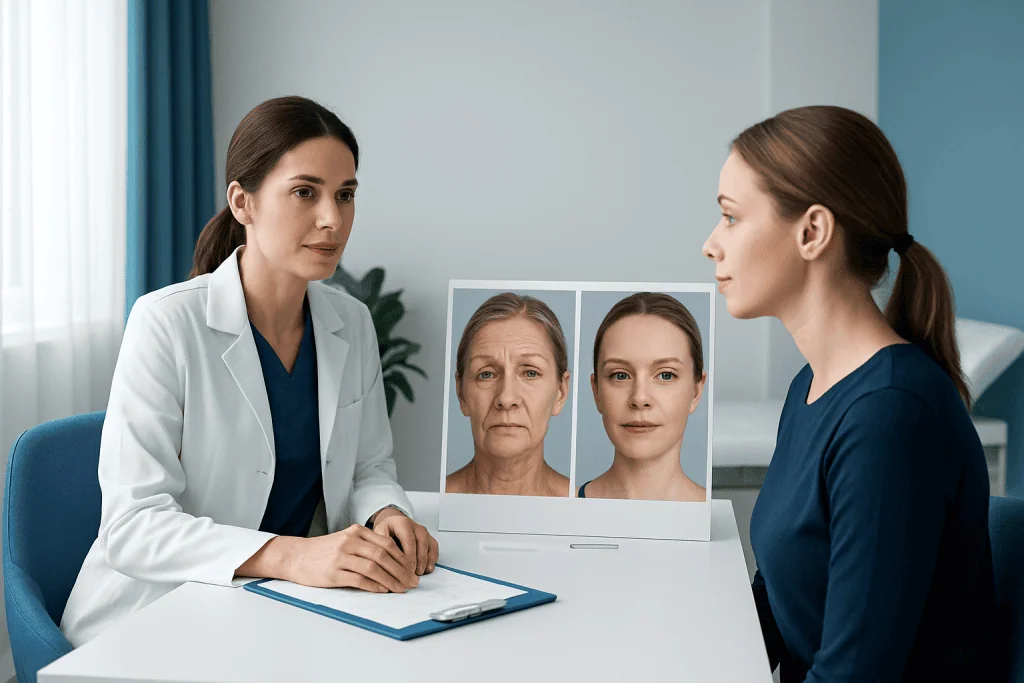
Realistic facial treatment results often include skin that looks more even, feels smoother, and reflects light better. This can create the appearance of “glow.” Fine dryness lines may look softer, makeup may sit better on the skin, and rough patches may become less noticeable. These improvements can be meaningful without looking artificial.
However, before and after changes are usually not dramatic after a single mild treatment. One session may brighten the skin temporarily, especially if exfoliation and hydration are involved, but lasting texture improvement often develops over a series of treatments. This is particularly true for concerns such as acne marks, enlarged pores, or mild scarring.
More advanced treatments can produce clearer differences, but they may also involve redness, peeling, swelling, or recovery time before final results appear. In many cases, the skin can briefly look worse before it looks better because healing is part of the process. A specialist can explain whether expected improvement is subtle, moderate, or more significant for a specific treatment plan.
It is also important to understand limits. Treatments may soften fine lines, improve roughness, and brighten uneven skin, but they cannot completely remove every pore, scar, or sign of aging. For some people, combinations of skincare and procedures work better than any single treatment alone.
Factors That Affect Results
Not everyone will see the same outcome from the same procedure. Skin type, age, sun exposure history, smoking, hormonal influences, hydration, and daily skincare habits all affect healing and visible improvement. A person with mild dullness may see faster glow than someone with deeper scars or chronic inflammation.
Skin tone matters as well, especially when choosing peels, lasers, or stronger resurfacing procedures. Some treatments carry a higher risk of irritation or post-inflammatory pigmentation in darker skin tones if they are not selected carefully. This does not mean effective treatment is impossible, but it does mean individualized planning is important.
Underlying skin conditions can also influence what is realistic. Ongoing breakouts, rosacea, eczema, melasma, or significant sun damage may need specific medical management first. For example, a person with active rosacea may need a gentler approach because some exfoliating or heat-based treatments can increase redness and sensitivity.
Consistency is another major factor. Professional treatments usually work best when supported by a daily routine that includes cleansing, moisturizing, and broad-spectrum sunscreen. Without this foundation, improvements in texture and glow may fade more quickly.
Recovery, Timeline, and Aftercare
Recovery depends on the treatment depth. Light facials may involve little to no downtime, while chemical peels, microneedling, and laser procedures can cause redness, dryness, peeling, or temporary sensitivity. These reactions are often expected and usually improve over days to weeks, depending on the procedure.
Glow may appear quickly after some treatments because surface debris is removed and hydration is improved. Texture changes are often slower. Procedures that stimulate collagen or skin renewal may continue to improve the skin over several weeks or months. This delay can be normal and should be discussed before treatment begins.
Aftercare plays a major role in outcomes. Patients are usually advised to avoid sun exposure, use gentle skincare, keep the skin moisturized, and avoid picking or over-exfoliating. Harsh products used too soon can irritate healing skin and reduce the quality of results.
- Use sunscreen every day, especially after exfoliating or resurfacing procedures
- Follow the clinician’s instructions about cleansing and moisturizers
- Avoid strong acids, retinoids, or scrubs until the skin has recovered
- Do not expect the final result too early after a deeper treatment
Choosing the Right Treatment Safely
The safest and most effective approach starts with a professional skin assessment. A qualified dermatologist or trained aesthetic physician can identify whether concerns are related to dehydration, acne, pigment changes, aging, inflammation, or another issue. This helps match the treatment to the skin rather than choosing a procedure based only on social media trends or edited before and after photos.
During consultation, it is helpful to discuss medical history, medications, prior reactions, pregnancy status, active skin conditions, and recent tanning or sun exposure. These details can change which treatment is appropriate and how likely it is to work well. A careful plan may also reduce the chance of prolonged redness, irritation, or unwanted pigment changes.
People should feel comfortable asking what level of improvement is likely, how many sessions may be needed, and what downtime to expect. Honest guidance usually focuses on achievable progress, not perfection. In suitable cases, a doctor may suggest combining procedures with skincare or discussing options such as Botox if expression lines contribute to an overall tired appearance, though this is different from treating texture itself.
Near the end of the care pathway, some international patients may seek treatment through centers such as Acibadem International, where multidisciplinary specialists in JCI-accredited hospitals evaluate and treat cosmetic and dermatologic concerns with individualized planning.
When to See a Doctor
A doctor should be consulted before facial treatments if a person has very sensitive skin, a history of keloid scarring, frequent cold sores, melasma, active acne flares, rosacea, eczema, recent isotretinoin use, or concerns about unusual pigmentation. Medical guidance is also important for people considering stronger peels, energy-based procedures, or repeat treatments.
After a procedure, prompt review is sensible if redness becomes severe, swelling rapidly worsens, blisters develop, pain is significant, or there are signs of infection such as pus or fever. These problems are not typical after routine care and need professional attention.
It is also worth seeing a doctor when the skin does not improve despite repeated cosmetic treatments. Persistent roughness, redness, scaling, or dark patches can sometimes point to an underlying skin condition rather than a problem that simple facials can fix. A proper diagnosis helps avoid frustration and supports safer, more effective treatment choices.
Frequently asked questions
How long do facial treatment results last?
It depends on the treatment type and the skin concern being addressed. A hydrating facial may give a shorter-lived glow, while collagen-stimulating procedures can produce changes that develop gradually and last longer with good skincare and sun protection.
Can one facial treatment improve texture and glow right away?
A single treatment can sometimes make the skin look brighter and feel smoother, especially if dullness is mild. More noticeable texture improvement usually requires repeated sessions because the skin needs time to renew itself.
Are before and after photos always reliable?
They can be helpful, but they do not always show the full picture. Lighting, angle, facial expression, makeup, and the time since treatment can all influence how dramatic results appear.
Which facial treatment is best for rough skin texture?
There is no single best option for everyone. Gentle peels, microneedling, laser resurfacing, and medical skincare may all help, depending on whether the roughness is caused by dryness, acne scarring, sun damage, or another skin issue.
Do facial treatments remove pores and scars completely?
No treatment can completely erase normal pores, and scars usually improve rather than disappear. Realistic treatment goals focus on making texture look smoother and less noticeable.
Is downtime necessary to get better results?
Not always, but stronger treatments that involve some recovery can sometimes produce more visible changes. The trade-off is that redness, peeling, or sensitivity may occur before the final result appears.
References
- American Academy of Dermatology
- National Health Service
- Mayo Clinic
- British Association of Dermatologists
This article is for general information only and is not a substitute for professional medical advice. Please consult a qualified doctor about your individual situation.
Explore treatments in Turkey — costs, top hospitals & a free quote
JCI-accredited · board-certified surgeons · reply within 24h
Add us as a Preferred Source to see more of our trusted health content across Google Search, AI Overviews and Discover.

More from the Health Library



Related Specialists

Pdg. Tuğçe Er
Podiatry & Foot Health
Dr. Ayşe İrem İskenderoğlu
Aesthetic Plastic & Reconstructive Surgery
Prof. Dr. Serkan Erkanlı
Gynecology & Obstetrics
Prof. Dr. Ayten Ferahbaş Kesikoğlu
Dermatology