Facial Treatments: How to Choose the Right Option for Your Skin Goals

Facial treatments should be chosen based on skin goals, skin type, and medical history. Different treatments work best for concerns such as acne, pigmentation, fine lines, scars, or uneven texture.
Key Takeaways
- Facial treatments should be chosen based on skin goals, skin type, and medical history.
- Different treatments work best for concerns such as acne, pigmentation, fine lines, scars, or uneven texture.
- A professional assessment helps match the safest and most effective option to the individual.
- Some procedures need little recovery time, while others require more aftercare and sun protection.
- Good skincare habits and realistic expectations are important for lasting results.
Facial treatments include a range of professional options designed to improve skin tone, texture, acne, pigmentation, and visible signs of aging. Choosing the right treatment depends on a person’s skin type, main concern, expected downtime, and guidance from a qualified skin specialist.
Overview: What Facial Treatments Are
Facial treatments are professional skin procedures used to improve the appearance and health of the face. They may address concerns such as acne, enlarged pores, uneven skin tone, dark spots, fine lines, wrinkles, redness, dullness, and acne scarring. Some treatments work mainly on the skin’s surface, while others stimulate deeper repair and collagen production.
There is no single “best” facial treatment for everyone. The most suitable option depends on the person’s skin type, the problem being treated, lifestyle, tolerance for downtime, and overall skin sensitivity. What helps one person may irritate another, especially if they have rosacea, eczema, active acne, or a history of pigment changes.
Professional facial treatments can be noninvasive or minimally invasive. Common examples include medical facials, chemical peels, microneedling, laser-based treatments, light-based therapies, and injectables used for facial rejuvenation. In some cases, a doctor may also recommend combining office-based procedures with home skincare for better results.
Because facial skin is delicate and highly visible, a careful and individualized plan is important. A qualified dermatologist or aesthetic physician can explain what each option can realistically achieve, how many sessions may be needed, and what kind of aftercare will support the outcome.
Common Skin Goals and Which Treatments May Help
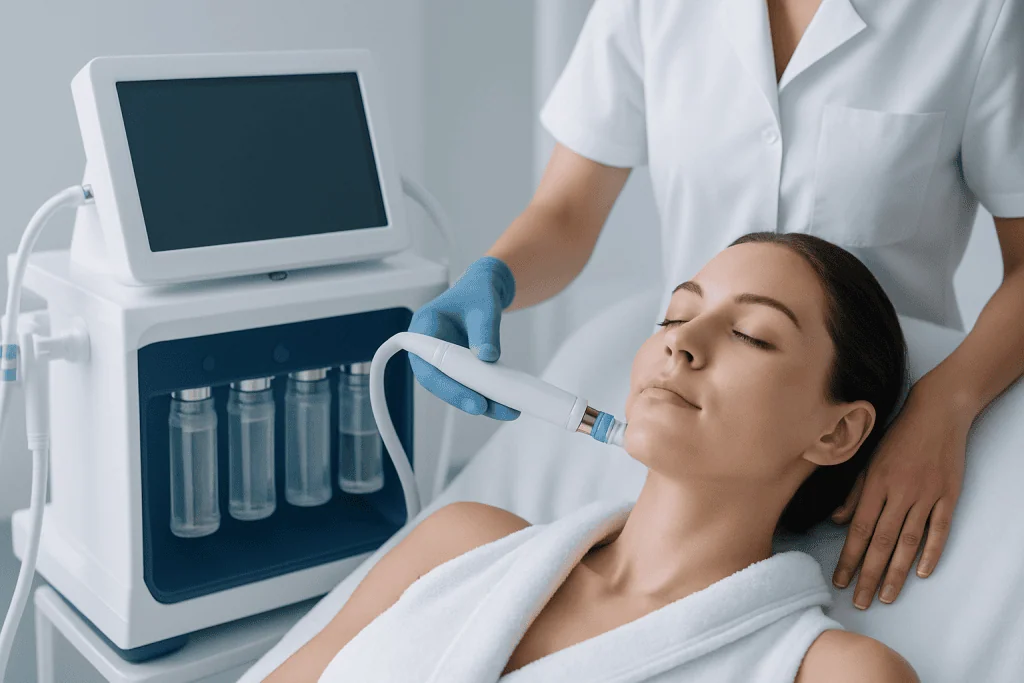
People seek facial treatments for different reasons, and the right procedure usually starts with a clear goal. For dullness, rough texture, and mild congestion, lighter treatments such as medical facials or superficial exfoliation may be enough. These options can refresh the skin and improve product absorption with little downtime.
For acne, clogged pores, post-acne marks, or uneven texture, treatments such as salicylic or glycolic acid peels, extraction-based facials, certain light therapies, and microneedling may be considered. Microneedling is often used to support collagen renewal and can be helpful for acne scars and texture concerns when recommended by a professional.
For pigmentation, sun damage, redness, and visible age-related changes, a doctor may discuss procedures such as chemical peels, intense pulsed light, or laser skin treatments. These approaches can target uneven tone and improve skin clarity, but they must be selected carefully in people with sensitive skin or darker skin tones to reduce the risk of irritation or post-inflammatory hyperpigmentation.
For dynamic wrinkles, volume loss, or deeper facial aging concerns, treatments may extend beyond surface resurfacing. Some people may benefit from a broader facial rejuvenation plan that includes skincare, energy-based procedures, or Botox treatment for expression lines. A specialist can help prioritize treatments based on whether the main concern is tone, texture, movement-related wrinkles, or skin laxity.
How Skin Type and Skin Tone Affect the Choice

Skin type plays a major role in treatment selection. Oily or acne-prone skin may respond well to treatments that reduce pore blockage and excess oil, while dry or sensitive skin often needs gentler approaches that protect the skin barrier. If the skin is easily irritated, stronger exfoliation or heat-based procedures may need to be modified or avoided.
Skin tone is also important. People with medium to deep skin tones may have a higher risk of temporary or longer-lasting pigment changes after some peels and laser procedures. This does not mean such treatments are unsuitable, but it does mean they should be chosen and performed with extra care by professionals experienced in treating a wide range of skin tones.
Current skincare products matter too. Retinoids, exfoliating acids, acne medications, and certain prescription creams can affect how the skin responds to a procedure. A doctor may advise pausing some products before treatment to reduce irritation and support healing.
Medical history should always be reviewed. A tendency to cold sores, a history of keloid scarring, pregnancy, recent tanning, autoimmune skin conditions, or use of medications that affect healing can all influence which facial treatments are safest and most effective.
Popular Facial Treatment Options Explained
Medical facials are customized professional treatments that may include cleansing, exfoliation, extractions, hydration, and soothing masks. They are often used for maintenance, mild congestion, and improving overall skin freshness. While generally gentle, they still need to be tailored carefully for acne, rosacea, or very sensitive skin.
Chemical peels use controlled acids to remove damaged surface cells and encourage new skin turnover. Superficial peels are often used for mild acne, dullness, and uneven tone, while medium-depth peels may address more noticeable pigmentation and fine lines. The intensity of peeling and downtime varies, so the right peel depends on both the skin concern and tolerance for recovery time.
Microneedling uses fine needles to create tiny controlled skin injuries that stimulate repair and collagen production. It is commonly used for acne scars, enlarged pores, fine lines, and texture irregularities. Results are usually gradual and often develop over a series of sessions rather than after one treatment.
Laser and light-based treatments can target pigment, blood vessels, redness, sun damage, scars, and signs of aging. Different devices work in different ways, so they are not interchangeable. Some lasers focus on resurfacing, while others target color changes or stimulate deeper tightening. People exploring options for concerns such as acne marks or rosacea-related redness should have a detailed consultation to find the most appropriate approach.
- Best for mild refresh: medical facials, gentle exfoliation
- Best for texture and scars: microneedling, selected lasers
- Best for pigment and sun damage: peels, light-based or laser treatments
- Best for expression lines: neuromodulator treatments such as Botox when clinically appropriate
What to Expect During Consultation, Treatment, and Recovery
A consultation usually begins with a review of skin concerns, skincare routine, medical history, previous procedures, and daily sun exposure. The clinician will examine the skin closely and may discuss what improvement is realistic, how many sessions may be needed, and whether combination treatment is likely to be more effective than a single procedure.
During treatment, the experience depends on the method used. A facial may feel relaxing, while microneedling, peels, and laser procedures can cause temporary warmth, stinging, or mild discomfort. Some treatments require numbing cream or cooling measures. The appointment may be short, but preparation and post-treatment instructions are an important part of the process.
Recovery varies widely. Gentle facials may cause little to no downtime, whereas peels and laser resurfacing can lead to redness, tightness, dryness, peeling, or swelling for several days or longer. Following aftercare instructions closely is essential to support healing and reduce the chance of irritation or pigmentation problems.
Sun protection is one of the most important parts of recovery. Freshly treated skin is often more sensitive to sunlight, and unprotected exposure can worsen inflammation and lead to uneven pigmentation. A doctor will usually recommend avoiding harsh products, picking at the skin, and returning gradually to active skincare ingredients.
How to Choose the Right Option Safely
The safest way to choose among facial treatments is to start with the main concern rather than the most popular procedure. For example, acne and clogged pores may need a different strategy from melasma, redness, or skin laxity. A treatment that is effective for one issue may do very little for another.
It is also helpful to consider downtime, budget, and maintenance. Some treatments provide subtle improvement with little disruption, while others may offer stronger results but require more recovery time or a series of sessions. Understanding this balance can help people choose a plan that fits daily life and expectations.
Qualified providers should explain possible benefits, limitations, side effects, and alternatives in plain language. Red flags include one-size-fits-all recommendations, pressure to undergo unnecessary procedures, or advice that ignores skin sensitivity, tone, or medical history. Patch testing or conservative treatment settings may be appropriate in selected cases.
Near the end of the decision process, some patients benefit from care in centers with access to multiple specialties, especially if they have complex skin concerns or want combined approaches. Acibadem International’s multidisciplinary specialists and JCI-accredited hospitals evaluate and treat international patients with personalized facial treatment plans when appropriate.
Aftercare, Prevention, and Long-Term Skin Health
Facial treatments usually work best when combined with consistent skincare and sun protection. Daily use of a broad-spectrum sunscreen, gentle cleansing, and regular moisturization can help maintain results and protect the skin barrier. For many people, prevention is as important as treatment, especially when pigmentation or sun damage is a concern.
Home products should match the skin’s needs. Some people benefit from ingredients such as retinoids, niacinamide, azelaic acid, antioxidants, or carefully selected exfoliants, but these should be introduced thoughtfully, especially after procedures. Overusing active products can weaken the skin barrier and increase irritation rather than improve results.
Lifestyle habits also affect skin appearance and healing. Adequate sleep, smoking avoidance, stress management, and balanced nutrition support overall skin function. While no lifestyle change can replace a procedure, healthy habits can help preserve improvements and reduce future damage.
Follow-up visits are useful when treatments are performed in a series or when skin concerns change over time. If the skin reacts unexpectedly, becomes very inflamed, or develops prolonged pigment changes, professional review is important. Ongoing guidance helps refine the plan and keeps treatment both effective and safe.
When to Seek Professional Advice
Professional advice is recommended before starting facial treatments if a person has persistent acne, unexplained facial redness, recurrent rashes, dark patches that worsen easily, sensitive skin, or a history of poor healing. A skin specialist can determine whether the issue is cosmetic, medical, or a combination of both.
It is especially important to seek assessment before stronger peels, microneedling, or laser procedures if there is a history of melasma, cold sores, keloids, recent isotretinoin use, or significant sun exposure. These factors can affect treatment safety and the likelihood of side effects.
Medical review is also advisable if over-the-counter skincare has not helped, if breakouts are leaving scars, or if facial aging concerns involve deeper structural changes rather than only surface texture. In some cases, a more complete plan may be needed to address underlying skin disease or to set realistic expectations.
A timely consultation can prevent unnecessary irritation and help avoid spending time and money on treatments that are unlikely to match the person’s goals. A qualified clinician can guide the process step by step and recommend the most suitable option for the individual skin profile.
Frequently asked questions
How do facial treatments differ from a regular spa facial?
Facial treatments performed in a medical setting are usually chosen to address specific skin concerns such as acne, pigmentation, scarring, or signs of aging. They may use stronger or more targeted techniques than a standard spa facial and are guided by a trained clinician.
Which facial treatment is best for acne scars?
There is no single best option for every type of acne scar. Microneedling, certain lasers, and some resurfacing procedures are commonly used, but the ideal choice depends on scar type, skin tone, and whether active acne is still present.
Are facial treatments safe for sensitive skin?
Many facial treatments can be adapted for sensitive skin, but the approach should be cautious and individualized. A professional assessment helps identify triggers, avoid overly aggressive procedures, and choose products and aftercare that protect the skin barrier.
How many sessions are usually needed?
This depends on the concern being treated and the type of procedure. Some people notice improvement after one session, while others need a series of treatments for more meaningful or lasting results.
Can darker skin tones have chemical peels or laser treatments?
Yes, but treatment selection and technique are especially important. An experienced clinician can choose safer settings and suitable devices or peel types to reduce the risk of post-inflammatory hyperpigmentation or other unwanted effects.
What should be avoided after a facial treatment?
Aftercare often includes avoiding direct sun, harsh exfoliants, picking at the skin, and using irritating active ingredients for a period recommended by the clinician. The exact instructions vary by procedure, so it is important to follow professional guidance closely.
References
- American Academy of Dermatology
- National Health Service
- British Association of Dermatologists
- American Society for Dermatologic Surgery
- Mayo Clinic
This article is for general information only and is not a substitute for professional medical advice. Please consult a qualified doctor about your individual situation.
Explore treatments in Turkey — costs, top hospitals & a free quote
JCI-accredited · board-certified surgeons · reply within 24h
Add us as a Preferred Source to see more of our trusted health content across Google Search, AI Overviews and Discover.

More from the Health Library



Related Specialists

Fzt. Munise Nilay Güven
Physical Medicine & Rehabilitation
Dr. Deniz Sebzeçi
Internal Medicine
Assoc. Prof. Dr. Serap Aktaş Yıldırım
Anesthesiology
Dr. Şeyma Cüneydi
Pediatrics