Fat Grafting: What Patients Need to Know

Fat grafting uses a person’s own fat, usually collected through liposuction, processed, and placed into another area. It may be used to add volume to the face, breasts, buttocks, hands, scars, or areas affected by injury or surgery.
Key Takeaways
- Fat grafting uses a person’s own fat, usually collected through liposuction, processed, and placed into another area.
- It may be used to add volume to the face, breasts, buttocks, hands, scars, or areas affected by injury or surgery.
- Some of the injected fat is naturally reabsorbed, so the final result develops gradually and may not fully match the initial post-procedure appearance.
- Recovery involves healing at both the donor area and the treated area, with aftercare tailored to the body site.
- Fat grafting has risks, including unevenness, infection, fat necrosis, and rare but serious complications in certain procedures.
- A consultation with an appropriately trained plastic or reconstructive surgeon is important for assessing suitability and discussing realistic goals.
Fat grafting, also called fat transfer, is a procedure that removes fat from one area of the body and injects it into another area that needs added volume or contour support. It can be used for cosmetic or reconstructive purposes, but results depend on healing, the amount of transferred fat that survives, and careful assessment by a qualified surgeon.
Overview: What Is Fat Grafting?
Fat grafting is a procedure in which fat is taken from one part of the body and placed into another. It is also known as fat transfer, autologous fat transfer, or lipofilling. The procedure may restore volume, soften contour changes, improve the appearance of selected scars, or support reconstruction after trauma, surgery, or some cancer treatments.
The process usually involves three stages: collecting fat with liposuction, preparing the collected tissue, and injecting small amounts into the chosen treatment area. Common donor areas include the abdomen, thighs, flanks, or hips. Common recipient areas include the cheeks, temples, lips, under-eye region, hands, breasts, buttocks, and localized contour depressions.
Because the transferred tissue comes from the patient, fat grafting does not use a synthetic implant or manufactured filler. However, it is still a surgical procedure and requires thoughtful planning. Not all transferred fat develops a lasting blood supply, so a portion may be reabsorbed by the body during healing.
Why Fat Grafting May Be Considered

In aesthetic care, fat grafting may be considered for people seeking subtle, natural-feeling volume enhancement or contour refinement. It can be used alone or combined with procedures such as a facelift, breast reconstruction, scar revision, or body contouring. The best use depends on the person’s anatomy, skin quality, available donor fat, and goals.
In reconstructive care, it may help address tissue changes after injury, congenital differences, previous surgery, radiation therapy, or breast reconstruction. Surgeons may use fat grafting to improve contour irregularities or tissue quality in carefully selected cases. A treatment plan may require more than one session when a larger volume change is desired or when initial fat retention is limited.
Fat grafting is not a weight-loss procedure. Although fat is removed from a donor area, liposuction performed for grafting is generally intended to obtain tissue rather than produce major body reshaping. It also cannot reliably correct every type of asymmetry, loose skin, or deep structural concern.
How the Procedure Is Performed
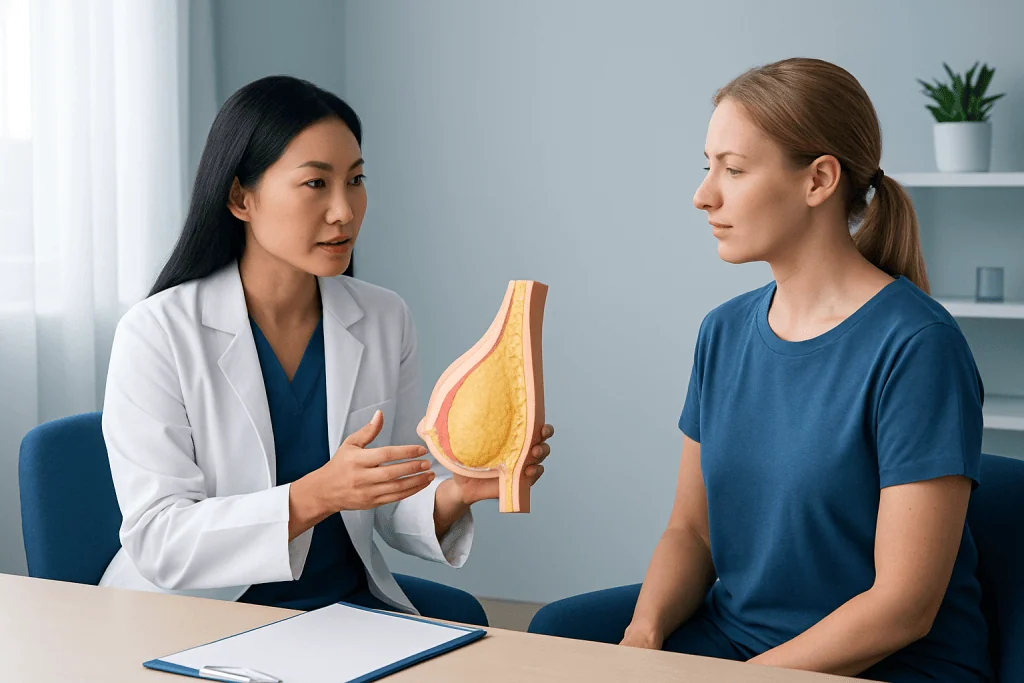
Fat grafting is performed in a clinic, surgical center, or hospital setting, depending on the treatment area and the extent of the procedure. Local anesthesia with sedation or general anesthesia may be used. The surgeon discusses the anesthesia approach before treatment based on the planned procedure and the patient’s health.
First, fat is gently removed from a donor area through small incisions using liposuction techniques. The collected material is then prepared to separate usable fat cells from fluid, blood, and other components. Finally, the surgeon places small amounts of fat through fine cannulas in multiple layers of the recipient area. This layering approach is designed to promote contact with surrounding blood supply and support graft survival.
The length of the procedure varies widely. A small facial fat transfer may take less time than larger-volume body or reconstructive treatment. Patients should ask what the procedure includes, whether any related procedures are planned, and what recovery restrictions apply to both donor and recipient sites.
Results, Fat Survival and Recovery
Swelling, bruising, tenderness, and temporary numbness can occur in both the donor and recipient areas. Early swelling may make the treated area look fuller than the eventual outcome. The appearance settles gradually over weeks, while the longer-term result becomes clearer over several months as healing progresses and some fat is naturally reabsorbed.
Fat that survives the healing period may provide a durable change. However, long-term volume can still be influenced by aging, changes in body weight, hormones, and the characteristics of the treated area. Surgeons cannot predict the exact percentage of fat that will remain in every individual, which is why a touch-up procedure may sometimes be discussed.
Aftercare depends on the area treated. Patients may need compression garments for liposuction donor sites, while pressure on a grafted area may need to be limited for a period of time. The surgical team may also advise avoiding strenuous activity, smoking, and certain medications or supplements that can increase bleeding risk. Following individualized instructions is an important part of recovery.
Most people can return to light daily activities within a timeframe advised by their surgeon, but recovery varies. More extensive procedures may involve a longer period away from work, exercise, travel, or activities that put pressure on the treated area. Follow-up visits allow the team to monitor wound healing, swelling, and contour changes.
Risks and Safety Considerations
As with any surgical procedure, fat grafting has potential risks. These include bleeding, infection, fluid collection, prolonged swelling, pain, changes in skin sensation, scarring, contour irregularity, asymmetry, and dissatisfaction with the cosmetic result. Fat may form firm areas if it does not survive normally, a process sometimes called fat necrosis; calcifications or cysts can also occur in some settings.
Rare but serious complications can occur when fat enters blood vessels. This risk is particularly important in procedures involving large-volume fat injection into the buttocks. Safe technique, appropriate patient selection, and use of current professional safety guidance are essential. Patients considering gluteal fat grafting should specifically discuss the surgeon’s training, the injection approach, the surgical setting, and safety protocols.
Smoking or nicotine exposure can interfere with blood flow and healing, potentially reducing graft survival and increasing complication risk. Certain medical conditions, medications, bleeding disorders, poorly controlled diabetes, active infection, or a history of clotting problems may also affect whether and how a procedure can be performed. A complete medical history and pre-procedure evaluation are necessary.
Fat grafting should be performed by a properly qualified surgeon working within an appropriate regulated clinical environment. Patients should feel comfortable asking about the clinician’s relevant training, experience with the planned body area, expected follow-up, and how complications would be managed if they arise.
Preparing for Fat Grafting and Supporting Healing
Preparation starts with a consultation that clarifies the reason for treatment and the desired change. The surgeon examines the donor and recipient areas, reviews medical history, medications, allergies, past operations, and smoking or nicotine use. Photographs or imaging may be used for planning and to help establish a realistic baseline.
Patients are generally advised to maintain a stable weight before and after treatment, as significant weight fluctuations can affect donor areas and the volume of surviving grafted fat. A balanced diet, adequate hydration, and good management of chronic health conditions can support general recovery. A surgeon may recommend pausing certain medicines, vitamins, or herbal products when clinically appropriate, but patients should never stop prescribed treatment without advice from the prescribing clinician.
Arranging support after surgery can make the first days of recovery easier. This may include transportation home, help with childcare or household tasks, and time away from demanding activities. Patients should receive clear instructions about wound care, bathing, garments, activity levels, sun protection for healing scars, and when to contact the clinical team.
When to Seek Medical Care
Patients should contact their surgical team promptly if they develop increasing rather than improving pain, spreading redness, warmth, drainage from an incision, fever, significant swelling on one side, or a sudden change in the appearance of the treated area. These symptoms do not always indicate a serious problem, but they need timely professional assessment.
Urgent medical care is needed for chest pain, shortness of breath, fainting, confusion, new weakness, severe headache, sudden vision changes, or other unexpected severe symptoms after surgery. These symptoms can have many causes and should not be managed at home.
Anyone considering fat grafting can benefit from a consultation with a qualified plastic or reconstructive surgeon before making a decision. Acibadem International’s multidisciplinary specialists and JCI-accredited hospitals provide assessment and treatment planning for international patients seeking reconstructive or aesthetic care.
Frequently asked questions
Is fat grafting permanent?
Some transferred fat is reabsorbed during the first months after the procedure, while fat that survives and establishes a blood supply may remain for years. Results can still change with natural aging and major weight changes. A surgeon may discuss the possibility of an additional session if more volume is desired.
Is fat grafting safer than dermal fillers?
Fat grafting and dermal fillers are different treatments with different benefits and risks. Fat grafting is a surgical procedure requiring fat harvesting and recovery, while many fillers are placed in an office setting and are temporary. The safest and most appropriate option depends on the treatment area, goals, medical history, and clinician’s assessment.
Does fat grafting leave scars?
Small scars can occur at liposuction entry points and injection sites. Surgeons usually place these incisions in less noticeable locations when possible. Scars often fade with time, but their final appearance varies between individuals.
How much downtime is needed after fat grafting?
Downtime depends on the amount of fat transferred and the areas treated. Bruising and swelling are common, and people may need to limit strenuous activity and pressure on the treated area for a period advised by their surgeon. More extensive procedures generally require a longer recovery than small facial treatments.
Can fat grafting be used after breast cancer treatment?
Fat grafting may be used as part of breast reconstruction or to address contour changes after surgery in selected patients. Decisions should be coordinated with the reconstructive surgeon and oncology team, particularly when cancer treatment is ongoing or recently completed. The timing and suitability are individualized.
Who may not be a suitable candidate for fat grafting?
People with active infection, uncontrolled medical conditions, significant bleeding risk, insufficient donor fat, or ongoing nicotine use may need to postpone or avoid the procedure. Suitability also depends on whether the desired change can realistically be achieved with fat transfer. A thorough medical evaluation is the best way to determine this.
References
- American Society of Plastic Surgeons
- U.S. Food and Drug Administration
- International Society of Aesthetic Plastic Surgery
- British Association of Plastic, Reconstructive and Aesthetic Surgeons
This article is for general information only and is not a substitute for professional medical advice. Please consult a qualified doctor about your individual situation.
Fat Grafting in Turkey — costs, top hospitals & a free quote
JCI-accredited · board-certified surgeons · reply within 24h
Add us as a Preferred Source to see more of our trusted health content across Google Search, AI Overviews and Discover.