Fecal Microbiota Transplant: Procedure, Recovery and Results

FMT is primarily used to prevent further episodes of recurrent C. difficile infection after appropriate antibiotic treatment. Donor material is rigorously screened, but FMT still carries potential risks and should be performed under specialist supervision.
Key Takeaways
- FMT is primarily used to prevent further episodes of recurrent C. difficile infection after appropriate antibiotic treatment.
- Donor material is rigorously screened, but FMT still carries potential risks and should be performed under specialist supervision.
- Most people resume usual light activities within a day or two, while bowel habits may take several weeks to settle.
- A healthy, varied diet and careful antibiotic use can support recovery, but there is no single required FMT diet.
- C. difficile can return after FMT, so new or worsening diarrhea should be discussed promptly with a clinician.
Fecal microbiota transplant (FMT) is a procedure that introduces screened donor stool into the bowel to help restore a healthier gut microbiome. It is used most often for recurrent Clostridioides difficile (C. diff) infection when standard antibiotic treatment has not prevented the infection from returning.
Fecal Microbiota Transplant: What It Is and How It Works
Fecal microbiota transplant, also called FMT or a fecal transplant, transfers processed stool from a carefully screened healthy donor into a patient’s digestive tract. The goal is to replace a disrupted community of intestinal microorganisms, often called the gut microbiome, with a more diverse and balanced one. This can help the bowel resist harmful organisms that have overgrown after illness or antibiotic exposure.
FMT is best established for recurrent Clostridioides difficile infection, commonly shortened to C. diff. C. diff can cause frequent watery diarrhea, abdominal cramping, fever and dehydration, and it may recur after antibiotic treatment. FMT is generally considered after a person has had repeated episodes despite appropriate standard therapy, rather than as a first treatment for uncomplicated diarrhea.
Different delivery methods may be used, including colonoscopy, enema, capsules swallowed by mouth, or a tube placed into the digestive tract. The most appropriate method depends on the person’s medical history, bowel condition, ability to undergo sedation, local regulations and the treating team’s experience. FMT is not a general-purpose detoxification treatment and is not routinely recommended for conditions such as irritable bowel syndrome, obesity, autism or inflammatory bowel disease outside carefully selected clinical settings or research.
Who May Be a Candidate for FMT?
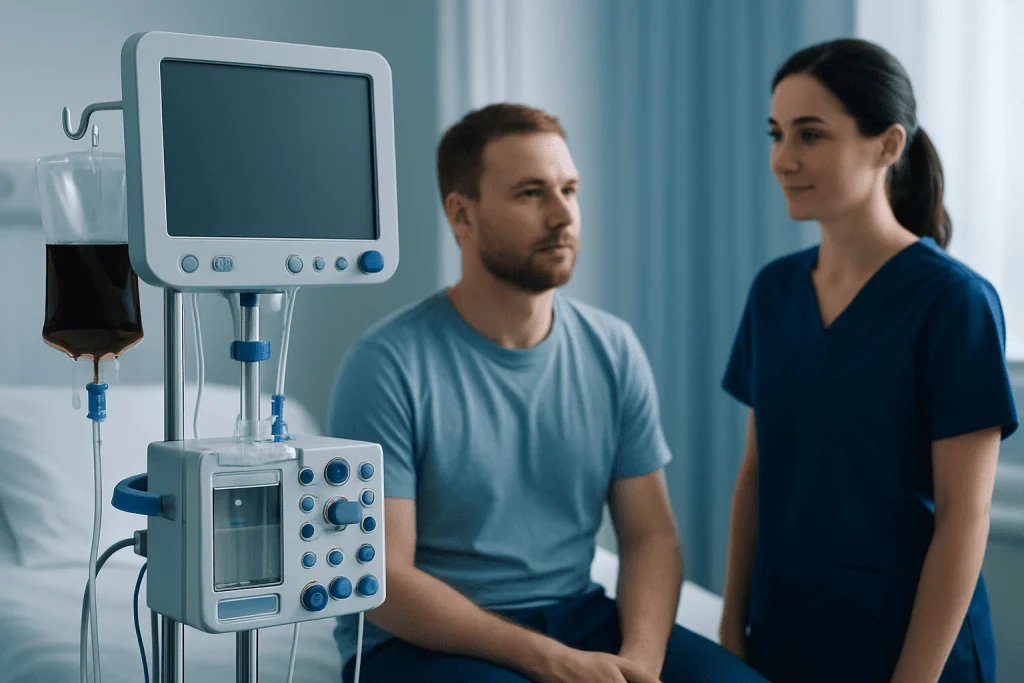
A gastroenterologist or infectious disease specialist assesses whether FMT is suitable. The clearest indication is recurrent C. diff infection, particularly when symptoms return after recommended antibiotic courses. The team confirms that current symptoms are likely caused by C. diff and considers other explanations for diarrhea, such as medication effects, inflammatory bowel disease, food intolerance or another infection.
Before treatment, clinicians review the person’s medical history, current medicines, immune status, allergies and previous bowel procedures. People with severe immune suppression, serious underlying illness, advanced liver disease or a high risk of complications from colonoscopy or sedation may need additional precautions. In some circumstances, another treatment approach may be safer or more suitable.
Donor selection is an essential safety step. Donors undergo detailed health questionnaires and laboratory testing for potentially transmissible infections and other risk factors. Stool is processed according to established safety protocols before use. Patients should avoid informal or unsupervised donor stool products, because insufficient screening can expose them to significant infection risks.
FMT Procedure: Step by Step

Preparation begins with a specialist consultation and testing to confirm the diagnosis. Many patients take an antibiotic directed at C. diff before FMT, then stop it at a time specified by the clinician so the transplanted microorganisms have the best opportunity to establish themselves. If FMT is being given by colonoscopy, a bowel-cleansing preparation is usually required beforehand.
For colonoscopy-based FMT, the patient may receive sedation. A flexible camera is passed through the rectum and colon, allowing the clinician to inspect the bowel when needed and place the prepared donor material into the colon. The procedure itself commonly takes less than an hour, although preparation, admission and recovery from sedation make the visit longer.
Capsule-based FMT involves swallowing specially prepared capsules under medical guidance. This avoids colonoscopy and sedation for some suitable patients, but may not be appropriate for everyone. Enema delivery and upper digestive tract delivery are used in selected situations. The treating team explains the expected benefits, alternatives and method-specific risks before the procedure.
After delivery, patients are observed for a period determined by the route used and their overall health. Those receiving sedation need someone to accompany them home and should not drive, make important decisions or operate machinery until the sedative effects have fully worn off.
Recovery Timeline and Aftercare
How long does it take to recover from a fecal transplant? Many people feel well enough to return to light daily activities within 24 to 48 hours after FMT, especially if no sedation was used. After colonoscopy, temporary tiredness, bloating, gas or mild abdominal cramping may occur for a day or two. Bowel movements can remain different from usual while the digestive system settles.
Over the following days to weeks, diarrhea from C. diff should improve if the treatment is working, although recovery is not always immediate. Some people experience temporary constipation, loose stools, nausea or abdominal discomfort. Follow-up is important because the care team needs to distinguish expected short-term changes from signs of persistent or recurrent infection.
Patients should take medicines only as advised. In particular, they should not restart or stop antibiotics, acid-suppressing medicines, probiotics or anti-diarrheal medicines without asking their clinician. Antibiotics can sometimes be medically necessary, but unnecessary exposure can disturb the gut microbiome and may increase the risk of C. diff returning.
Acibadem International’s multidisciplinary gastroenterology and infectious disease specialists can assess recurrent C. diff and coordinate FMT-related care for international patients at JCI-accredited hospitals.
Benefits, Risks and Expected Results
The main potential benefit of FMT is a reduced chance of another C. diff episode in people whose infection has returned repeatedly. By restoring microbial diversity in the intestine, FMT may help prevent C. diff from regaining dominance after antibiotics have reduced the infection. It is usually part of an overall care plan that includes diagnostic confirmation, appropriate antimicrobial treatment and follow-up.
How successful are fecal transplants? For appropriately selected people with recurrent C. diff, FMT has shown high success rates in clinical studies and practice, with many patients avoiding another recurrence after one treatment. However, outcomes vary according to the person’s health, severity and history of infection, the delivery method and whether future antibiotic use is needed. Some people require repeat treatment or further medical therapy.
Common short-term effects include bloating, gas, nausea, changes in bowel movements and mild abdominal discomfort. Less common but important risks include transmission of an infection from donor material despite screening, aspiration with certain delivery routes, complications related to colonoscopy or sedation, and worsening of an existing bowel condition. Safety standards continue to evolve as more is learned about the microbiome and donor screening.
Can you get C. diff again after a fecal transplant? Yes. FMT lowers recurrence risk but does not guarantee that C. diff will not return. New watery diarrhea, abdominal pain, fever or dehydration after initial improvement should be reported to the medical team, particularly if symptoms persist or occur after taking antibiotics.
What to Eat After FMT
What to eat after FMT? There is no universally required diet after fecal microbiota transplant. Once the person feels able to eat, a gentle, balanced diet is usually appropriate. This may include well-tolerated foods such as soups, rice, potatoes, oats, bananas, cooked vegetables, lean proteins and yogurt or other foods that are suitable for the individual.
As symptoms settle, a varied diet with plant foods and fiber can support general digestive health. However, fiber should be increased gradually if bloating or loose stools are present. Drinking enough fluids is important, particularly after recent diarrhea or bowel preparation. Oral rehydration solutions may be recommended if there has been substantial fluid loss.
For the first days after the procedure, some people prefer to limit foods that clearly worsen their symptoms, such as very fatty meals, heavily spicy foods, excessive alcohol or large amounts of caffeine. Restrictive “microbiome diets,” cleanses and unregulated supplements are not necessary and may not be helpful. Individual dietary advice is especially important for people with diabetes, kidney disease, inflammatory bowel disease, swallowing difficulties or significant weight loss.
When to Seek Medical Care
Patients should contact their treating clinician if diarrhea does not improve, returns after improvement, or becomes more frequent. They should also seek medical advice for persistent vomiting, increasing abdominal pain, fever, marked weakness, reduced urine output or difficulty maintaining fluid intake. These symptoms can have several causes and should not be managed by self-treatment alone.
Urgent medical assessment is needed for severe abdominal pain, a swollen or rigid abdomen, blood in the stool, fainting, confusion, signs of severe dehydration, or an inability to keep fluids down. People who are older, pregnant, immunocompromised or living with serious chronic illness should have a lower threshold for contacting their healthcare team when digestive symptoms change.
Attending scheduled follow-up appointments helps clinicians assess response, review future antibiotic needs and address ongoing bowel symptoms. Keeping a brief record of stool frequency, temperature, abdominal symptoms, dietary tolerance and medicines can be useful during recovery.
Frequently asked questions
Is fecal microbiota transplant the same as a stool transplant?
Yes. Fecal microbiota transplant, fecal transplant and stool transplant are commonly used terms for the same approach. It involves transferring processed, screened donor stool material to restore beneficial intestinal microorganisms.
How long does it take to recover from a fecal transplant?
Many people return to light activities within one or two days, although recovery may be longer after sedation or if they were unwell from C. diff infection. Mild bloating, gas or changes in bowel movements can occur for several days. Bowel habits may take weeks to become more predictable.
Can you get C. diff again after a fecal transplant?
Yes, recurrence remains possible after FMT. The procedure can substantially reduce the likelihood of another episode in suitable patients, but it is not a guarantee. Contact a clinician if watery diarrhea or other concerning symptoms return.
What should a person eat after FMT?
A gentle, balanced diet and adequate fluid intake are generally suitable after FMT. Foods can be expanded gradually according to tolerance, with a focus on a varied diet rather than strict restrictions. A clinician or dietitian can provide individualized advice when symptoms, weight loss or other health conditions are present.
How successful are fecal transplants?
FMT is highly effective for many people with recurrent C. diff infection when used appropriately after standard treatments. Results differ between individuals, and some patients need additional treatment or another FMT. The treating specialist can explain the expected outcome based on the person’s infection history and health status.
Are fecal microbiota transplants safe?
FMT can be performed safely in carefully selected patients when donor screening, stool processing and clinical monitoring follow strict standards. However, it has potential risks, including infection transmission and procedure-related complications. It should only be arranged through qualified medical services, not through unsupervised or homemade products.
References
- U.S. Food and Drug Administration
- Centers for Disease Control and Prevention
- American Gastroenterological Association
- European Society of Clinical Microbiology and Infectious Diseases
- National Institute of Diabetes and Digestive and Kidney Diseases
This article is for general information only and is not a substitute for professional medical advice. Please consult a qualified doctor about your individual situation.
Persistent digestive symptoms? Get evaluated in Turkey
JCI-accredited · board-certified surgeons · reply within 24h
Add us as a Preferred Source to see more of our trusted health content across Google Search, AI Overviews and Discover.