Fecal Transplant: How It Works, Recovery, and What to Expect

Fecal transplant is mainly used for recurrent C. difficile infection that keeps coming back after treatment. The procedure works by restoring beneficial gut microbes and reducing the overgrowth of harmful bacteria.
Key Takeaways
- Fecal transplant is mainly used for recurrent C. difficile infection that keeps coming back after treatment.
- The procedure works by restoring beneficial gut microbes and reducing the overgrowth of harmful bacteria.
- Donor stool is rigorously screened, and the transplant can be delivered by colonoscopy, enema, capsules, or through the upper digestive tract in selected cases.
- Most people recover quickly after the procedure, but follow-up is important to monitor symptoms and response.
- Benefits can be significant, but risks such as infection transmission, digestive upset, and procedure-related complications must be considered.
Fecal transplant is a medical procedure that places carefully screened donor stool into a patient’s digestive tract to restore a healthier balance of gut bacteria. It is used most often for recurrent Clostridioides difficile infection when standard antibiotic treatment has not been enough.
Overview: What Is a Fecal Transplant?
Fecal transplant, also called fecal microbiota transplant (FMT), is a procedure that transfers processed stool from a carefully screened donor into another person’s digestive tract. The goal is to restore a healthier balance of bacteria and other microorganisms in the gut. In current medical practice, it is used most often for recurrent Clostridioides difficile infection, a condition in which harmful bacteria can overgrow after antibiotics disrupt the normal microbiome.
This treatment may sound unusual, but the medical idea is straightforward: a healthy gut microbiome helps protect the bowel from harmful organisms. When that protective community is severely disturbed, replacing it with microbes from a healthy donor may help the intestine recover. In the right patient, fecal transplant can reduce repeated relapses and improve quality of life after ongoing diarrhea, abdominal discomfort, and repeated antibiotic courses.
Fecal transplant is not a home remedy and should only be performed under medical supervision. Donor selection, laboratory screening, preparation, and follow-up are essential for safety. It is usually considered after a doctor confirms the diagnosis and reviews whether other treatments have already been tried.
How Fecal Transplant Works in the Body
The intestine contains trillions of microorganisms that support digestion, immune signaling, and resistance to infection. Antibiotics, severe illness, and hospitalization can sometimes disrupt this balance. In recurrent C. difficile infection, the loss of normal protective bacteria can allow C. difficile to continue growing and producing toxins, even after treatment appears to work temporarily.
Fecal transplant introduces a broad community of microorganisms from a healthy donor into the recipient’s gut. These microbes can help re-establish a more stable intestinal environment. In simple terms, the new microbial community makes it harder for harmful bacteria to dominate and easier for the bowel to return to a healthier state.
Doctors may discuss fecal transplant alongside other digestive evaluations, especially if symptoms overlap with conditions such as Crohn’s disease or ulcerative colitis. However, FMT is not a routine treatment for every digestive disorder, and its role outside recurrent C. difficile infection remains more limited and selective.
Who May Be a Candidate

The clearest and most established use of fecal transplant is for people with recurrent or difficult-to-treat C. difficile infection. A doctor may consider it when symptoms return after appropriate antibiotic treatment, especially after multiple recurrences. Candidates often have repeated bouts of watery diarrhea, abdominal cramping, dehydration, or hospital admissions related to relapse.
Before recommending the procedure, the medical team reviews the patient’s overall health, medications, immune status, and any bowel conditions. People who are severely immunocompromised, critically ill, or who have certain gastrointestinal complications may need especially careful assessment. This is because both the procedure itself and the transfer of donor microbes require a balanced risk-benefit decision.
Evaluation usually includes confirming the diagnosis and ruling out other causes of diarrhea. Some people need additional testing or colonoscopy to assess the colon and exclude other problems. In selected cases, the treatment may be coordinated through a digestive diseases team with expertise in gastroenterology and infectious disease care.
What to Expect: Step-by-Step Procedure
Preparation starts with selecting donor material from a stool bank or another approved source that follows strict screening standards. Donors are screened with questionnaires and laboratory testing to reduce the risk of transmitting infections or other unwanted conditions. The stool is processed into a form that can be delivered safely through the chosen route.
The way fecal transplant is given depends on the person’s condition, local expertise, and the doctor’s judgment. Common routes include colonoscopy, retention enema, capsules swallowed by mouth, or delivery through the upper digestive tract in selected cases. Colonoscopy is often used because it allows direct placement into the colon, where recurrent C. difficile usually causes disease.
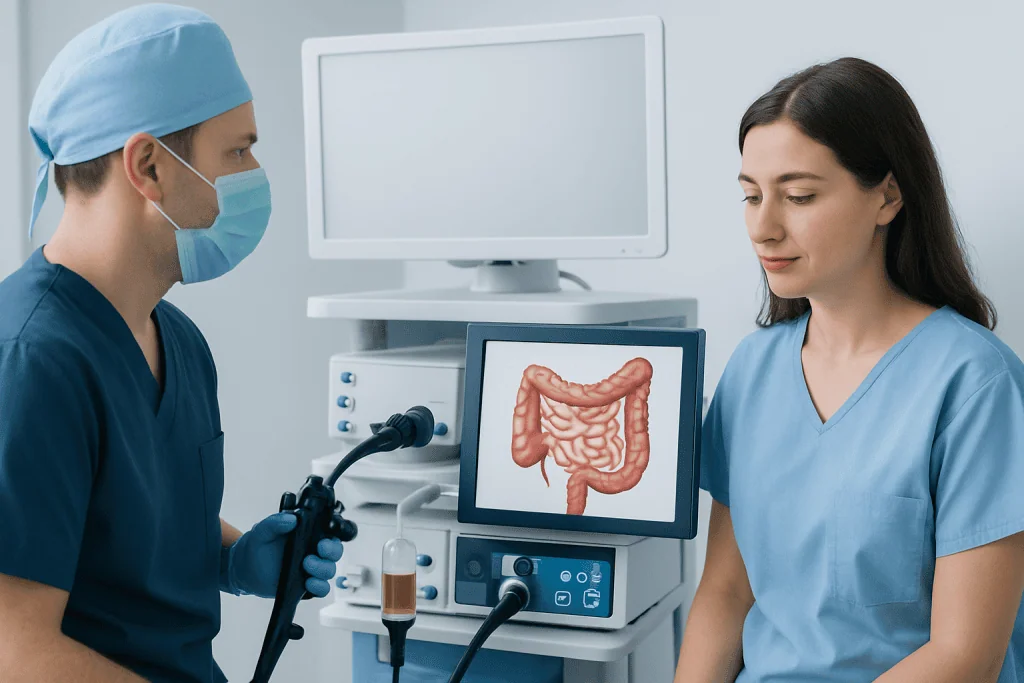
On the day of the procedure, instructions vary depending on the route. If colonoscopy is planned, the patient may need bowel preparation beforehand and sedation during the procedure. During a colonoscopic fecal transplant, the doctor advances the scope through the colon and places the prepared donor material into the bowel. Patients having capsule treatment instead will receive instructions on fasting and swallowing the capsules under supervision.
After the transplant, the team monitors the patient for a short period, especially if sedation was used. Many people go home the same day, although some remain in hospital depending on their health status. The doctor provides guidance on diet, activity, bowel symptoms to watch for, and when follow-up testing or review is needed.
Benefits, Risks, and Possible Side Effects
The main benefit of fecal transplant is the potential to stop the cycle of recurrent C. difficile infection when antibiotics alone have not provided lasting control. For many patients, this can mean fewer relapses, less diarrhea, better hydration, and a reduced need for repeat antibiotic treatment. It may also help people regain strength and confidence after repeated illness.
As with any medical treatment, there are risks. Even with careful donor screening, there remains a possibility of transmitting infections or transferring microbes that do not behave as expected in the recipient. Regulators and professional societies have emphasized that strict screening protocols are essential because rare but serious infectious complications have been reported.
Short-term side effects can include bloating, cramping, gas, mild abdominal discomfort, constipation, or temporary diarrhea. If the transplant is delivered by colonoscopy, there are also the usual procedure-related risks such as bleeding, perforation, or problems related to sedation, although these are uncommon. A doctor will explain the expected benefits and risks based on the individual situation and route of delivery.
Researchers are continuing to study whether fecal transplant may help some other conditions linked to the microbiome. For now, patients should be cautious about claims that it treats a wide range of unrelated illnesses. Decisions should be based on medical evidence, not online trends or unsupervised products.
Recovery Timeline and Self-Care After the Procedure
Recovery after fecal transplant is usually fairly quick, especially when the patient is otherwise stable. People who receive sedation for colonoscopy may feel drowsy for the rest of the day and generally need someone to accompany them home. Mild bloating, cramping, or changes in bowel habits can occur temporarily during the first day or two.
Over the following days to weeks, doctors look for improvement in the main symptoms that led to treatment, especially diarrhea related to recurrent C. difficile infection. Some people notice improvement soon, while others need more time. The medical team may advise avoiding unnecessary antibiotics afterward, since these can disrupt the newly restored gut microbiome.
Self-care typically includes staying hydrated, eating as tolerated, and following the instructions provided by the treating physician. Patients should ask before starting new medicines, probiotics, or supplements. If there is persistent diarrhea, fever, severe abdominal pain, vomiting, blood in the stool, or signs of dehydration, the patient should contact a doctor promptly.
When evaluation or treatment is needed internationally, Acibadem International’s multidisciplinary specialists and JCI-accredited hospitals provide diagnosis and care for complex digestive conditions, including advanced endoscopic assessment such as endoscopy when clinically appropriate.
When to Seek Medical Care
Medical care should be sought if diarrhea is severe, lasts more than a few days, or occurs after recent antibiotic use, especially if there is a history of C. difficile infection. Prompt assessment is also important for fever, dizziness, weakness, inability to keep fluids down, or reduced urination, as these may suggest dehydration or a more serious infection.
After a fecal transplant, patients should contact their doctor urgently if they develop intense abdominal pain, persistent vomiting, a swollen abdomen, blood in the stool, high fever, or worsening diarrhea. These symptoms do not always mean a serious complication, but they should be evaluated without delay.
It is also sensible to seek medical advice if symptoms improve at first and then return. Follow-up helps determine whether the original infection has recurred, whether another bowel condition is present, or whether a different treatment plan is needed. Early review often makes management more straightforward and safer.
Frequently asked questions
What is fecal transplant used for?
Fecal transplant is used most commonly for recurrent C. difficile infection, especially when symptoms keep coming back after standard antibiotic treatment. In this setting, it aims to restore healthy gut bacteria and reduce the chance of further relapse.
Is fecal transplant the same as taking probiotics?
No. Probiotics usually contain a limited number of selected microorganisms, while fecal transplant transfers a much broader community of gut microbes from a screened donor. Because of this, fecal transplant is a medical procedure that requires strict supervision and safety protocols.
How long does it take to recover from a fecal transplant?
Many people recover from the procedure itself within a day or two, particularly if there are only mild temporary digestive symptoms afterward. Improvement in the underlying infection may be noticed over days to weeks, depending on the person’s condition and route of treatment.
Can fecal transplant cure C. diff permanently?
It can be very effective for recurrent C. difficile infection, but no treatment can promise a permanent cure in every case. Some patients do very well after one treatment, while others may need additional monitoring or further therapy if symptoms return.
Are there risks of infection from fecal transplant?
Yes, which is why donor screening is a critical part of the process. Even with screening, there is still some risk of transmitting infections or unexpected microbes, so the procedure should only be done through regulated medical care.
Who should not try fecal transplant on their own?
No one should attempt fecal transplant at home. Unscreened donor material can transmit serious infections, and the person receiving it may also have conditions that make the procedure unsafe without medical evaluation.
References
- U.S. Food and Drug Administration
- Centers for Disease Control and Prevention
- American Gastroenterological Association
- National Institute of Diabetes and Digestive and Kidney Diseases
- Infectious Diseases Society of America
This article is for general information only and is not a substitute for professional medical advice. Please consult a qualified doctor about your individual situation.
Persistent digestive symptoms? Get evaluated in Turkey
JCI-accredited · board-certified surgeons · reply within 24h
Add us as a Preferred Source to see more of our trusted health content across Google Search, AI Overviews and Discover.