Female MS Symptoms: Possible Causes and When to Seek Care

Female MS symptoms may include optic neuritis, sensory changes, fatigue, weakness, balance problems, and bladder symptoms. MS does not cause a unique set of symptoms only in women, but hormonal changes and autoimmune patterns may affect timing and severity.
Key Takeaways
- Female MS symptoms may include optic neuritis, sensory changes, fatigue, weakness, balance problems, and bladder symptoms.
- MS does not cause a unique set of symptoms only in women, but hormonal changes and autoimmune patterns may affect timing and severity.
- Symptoms may appear in episodes or gradually, and heat, stress, infection, or poor sleep can temporarily worsen them.
- Diagnosis relies on medical history, neurological examination, MRI, and sometimes spinal fluid or other tests.
- Prompt medical care is important for new vision loss, one-sided weakness, walking difficulty, or symptoms that last more than 24 hours.
Female MS symptoms often involve vision changes, numbness or tingling, weakness, fatigue, bladder problems, and trouble with balance or thinking. These symptoms can come and go, vary widely from person to person, and should be assessed by a doctor because many other conditions can look similar.
Overview: what female MS symptoms can look like
Female MS symptoms are the signs of multiple sclerosis that women may notice when the immune system affects the brain, spinal cord, or optic nerves. Common examples include blurred or painful vision, numbness, tingling, limb weakness, unusual fatigue, dizziness, bladder urgency, and difficulty with balance or concentration. The pattern is often unpredictable, with symptoms appearing suddenly, improving, and sometimes returning later.
Multiple sclerosis is not a disease with a single “female-only” symptom list. However, MS is diagnosed more often in women than in men, and symptoms may be influenced by hormones, pregnancy, menstruation, sleep, stress, and other health conditions. Because of this, some women first notice symptoms during times when fatigue or body changes might otherwise be blamed on a busy lifestyle, migraine, anxiety, or recovery after childbirth.
One reason the topic can be confusing is that many symptoms are not specific to MS. Numbness may come from a pinched nerve, fatigue may relate to anemia or thyroid disease, and dizziness may have inner ear causes. That is why the goal is not to self-diagnose, but to recognize patterns that deserve medical attention and timely neurological assessment, especially if symptoms persist for more than a day or interfere with daily function.
Common symptoms women may notice first
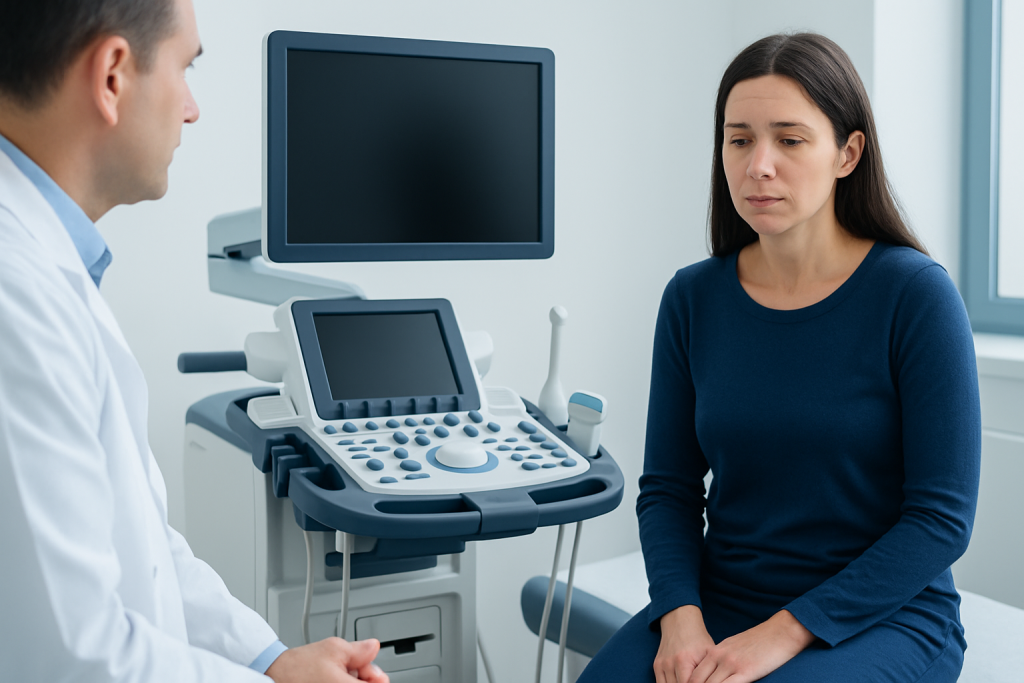
Early MS symptoms often involve the eyes, sensation, and energy level. A woman may develop blurred vision in one eye, eye pain with movement, reduced color vision, or a dark area in the center of vision. Others notice tingling, burning, a “pins and needles” feeling, or numb patches in the face, trunk, arms, or legs. These symptoms can be mild at first and may seem to improve before returning.
Fatigue is one of the most frequent complaints in MS, but it is also one of the easiest to overlook because it can resemble everyday exhaustion. MS-related fatigue is often out of proportion to activity, may worsen in heat, and can affect thinking as well as physical stamina. Some women describe heavy legs, a sudden drop in endurance, or feeling mentally slowed even after rest.
Other possible symptoms include weakness, muscle stiffness, spasms, unsteady walking, dizziness, tremor, or poor coordination. Some women develop bladder urgency, urinary frequency, constipation, sexual discomfort, or difficulty fully emptying the bladder. Problems with memory, multitasking, word-finding, or mood can also occur and deserve attention when they are new or unexplained.
- Vision changes, especially in one eye
- Numbness or tingling
- Weakness or heaviness in an arm or leg
- Marked fatigue
- Balance or walking problems
- Bladder or bowel changes
- Brain fog or slower thinking
How symptoms may differ in women

MS symptoms themselves are broadly similar in women and men, but the context around them may differ. Women are more likely to have other autoimmune conditions, which can complicate the picture and delay diagnosis. Symptoms may also be mistaken for migraine aura, hormone-related changes, vitamin deficiency, anxiety, or postpartum recovery, particularly when they are intermittent or vague at first.
Hormonal shifts can influence symptom perception and day-to-day function. Some women report temporary worsening around menstruation, during infections, or when sleep is poor. Pregnancy often changes immune activity, and symptoms may improve during pregnancy for some people, then feel more active in the months after delivery. This does not mean every symptom change is due to MS, but it is useful information to share with a neurologist.
Pelvic and sexual symptoms may be especially important to discuss, even though they are sometimes underreported. Urinary urgency, leaking, painful intercourse, reduced sensation, or trouble reaching orgasm can all affect quality of life and may have neurological as well as gynecological causes. A careful evaluation can help separate MS-related symptoms from other treatable conditions and guide the most appropriate support.
Possible causes and why symptoms happen
Multiple sclerosis is an immune-mediated disease in which the body attacks myelin, the protective covering around nerve fibers, and can also damage the fibers themselves. When myelin is inflamed or scarred, nerve signals slow down or become disrupted. The symptoms a person feels depend on where this damage occurs, which is why MS can affect vision in one person and walking or bladder control in another.
The exact cause of MS is not fully understood. Experts believe it develops through a combination of genetic susceptibility and environmental influences rather than a single trigger. Factors associated with a higher risk include family history, certain infections such as Epstein-Barr virus, low vitamin D, smoking, and living farther from the equator during early life. These factors do not mean someone will definitely develop MS, but they may help explain why the disease appears.
Importantly, not every flare-like symptom means new inflammation. Heat, fever, stress, or lack of sleep can temporarily worsen old symptoms without creating new damage, sometimes called a pseudo-relapse. Similar symptoms may also come from other neurological or medical conditions, so doctors often consider differential diagnoses such as Parkinson’s disease, migraine, peripheral neuropathy, vitamin B12 deficiency, thyroid disease, stroke, or autoimmune disorders before confirming multiple sclerosis.
How doctors diagnose MS
Diagnosis begins with a detailed history and neurological examination. The doctor asks what symptoms occurred, how long they lasted, whether they came in separate episodes, and whether there were triggers such as heat or infection. The examination may assess eye movements, strength, reflexes, sensation, coordination, and walking to look for signs that different parts of the nervous system are involved.
MRI is one of the most important tests because it can show areas of inflammation or scarring in the brain and spinal cord. Doctors look for evidence that lesions occurred in more than one part of the central nervous system and at different points in time. Depending on the case, additional tests may include blood work to rule out other causes, optical testing of the eyes, evoked potentials, or a lumbar puncture to examine spinal fluid.
Because several conditions can mimic MS, accurate diagnosis matters. A neurologist may recommend MRI scanning and, when needed, neurological rehabilitation assessment to understand how symptoms affect daily function. The aim is not only to confirm or exclude MS, but also to identify symptom-specific needs early so treatment and support can begin promptly.
Treatment options and symptom management
MS treatment usually has three parts: treating relapses, using disease-modifying therapy to reduce future disease activity, and managing ongoing symptoms. During a relapse, doctors may use short-term medication to calm inflammation, depending on severity and the part of the nervous system affected. Long-term disease-modifying treatments are chosen individually based on the disease pattern, MRI findings, other medical conditions, pregnancy planning, and tolerance of side effects.
Symptom management can make a major difference in quality of life. Fatigue may improve with energy-conservation strategies, exercise pacing, sleep assessment, and treatment of contributing issues such as depression or poor sleep. Physical therapy can help with weakness, spasticity, balance, and walking, while occupational therapy may help with hand function and daily activities. Bladder symptoms, pain, mood changes, and cognitive complaints also have targeted treatment approaches.
When symptoms are severe, progressive, or complicated, care often involves a team rather than one specialist alone. Depending on the situation, this may include neurology, ophthalmology, rehabilitation, urology, pain management, or, in selected cases, stem cell transplant evaluation for appropriate candidates under specialist guidance. Near the end of the care pathway, Acibadem International’s multidisciplinary specialists and JCI-accredited hospitals also diagnose and treat MS for international patients.
Self-care, monitoring, and living well with symptoms
Self-care does not replace medical treatment, but it can help reduce symptom burden and improve day-to-day stability. Many women benefit from regular sleep habits, gentle but consistent physical activity, stress management, hydration, and avoiding overheating when heat worsens symptoms. It is also helpful to keep a symptom diary that notes timing, duration, associated triggers, and whether a symptom is truly new or a return of a previous problem.
Smoking cessation is especially important because smoking is linked with worse MS outcomes. A balanced diet, vitamin monitoring when advised by a doctor, and staying up to date with routine medical care can support overall health. Treating common contributors such as anemia, thyroid disease, low vitamin levels, urinary infections, or mood disorders can also improve how a person feels, even if MS is already diagnosed.
Practical support matters too. Cooling strategies, mobility aids when needed, scheduled rest breaks, and workplace or school accommodations can reduce strain and preserve independence. Some people also benefit from physical therapy and rehabilitation programs that focus on endurance, posture, gait, and fall prevention tailored to neurological symptoms.
When to seek medical care
A woman should seek medical care if she develops new neurological symptoms that last more than 24 hours, especially if there is vision loss, double vision, one-sided weakness, trouble walking, persistent numbness, severe dizziness, or loss of bladder control. Even symptoms that seem mild should be checked if they are unusual, recurrent, or interfere with daily activities. Early evaluation helps clarify whether the cause is MS or another condition that also needs treatment.
Urgent care is important for sudden severe weakness, facial drooping, trouble speaking, chest pain, or sudden confusion because these can suggest stroke or other emergencies rather than MS. Fever with worsening symptoms may point to infection, which can temporarily aggravate old neurological problems and needs treatment. If there is eye pain with rapid vision change, prompt assessment is also recommended.
For people already diagnosed with MS, contacting the care team is sensible when symptoms are clearly new, steadily worsening, or not improving after a trigger such as heat or poor sleep has passed. Clear communication about timing, severity, and impact on mobility, vision, or bladder function helps clinicians decide whether urgent treatment, medication adjustment, or further testing is needed.
Frequently asked questions
What are the earliest female MS symptoms?
Early female MS symptoms often include blurred vision, eye pain, numbness, tingling, unusual fatigue, and balance problems. Some women also notice weakness, bladder urgency, or trouble concentrating. These symptoms are not unique to MS, so medical assessment is important.
Are MS symptoms different in women than in men?
The core neurological symptoms of MS are similar in women and men. However, women may experience symptom changes around menstruation, pregnancy, or postpartum periods, and some symptoms may be mistaken for hormone-related or gynecological issues. This can sometimes affect how quickly MS is recognized.
Can female MS symptoms come and go?
Yes. MS symptoms can appear in episodes, improve partially or fully, and later return or be replaced by different symptoms. Heat, stress, infection, and fatigue can also temporarily worsen existing symptoms without representing a new relapse.
Does fatigue alone mean a woman has MS?
No. Fatigue is common in MS, but it is also very common in many other conditions such as anemia, thyroid disease, sleep problems, depression, and chronic stress. Fatigue becomes more concerning when it occurs with other neurological symptoms like numbness, vision changes, or weakness.
When should someone worry about possible MS symptoms?
A person should seek medical advice if new neurological symptoms last more than 24 hours, recur, or affect vision, walking, strength, or bladder control. Urgent assessment is needed for sudden severe weakness, speech difficulty, or facial drooping because these may signal an emergency such as stroke.
How is MS confirmed?
MS is usually diagnosed by combining medical history, neurological examination, and MRI findings. Blood tests may be used to exclude similar conditions, and some people also need a lumbar puncture or other neurological tests. Diagnosis is based on evidence that different parts of the central nervous system have been affected over time.
References
- National Institute of Neurological Disorders and Stroke
- National Multiple Sclerosis Society
- Mayo Clinic
- MS International Federation
- National Health Service
This article is for general information only and is not a substitute for professional medical advice. Please consult a qualified doctor about your individual situation.
Joint and spine care in Turkey — expert assessment & treatment
JCI-accredited · board-certified surgeons · reply within 24h
Add us as a Preferred Source to see more of our trusted health content across Google Search, AI Overviews and Discover.

More from the Health Library



Related Specialists

Dr. Nazife Kartal Kara
Gynecology & Obstetrics
Prof. Dr. Fatih Ata Genç
General Surgery
Prof. Dr. Selçuk Sızmaz
Ophthalmology
Prof. Dr. A. Sibel Erdamar Çetin
Gastrointestinal Oncology Unit Clinical Service