Female’s: An Evidence-Based Guide for Patients

Female's is generally a grammar term, not a disease or medical diagnosis. In healthcare, wording matters because respectful, precise terms can improve understanding.
Key Takeaways
- Female's is generally a grammar term, not a disease or medical diagnosis.
- In healthcare, wording matters because respectful, precise terms can improve understanding.
- Women's health is broader than reproductive care and includes heart, bone, mental, hormonal, and preventive health.
- Symptoms such as pelvic pain, abnormal bleeding, breast changes, or urinary problems should be assessed by a clinician.
- Routine screening and preventive visits help detect many health issues early.
Female's is usually the possessive form of the word female, not a medical condition or diagnosis. In health information, it may appear in phrases such as “female's hormones,” but clearer wording like “women's health” or “female health” is often more accurate, natural, and patient-friendly.
Overview: what “female's” means in health content
The term female’s most often represents the possessive form of the word female, as in “female’s hormones” or “female’s reproductive system.” On its own, it is not the name of a disease, symptom, or medical specialty. Many people who search this term are looking for information about women’s health, female anatomy, or the meaning of the word in a medical context.
In patient education, clear language matters. Health professionals often prefer phrases such as women’s health, female reproductive health, or the exact body system being discussed, because these terms are more specific and usually easier to understand. This is especially important when discussing screening, symptoms, diagnosis, and treatment.
Women’s health is not limited to periods, pregnancy, or menopause. It also includes heart health, bone strength, urinary health, mental well-being, sexual health, skin changes, hormone balance, and prevention. A broad view helps patients recognize that many common symptoms deserve attention, even when they do not seem directly related to the reproductive organs.
How the term is used—and why wording can matter
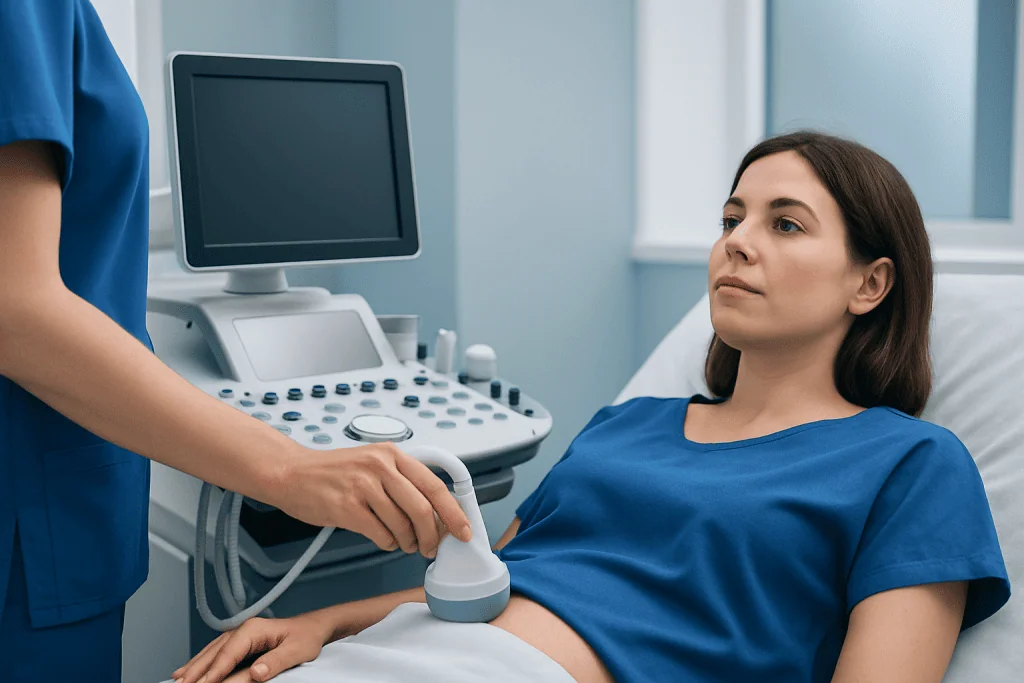
In everyday English, “female” may describe biological sex in some contexts, while “woman” often refers to gender identity and is commonly used in patient-facing communication. In medicine, clinicians may use both terms, but they are not always interchangeable. The most helpful wording depends on the topic, the patient’s needs, and whether the discussion is about anatomy, hormones, identity, or a specific diagnosis.
For example, an article about cervical screening may focus on people with a cervix, while a general prevention article may discuss women’s health more broadly. This approach improves accuracy and inclusion without changing the medical facts. Patients can feel more confident when information uses terms that are respectful, direct, and easy to follow.
When reading health content, it can help to look past the wording and focus on the body system or symptom being addressed. A page using the term “female’s health” may actually be discussing menstruation, fertility, menopause, pelvic pain, or urinary symptoms. If the wording feels unclear, a qualified clinician can explain how the information applies to the individual patient.
What women’s health includes beyond reproductive care

Women’s health covers many areas across the lifespan. Reproductive health includes menstrual cycles, contraception, fertility, pregnancy, menopause, and conditions affecting the ovaries, uterus, cervix, vagina, and breasts. Common examples include fibroids, ovarian cysts, endometriosis, and menstrual disorders. Some patients may need evaluation for ovarian cancer or other gynecologic conditions when symptoms raise concern.
General health is equally important. Women can experience heart disease, diabetes, thyroid disease, autoimmune conditions, migraine, osteoporosis, urinary tract problems, anxiety, depression, and sleep disorders. Symptoms may present differently than expected, and some conditions are underrecognized. Preventive care therefore includes blood pressure checks, cholesterol evaluation, bone health support, and age-appropriate screening.
Sexual and urinary health also play a major role in quality of life. Pain with intercourse, recurrent urinary infections, leakage of urine, low sexual desire, and pelvic pressure are all legitimate health concerns. Some of these issues may be related to pelvic floor dysfunction, infection, hormonal changes, or structural conditions such as prolapse.
- Reproductive and menstrual health
- Breast health and screening
- Heart, metabolic, and bone health
- Mental health and sleep
- Sexual, pelvic floor, and urinary health
Common symptoms that should not be ignored
Many patients search broad terms like female’s when trying to understand symptoms. While some changes are harmless or temporary, others deserve medical assessment. Persistent pelvic pain, unusually heavy periods, bleeding between periods, bleeding after menopause, new breast lumps, nipple discharge, or ongoing bloating should be discussed with a clinician.
Other symptoms to pay attention to include painful urination, frequent urinary urgency, blood in the urine, vaginal discharge with odor or itching, severe period pain, pain during sex, unexplained weight change, hot flashes that disrupt daily life, and fatigue that does not improve. These symptoms can have many causes, ranging from infection and hormone shifts to benign growths or more serious disease.
Breast and pelvic symptoms are common reasons for medical review. Depending on the concern, a doctor may recommend imaging, blood tests, or referral for specialist care. In some cases, evaluation may include breast ultrasound or mammography when breast changes are present.
How doctors evaluate women’s health concerns
Diagnosis begins with a careful history. A clinician may ask about age, menstrual pattern, pregnancy history, medications, contraception, family history, sexual health, and the timing of symptoms. This conversation helps narrow the likely causes and guides the next steps. Even symptoms that seem unrelated can be important clues.
A physical examination may include blood pressure measurement, abdominal examination, breast examination, pelvic examination, or a focused urinary assessment, depending on the complaint. Not every concern requires an internal exam, and patients can ask questions about why an examination is recommended and what to expect.
Tests may include blood work, urine analysis, pregnancy testing, hormone studies, sexually transmitted infection testing, or imaging. For pelvic symptoms, a doctor may recommend pelvic ultrasound to assess the uterus and ovaries. Cervical screening, breast imaging, or biopsy may be needed in selected cases. The goal is to identify the cause accurately rather than assuming all symptoms are simply “hormonal.”
Treatment and support options
Treatment depends entirely on the underlying issue. Some symptoms improve with lifestyle changes, stress reduction, sleep support, or watchful follow-up. Others may require medication, hormone therapy, pelvic floor therapy, contraception counseling, treatment for infection, or management of a chronic condition such as thyroid disease or diabetes.
Gynecologic conditions sometimes need procedural or surgical care. Examples include removal of fibroids or cysts, treatment of abnormal bleeding, or management of endometriosis. If fertility is a concern, patients may need targeted assessment and support through IVF treatment or other reproductive medicine services, depending on the diagnosis and care goals.
Many patients benefit from coordinated care across specialties. A gynecologist, primary care physician, endocrinologist, urologist, breast specialist, dietitian, or mental health professional may all have a role. Near the end of the care pathway, some international patients choose centers such as Acibadem International, where multidisciplinary specialists in JCI-accredited hospitals evaluate and treat women’s health concerns with personalized planning.
Prevention and self-care for long-term health
Preventive care helps detect problems early and supports long-term well-being. Regular checkups, age-appropriate cervical screening, breast awareness, vaccination, blood pressure control, and discussion of family history are all important. The exact schedule for screening depends on age, personal risk, and national guidance, so patients should confirm what is appropriate with their doctor.
Daily habits also matter. Balanced nutrition, regular physical activity, avoiding tobacco, limiting alcohol, maintaining sleep routines, and managing stress can support hormone balance, heart health, bone strength, and mood. Adequate calcium and vitamin D intake may be important for bone health, especially around and after menopause.
Self-care does not mean ignoring symptoms. Tracking menstrual patterns, pain, discharge, hot flashes, mood changes, or urinary symptoms can help a clinician identify patterns. Patients should seek guidance before starting supplements, hormones, or online treatments, as these may not be appropriate for everyone.
When to seek medical care
Medical care is appropriate whenever a symptom is persistent, worsening, or interfering with daily life. Patients should arrange an appointment for heavy or irregular bleeding, pelvic pain, breast changes, recurrent urinary symptoms, severe menopausal symptoms, or concerns about fertility. It is also sensible to seek review when there is a strong family history of breast, ovarian, uterine, or colon cancer.
Urgent medical attention is needed for severe abdominal or pelvic pain, heavy bleeding with dizziness or fainting, chest pain, shortness of breath, sudden weakness, signs of stroke, high fever, or symptoms of possible ectopic pregnancy such as one-sided pelvic pain with bleeding and a positive pregnancy test. These situations may require immediate assessment.
When symptoms are uncertain, early evaluation is usually more helpful than waiting for them to become more disruptive. A clinician can explain whether a symptom is likely benign, whether testing is needed, and what follow-up is safest.
Frequently asked questions
Is female's a medical term?
Not usually. Female's is generally the possessive form of the word female, rather than the name of a condition or diagnosis. In health articles, clearer phrases such as women's health or female reproductive health are often more useful.
What is the difference between female health and women's health?
These terms are often used similarly in everyday health content, but they can have different meanings depending on context. Female health may refer more specifically to biological sex-related anatomy or hormones, while women's health is a broader patient-facing term that includes prevention, mental health, heart health, bone health, and reproductive care.
Does women's health only mean reproductive health?
No. Reproductive care is only one part of women's health. It also includes cardiovascular health, metabolism, urinary function, breast health, sexual health, mental well-being, bone strength, and healthy aging.
Which symptoms should prompt a doctor visit?
Patients should seek medical advice for heavy or irregular bleeding, pelvic pain, breast lumps, nipple discharge, urinary burning, repeated infections, pain during sex, or symptoms that persist or worsen. Sudden severe pain, heavy bleeding with faintness, chest pain, or possible pregnancy complications require urgent care.
What tests are commonly used for women's health concerns?
The tests depend on the symptoms. Common options include blood tests, urine tests, pregnancy tests, cervical screening, breast imaging, pelvic ultrasound, and tests for infection. A doctor chooses tests based on medical history, age, exam findings, and personal risk factors.
How can someone support long-term women's health?
Regular preventive visits, recommended screening, exercise, sleep, nutritious eating, and avoiding tobacco are all important. Keeping track of menstrual cycles, menopausal symptoms, or urinary changes can also help identify problems early and make medical appointments more productive.
References
- World Health Organization
- Centers for Disease Control and Prevention
- American College of Obstetricians and Gynecologists
- Office on Women's Health
- National Institutes of Health
This article is for general information only and is not a substitute for professional medical advice. Please consult a qualified doctor about your individual situation.
Explore treatments in Turkey — costs, top hospitals & a free quote
JCI-accredited · board-certified surgeons · reply within 24h
Add us as a Preferred Source to see more of our trusted health content across Google Search, AI Overviews and Discover.
Check your numbers in seconds
BMI, calories, due date, blood pressure and 30+ more clinical calculators — free, instant, doctor-reviewed ranges.

More from the Health Library

Compression Gloves: What Patients Need to Know

Schisandra Chinensis Schisandra: What Patients Need to Know

Light Skin: What Patients Need to Know

Provigil: What Patients Need to Know

Microtia — Explained by Medical Evidence, Not Myths