Fertility Testing After 35: When to Seek Help Sooner

After age 35, fertility testing is generally advised after 6 months of regular unprotected intercourse without pregnancy. Earlier evaluation may be helpful for irregular periods, known reproductive conditions, pelvic pain, prior pregnancy loss, or male-factor concerns.
Key Takeaways
- After age 35, fertility testing is generally advised after 6 months of regular unprotected intercourse without pregnancy.
- Earlier evaluation may be helpful for irregular periods, known reproductive conditions, pelvic pain, prior pregnancy loss, or male-factor concerns.
- A fertility workup usually includes ovulation assessment, ovarian reserve testing, imaging of the uterus and fallopian tubes, and semen analysis.
- Age matters, but it is only one part of fertility; many causes of delayed conception are treatable.
- Early, evidence-based evaluation can save time and help couples make informed decisions about treatment.
Fertility naturally changes with age, but many people conceive after 35 with the right timing and support. Knowing when to seek fertility testing after 35 can help identify treatable issues early and guide the next best steps.
Overview: why fertility testing after 35 matters
Fertility testing after 35 is not a sign that pregnancy will be difficult. It is a practical step that helps clarify how the reproductive system is functioning and whether anything is reducing the chance of conception. Because female fertility gradually declines with age, waiting too long to investigate can reduce the time available for treatment if support is needed.
In general, doctors advise people under 35 to seek evaluation after 12 months of trying to conceive. After 35, the usual recommendation is to seek help after 6 months of regular unprotected intercourse without pregnancy. For women aged 40 and older, many specialists advise evaluation even sooner, sometimes right away, because time becomes a more important factor in planning care.
Testing is not only about egg quantity or age. It can also identify ovulation problems, blocked fallopian tubes, uterine conditions, endometriosis, hormonal disorders, or semen-related issues. Since fertility depends on both partners in many cases, a complete evaluation often looks at male and female factors together.
Signs it may be wise to seek help sooner
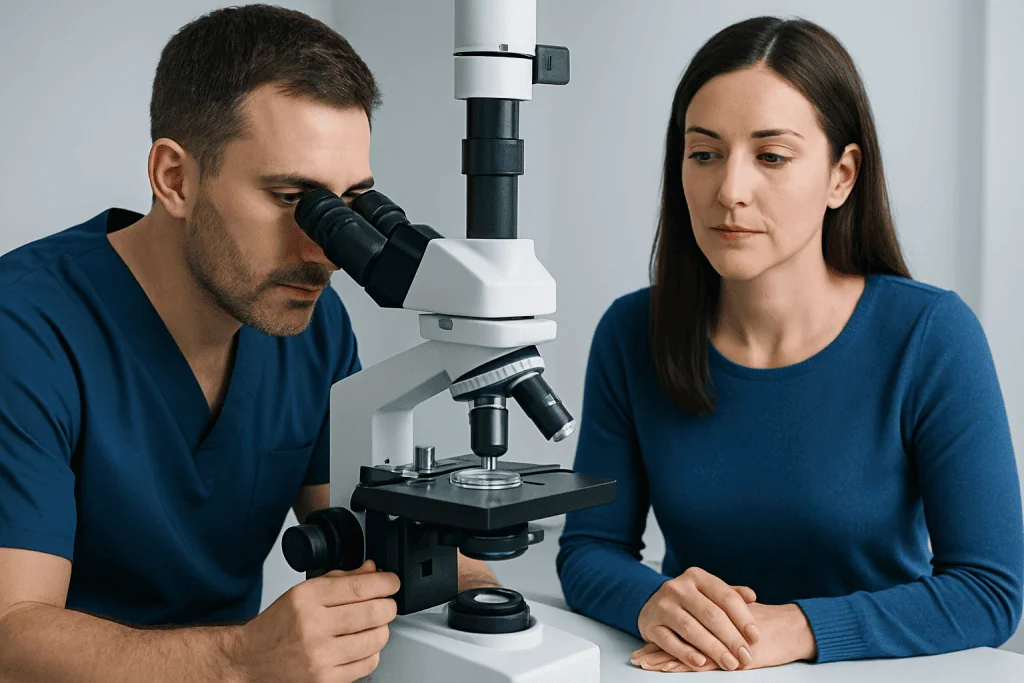
Some people should not wait the full 6 months before arranging a fertility assessment. Earlier medical advice can be helpful if menstrual cycles are very irregular, absent, unusually short, or very long, because these patterns may point to inconsistent ovulation. Severe period pain, pain during intercourse, or chronic pelvic pain may suggest conditions such as endometriosis or pelvic adhesions that can affect fertility.
It is also sensible to seek help sooner after age 35 if there has been more than one miscarriage, a previous ectopic pregnancy, known fibroids that distort the uterus, prior pelvic infection, or past surgery involving the ovaries, uterus, or fallopian tubes. Certain medical conditions, including thyroid disorders, polycystic ovary syndrome, autoimmune disease, or a history of chemotherapy, can also affect fertility and may justify earlier testing.
Male factors matter too. If a partner has a history of undescended testes, testicular surgery, varicocele, erectile or ejaculatory problems, prior cancer treatment, or abnormal semen results in the past, it is reasonable to arrange evaluation early rather than waiting.
- Irregular or absent periods
- Pelvic pain or suspected endometriosis
- Previous miscarriage or ectopic pregnancy
- Known uterine, ovarian, or tubal problems
- History of pelvic infection or reproductive surgery
- Possible male-factor fertility issues
How age affects fertility after 35

Age influences fertility mainly through changes in egg number and egg quality. Women are born with all the eggs they will ever have, and this supply gradually decreases over time. In the mid-30s and beyond, the decline becomes more noticeable. This does not mean pregnancy is unlikely, but it may take longer and the chance of conception each month may be lower than it was in earlier years.
Egg quality also changes with age. As eggs age, chromosomal errors become more common, which can make conception harder and increase the risk of miscarriage. This is one reason doctors recommend earlier evaluation after 35: identifying barriers early can help make the best use of time.
Still, age alone does not determine fertility. Some women in their late 30s have a reassuring ovarian reserve and no major reproductive problems, while some younger women have conditions that interfere with conception. A personalized assessment is more useful than assumptions based on age alone.
What fertility testing usually includes
A fertility evaluation typically begins with a detailed medical history and physical examination. The doctor asks about menstrual cycles, previous pregnancies, miscarriages, timing of intercourse, medications, surgeries, sexually transmitted infections, and family history of early menopause or genetic disease. Lifestyle factors such as smoking, alcohol use, body weight, exercise, and stress may also be discussed because they can influence fertility.
For women, testing often includes blood work and imaging. Blood tests may assess hormones related to ovulation and ovarian reserve, such as follicle-stimulating hormone, estradiol, anti-Mullerian hormone, thyroid function, and prolactin when appropriate. A pelvic ultrasound can look at the ovaries and uterus, including follicle count, cysts, fibroids, or features suggestive of polycystic ovary syndrome.
To check whether the fallopian tubes are open and whether the uterine cavity looks normal, doctors may recommend imaging such as a hysterosalpingogram or other uterine cavity tests. If symptoms suggest endometriosis, further evaluation may be needed. For the male partner, semen analysis is a core part of the workup and should not be delayed, since male factors are common and the test is straightforward.
Understanding the results and possible diagnosis
Fertility test results can be reassuring, identify a clear cause, or show a combination of smaller factors. Sometimes the main issue is ovulation, such as irregular egg release linked to hormonal imbalance. In other cases, the concern may be reduced ovarian reserve, tubal blockage, uterine abnormalities, endometriosis, or semen parameters that lower the chance of fertilization.
It is important to remember that one test does not measure overall fertility perfectly. For example, ovarian reserve tests help estimate egg supply and may guide treatment planning, but they do not fully predict whether a natural pregnancy will occur. A doctor interprets results in context, taking age, cycle pattern, ultrasound findings, and partner factors into account.
Some couples receive a diagnosis of unexplained infertility, meaning standard tests do not reveal a clear cause. This can be frustrating, but it does not mean treatment options are limited. It simply means the next step is usually based on age, how long pregnancy has been attempted, and which treatment is most likely to improve the chance of success efficiently.
Treatment options after fertility testing
Treatment depends on the results of the evaluation. In some cases, the next step may be as simple as optimizing the timing of intercourse around ovulation, correcting thyroid or prolactin disorders, or making changes that support reproductive health. If ovulation is not happening regularly, medicines may be used to stimulate ovulation under medical supervision.
When there is a structural issue, treatment may involve a procedure. Examples include removing certain uterine polyps or fibroids, treating significant endometriosis in selected cases, or addressing blocked tubes depending on the situation. For male-factor infertility, treatment may focus on underlying causes, lifestyle changes, or assisted reproductive techniques.
Assisted reproduction may be recommended when time is important or when other treatments are unlikely to work. Options can include in vitro fertilization, sometimes after simpler approaches such as intrauterine insemination. Some patients may also benefit from embryo freezing as part of a broader fertility plan. The right path depends on age, test results, reproductive goals, and how urgently pregnancy is desired.
Self-care, preparation, and questions to ask
While fertility testing is being arranged, general health steps can support conception and pregnancy planning. These include taking folic acid as advised by a doctor, stopping smoking, limiting alcohol, aiming for a healthy weight, managing chronic conditions, and reviewing medications for pregnancy safety. Tracking cycle length and signs of ovulation can also help make appointments and treatment discussions more productive.
It is helpful to prepare questions before a fertility visit. Patients may wish to ask which tests are recommended first, how age changes the treatment timeline, whether both partners should be tested at the same time, and what results would lead to treatment versus continued trying naturally. Asking about emotional support is also appropriate, as trying to conceive can be stressful.
For international patients seeking coordinated fertility care, Acibadem International offers evaluation and treatment through multidisciplinary specialists in JCI-accredited hospitals. A structured approach can help patients understand whether they are dealing with age-related decline alone or with a treatable condition such as infertility.
When to see a doctor
A woman aged 35 or older should usually see a doctor after 6 months of regular unprotected intercourse without pregnancy. Women aged 40 or older may benefit from an earlier appointment, even if they have only recently started trying. Seeking help sooner is also appropriate if periods are irregular, pelvic pain is significant, or there is a history of miscarriage, ectopic pregnancy, or known reproductive disease.
Medical advice is also important if there are symptoms that could point to a broader health problem, such as milky nipple discharge, hot flashes at an unexpectedly young age, or unexplained weight change. Men should seek evaluation too if there are concerns about sexual function, previous testicular problems, or prior fertility issues.
Early testing does not commit anyone to immediate treatment. It simply provides information. For many people, that information brings reassurance; for others, it creates an opportunity to act promptly and choose the most suitable path toward pregnancy.
Frequently asked questions
How long should someone over 35 try before seeking fertility testing?
In general, fertility testing after 35 is recommended after 6 months of regular unprotected intercourse without pregnancy. If the woman is 40 or older, or if there are known risk factors such as irregular periods or prior miscarriage, it is reasonable to seek help sooner.
Does turning 35 mean natural pregnancy is unlikely?
No. Many women conceive naturally after 35. However, fertility usually declines with age, so evaluation is recommended earlier than it is for younger women in order to avoid losing valuable time if treatment is needed.
What tests are commonly done in a fertility evaluation?
A fertility workup often includes a medical history, hormone blood tests, pelvic ultrasound, and an assessment of whether the fallopian tubes are open. Semen analysis is also a standard and important part of the evaluation because fertility issues can involve either partner or both.
Can ovarian reserve tests tell whether pregnancy will happen naturally?
Not exactly. Ovarian reserve tests help estimate egg supply and can guide treatment planning, but they do not predict natural pregnancy with certainty. Doctors interpret these results together with age, menstrual pattern, ultrasound findings, and the partner's test results.
Should both partners be evaluated at the same time?
In many cases, yes. Evaluating both partners early can save time because male-factor infertility is common and semen analysis is relatively simple. A combined assessment often leads to faster, more targeted treatment planning.
What if all fertility tests look normal?
Sometimes standard testing does not show a clear cause, which is called unexplained infertility. Even then, age, time trying to conceive, and personal goals help doctors recommend the next steps, which may include continued attempts, ovulation-based timing, or fertility treatment.
References
- American Society for Reproductive Medicine
- American College of Obstetricians and Gynecologists
- Centers for Disease Control and Prevention
- National Institute for Health and Care Excellence
- World Health Organization
This article is for general information only and is not a substitute for professional medical advice. Please consult a qualified doctor about your individual situation.
IVF & fertility treatment in Turkey — success rates and costs
JCI-accredited · board-certified surgeons · reply within 24h
Add us as a Preferred Source to see more of our trusted health content across Google Search, AI Overviews and Discover.
Check your numbers in seconds
BMI, calories, due date, blood pressure and 30+ more clinical calculators — free, instant, doctor-reviewed ranges.