Fever in Children: Safe Home Care and Warning Signs

A fever is usually a sign that the immune system is responding to an infection, not a disease by itself. Children with fever should be encouraged to rest, drink fluids, and wear light clothing in a comfortable room.
Key Takeaways
- A fever is usually a sign that the immune system is responding to an infection, not a disease by itself.
- Children with fever should be encouraged to rest, drink fluids, and wear light clothing in a comfortable room.
- Fever medicine can help discomfort, but dosing must be based on the child’s age and weight and should follow medical or label instructions.
- Babies under 3 months with a temperature of 38°C or higher need prompt medical assessment.
- Seek urgent care for breathing difficulty, unusual sleepiness, dehydration, stiff neck, persistent vomiting, seizure, or a non-blanching rash.
Fever in children is common and is often the body’s normal response to infection, but safe home care and careful observation are important. Parents should focus on the child’s comfort, hydration, behavior, and warning signs rather than the temperature number alone.
Overview
Fever in children is one of the most common reasons parents contact a doctor. A fever is generally defined as a body temperature of 38°C or higher, although the exact reading can vary depending on how and where the temperature is measured. Fever is not an illness by itself. It is a sign that the body is responding to something, most often a viral or bacterial infection.
In many children, fever can be safely managed at home when the child is drinking, breathing comfortably, waking normally, and improving between episodes of fever. The temperature number is helpful, but it is not the only factor that matters. A child’s overall appearance, energy level, hydration, breathing, and ability to interact are often more important than whether the fever is mildly or moderately high.
Parents may naturally feel worried when a child feels hot, shivers, or becomes tired. In most cases, careful home care, appropriate fluids, and comfort measures are enough while the illness runs its course. However, some situations require medical advice or urgent care, especially in very young infants or children with warning signs.
How to Measure a Child’s Temperature
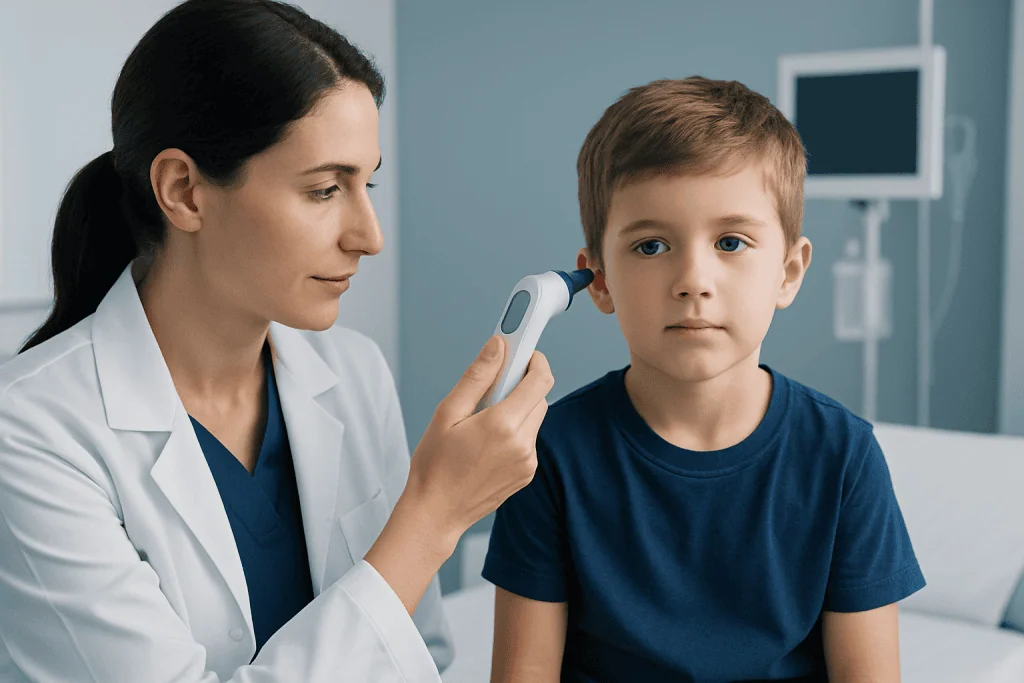
Using a reliable thermometer helps parents and doctors make better decisions. Digital thermometers are preferred for home use because they are quick and easy to read. Mercury thermometers should not be used because of the risk of mercury exposure if they break.
The best method depends on the child’s age and cooperation. Rectal temperature is often considered the most accurate in infants, especially when precise measurement is important. In older children, oral temperature can be accurate if the child can keep the thermometer correctly under the tongue. Armpit readings are convenient but may be less precise. Ear and forehead thermometers can be helpful, but readings may vary if the device is not positioned correctly or if the child has been outdoors, sweating, or lying on one side.
Parents should follow the thermometer manufacturer’s instructions and record the temperature, the time it was taken, and the method used. This information can help a healthcare professional interpret the fever more accurately. It is also useful to note any medicines given and whether the child’s comfort or behavior improved afterward.
Common Symptoms That May Come With Fever
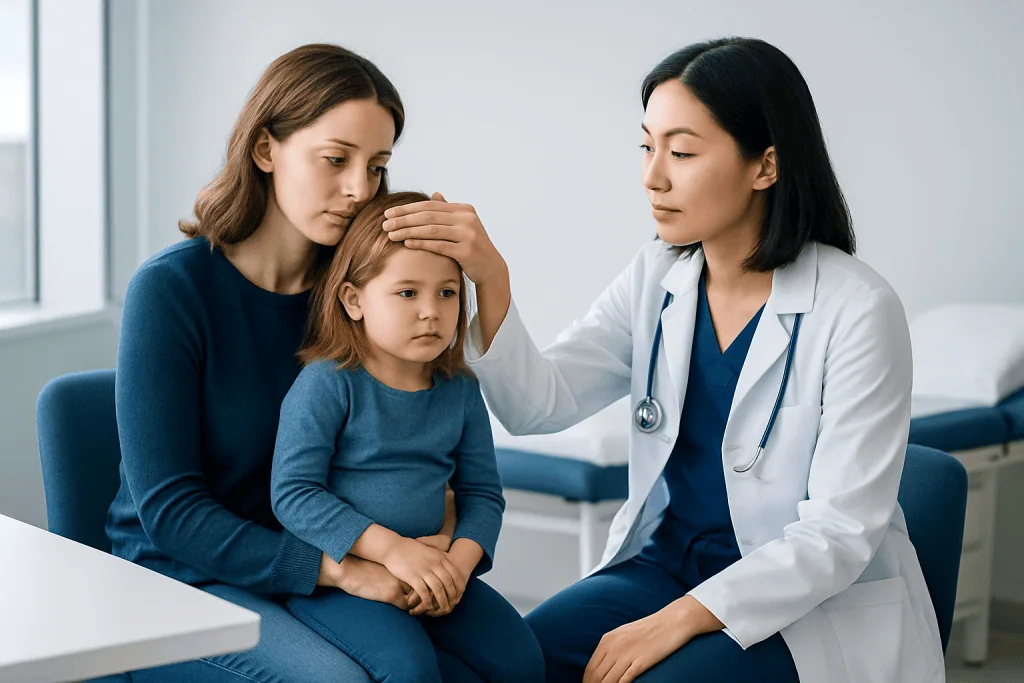
Children with fever may have warm skin, flushed cheeks, chills, sweating, tiredness, headache, muscle aches, or reduced appetite. Some children become clingy or irritable, while others may sleep more than usual. These symptoms often reflect the body’s immune response and may improve as the fever decreases.
The symptoms accompanying the fever can offer clues about the cause. A runny nose, cough, sore throat, or hoarse voice may suggest a respiratory infection. Vomiting, diarrhea, or stomach pain may point toward a gastrointestinal illness. Ear pain, pain when urinating, skin redness, or a persistent sore throat may require medical evaluation because some of these conditions may need specific treatment.
It is common for children to eat less during a febrile illness. This is usually not a problem for a short time, as long as the child is drinking and urinating. Parents should watch for signs of dehydration, such as a very dry mouth, no tears when crying, sunken eyes, dizziness, or fewer wet diapers or urinations than usual.
Causes and Risk Factors
Most fevers in children are caused by infections. Viral infections, such as colds, influenza-like illnesses, and many stomach viruses, are especially common and usually improve with supportive care. Some fevers are caused by bacterial infections, such as urinary tract infections, pneumonia, ear infections, or certain throat infections. A doctor may need to examine the child and sometimes order tests to distinguish between these causes.
Fever can also occur after routine vaccinations. This is usually mild and short-lived, and it reflects the immune system responding to the vaccine. Teething may cause mild temperature changes and discomfort, but it does not usually cause a true high fever. If a child has a temperature of 38°C or higher, another cause should be considered, especially if the child seems unwell.
Certain children need closer medical attention when they develop fever. This includes babies under 3 months, children with weakened immune systems, children with chronic medical conditions, and children who have recently had surgery or a significant injury. Recent international travel, exposure to certain infections, or contact with someone seriously ill may also affect how a doctor evaluates the fever.
Safe Home Care for Fever
The main goal of home care is to keep the child comfortable and hydrated, not necessarily to bring the temperature back to normal. A child with fever can wear light clothing and rest in a room that is comfortably cool, not cold. Over-bundling can trap heat and make discomfort worse. If the child is shivering, a light blanket can be used and removed once the chills pass.
Fluids are very important. Breastfed or formula-fed infants should continue their usual feeds. Older children can be offered water, oral rehydration solution, soups, or diluted fluids in small frequent amounts. If a child does not want solid food for a day or two, that is often acceptable, but persistent refusal to drink should be discussed with a healthcare professional.
Some physical cooling methods are not recommended. Cold baths, ice packs, and alcohol rubs can be uncomfortable or unsafe. A lukewarm sponge bath may be considered only if the child is very uncomfortable and it does not cause shivering. Rest, fluids, and comfort are usually better tolerated than aggressive cooling.
Using Fever Medicines Safely
Fever-reducing medicines, also called antipyretics, can help a child feel more comfortable. Paracetamol, also known as acetaminophen, is commonly used in children when given according to age and weight instructions. Ibuprofen may be used in many children older than 6 months, but it may not be suitable for children who are dehydrated, vomiting repeatedly, have kidney disease, or have been advised to avoid it.
Parents should not give aspirin to children or teenagers with fever unless a doctor specifically prescribes it. Aspirin use in children with viral illnesses has been linked to a rare but serious condition called Reye’s syndrome. Combination cough, cold, and fever products should also be used cautiously, as they may contain duplicate ingredients and increase the risk of accidental overdose.
It is important to use the measuring syringe, cup, or device provided with the medicine rather than a kitchen spoon. Doses should be based on the child’s current weight whenever possible, and parents should follow the product label or a doctor’s instructions. Alternating fever medicines is sometimes discussed, but it can be confusing and may lead to dosing errors; it should be done only with clear medical guidance.
Warning Signs and When to See a Doctor
Parents should seek prompt medical advice for any baby under 3 months with a temperature of 38°C or higher, even if the baby otherwise seems well. Young infants can become ill quickly and may not show obvious symptoms. A doctor should also be contacted if a child has a fever lasting more than three days, fever that returns after improving, or fever with ear pain, painful urination, persistent sore throat, or worsening cough.
Urgent medical care is needed if a child has difficulty breathing, bluish lips, severe weakness, unusual sleepiness, confusion, a stiff neck, severe headache, persistent vomiting, signs of dehydration, or a seizure. A rash that does not fade when pressed, severe abdominal pain, or a child who is difficult to wake or does not respond normally should also be assessed urgently.
Parents know their child best. If a child looks very unwell, is not acting like themselves, or the caregiver is worried, it is appropriate to contact a healthcare professional. Acibadem International’s multidisciplinary pediatric specialists and JCI-accredited hospitals diagnose and treat febrile illnesses in children, including for international patients, with care plans tailored to the child’s condition and age.
Prevention and Everyday Self-Care
Not all fevers can be prevented, but simple habits can reduce the spread of many infections. Regular handwashing, covering coughs and sneezes, cleaning frequently touched surfaces, and keeping children home when they are contagious can help protect families and communities. Teaching children not to share cups, utensils, or personal items during illness is also useful.
Vaccination is an important part of preventing certain serious infections that can cause fever. Parents should follow the vaccination schedule recommended by their child’s healthcare provider and local health authorities. If a child has had a fever after a previous vaccine, parents can discuss what to expect and when to seek advice before the next appointment.
During any illness, observation is part of good care. Parents can keep a simple record of temperature readings, fluids taken, wet diapers or urination, medicines given, and changes in symptoms. This record can be very helpful if the child needs medical review, especially when symptoms have changed over several days.
Frequently asked questions
What temperature is considered a fever in children?
A temperature of 38°C or higher is generally considered a fever in children. The exact reading can vary depending on the measurement method, such as rectal, oral, armpit, ear, or forehead. Parents should also consider how the child looks and behaves, not only the number on the thermometer.
Should every fever be treated with medicine?
Not always. Fever medicine is mainly used to improve comfort, not simply to normalize the temperature. If a child is drinking, resting, and not distressed, careful observation and fluids may be enough. Parents should follow age and weight-based instructions if medicine is used.
Can a high fever cause brain damage?
Fever from common infections usually does not cause brain damage. The body regulates infection-related fever, and most childhood fevers stay within a range that is not harmful by itself. However, very high temperatures from heatstroke or environmental overheating are different and require urgent medical care.
What should parents do if a child has a febrile seizure?
A febrile seizure can be frightening, but many are brief and stop on their own. Place the child on their side on a safe surface, do not put anything in the mouth, and note how long the seizure lasts. Emergency care is needed if the seizure lasts more than a few minutes, breathing is difficult, the child does not recover as expected, or it is the first seizure.
Is it safe to bathe a child with fever?
A child with fever does not need a cold bath. Cold water, ice, and alcohol rubs should be avoided because they can cause shivering or be unsafe. If the child is uncomfortable, a lukewarm sponge bath may be used gently, but fluids, light clothing, and rest are usually more helpful.
When is fever in a baby an emergency?
Any baby under 3 months with a temperature of 38°C or higher should be assessed promptly by a healthcare professional. Babies at this age may not show clear signs of serious illness. Parents should not wait for additional symptoms before seeking medical advice.
References
- American Academy of Pediatrics
- Centers for Disease Control and Prevention
- National Institute for Health and Care Excellence
- World Health Organization
- Mayo Clinic
This article is for general information only and is not a substitute for professional medical advice. Please consult a qualified doctor about your individual situation.
Explore treatments in Turkey — costs, top hospitals & a free quote
JCI-accredited · board-certified surgeons · reply within 24h
Add us as a Preferred Source to see more of our trusted health content across Google Search, AI Overviews and Discover.

Pediatrics
Complete healthcare for infants, children and adolescents across all sub-specialties.
232 specialists in this unit