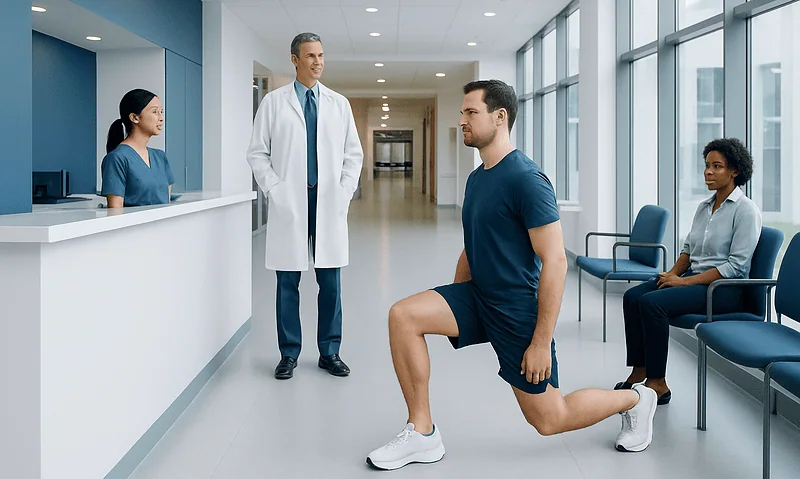
Flat Feet: An Evidence-Based Guide for Patients

Flat feet can be flexible or rigid, and not all cases cause symptoms. Pain in the arch, heel, ankle, or lower leg is a common reason to seek assessment.
Key Takeaways
- Flat feet can be flexible or rigid, and not all cases cause symptoms.
- Pain in the arch, heel, ankle, or lower leg is a common reason to seek assessment.
- Doctors diagnose flat feet with a physical exam and sometimes imaging studies.
- Treatment often starts with supportive footwear, exercises, activity changes, and orthotics.
- Medical care is important if flat feet develop suddenly, worsen, or affect daily function.
Flat feet means the arches of the feet are low or absent when standing. Many people have flat feet without problems, but some develop pain, fatigue, alignment changes, or difficulty with walking and exercise that may benefit from medical evaluation.
What flat feet are and when they matter
Flat feet, also called fallen arches or pes planus, describes a foot shape in which the arch is low or appears to touch the ground when a person stands. In many children and adults, this is simply a variation of normal anatomy and does not cause pain or limit activity. For others, however, flat feet can change how weight moves through the feet and legs, which may lead to discomfort, fatigue, or problems with walking and balance.
There are two broad patterns. In flexible flat feet, the arch is visible when the foot is not bearing weight or when a person stands on tiptoe, but it flattens during standing. This is the most common type and is often less concerning. In rigid flat feet, the arch is absent even when the foot is lifted, and the foot may feel stiff or painful. Rigid flat feet are more likely to need medical assessment.
Flat feet can affect one foot or both. Some people notice no symptoms until they spend long hours standing, gain weight, change activity level, or develop tendon or joint problems with age. The main clinical question is not only whether the arch is low, but whether the foot is functioning well and comfortably during daily life.
Symptoms and effects on daily movement
The most common symptom linked to flat feet is pain, especially along the arch, inside of the ankle, heel, or sole of the foot. Some people describe aching after long walks, standing for extended periods, or exercise. Others notice tired feet, calf tightness, or shoes that wear unevenly.
Because the foot helps align the ankle, knee, and hip, flat feet can sometimes contribute to symptoms higher up the leg. A person may experience ankle instability, shin discomfort, knee pain, or lower back strain. These symptoms do not always come from flat feet alone, but foot posture can be one factor in the overall pattern of movement.
Possible signs and symptoms include:
- Pain in the arch, heel, or inside of the ankle
- Foot fatigue after walking or standing
- Swelling along the inner ankle
- Stiffness or reduced flexibility in the foot
- Difficulty with sports, prolonged walking, or uneven ground
- In-toeing, overpronation, or changes in gait
Children may not describe pain clearly. Instead, they may avoid active play, complain that their legs feel tired, or wear out shoes quickly. In adults, symptoms may appear gradually, especially if the supporting tendons and ligaments become strained over time.
Why flat feet happen

Flat feet can be present from childhood or develop later in life. In children, flexible flat feet are common because the arch often develops gradually as the musculoskeletal system matures. Some adults simply continue to have the same foot shape without ever developing problems. Family history can also play a role, as ligament flexibility and foot structure can be inherited.
Adult-acquired flat feet may occur when the structures that support the arch weaken or become damaged. One important cause is dysfunction of the posterior tibial tendon, which helps support the inner arch. Injury, repeated strain, arthritis, obesity, diabetes, nerve problems, and age-related wear can all increase the risk. Flat feet may also be associated with ligament laxity, previous fractures, inflammatory joint disease, or less commonly with tarsal coalition, a condition in which foot bones are abnormally connected.
Risk factors and contributing factors may include:
- Family history of low arches
- Loose ligaments or generalized joint flexibility
- Obesity or rapid weight gain
- Standing for long periods at work
- Foot or ankle injury
- Tendon disorders, especially involving the posterior tibial tendon
- Arthritis and other inflammatory joint conditions
- Diabetes or nerve-related disorders
Not every person with low arches develops symptoms. Often, symptoms appear when the foot is asked to tolerate more load than its supporting tissues can comfortably manage, or when a new tendon, joint, or alignment problem develops alongside the flat foot structure.
How doctors diagnose flat feet
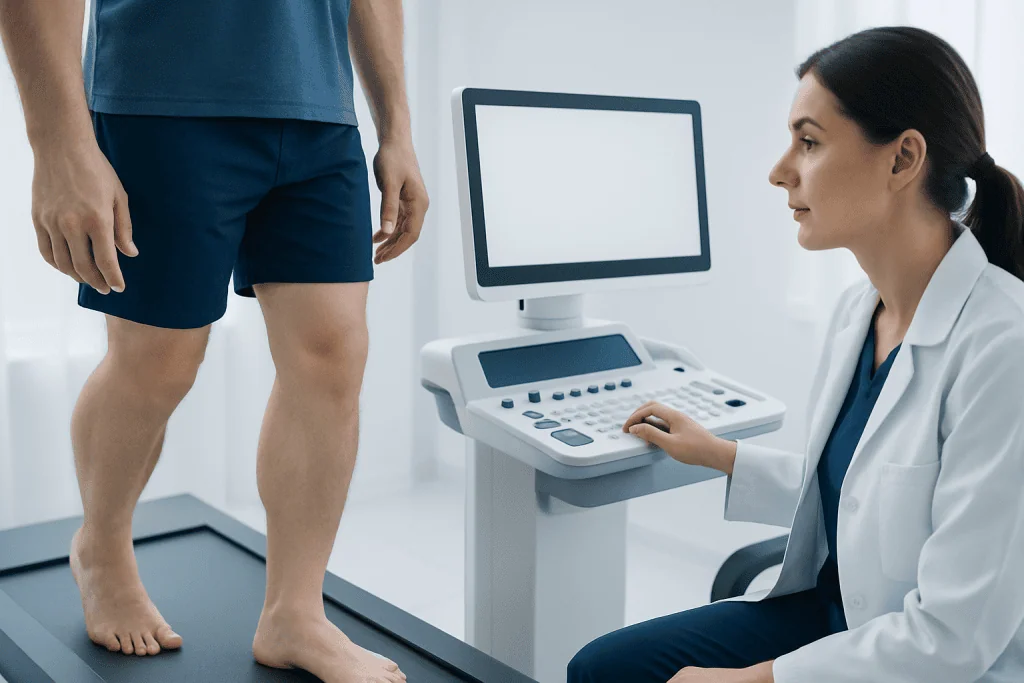
Diagnosis begins with a medical history and physical examination. A doctor asks when symptoms started, whether one or both feet are affected, what activities make pain worse, and whether there has been prior injury or swelling. The foot is examined while sitting, standing, walking, and sometimes standing on tiptoe to see whether the arch reappears. This helps distinguish flexible from rigid flat feet.
The clinician also checks ankle motion, heel alignment, calf tightness, and tenderness along tendons and joints. Because symptoms may be linked with overuse, tendon injury, or related conditions such as Achilles tendonitis, the exam looks beyond the arch alone. In children or adults with stiffness, one-sided flattening, or significant pain, the doctor may assess for less common structural causes.
Imaging is not necessary for every patient, but it can be useful when pain is persistent, the foot is rigid, or surgery is being considered. Weight-bearing X-rays can show alignment and joint changes. Ultrasound or MRI may be used to evaluate tendon damage, soft tissues, or inflammation. If the pattern suggests a related alignment issue, the care team may also assess other musculoskeletal problems such as scoliosis or gait-related joint strain.
The goal of diagnosis is not simply to label the foot as flat, but to identify whether there is a treatable cause for symptoms and which management approach is most likely to improve comfort and function.
Treatment options for flat feet
Treatment depends on symptoms, age, foot flexibility, and the underlying cause. Many people with painless flat feet do not need treatment. When symptoms are present, care usually begins with conservative measures designed to reduce strain on the arch, improve alignment, and strengthen supportive muscles.
Common non-surgical treatments include supportive shoes, arch supports or orthotics, stretching exercises, activity modification, and short-term pain relief strategies recommended by a doctor. Physical therapy can be especially helpful when there is weakness, tendon irritation, poor balance, or tight calf muscles. In some cases, a patient may benefit from a structured program through physical therapy and rehabilitation to improve foot mechanics and walking pattern.
Doctors may recommend:
- Shoes with firm heel support and good midfoot stability
- Custom or prefabricated orthotic inserts
- Calf and Achilles stretching
- Foot strengthening exercises
- Temporary reduction of high-impact activities
- Weight management when excess load is contributing
- Assessment and treatment of associated tendon problems
Surgery is considered only when symptoms are significant, conservative treatment has not helped, or there is a structural problem that is unlikely to improve otherwise. Procedures vary and may involve tendon repair, bone realignment, joint stabilization, or correction of associated deformity. If a broader orthopedic issue is present, care may be coordinated through services such as orthopedic rehabilitation or, when surgery is needed, an orthopedic surgery team. Treatment plans are individualized, especially for children, athletes, and adults with acquired deformity.
Self-care, footwear, and prevention
Self-care focuses on reducing stress on the feet and supporting comfortable movement. Well-fitting shoes are one of the most practical measures. Shoes should provide a stable heel counter, enough room in the toe box, and support through the midfoot. Highly worn-out shoes or very unsupportive footwear may worsen symptoms in some people.
Gentle exercises can help support foot function. These may include calf stretches, heel raises if comfortable, towel scrunches, toe control exercises, and balance work. A doctor or therapist can guide which exercises are most appropriate, particularly if there is tendon pain or stiffness. Exercise should be gradual and should not sharply increase symptoms.
Helpful prevention and self-care steps include:
- Choosing supportive footwear for work, exercise, and long walks
- Replacing worn shoes before support is lost
- Maintaining a healthy body weight if advised by a clinician
- Building activity gradually rather than increasing intensity suddenly
- Resting and modifying impact activities during flare-ups
- Using prescribed orthotics as directed
Prevention is not always possible because foot shape is partly inherited, but symptom control is often achievable. Paying attention to early signs such as inner ankle soreness, swelling, or increasing fatigue may help a person seek care before more persistent discomfort develops.
When to seek medical care
Medical care is advisable if flat feet are painful, interfere with walking, limit exercise, or seem to be getting worse. A person should also seek evaluation if one foot becomes flatter than the other, if swelling develops along the inside of the ankle, or if there is a recent injury followed by arch collapse or new instability. These features may point to tendon damage or another problem that deserves prompt attention.
Children should be assessed if flat feet are rigid, clearly painful, associated with frequent tripping, or accompanied by uneven shoe wear and reduced participation in play. Adults should not ignore persistent heel, ankle, or arch pain simply because they assume it is a normal part of having low arches. Foot symptoms can overlap with other causes of pain, including tendon disorders, arthritis, or nerve problems.
A specialist may be helpful when symptoms continue despite basic self-care, when orthotics have not provided enough relief, or when there is concern about deformity progression. In complex cases, multidisciplinary evaluation can be useful. Acibadem International’s multidisciplinary specialists and JCI-accredited hospitals diagnose and treat foot and lower-limb conditions for international patients, including conservative care and, when appropriate, orthopedics and traumatology.
Frequently asked questions
Are flat feet always a problem?
No. Many people have flat feet and never develop pain or limitations. Treatment is usually only needed when flat feet cause symptoms, affect walking, or are linked to another foot or ankle problem.
Can flat feet cause knee or back pain?
They can contribute in some people because foot posture may influence alignment through the ankles, knees, hips, and lower back. However, knee or back pain often has more than one cause, so a proper assessment is important.
Do children outgrow flat feet?
Many children have flexible flat feet, and the arch may become more visible as they grow. If a child has no pain or stiffness, treatment is often unnecessary. Medical evaluation is more important if the feet are rigid, painful, or affecting activity.
What kind of shoes are best for flat feet?
Supportive shoes with a stable heel, good midfoot structure, and enough room in the front are often most comfortable. The best choice depends on the person's activities, symptoms, and whether a doctor has recommended orthotic inserts.
Can exercises help flat feet?
Exercises may help reduce symptoms by strengthening the foot and ankle and improving flexibility, especially in the calf muscles. They are most effective when matched to the person's specific pattern of pain, weakness, or stiffness.
When is surgery needed for flat feet?
Surgery is usually reserved for persistent pain, progressive deformity, tendon damage, or rigid structural problems that do not improve with non-surgical care. The decision depends on the cause of the flat foot, symptom severity, and the person's daily needs.
This article is for general information only and is not a substitute for professional medical advice. Please consult a qualified doctor about your individual situation.
Explore treatments in Turkey — costs, top hospitals & a free quote
JCI-accredited · board-certified surgeons · reply within 24h
Add us as a Preferred Source to see more of our trusted health content across Google Search, AI Overviews and Discover.

More from the Health Library

Galactorrhea: What Patients Need to Know

Hysteria: A Complete Medical Overview

Wasp Bite: What Patients Need to Know

Anesthesia: A Complete Medical Overview

Nurse — Explained by Medical Evidence, Not Myths