Galactorrhea: What Patients Need to Know

Galactorrhea means milky nipple discharge unrelated to normal breastfeeding. It can affect women, men, and infants, although it is most common in women.
Key Takeaways
- Galactorrhea means milky nipple discharge unrelated to normal breastfeeding.
- It can affect women, men, and infants, although it is most common in women.
- Common causes include high prolactin levels, certain medications, thyroid problems, and frequent nipple stimulation.
- Evaluation may include a physical exam, pregnancy test, blood tests, and sometimes imaging.
- Treatment depends on the cause and may involve changing medicines, treating hormone disorders, or monitoring symptoms.
- Bloody discharge, a breast lump, or one-sided spontaneous discharge should be assessed promptly.
Galactorrhea is a milky nipple discharge that happens when a person is not breastfeeding or long after breastfeeding has ended. It is a symptom rather than a disease itself, and the cause is often related to hormones, medications, breast stimulation, or less commonly a pituitary gland condition.
Overview: what galactorrhea means
Galactorrhea is the release of a milky fluid from the nipple when a person is not breastfeeding, is not pregnant, or stopped breastfeeding some time ago. It is not a diagnosis by itself. Instead, it is a sign that something may be affecting hormone balance, the breast tissue, or the nerves that stimulate milk production.
The discharge may come from one breast or both, and it may happen on its own or only when the nipple is squeezed. Although it is often associated with women of reproductive age, galactorrhea can also occur in men and, rarely, in newborns because of temporary hormone exposure around birth.
In many cases, galactorrhea is linked to elevated prolactin, the hormone that stimulates milk production. However, some people have nipple discharge even when prolactin levels are normal. Because the possible causes vary, a medical evaluation helps clarify whether the discharge is benign, hormone-related, medication-related, or due to a condition that needs treatment.
Symptoms and how it may present
The main feature of galactorrhea is a white, cloudy, or milk-like discharge from the nipple. The amount can range from a few drops to more noticeable leakage. It may affect one nipple or both, and it can be occasional or persistent.
Some people have no other symptoms. Others notice changes that point to an underlying cause, such as missed or irregular periods, headaches, reduced sexual desire, vaginal dryness, infertility, acne, or changes in vision. Men may develop reduced libido, erectile dysfunction, or breast enlargement along with discharge.
It is important to remember that not all nipple discharge is galactorrhea. Clear, yellow, green, brown, or bloody discharge may have different causes and should be assessed differently. A clinician may also consider other breast conditions, including breast cancer, especially if discharge is bloody, comes from one duct, or is accompanied by a lump or skin changes.
- Milky nipple discharge unrelated to feeding
- Discharge from one or both breasts
- Spontaneous leakage or discharge after stimulation
- Possible hormone-related symptoms such as menstrual changes or headaches
Causes and risk factors

Galactorrhea often occurs when prolactin levels are elevated. Prolactin is made by the pituitary gland, a small gland at the base of the brain. A benign pituitary tumor called a prolactinoma can raise prolactin and trigger nipple discharge. Other hormone problems, especially an underactive thyroid, can also increase prolactin indirectly.
Medicines are another common reason. Examples include some antidepressants, antipsychotic medicines, opioids, certain blood pressure medicines, and drugs that affect dopamine pathways. Hormonal contraceptives and herbal products such as fenugreek or fennel may contribute in some people. Frequent nipple stimulation, repeated self-checking, friction from clothing, or chest wall irritation can also play a role.
Less common causes include kidney disease, liver disease, prior chest surgery, spinal cord injury, and stress-related hormonal changes. Pregnancy must also be ruled out, since early pregnancy can cause breast discharge. In some cases, no clear cause is found despite testing.
Doctors may also distinguish galactorrhea from discharge due to breast duct problems, infection, or endocrine disorders such as thyroid disease. In selected cases, the evaluation may involve hormonal testing through a service such as endocrinology and metabolic disease assessment.
How doctors diagnose galactorrhea
Diagnosis starts with a careful history and physical examination. The clinician usually asks when the discharge began, whether it happens on its own or only with pressure, whether it is from one breast or both, and whether there are headaches, visual symptoms, menstrual changes, or fertility concerns. A medication review is especially important because common prescriptions can be involved.
The doctor may examine the breasts, look for skin changes or lumps, and check whether the discharge appears truly milky. Laboratory tests often include a pregnancy test, prolactin level, and thyroid function tests. Depending on the situation, kidney and liver function may also be checked.
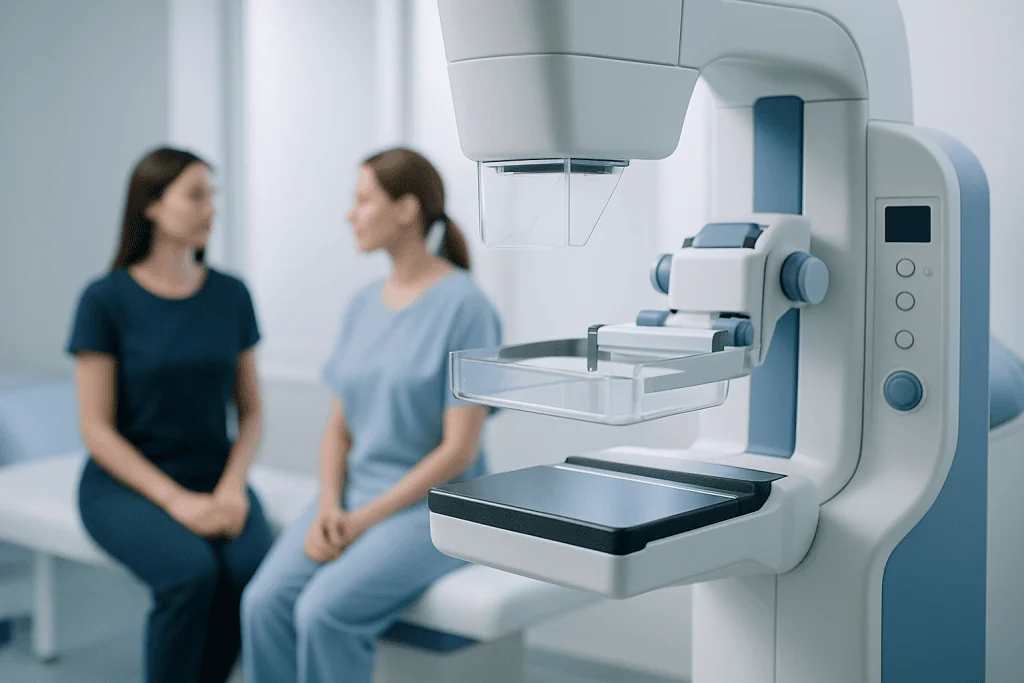
If prolactin is significantly elevated or symptoms suggest a pituitary cause, brain imaging may be recommended, usually an MRI focused on the pituitary gland. Breast imaging may also be needed if the discharge is one-sided, bloody, associated with a lump, or otherwise not typical of galactorrhea. This can include breast ultrasound and, when appropriate, mammography.
Because prolactin levels can rise temporarily with stress, exercise, or breast stimulation, repeat testing is sometimes needed. This helps avoid mislabeling a temporary hormone change as a chronic medical problem.
Treatment options and what recovery depends on
Treatment depends on the underlying cause rather than the discharge alone. If a medication appears responsible, the prescribing doctor may consider adjusting the dose or switching to an alternative. People should not stop prescription medicines on their own, especially psychiatric, blood pressure, or pain medicines.
When galactorrhea is caused by hypothyroidism, treating the thyroid problem often resolves the discharge. If tests show a prolactinoma or another prolactin-related pituitary disorder, treatment may include medicines that lower prolactin levels and shrink the tumor. In some situations, surgery is considered, especially if a tumor is large, causes vision problems, or does not respond to medication. A specialist service such as pituitary gland surgery may be part of care for selected patients.
If nipple stimulation is contributing, practical steps such as avoiding repeated checking, reducing friction, and choosing better-fitting clothing may help. Some people with mild symptoms and only small prolactin changes may not need active treatment, but they may benefit from follow-up to make sure the condition remains stable.
Most cases improve once the cause is identified and addressed. The outlook is often reassuring, especially when symptoms are linked to medicines, thyroid imbalance, or benign prolactin-related conditions.
Self-care, monitoring, and prevention
There is not always a way to prevent galactorrhea, but a few steps may reduce irritation and make symptoms easier to manage. Avoid frequent nipple squeezing to check whether discharge is still present, because repeated stimulation can encourage more milk production. Wearing soft, well-fitting bras and reducing friction during exercise may also help.
People who develop discharge after starting a new medicine should keep a note of when symptoms began and discuss it with their clinician. Bringing a full list of prescriptions, over-the-counter medicines, supplements, and herbal products to the appointment can make the cause easier to identify. It may also help to record whether the discharge is from one or both sides and whether there are any menstrual changes or headaches.
Healthy follow-up matters. Even when the discharge seems minor, a doctor may suggest repeat blood tests or monitoring if hormone levels are borderline or symptoms change. This is especially relevant when there are fertility concerns, ongoing irregular periods, or signs that point to a pituitary or thyroid problem.
Near the end of the care pathway, some patients may benefit from coordinated input from endocrinology, breast imaging, gynecology, or neurosurgery teams. Acibadem International’s multidisciplinary specialists and JCI-accredited hospitals diagnose and treat galactorrhea and related hormone disorders for international patients.
When to seek medical care
Any persistent nipple discharge that is not related to breastfeeding deserves medical attention, especially if it is new or unexplained. Galactorrhea is often benign and treatable, but it is still helpful to identify the reason rather than assume it will pass on its own.
More urgent assessment is important if the discharge is bloody, clear and spontaneous from one breast, or associated with a breast lump, nipple inversion, redness, skin dimpling, or fever. Medical review is also advisable if there are headaches, vision changes, missed periods, infertility, or symptoms of low testosterone or thyroid disease.
Men with nipple discharge should also seek prompt evaluation, since discharge in men is less common and should not be ignored. A qualified doctor can determine whether the cause is hormonal, breast-related, medication-related, or due to another health condition.
Frequently asked questions
Is galactorrhea a disease or a symptom?
Galactorrhea is a symptom, not a disease by itself. It describes milky nipple discharge that happens outside normal breastfeeding and may be caused by hormones, medicines, or other medical conditions.
Can galactorrhea happen if prolactin levels are normal?
Yes. Some people have galactorrhea even when blood prolactin levels are within the normal range. Nipple stimulation, medication effects, and breast sensitivity can sometimes cause discharge without a clearly elevated prolactin result.
Does galactorrhea mean someone has breast cancer?
Usually no. Galactorrhea is most often related to hormone imbalance, medication use, or benign pituitary causes rather than cancer. Still, bloody discharge, one-sided spontaneous discharge, or a breast lump should be evaluated promptly.
Can men develop galactorrhea?
Yes, although it is less common than in women. In men, galactorrhea may be linked to hormone disorders, medication side effects, or pituitary conditions and should be checked by a doctor.
Will galactorrhea go away on its own?
Sometimes it does, especially if it is related to temporary nipple stimulation or a reversible medication effect. However, persistent or unexplained discharge should be assessed so that thyroid problems, pregnancy, pituitary disorders, and other causes are not missed.
What tests are usually done for galactorrhea?
Doctors often begin with a history, physical exam, pregnancy test, prolactin level, and thyroid function tests. Depending on the findings, breast imaging or a pituitary MRI may also be recommended.
References
- National Institute of Diabetes and Digestive and Kidney Diseases
- American College of Obstetricians and Gynecologists
- Mayo Clinic
- Merck Manual
- Endocrine Society
This article is for general information only and is not a substitute for professional medical advice. Please consult a qualified doctor about your individual situation.
Explore treatments in Turkey — costs, top hospitals & a free quote
JCI-accredited · board-certified surgeons · reply within 24h
Add us as a Preferred Source to see more of our trusted health content across Google Search, AI Overviews and Discover.
Check your numbers in seconds
BMI, calories, due date, blood pressure and 30+ more clinical calculators — free, instant, doctor-reviewed ranges.