Follicular phase: A Complete Medical Guide for Patients

The follicular phase starts on day 1 of menstruation and ends when ovulation begins. Its main role is to mature ovarian follicles and prepare the uterine lining for possible pregnancy.
Key Takeaways
- The follicular phase starts on day 1 of menstruation and ends when ovulation begins.
- Its main role is to mature ovarian follicles and prepare the uterine lining for possible pregnancy.
- Cycle length often varies because the follicular phase can be shorter or longer from month to month.
- Rising estrogen during this phase may affect energy, cervical mucus, mood, and vaginal discharge.
- Irregular or absent ovulation can be linked to conditions such as [[DISEASE:polycystic-ovary-syndrome-pcos|polycystic ovary syndrome]].
The follicular phase is the first part of the menstrual cycle, beginning on the first day of a period and ending at ovulation. During this time, the brain and ovaries work together to mature an egg and build the uterine lining, mainly through rising follicle-stimulating hormone and estrogen.
Overview: what the follicular phase means
The follicular phase is the first major stage of the menstrual cycle. It begins on the first day of menstrual bleeding and continues until ovulation, when the ovary releases an egg. In simple terms, this is the body’s preparation phase: hormones signal the ovaries to develop follicles, and one of these follicles usually becomes dominant and prepares an egg for release.
This phase is driven by close communication between the brain, pituitary gland, and ovaries. The pituitary releases follicle-stimulating hormone, or FSH, which encourages several follicles in the ovary to start maturing. As these follicles grow, they produce estrogen, which helps rebuild the uterine lining after menstruation.
Many people think of the menstrual cycle as a fixed 28-day pattern, but normal cycles can vary. One reason is that the follicular phase is not always the same length. In many women, this is the part of the cycle that changes the most, while the time after ovulation tends to be more consistent.
How it fits into the menstrual cycle
The menstrual cycle is often described in phases: menstruation, the follicular phase, ovulation, and the luteal phase. Menstruation overlaps with the early part of the follicular phase. While bleeding is happening, new follicles are already beginning to develop in the ovaries.
As the follicular phase progresses, estrogen levels rise. This hormone thickens the endometrium, which is the lining of the uterus. The body does this in case pregnancy occurs after ovulation and fertilization. Near the end of the phase, high estrogen levels help trigger a surge of luteinizing hormone, or LH, which leads to ovulation.
The length of the follicular phase can vary from person to person and from cycle to cycle. A longer phase usually means ovulation happens later, while a shorter phase means it happens earlier. Tracking these changes can be useful for understanding fertility, symptoms, and overall reproductive health.
- Day 1 of the cycle: menstrual bleeding begins
- Early to mid-follicular phase: follicles grow under FSH stimulation
- Late follicular phase: estrogen rises and one dominant follicle matures
- End of the phase: LH surge leads to ovulation
Hormones and body changes during the follicular phase

Several hormones shape the follicular phase, but FSH and estrogen are especially important. FSH stimulates the ovarian follicles, which are small fluid-filled sacs containing immature eggs. As one follicle becomes dominant, it produces increasing amounts of estrogen.
Estrogen has several effects throughout the body. It helps thicken the uterine lining, changes cervical mucus so it becomes clearer and more slippery as ovulation approaches, and may influence mood, skin, sleep, and energy levels. Some women feel more energetic or mentally focused in the later follicular phase, although experiences differ widely.
Physical signs can also shift during this time. Menstrual bleeding gradually ends, bloating may improve, and vaginal discharge may become more noticeable as ovulation nears. These changes are usually normal and reflect healthy hormonal activity rather than a problem.
If hormone patterns are disrupted, ovulation may not happen regularly. This can occur with stress, significant weight change, intense exercise, thyroid disease, elevated prolactin, or PCOS. In these situations, the follicular phase may become unusually long, unpredictable, or absent.
Common symptoms and what is considered normal
The follicular phase does not cause the same symptoms in everyone. Some women notice very little, while others can clearly feel changes as hormones rise. Normal experiences may include the end of menstrual cramps, improving energy, better exercise tolerance, mild pelvic awareness, and changes in vaginal discharge.
Clear, stretchy cervical mucus near the end of the follicular phase is often a normal sign that ovulation is approaching. Some women also notice improved mood or libido during this part of the cycle. These changes are linked to rising estrogen and the body’s preparation for egg release.
Symptoms that deserve attention include very heavy bleeding, bleeding between periods, severe pelvic pain, cycles that are consistently very short or very long, or repeated missed periods. These patterns can suggest hormone imbalance, structural gynecologic problems, or an ovulation disorder. In some cases, a clinician may evaluate for related conditions such as endometriosis or other causes of pelvic pain and irregular cycles.
What can affect the follicular phase length
The follicular phase may be influenced by age, stress, sleep, nutrition, exercise patterns, and underlying medical conditions. In adolescence and the years approaching menopause, cycles are often more variable because ovulation may not happen regularly. Temporary changes can also occur after illness, travel, or emotional stress.
Body weight and energy balance also matter. Very low calorie intake, rapid weight loss, or intense athletic training can reduce the hormonal signals needed for regular follicle development and ovulation. On the other hand, insulin resistance and hormonal conditions such as PCOS may delay or prevent ovulation, leading to longer cycles.
Certain medications and endocrine conditions can contribute as well. Thyroid disorders, high prolactin levels, and some forms of hormonal contraception alter the body’s usual cycle pattern. When cycles become persistently irregular or symptoms interfere with daily life, a gynecologic assessment may help identify the reason.
How doctors evaluate concerns related to the follicular phase
The follicular phase itself is a normal part of reproductive physiology and does not need treatment. Medical evaluation becomes important when there are problems such as irregular periods, infertility, very painful cycles, unusually heavy bleeding, or signs that ovulation is not occurring regularly. A doctor will usually begin with a menstrual history, symptom review, and physical examination.
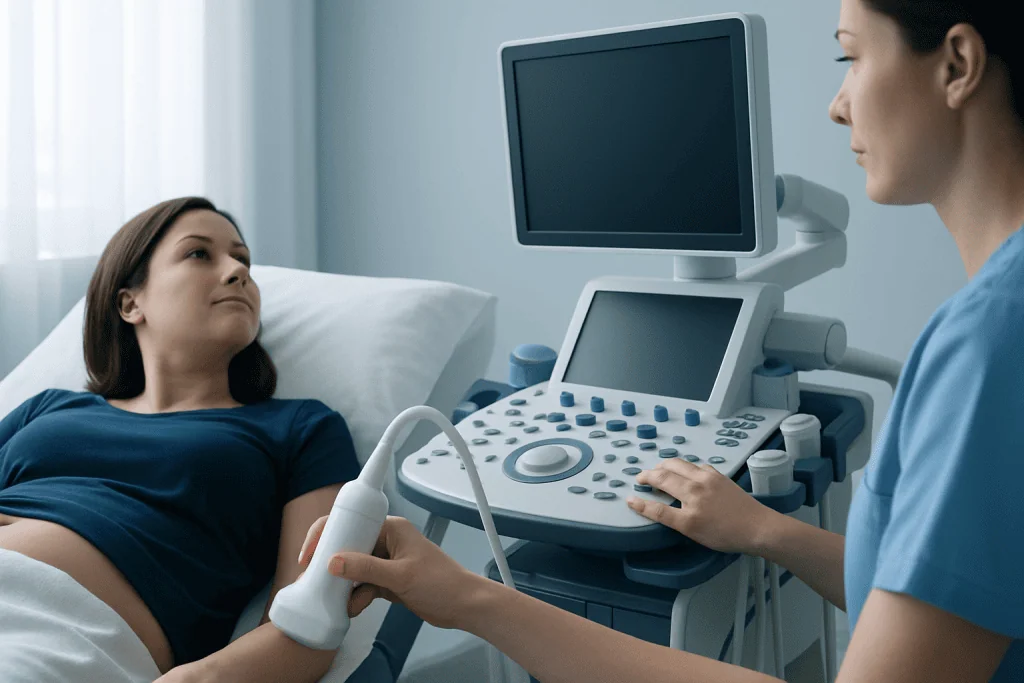
Depending on the concern, testing may include blood work to assess hormones such as FSH, LH, estradiol, thyroid-stimulating hormone, and prolactin. Ovulation patterns can sometimes be assessed through cycle tracking, home ovulation tests, or progesterone measurement later in the cycle. Pelvic ultrasound may be used to look at the ovaries, follicles, and uterine lining.
When fertility is the main concern, further evaluation may be recommended to look for ovarian reserve issues, ovulation disorders, or structural causes. Some women benefit from specialist assessment in fertility and ovulation care if pregnancy has not occurred as expected or if cycles are highly irregular.
Treatment, self-care, and cycle tracking
Because the follicular phase is a normal stage of the cycle, treatment focuses on any underlying problem rather than the phase itself. If irregular ovulation is related to thyroid disease, weight changes, stress, or PCOS, management is tailored to the cause. This may include lifestyle changes, hormonal treatment, or fertility-focused care when appropriate.
Self-care can support cycle awareness and overall reproductive health. Tracking cycle length, the first day of bleeding, cervical mucus, and ovulation predictor results may help a woman understand her own pattern. Good sleep, balanced nutrition, regular moderate exercise, and stress management may also support hormonal health, although they do not replace medical care when symptoms are significant.
For women trying to conceive, the late follicular phase is especially relevant because it leads into the fertile window. If ovulation is irregular or difficult to predict, a doctor may discuss options such as ovulation induction or broader infertility treatment depending on the individual situation.
Near the end of a patient’s evaluation and care journey, multidisciplinary specialists at Acibadem International and its JCI-accredited hospitals may help diagnose and manage menstrual, ovulatory, and fertility-related concerns for international patients.
When to seek medical care
Medical advice is recommended if periods suddenly become very irregular, stop for several months, or are accompanied by severe pain, very heavy bleeding, fainting, or significant fatigue. These symptoms are not explained by the normal follicular phase alone and deserve professional assessment.
Women who are trying to conceive may also benefit from medical review if cycles are consistently unpredictable or if ovulation is unclear. Earlier evaluation may be especially helpful for those with known hormone disorders, previous pelvic surgery, or symptoms such as excess hair growth, acne, pelvic pain, or milk discharge from the breasts when not breastfeeding.
Prompt care is important for sudden one-sided pelvic pain, fever, or unusual bleeding, especially if pregnancy is possible. A qualified clinician can determine whether symptoms are related to routine cycle changes or to another gynecologic or endocrine condition that needs treatment.
Frequently asked questions
What is the follicular phase?
The follicular phase is the first part of the menstrual cycle. It starts on the first day of a period and ends at ovulation, when an egg is released from the ovary.
How long does the follicular phase last?
Its length varies from person to person and from cycle to cycle. In many women, this is the most variable part of the cycle, which is why overall cycle length can change.
Can the follicular phase cause symptoms?
Yes, but symptoms are often mild and differ between individuals. Common changes include the end of menstrual bleeding, improved energy, and clearer or more slippery cervical mucus as ovulation approaches.
Is a long follicular phase a problem?
Not always, because some variation is normal. However, a persistently long follicular phase can mean ovulation is delayed or not happening regularly, which may need medical evaluation.
How can someone tell they are in the follicular phase?
The follicular phase begins with day 1 of menstrual bleeding. As it continues, bleeding stops and cervical mucus may become clearer and stretchier, especially close to ovulation.
Does the follicular phase matter for fertility?
Yes. This phase prepares the egg and uterine lining for possible pregnancy, and it leads into ovulation, which is the most fertile time of the cycle. If ovulation is irregular, fertility may be affected.
When should someone talk to a doctor about cycle changes?
A doctor should be consulted if periods are very irregular, absent, unusually heavy, or very painful. Medical advice is also helpful when pregnancy is desired but ovulation seems unpredictable or cycles are difficult to track.
References
- American College of Obstetricians and Gynecologists
- Office on Women's Health
- National Institute for Health and Care Excellence
- World Health Organization
This article is for general information only and is not a substitute for professional medical advice. Please consult a qualified doctor about your individual situation.
Hair transplant in Turkey — costs, graft counts & a free assessment
JCI-accredited · board-certified surgeons · reply within 24h
Add us as a Preferred Source to see more of our trusted health content across Google Search, AI Overviews and Discover.
Check your numbers in seconds
BMI, calories, due date, blood pressure and 30+ more clinical calculators — free, instant, doctor-reviewed ranges.