Frontal Lobe Function: How It Shapes Judgment, Movement, and Personality

The frontal lobe helps control judgment, planning, emotions, movement, and aspects of speech. Frontal lobe problems may cause personality changes, poor concentration, weakness, or difficulty organizing tasks.
Key Takeaways
- The frontal lobe helps control judgment, planning, emotions, movement, and aspects of speech.
- Frontal lobe problems may cause personality changes, poor concentration, weakness, or difficulty organizing tasks.
- Causes include head injury, stroke, tumors, infections, and neurodegenerative conditions.
- Diagnosis often combines a neurological exam, cognitive assessment, and brain imaging.
- Treatment depends on the cause and may include medication, rehabilitation, surgery, or supportive therapies.
- Early medical evaluation is important when new behavioral, cognitive, or movement changes appear.
Frontal lobe function plays a central role in planning, movement, behavior, speech, and decision-making. When this part of the brain is affected, changes may appear in personality, attention, impulse control, or physical abilities.
Overview of Frontal Lobe Function
The frontal lobe is the large front part of each hemisphere of the brain. It is involved in many of the abilities that shape daily life, including planning, judgment, problem-solving, emotional control, voluntary movement, and aspects of language. Because these skills are so broad, frontal lobe function influences how a person thinks, acts, communicates, and responds to the world around them.
This region is often associated with what doctors call executive functions. These include setting goals, organizing steps, switching attention, controlling impulses, and making decisions. The frontal lobe also contains important motor areas that help start and coordinate movement, as well as regions that support speech production in the dominant hemisphere.
When the frontal lobe is working well, many of its activities happen smoothly in the background. A person can manage routines, adapt to changes, express themselves appropriately, and move with control. When the frontal lobe is affected by illness or injury, the changes can be subtle at first or more noticeable, depending on the area involved and how extensive the problem is.
What the Frontal Lobe Does
Frontal lobe function includes several major roles. One of the best known is executive control. This helps a person weigh options, think ahead, prioritize tasks, and stay focused long enough to complete them. It also supports self-monitoring, which is the ability to notice mistakes and adjust behavior.
Another key role is movement. The primary motor cortex, located in the frontal lobe, sends signals that allow voluntary movement of the arms, legs, face, and other body parts. Nearby areas help plan more complex actions, such as writing, walking, or using tools. Damage in these regions can lead to weakness, clumsiness, or difficulty carrying out learned movements.
The frontal lobe also helps regulate emotions, social behavior, and personality. It contributes to restraint, empathy, motivation, and appropriate reactions in different settings. In the dominant hemisphere, it supports speech production through Broca’s area. A person with frontal lobe problems may therefore have trouble speaking fluently, controlling impulses, or behaving in ways that feel consistent with their usual personality.
- Planning and organization
- Attention and working memory
- Decision-making and judgment
- Impulse control and social behavior
- Voluntary movement
- Speech production in the dominant hemisphere
Symptoms of Frontal Lobe Problems

Symptoms linked to the frontal lobe vary widely because this area serves many different functions. Some people develop changes in thinking and behavior, such as poor concentration, impulsiveness, reduced motivation, forgetfulness, or trouble organizing ordinary tasks. Family members may notice personality changes before the person does.
Emotional and social changes are also common. A person may become unusually irritable, apathetic, disinhibited, or less aware of social boundaries. Others may seem emotionally flat or less able to recognize the impact of their behavior on those around them. These changes can be distressing, but they are often related to brain function rather than a deliberate choice.
Physical symptoms can occur when motor areas are involved. These may include weakness on one side of the body, slowed movement, problems with coordination, changes in walking, or facial weakness. If language areas are affected, speech may become effortful or broken. Depending on the cause, symptoms may develop suddenly, as in a stroke, or gradually, as in a tumor or a neurodegenerative condition such as Parkinson's disease or some forms of dementia.
Causes and Risk Factors
Frontal lobe dysfunction can result from many medical conditions. Common causes include traumatic brain injury, stroke, brain tumors, infections affecting the brain, lack of oxygen, inflammatory disorders, and seizures. Some diseases primarily affect frontal lobe circuits over time, leading to progressive changes in behavior, language, or executive function.
Age-related and neurodegenerative conditions may also involve the frontal lobe. These include certain types of dementia, movement disorders, and conditions that affect brain networks rather than one small area. In some cases, symptoms can overlap with mental health conditions, which is one reason careful medical evaluation matters.
Risk factors depend on the underlying cause. They may include high blood pressure, diabetes, smoking, high cholesterol, falls, contact sports, substance use, infections, or a personal history of neurological disease. Structural causes such as a brain tumor may produce headaches, seizures, or gradual cognitive change, although symptoms vary from person to person.
How Doctors Diagnose Frontal Lobe Disorders
Diagnosis begins with a detailed medical history and neurological examination. A doctor asks about changes in memory, judgment, mood, movement, speech, work performance, and daily routines. Because people are not always fully aware of behavioral changes, input from family members or close friends can be very helpful.
Testing may include cognitive or neuropsychological assessment to measure attention, planning, language, memory, and problem-solving. These tests do not simply look for dementia; they help identify which brain functions are affected and how strongly daily life is being impacted. A mental health evaluation may also be considered if symptoms overlap with depression, anxiety, or other psychiatric conditions.
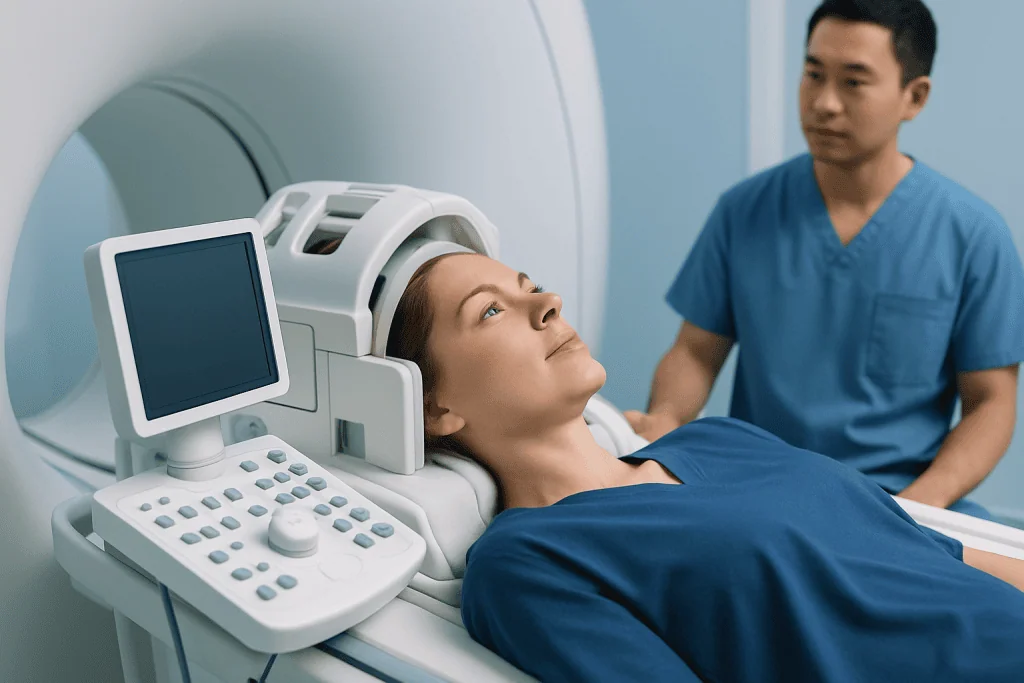
Brain imaging is often an important part of diagnosis. Doctors may use MRI scanning or CT to look for stroke, injury, bleeding, tumors, or structural changes. Additional tests can include blood work, EEG for suspected seizures, or vascular studies when blood flow problems are possible. The goal is to identify the cause accurately, because treatment depends on the underlying problem.
Treatment Options and Rehabilitation
Treatment for frontal lobe dysfunction is tailored to the cause. A stroke may require urgent medical treatment and rehabilitation. A tumor may need monitoring, surgery, or other therapies. Infections, inflammatory disorders, or seizures are treated with appropriate medications. If symptoms are related to a neurodegenerative disease, care usually focuses on symptom management, function, and quality of life.
Rehabilitation is often a key part of recovery or long-term care. Depending on the person’s needs, this may include physical therapy for strength and movement, occupational therapy for daily tasks and planning skills, and speech-language therapy for communication. Some patients also benefit from structured cognitive rehabilitation to improve attention, organization, and compensatory strategies.
When structural brain problems are identified, specialist treatment may be needed. This can include neurosurgery for selected lesions or stroke treatment when a blood vessel problem affects the frontal lobe. Emotional and behavioral symptoms may improve with counseling, caregiver education, routines, and carefully chosen medications. Near the end of the care journey, some international patients may seek assessment at Acibadem International, where multidisciplinary specialists in JCI-accredited hospitals diagnose and treat complex neurological conditions.
Prevention and Self-care
Not all causes of frontal lobe problems can be prevented, but healthy habits can lower the risk of several major conditions. Protecting brain and blood vessel health is especially important. Managing blood pressure, cholesterol, and blood sugar can reduce stroke risk, while regular exercise, good sleep, and a balanced diet support overall brain function.
Head injury prevention also matters. Wearing seat belts, using helmets during sports or cycling, reducing fall risks at home, and following workplace safety measures can help protect the brain. Avoiding excessive alcohol and seeking treatment for substance misuse may also reduce injury and neurological harm.
For people already living with frontal lobe symptoms, practical self-care can make daily life easier. Helpful steps may include keeping routines simple, using calendars and reminders, breaking tasks into smaller steps, and limiting distractions. Family support is often important, especially when changes in insight, judgment, or social behavior are present.
When to See a Doctor
A doctor should evaluate new or worsening changes in personality, judgment, concentration, speech, or movement. Medical attention is especially important if symptoms are affecting work, school, relationships, or safety. Gradual changes can still signal a neurological condition and should not be ignored.
Urgent care is needed for sudden symptoms such as one-sided weakness, trouble speaking, severe confusion, sudden imbalance, seizures, or a severe headache with neurological changes. These may suggest stroke, bleeding, or another emergency. Prompt treatment can improve outcomes in some conditions.
Follow-up care is also important after diagnosis. Frontal lobe conditions often affect many parts of life, so treatment may involve neurologists, rehabilitation specialists, mental health professionals, and primary care doctors. Ongoing review helps adjust the care plan as symptoms change over time.
Frequently asked questions
What is frontal lobe function in simple terms?
Frontal lobe function refers to the brain activities that help a person plan, decide, control behavior, move voluntarily, and speak fluently. It plays a major role in personality, judgment, and everyday organization.
What happens when the frontal lobe is damaged?
Frontal lobe damage can affect thinking, mood, movement, and social behavior. A person may become more impulsive, less organized, less motivated, weaker on one side, or have trouble producing speech, depending on the exact area involved.
Can frontal lobe problems cause personality changes?
Yes. The frontal lobe helps regulate emotions, inhibition, and socially appropriate behavior, so injury or disease in this area can lead to noticeable personality changes. These changes are often medical in origin and deserve professional assessment.
Are frontal lobe symptoms always permanent?
Not always. Some symptoms improve when the underlying cause is treated, especially after conditions such as mild injury, seizures, infection, or certain strokes. In other cases, rehabilitation and supportive care help people adapt and function better over time.
How is frontal lobe dysfunction tested?
Doctors usually combine a neurological exam with questions about behavior, thinking, speech, and movement. Brain imaging, cognitive testing, and sometimes blood tests or EEG may be used to identify the cause and measure its effects.
When should someone seek urgent help for frontal lobe symptoms?
Urgent medical care is needed if symptoms start suddenly or include weakness, trouble speaking, severe confusion, seizures, or loss of consciousness. These may be signs of stroke, bleeding, or another emergency that needs immediate treatment.
References
- National Institute of Neurological Disorders and Stroke
- National Institute on Aging
- World Health Organization
- American Stroke Association
- Mayo Clinic
This article is for general information only and is not a substitute for professional medical advice. Please consult a qualified doctor about your individual situation.
Explore treatments in Turkey — costs, top hospitals & a free quote
JCI-accredited · board-certified surgeons · reply within 24h
Add us as a Preferred Source to see more of our trusted health content across Google Search, AI Overviews and Discover.
Check your numbers in seconds
BMI, calories, due date, blood pressure and 30+ more clinical calculators — free, instant, doctor-reviewed ranges.

More from the Health Library



Related Specialists

Dr. Chasan Ismail Basa
Emergency Service
Dr. İlke Karagöz
Aesthetic Plastic & Reconstructive Surgery
Dr. Mustafa Kartal
Pediatrics
Assoc. Prof. Dr. Hasan Üstün
Medical Oncology