Frostnip: A Complete Medical Overview

Frostnip is the mildest form of cold-related skin injury and is often reversible. Common symptoms include cold, pale, numb, or tingling skin that may turn red and feel sore during rewarming.
Key Takeaways
- Frostnip is the mildest form of cold-related skin injury and is often reversible.
- Common symptoms include cold, pale, numb, or tingling skin that may turn red and feel sore during rewarming.
- Prompt, gentle rewarming and getting out of the cold are the main first-aid steps.
- Continued exposure can allow frostnip to progress to frostbite, which is more serious.
- Medical care is important if symptoms do not improve, severe pain develops, or deeper tissue injury is suspected.
Frostnip is a mild, early cold injury that affects the surface layers of the skin, most often on the fingers, toes, nose, ears, or cheeks. It usually improves with prompt, gentle warming and does not typically cause permanent tissue damage, but it can progress to frostbite if cold exposure continues.
Overview: What frostnip is and how it differs from frostbite
Frostnip is a mild cold injury that affects the outermost layers of the skin. It happens when skin is exposed to cold temperatures long enough for the area to become very cold, numb, and pale, but not long enough to cause deeper freezing and lasting tissue damage. In most cases, frostnip improves once the person moves to a warmer place and the skin is rewarmed gently.
This condition most often affects body parts that are exposed to the environment or have less insulation and circulation, such as the fingers, toes, ears, nose, and cheeks. Wind, wet clothing, tight footwear, and staying still in the cold for a long time can all make frostnip more likely. Because symptoms can seem mild at first, people may not realize that the skin is being injured by the cold.
Frostnip is different from frostbite, which is a deeper and more serious cold injury. Frostbite can damage skin and the tissues underneath it, sometimes leading to blisters, color changes, or long-term problems. Frostnip is often considered a warning sign: if cold exposure continues, the injury can progress to frostbite.
Signs and symptoms of frostnip
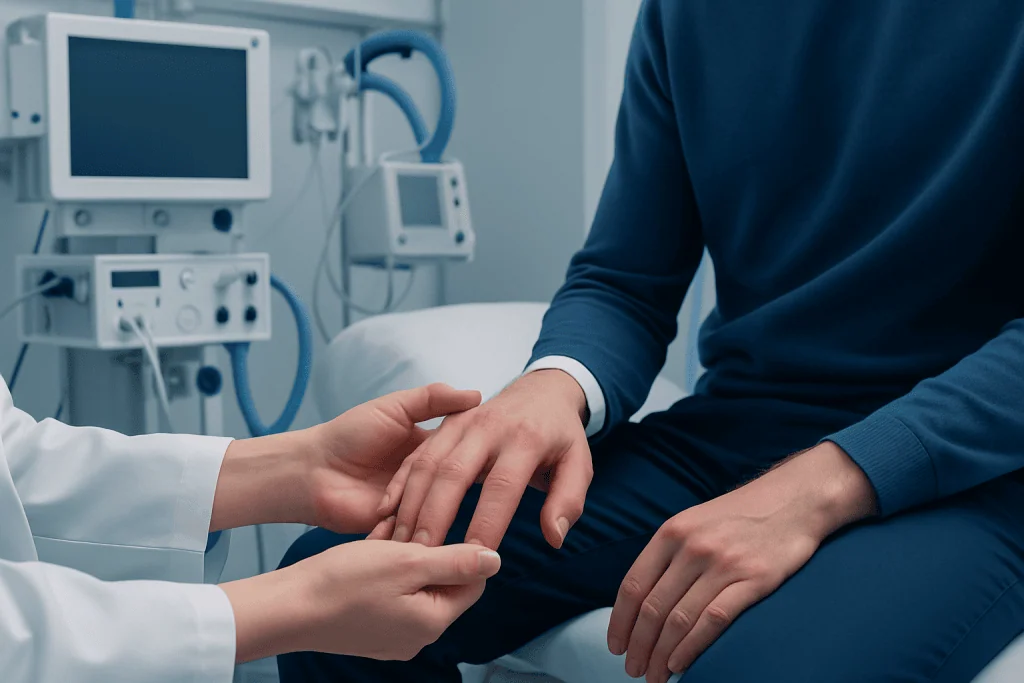
The symptoms of frostnip usually begin gradually during exposure to cold weather. The skin may feel very cold and become pale, white, or slightly yellowish. Numbness is common, and some people notice tingling, prickling, or a “pins and needles” sensation.
After the affected area is rewarmed, the skin often becomes red or flushed and may feel tender, throbbing, or mildly painful. A brief burning sensation can happen as feeling returns. Unlike deeper cold injury, frostnip does not usually cause hard, wooden-feeling tissue, significant swelling, or blisters.
Common symptoms can include:
- Cold, numb skin
- Pale or whitish color changes
- Tingling or prickling sensations
- Mild pain or sensitivity during rewarming
- Temporary redness after warming
Because sensation is reduced, a person may not fully notice the injury while still outdoors. This is one reason why regular checks of the face, hands, and feet are important during winter activities, especially in children, older adults, and people with reduced circulation.
Why frostnip happens: causes and risk factors
Frostnip develops when the skin loses heat faster than the body can replace it. Cold air, wind, and wet conditions all increase heat loss. Wind is especially important because it removes the thin layer of warmth around the skin, allowing exposed areas to cool quickly. Wet socks, gloves, or shoes can make the problem worse by reducing insulation.
Several personal and medical factors can raise the risk. Poorly fitting boots or tight gloves may restrict blood flow. Fatigue, dehydration, smoking, alcohol use, and not eating enough can also reduce the body’s ability to stay warm. Certain health conditions, especially those affecting circulation or sensation, can increase vulnerability to cold injury.
Risk factors include:
- Cold, windy, or wet weather
- Exposed skin or inadequate winter clothing
- Prolonged outdoor activity, especially without breaks
- Tight footwear or gloves
- Poor circulation, including some vascular conditions
- Diabetes or nerve problems that reduce sensation
- Young age, older age, exhaustion, or dehydration
In some people, episodes of finger color change and sensitivity in the cold may also be related to circulation problems such as Raynaud syndrome. Frostnip itself is a cold injury, but underlying circulation issues can make cold exposure harder for the body to tolerate.
What to do right away: first aid and gentle rewarming
The first and most important step is to get out of the cold. Move indoors, into a heated vehicle, or to another sheltered place as soon as possible. Remove wet gloves, socks, or clothing and replace them with dry, loose, warm layers. If the hands or feet are affected, avoid walking long distances on cold-injured feet when possible.
Gentle rewarming is the recommended first aid for frostnip. Warm the area gradually using body heat, warm room air, or comfortably warm water if available. For example, cold fingers can be placed in the armpits, and a chilled nose or cheeks can be covered with warm hands. The goal is steady warming, not intense heat.
It is important not to rub, massage, or scrub the skin, because this may increase irritation or damage. Direct heat sources such as heating pads, hot water bottles, fireplaces, or very hot water should also be avoided, especially when the skin is numb and burns may not be felt. If pain, discoloration, or numbness persists after rewarming, medical assessment is advisable.
If symptoms seem more severe than mild frostnip, doctors may assess for deeper injury and, when needed, use hyperbaric oxygen therapy or other supportive treatments as part of broader cold-injury care. The best approach depends on how long the person was exposed, what the skin looks like, and whether deeper tissues may be involved.
How doctors diagnose frostnip
Frostnip is mainly diagnosed through the history of cold exposure and a physical examination. A clinician will ask where the exposure happened, how long it lasted, whether the skin was wet, and what symptoms developed during and after rewarming. They will also examine the color, temperature, sensation, and texture of the skin.
In straightforward cases, tests may not be needed. The main question is whether the injury is limited to the surface skin or whether it has progressed to frostbite or another problem. Doctors also consider other cold-related conditions, including chilblains, Raynaud syndrome, or skin infections that may look similar after rewarming.
If circulation problems or tissue damage are suspected, further evaluation may be recommended. This can include monitoring blood flow, checking for nerve injury, or using Doppler ultrasound to help assess circulation in affected areas. Testing is guided by symptoms and physical findings rather than used routinely for every case of frostnip.
Treatment and recovery
Most frostnip improves with prompt rewarming and protection from further cold exposure. Once normal skin color and sensation return, the area should be kept warm, dry, and protected from friction. Recovery is usually complete, although temporary sensitivity, tingling, or mild discomfort can continue for a short time after the episode.
Supportive care may include rest, hydration, and simple pain relief if recommended by a clinician. If the skin remains numb, develops blisters, turns blue or dark, or becomes very painful, a more serious cold injury may be present. In these situations, doctors focus on preserving tissue, restoring circulation, and managing complications.
Cold injuries affecting the fingers or toes may sometimes need evaluation by specialists in circulation or reconstruction if there is concern for deeper damage. Depending on the situation, treatment planning can involve peripheral artery disease treatment approaches when poor blood flow is contributing to risk or recovery problems. Care is individualized based on the extent of injury and the person’s general health.
Near the end of recovery, patients may be advised to avoid repeat cold exposure until the area has fully healed. Acibadem International’s multidisciplinary specialists and JCI-accredited hospitals evaluate and treat cold-related injuries for international patients when more detailed assessment or follow-up is needed.
Prevention and self-care in cold weather
Prevention focuses on keeping the skin warm, dry, and protected. Layered clothing helps trap heat, and wind-resistant outerwear reduces heat loss. Hats, insulated gloves or mittens, thick socks, and properly fitting boots are especially important. Since moisture increases heat loss, changing wet clothes promptly can make a major difference.
Planning ahead also matters. Check weather conditions, especially wind chill, before spending time outdoors. Take regular breaks in a warm place during skiing, hiking, work, or winter sports. Eating and drinking regularly can support the body’s ability to maintain temperature, while smoking and alcohol can reduce safe cold tolerance in some situations.
Helpful prevention tips include:
- Dress in layers and cover exposed skin
- Keep hands, feet, ears, and nose protected
- Avoid tight shoes, gloves, or clothing that restrict circulation
- Replace wet socks and gloves quickly
- Limit time outdoors in severe cold or wind
- Use the buddy system to check for pale skin or numb areas
People who have had frostnip before may find that the same areas become cold-sensitive more easily. Those with diabetes, nerve disorders, or circulation conditions should be especially cautious and may benefit from discussing winter safety with a healthcare professional before travel or outdoor activities.
When to seek medical care
Medical care should be sought if symptoms do not improve after gentle rewarming, or if the affected area remains numb, painful, or discolored. Evaluation is also important if the skin looks hard, waxy, blue, gray, or dark, or if blisters develop. These features can suggest frostbite rather than simple frostnip.
People should also seek help if a large area is affected, if they cannot rewarm the skin safely, or if there are signs of other cold-related illness such as confusion, severe shivering, weakness, or drowsiness. Children, older adults, and people with diabetes or circulation disorders may need earlier medical assessment because symptoms can be harder to judge.
Urgent medical attention is appropriate when there is concern for deep tissue injury, loss of function, or infection. A qualified doctor can confirm the diagnosis, assess circulation, and recommend the safest treatment plan.
Frequently asked questions
Is frostnip the same as frostbite?
No. Frostnip is a mild, early cold injury that affects the surface of the skin and usually improves with rewarming. Frostbite is deeper and more serious, with a higher risk of lasting tissue damage.
What does frostnip look and feel like?
Frostnip often makes the skin look pale or whitish and feel cold, numb, or tingly. As the area warms up, it may become red, sensitive, or mildly painful for a short time.
Can frostnip go away on its own?
It often improves once the person gets out of the cold and the skin is rewarmed gently. However, if symptoms do not improve or the area develops blisters, severe pain, or persistent numbness, medical evaluation is important.
Should frostnip be rubbed or massaged to warm it up?
No. Rubbing or massaging cold-injured skin is not recommended because it can increase irritation and may worsen tissue injury. Gentle warming with body heat or comfortably warm water is safer.
Who is more likely to get frostnip?
People spending time in cold, windy, or wet weather are at risk, especially if they wear tight or inadequate clothing. Risk is also higher in children, older adults, and people with poor circulation, diabetes, or reduced sensation.
How can frostnip be prevented?
The best prevention is to keep the body warm, dry, and protected from wind. Wearing layers, changing wet clothing quickly, and limiting time outdoors in severe cold can lower the risk.
This article is for general information only and is not a substitute for professional medical advice. Please consult a qualified doctor about your individual situation.
Explore treatments in Turkey — costs, top hospitals & a free quote
JCI-accredited · board-certified surgeons · reply within 24h
Add us as a Preferred Source to see more of our trusted health content across Google Search, AI Overviews and Discover.

More from the Health Library

Worms From Eyes: A Complete Medical Overview

When Should You Get a General Health Checkup?

Pyelectasis: A Complete Medical Overview

Carbon Monoxide Poisoning: An Evidence-Based Guide for Patients

Myotonica: A Complete Medical Overview