Worms From Eyes: A Complete Medical Overview

Worms from eyes are uncommon but medically important parasitic infections. Symptoms may include redness, pain, irritation, swelling, tearing, or vision changes.
Key Takeaways
- Worms from eyes are uncommon but medically important parasitic infections.
- Symptoms may include redness, pain, irritation, swelling, tearing, or vision changes.
- Diagnosis often requires an eye examination and sometimes imaging or laboratory testing.
- Treatment may involve careful removal of the parasite, antiparasitic medicines, and treatment of inflammation or infection.
- Prompt specialist care helps reduce the risk of eye damage and vision problems.
Worms from eyes usually refers to a rare parasitic infection affecting the eyelid, conjunctiva, tear ducts, or structures inside the eye. Although uncommon, these infections should be assessed promptly because treatment depends on the parasite involved and the part of the eye affected.
Overview: What does "worms from eyes" mean?
“Worms from eyes” is a nonmedical phrase people use when a parasite is seen in or around the eye, or when symptoms suggest a parasitic eye infection. In medical terms, this may involve parasites affecting the eyelids, conjunctiva, tear ducts, tissues around the eye, or, more seriously, deeper structures inside the eye. These conditions are rare, but they do occur in some parts of the world and can affect travelers as well as local residents.
Not every sensation of something moving in the eye means there is an actual worm. Dry eye, allergies, blepharitis, floaters, or infections can also cause discomfort, twitching, or a foreign-body sensation. Because the causes are very different, a proper eye examination is important rather than assuming the problem is a parasite.
Several parasites have been linked with ocular disease. Depending on the organism, infection can happen through insect bites, contact with contaminated water or soil, poor hand hygiene, undercooked food, or transfer from animals. In some situations, the parasite is visible on the surface of the eye; in others, it is detected only through specialist examination.
The main concern is not simply the presence of a worm, but the inflammation and tissue damage it can cause. Early assessment by an eye specialist helps identify the source, relieves symptoms, and lowers the chance of lasting complications.
Symptoms and possible signs
Symptoms vary depending on where the parasite is located and how much inflammation it causes. Some people notice sudden eye irritation or the feeling that something is stuck in the eye. Others develop more obvious redness, swelling, or discharge. If the parasite affects deeper eye structures, symptoms may be more severe and may include visual disturbance.
Common symptoms and signs can include:
- Redness of the eye
- Tearing or watery eyes
- Itching, burning, or irritation
- Pain or tenderness around the eye
- Swelling of the eyelid or tissues around the eye
- A visible thread-like structure on the eye surface or under the eyelid
- Blurred vision or reduced visual clarity
- Sensitivity to light
- A sensation of movement or a foreign body in the eye
In more serious cases, there may be inflammation inside the eye, sometimes called uveitis or endophthalmitis-like inflammation, depending on the presentation. This can lead to floaters, worsening vision, or eye pain. These symptoms need urgent assessment because they may signal deeper involvement that threatens sight.
Children and older adults may not describe symptoms clearly. A child may simply rub the eye, avoid bright light, or become irritable. Any unexplained eye redness, swelling, or change in vision should be evaluated promptly, especially after travel, insect exposure, or contact with animals.
Causes and risk factors

Parasitic eye infections can be caused by different organisms, including roundworms, fly larvae, and tissue parasites. Examples described in medical literature include Thelazia species, which may affect the conjunctiva; Loa loa, associated with certain regions of Africa; Toxocara, which can cause inflammation inside the eye; and some larval infestations that involve tissues around the eye. The exact cause matters because management differs from one parasite to another.
Risk depends largely on exposure. Living in or traveling to areas where specific parasites are common can increase the likelihood of infection. Insect bites, especially from flies or other vectors, may transmit some parasites. Close contact with animals, contaminated hands, unwashed produce, or soil can contribute in certain infections. Eating undercooked meat or fish may also be relevant for some parasitic diseases.
People may be at higher risk if they have frequent outdoor exposure in endemic areas, poor access to clean water or sanitation, or limited veterinary control of animals. Children can be more vulnerable to some parasites because of hand-to-mouth behaviors and greater contact with soil or pets.
It is also important to consider that symptoms resembling worms from eyes may be due to nonparasitic eye conditions. These include <a href="https://acibademinternational.com/diseases/allergic-conjunctivitis/”>allergic conjunctivitis, bacterial or viral infection, dry eye disease, inflammation of the eyelids, or other eye diseases. That is one reason self-diagnosis is not reliable when the eye is red, painful, or watering.
How doctors diagnose worms from eyes
Diagnosis starts with a careful history and eye examination. The doctor usually asks about symptoms, recent travel, outdoor exposure, insect bites, contact with pets or livestock, food and water sources, and any previous eye disease. This information can provide important clues about which parasite, if any, may be involved.
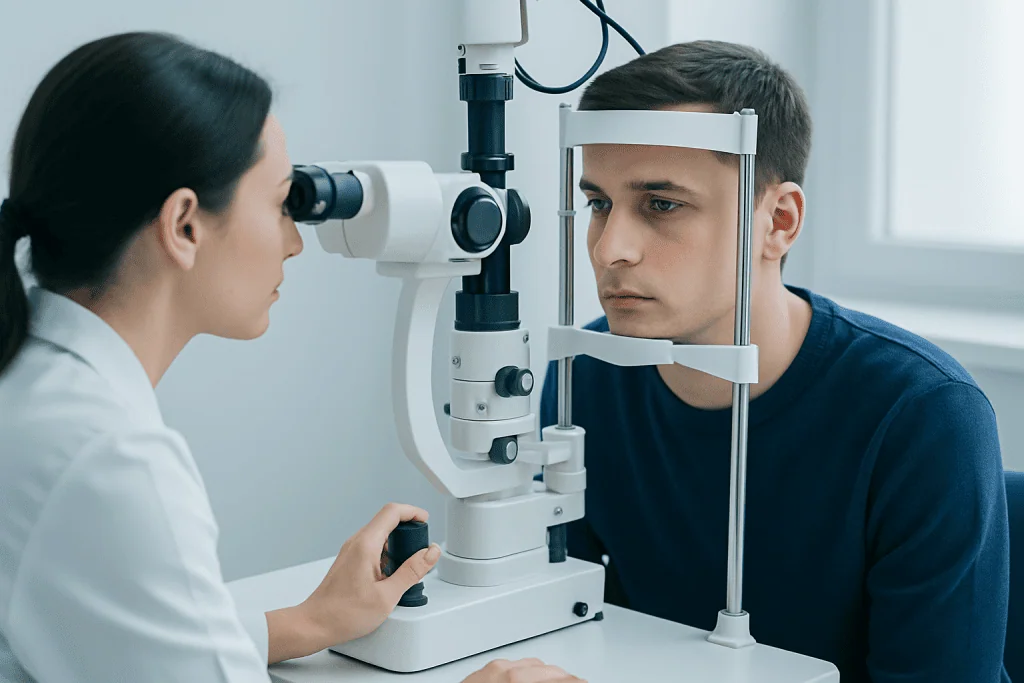
An ophthalmologist may use a slit-lamp examination to inspect the front of the eye in detail. If a parasite is visible on the conjunctiva or under the eyelid, it may sometimes be removed during examination and sent for identification. This can be valuable because treatment decisions often depend on the specific organism.
If the infection may involve deeper eye tissues or the orbit, further tests may be needed. These can include blood tests, stool tests in selected cases, ultrasound, CT, or MRI, depending on symptoms and suspected location. Imaging is especially helpful if there is swelling around the eye or concern about tissue involvement beyond the eye surface.
Some patients may also need a broader evaluation by infectious disease, parasitology, pediatrics, or internal medicine specialists. In centers with advanced services, comprehensive eye examination and MRI can help define the extent of disease and guide treatment planning.
Treatment options
Treatment depends on the type of parasite, where it is located, and whether there is inflammation or secondary infection. Surface parasites may sometimes be removed carefully by an eye specialist. This should not be attempted at home, because the eye is delicate and improper handling can cause injury, leave material behind, or worsen inflammation.
Medication may include antiparasitic drugs, but these are not the same for all infections. In some cases, doctors also prescribe anti-inflammatory eye drops or other medicines to reduce swelling and discomfort. If there is a bacterial infection at the same time, antibiotic treatment may be needed as well. When inflammation is significant, treatment may be coordinated with both ophthalmology and infectious disease teams.
Deeper or more complex infections may require procedural or surgical care, especially if the parasite is inside the eye or there is damage to surrounding tissues. Hospital-based management can be necessary when vision is affected or when imaging suggests orbital involvement. Depending on findings, a doctor may recommend vitrectomy or other eye procedures in selected cases.
Follow-up is important even after symptoms improve. The doctor may need to confirm that the parasite has been fully treated and that inflammation has settled. At Acibadem International, multidisciplinary specialists in JCI-accredited hospitals evaluate and treat complex eye infections for international patients when advanced diagnosis or coordinated care is needed.
Prevention and self-care
Prevention focuses on reducing exposure to parasites and protecting overall eye health. Practical steps include handwashing, avoiding rubbing the eyes with unclean hands, washing fruits and vegetables, drinking safe water, and following food safety advice when traveling. In areas where vector-borne parasites are present, measures such as insect repellent, protective clothing, and bed nets may be recommended.
Pet care also matters. Regular veterinary checkups and parasite control for dogs and cats can reduce the risk of some zoonotic infections. Children should be encouraged to wash their hands after playing outside and after contact with pets or soil.
If the eye feels irritated, it is safest not to scratch, rub, or try to remove anything with fingers, cotton swabs, or tools. Contact lenses should be removed unless a doctor has advised otherwise. If there is visible debris or mild irritation, preservative-free artificial tears may help flush the surface, but this is not a substitute for medical assessment when a parasite is suspected.
People with recent travel, unusual eye symptoms, or a history of insect exposure should mention this clearly at their appointment. That detail can shorten the time to diagnosis and help direct the right tests.
When to seek medical care
Medical care should be sought promptly for any suspected worms from eyes. The same applies if there is persistent redness, swelling, pain, discharge, or the feeling that something is moving in the eye. Eye symptoms can have many causes, and some can threaten vision if they are not treated quickly.
Urgent or same-day evaluation is especially important if there is blurred vision, sudden vision loss, severe pain, sensitivity to light, significant eyelid swelling, fever, or a visible worm-like structure. These signs may suggest deeper infection or marked inflammation that should not wait.
People who have recently traveled to tropical or rural areas, had insect bites, or had close contact with animals should mention this when seeking care. An ophthalmologist may coordinate treatment with other specialists if needed, and advanced imaging such as CT scan may be used when tissues around the eye are involved.
If symptoms are mild but do not improve within a day or two, it is still sensible to arrange an eye examination. Early diagnosis often makes treatment simpler and helps protect vision.
Frequently asked questions
Can worms really come from the eye?
Yes, but it is rare. Some parasitic infections can affect the surface of the eye, tissues around the eye, or deeper eye structures, and in certain cases the parasite may be visible. A specialist examination is needed to confirm the cause because many nonparasitic eye problems can look similar.
What do worms from eyes feel like?
People may describe irritation, tearing, itching, pain, redness, or the feeling that something is moving or stuck in the eye. If deeper parts of the eye are affected, blurred vision, light sensitivity, or floaters can occur. Symptoms vary widely depending on the parasite and location.
Is worms from eyes an emergency?
It can be urgent, especially if there is eye pain, vision change, marked swelling, or a visible worm-like structure. Problems involving the eye should not be ignored because inflammation can damage delicate tissues. Same-day medical advice is appropriate when symptoms are significant.
Can a person remove an eye worm at home?
No, home removal is not recommended. Trying to extract anything from the eye can scratch the cornea, increase inflammation, or leave part of the parasite behind. Safe removal and treatment should be done by an eye specialist.
How are worms from eyes treated?
Treatment depends on the type of parasite and where it is located. It may involve careful removal, antiparasitic medicines, and treatment for inflammation or secondary infection. Some people also need imaging, monitoring, or procedures if deeper eye structures are involved.
Can worms from eyes cause blindness?
Some parasitic eye infections can affect vision and may lead to serious complications if not treated promptly. The risk depends on which tissues are involved and how quickly care is given. Early diagnosis improves the chance of protecting sight.
This article is for general information only and is not a substitute for professional medical advice. Please consult a qualified doctor about your individual situation.
Explore treatments in Turkey — costs, top hospitals & a free quote
JCI-accredited · board-certified surgeons · reply within 24h
Add us as a Preferred Source to see more of our trusted health content across Google Search, AI Overviews and Discover.

More from the Health Library

Mdd Medical Abbreviation: A Complete Medical Overview

Esophageal Spasm: A Complete Medical Overview

Insomnia Tips: What Patients Need to Know

Zonisamide: What Patients Need to Know

Heart Health: A Complete Medical Overview