Frozen vs Fresh Vegetable Nutrients: Key Differences and How Doctors Tell Them Apart

Frozen vegetables can retain nutrients very well because they are often processed soon after harvest. Fresh vegetables may offer excellent nutrition, but nutrient levels can decline with long transport or storage.
Key Takeaways
- Frozen vegetables can retain nutrients very well because they are often processed soon after harvest.
- Fresh vegetables may offer excellent nutrition, but nutrient levels can decline with long transport or storage.
- Doctors do not diagnose health status by choosing frozen or fresh alone; they assess the overall diet, symptoms, and any nutrient deficiencies.
- Cooking method matters: steaming or microwaving with little water usually preserves nutrients better than prolonged boiling.
- People with poor intake, digestive conditions, or signs of deficiency may need medical evaluation regardless of vegetable type.
Frozen vs fresh vegetable nutrients are usually more alike than many people expect. In practice, the healthiest choice often depends less on whether vegetables are frozen or fresh, and more on harvest timing, storage, preparation, and how regularly they are eaten.
Overview: Frozen vs Fresh Vegetable Nutrients at a Glance
Frozen vs fresh vegetable nutrients are not a simple winner-versus-loser comparison. In many cases, frozen vegetables are nutritionally comparable to fresh vegetables because they are typically harvested at maturity and frozen soon afterward. Fresh vegetables can also be highly nutritious, especially when they are truly fresh, locally sourced, and eaten soon after harvest.
What changes the nutrient picture most is the path from farm to plate. Light, heat, oxygen, transport time, refrigeration, and cooking methods can all affect vitamins and plant compounds. This means a bag of frozen peas may sometimes provide as much or more vitamin content than “fresh” peas that have spent several days in storage.
The table below gives a practical side-by-side comparison doctors and dietitians often use when explaining the issue to patients.
- Harvest timing: Frozen vegetables are often frozen shortly after picking; fresh vegetables vary widely.
- Storage losses: Fresh vegetables may lose some vitamin C and certain B vitamins over time; frozen products are more stable during storage.
- Processing: Frozen vegetables are usually blanched before freezing, which can lower some heat-sensitive nutrients but helps preserve others.
- Taste and texture: Fresh may have an advantage for some vegetables eaten raw; frozen often works well in soups, stews, and cooked dishes.
- Convenience: Frozen vegetables are washed, cut, and ready to use, which may help people eat vegetables more regularly.
- Cost and waste: Frozen options may reduce food waste because only the needed amount can be used.
Key Nutrient Differences: What Changes and What Stays Similar
Not all nutrients behave the same way. Vitamin C and some B vitamins are more sensitive to time, heat, and water. If a fresh vegetable spends many days in transport, then more days in the refrigerator, these nutrients may gradually decline. By contrast, freezing slows this loss substantially once the food has been processed and stored correctly.
At the same time, frozen vegetables are commonly blanched before freezing. Blanching is a short heat treatment that helps maintain color, texture, and safety, but it may reduce some water-soluble vitamins. Even so, because freezing happens quickly after harvest, the overall nutrient profile can remain strong. Minerals such as potassium, magnesium, and iron are generally more stable than delicate vitamins.
Plant compounds such as carotenoids and polyphenols may also vary by vegetable type. For example, carrots, spinach, broccoli, and peas can perform differently depending on storage and cooking. This is one reason clinicians avoid broad claims that all frozen vegetables are better or that all fresh vegetables are superior. The answer depends on the specific food and how it is handled.
Fiber is usually similar in frozen and fresh forms, assuming no heavy processing or added sauces. For most people, a higher vegetable intake matters more for health than choosing one form exclusively. A mixed approach often provides the best balance of convenience, variety, taste, and nutrition.
How Clinicians Tell the Difference in Real Life
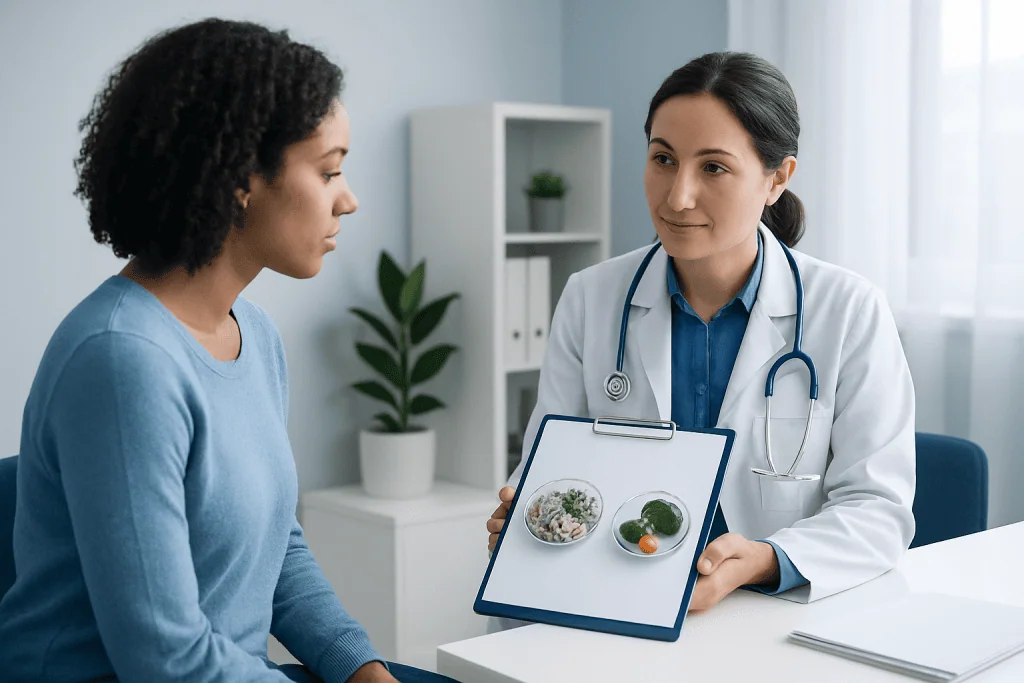
Doctors do not usually need a laboratory test to decide whether someone is eating frozen or fresh vegetables. Instead, they look at the broader nutrition pattern and whether any symptoms suggest poor intake, malabsorption, or a specific deficiency. The main clinical question is not “frozen or fresh?” but “is the diet providing enough nutrients overall?”
A clinician may ask detailed questions about shopping habits, meal timing, cooking methods, and food access. For example, a person who rarely eats vegetables because fresh produce spoils before use may benefit from keeping frozen vegetables at home. In that situation, frozen vegetables can improve consistency and dietary quality.
If symptoms raise concern, the doctor may distinguish between normal dietary variation and a possible medical problem. Fatigue, brittle nails, poor wound healing, mouth sores, constipation, unexplained weight change, or numbness may point to low nutrient intake or another health condition. Evaluation may include a dietary history, physical examination, and selected blood tests when appropriate.
Clinicians also consider underlying illnesses that affect nutrition. Digestive disorders can reduce nutrient absorption even when vegetable intake seems adequate. If symptoms suggest a bowel condition, a patient may need assessment for problems such as Crohn’s disease or ulcerative colitis. In these cases, the issue is not frozen versus fresh alone, but how the body is processing food.
What Affects Nutrients More Than Frozen or Fresh
Storage time is one of the biggest factors. A fresh vegetable eaten the same day it is harvested can be excellent nutritionally. But a “fresh” vegetable that traveled a long distance and stayed in storage for days may not hold the same levels of certain vitamins. Frozen vegetables avoid much of this delay because they are preserved quickly.
Cooking method is another major influence. Boiling vegetables for a long time can cause water-soluble nutrients to leach into the cooking water. Steaming, microwaving with minimal water, stir-frying briefly, or roasting until just tender often helps preserve more nutrients. Raw preparation may preserve some vitamins, but not every vegetable is best tolerated or best absorbed in raw form.
Added ingredients also matter. Plain frozen vegetables are different from frozen vegetables packaged with creamy sauces, excess salt, or added sugar. Likewise, fresh vegetables can become less healthy if they are heavily fried or served with rich dressings in large amounts. Reading labels and choosing simple preparations can make a meaningful difference.
Finally, variety matters. Different colors generally reflect different protective plant compounds. A diet that includes leafy greens, cruciferous vegetables, orange vegetables, legumes, and other produce is more important than staying loyal to one format. People with digestive symptoms may still need individualized guidance, especially if they are following restricted diets due to celiac disease or another condition.
What to Do for Each Case: Choosing the Best Option for Everyday Health
If fresh vegetables are easy to buy, affordable, and likely to be eaten promptly, they are an excellent choice. Washing, refrigerating appropriately, and using them within a reasonable time can help preserve quality. For salads, snacks, and dishes where crisp texture matters, fresh may be especially appealing.
If busy schedules, travel, cost concerns, or food waste make fresh produce harder to use regularly, frozen vegetables are a practical and nutritious alternative. They can be added quickly to soups, pasta dishes, omelets, grain bowls, and side dishes. Keeping several frozen options at home may help people maintain a balanced eating pattern even when time is limited.
For people trying to improve overall nutrition, doctors often recommend simple goals rather than strict rules. Filling part of the plate with vegetables, choosing multiple colors through the week, and limiting highly processed additions are realistic steps. If eating enough vegetables is difficult because of appetite loss, swallowing problems, digestive symptoms, or chronic illness, a clinician or dietitian can help tailor a plan.
Some people need more than general advice. Those with obesity, diabetes, or gastrointestinal symptoms may benefit from structured nutritional support and medical evaluation. In appropriate cases, care may involve diet and nutrition counseling or assessment through gastroenterology care to identify barriers to proper intake.
Diagnosis and Testing When Nutrition Concerns Are Suspected
Most healthy people who eat a varied diet do not need testing just to compare frozen and fresh vegetables. However, if there are symptoms of deficiency, significant dietary restriction, chronic diarrhea, unexplained fatigue, or unintentional weight loss, a doctor may investigate further. The purpose is to identify whether there is a shortage of iron, vitamin B12, folate, vitamin D, or other nutrients, or whether another medical issue is involved.
A medical evaluation may begin with a careful history. The clinician may ask how often vegetables, fruits, whole grains, protein foods, and dairy or alternatives are eaten. They may also ask about medications, alcohol intake, bowel habits, appetite, food intolerance, and any past surgeries that affect digestion or absorption.
Depending on the situation, testing may include blood work and, less commonly, stool tests or imaging. If gastrointestinal disease is suspected, further evaluation could involve procedures such as colonoscopy or specialist consultation. These tests are not used to judge frozen versus fresh produce directly; they help explain symptoms and guide treatment.
When a specific deficiency is found, treatment focuses on the cause. That may include improving food intake, treating an underlying disorder, short-term supplementation under medical guidance, or adjusting a restrictive diet. In this way, the clinician moves beyond the food-format debate and addresses the person’s actual health needs.
Prevention, Self-Care, and When to Seek Medical Care
For prevention, the best approach is consistency. Eating vegetables regularly in any minimally processed form is usually better than waiting for ideal fresh produce and eating too little overall. A combination of fresh, frozen, and even no-salt canned vegetables can help maintain intake throughout the week.
Helpful self-care steps include buying plain frozen vegetables, storing fresh produce correctly, and using gentle cooking methods. Batch cooking, preparing vegetables in advance, and pairing them with proteins, legumes, or whole grains can make balanced meals easier to sustain. People who have trouble meeting nutrition goals may benefit from advice from a registered dietitian.
Medical care should be sought if there is persistent fatigue, dizziness, pale skin, numbness, frequent diarrhea, constipation that does not improve, unintentional weight loss, poor appetite, trouble swallowing, or signs of dehydration. A person should also contact a healthcare professional if digestive symptoms are severe, recurrent, or associated with blood in the stool, persistent vomiting, or ongoing abdominal pain.
For international patients who need a broader assessment, Acibadem International’s multidisciplinary specialists in JCI-accredited hospitals evaluate nutrition-related concerns and digestive conditions in a coordinated way. This can be helpful when symptoms suggest that the issue is more than a simple choice between frozen and fresh vegetables.
Frequently asked questions
Are frozen vegetables as healthy as fresh vegetables?
Often, yes. Frozen vegetables can be nutritionally very similar to fresh vegetables, especially when they are frozen soon after harvest. The difference usually depends more on storage time, handling, and cooking method than on frozen versus fresh alone.
Do frozen vegetables lose vitamins during processing?
They can lose some heat-sensitive vitamins during blanching before freezing. However, freezing also helps preserve many nutrients by slowing further breakdown over time. In real-life eating patterns, frozen vegetables still make a very healthy choice.
Which nutrients are most affected by storage and cooking?
Vitamin C and some B vitamins are among the most sensitive to time, heat, and water. Minerals and fiber are generally more stable. Cooking with less water and avoiding overcooking can help protect delicate nutrients.
How do doctors know if someone has a nutrition problem?
Doctors look at symptoms, diet history, medical conditions, weight changes, and sometimes blood tests. They do not determine nutritional health based only on whether a person eats frozen or fresh vegetables. The overall diet and possible problems with absorption are more important.
Should people with digestive problems choose frozen or fresh vegetables?
It depends on the person and the condition. Some people tolerate cooked frozen vegetables better because they are softer and easier to digest, while others prefer fresh options. If symptoms are ongoing, medical advice is important to rule out digestive disease or nutrient deficiency.
Is it okay to eat mostly frozen vegetables if fresh produce is hard to use?
Yes, for many people this is a practical and healthy approach. Plain frozen vegetables can support a balanced diet and may help reduce food waste. The priority is eating enough vegetables regularly in forms that are convenient and well tolerated.
References
- World Health Organization
- U.S. Department of Agriculture
- Academy of Nutrition and Dietetics
- National Institutes of Health
- Harvard T.H. Chan School of Public Health
This article is for general information only and is not a substitute for professional medical advice. Please consult a qualified doctor about your individual situation.
Explore treatments in Turkey — costs, top hospitals & a free quote
JCI-accredited · board-certified surgeons · reply within 24h
Add us as a Preferred Source to see more of our trusted health content across Google Search, AI Overviews and Discover.