Full body checkup Before & After: What Realistic Results Look Like

Before a checkup, preparation may include reviewing personal and family history, medications and screening needs. After a checkup, the most useful result is a clear explanation of what is normal, what needs attention and what happens next.
Key Takeaways
- Before a checkup, preparation may include reviewing personal and family history, medications and screening needs.
- After a checkup, the most useful result is a clear explanation of what is normal, what needs attention and what happens next.
- Abnormal results do not automatically mean a serious illness; many require confirmation or follow-up testing.
- The tests included should be tailored to age, sex, symptoms, family history and individual risk factors.
- A full body checkup supports prevention but does not replace medical assessment for new or urgent symptoms.
A full body checkup before and after comparison is usually about moving from unanswered health questions to a clearer, personalized plan. Results may be reassuring, identify manageable risk factors, or show findings that need further assessment; a checkup does not guarantee that every condition will be detected.
What “Full Body Checkup Before and After” Really Means
Full body checkup before and after results are best understood as a change in health information rather than a dramatic physical transformation. Before the visit, a person may have unanswered questions about fatigue, family history, lifestyle risks or age-appropriate screening. Afterward, they should have a clearer view of their current health, a summary of relevant findings and practical next steps.
For some people, the outcome is reassuring: examination and tests are within expected ranges, and the focus shifts to maintaining healthy habits and routine screening. For others, results may reveal modifiable concerns such as high blood pressure, elevated cholesterol, raised blood sugar, excess weight or vitamin deficiency. Occasionally, a checkup identifies an unexpected finding that needs repeat testing, imaging, specialist review or treatment.
A checkup cannot prove that a person is free from every disease. No screening program detects all conditions, and tests can occasionally produce false-positive or false-negative results. The value of a well-planned checkup is that it helps clinicians select appropriate tests, interpret them in context and create a sensible follow-up plan. For an overview of what may be included, see full body checkup services.
Who May Benefit and How the Checkup Is Tailored
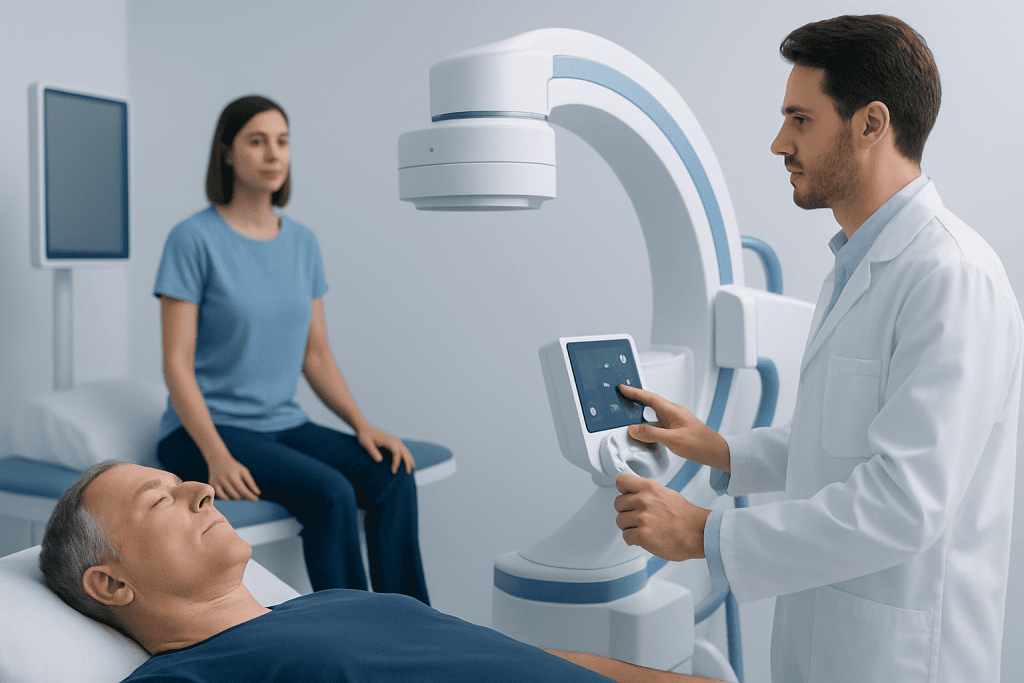
A preventive checkup can be useful for adults who want to review their overall health, update routine screening or discuss personal risk factors. It may be especially helpful for people with a family history of heart disease, diabetes, some cancers or inherited conditions; those who smoke; people with high stress, low activity or dietary concerns; and adults who have not had regular medical care for some time.
However, a “one-size-fits-all” testing package is not ideal. The most appropriate checkup depends on a person’s age, sex, medical history, current medicines, pregnancy status where relevant, family history and symptoms. A clinician may recommend fewer tests for one person and additional focused screening for another.
People who already have a diagnosed long-term condition, such as diabetes, high blood pressure or heart disease, usually need condition-specific monitoring alongside preventive care. A checkup should complement—not replace—their regular appointments. It is also not the right starting point for urgent symptoms, which require timely medical assessment.
- Bring a list of medicines, supplements and allergies.
- Note important family health conditions and the ages at which relatives were diagnosed.
- Prepare questions about symptoms, lifestyle goals or previous test results.
- Follow any fasting or medication instructions provided by the clinical team.
How a Full Body Checkup Works: Before, During and After

Before the appointment, the clinical team may ask about medical and family history, smoking and alcohol use, diet, exercise, sleep, stress, prior operations and current symptoms. Depending on the planned blood tests, a person may be asked to avoid food for a specified period. They should not stop prescribed medication unless their doctor specifically advises this.
During the visit, the process commonly begins with vital signs such as blood pressure, pulse, height, weight and waist measurement. A doctor may perform a focused physical examination and discuss health concerns. Blood and urine tests may assess areas such as blood count, glucose, cholesterol, kidney function, liver function or thyroid function when clinically appropriate. Some people may also be advised to have tests such as an electrocardiogram, ultrasound, chest imaging or cancer screening based on their individual profile.
After the tests are completed, results are reviewed alongside symptoms and medical history. Some results are available quickly, while others take longer. If a result is outside the expected range, the clinician may repeat the test, arrange a more specific investigation, recommend lifestyle changes or refer the person to a relevant specialist. A result should not be interpreted in isolation or through an online reference range alone.
A realistic “after” plan often includes a written summary, recommendations for preventive care, a date for repeat testing if needed and clear advice on what symptoms should prompt earlier review. The most meaningful outcome is informed follow-up rather than simply receiving a report.
Realistic Results: Common Before-and-After Scenarios
There is no single expected result from a full body checkup. In one common scenario, a person feels well and receives generally normal results. Their after-checkup plan may involve continuing healthy routines, receiving recommended vaccinations and returning for age-appropriate screening at the advised interval.
Another person may have no noticeable symptoms but learn that blood pressure, cholesterol or glucose is higher than recommended. The next step may include nutrition and activity support, weight management where appropriate, repeat measurements and, for some people, medication. These findings are often manageable, particularly when identified early, but they still need individualized medical guidance.
A third scenario involves an incidental finding, such as an abnormal blood value or imaging change. This does not necessarily mean a serious condition is present. Many findings are temporary, benign or unclear at first and require confirmation. Follow-up may include repeating a blood test after a period of time, arranging targeted imaging or consulting a specialist.
For example, a person with elevated fasting glucose may be advised to have repeat testing and discuss their risk of diabetes. Someone with persistently high blood pressure may need a structured assessment for hypertension. The checkup is the beginning of clinical decision-making, not a diagnosis by itself.
Benefits, Limits and Possible Risks
The main benefit of a tailored full body checkup is an opportunity to identify risk factors early and discuss prevention with a clinician. It can support healthier choices, help keep routine screening up to date and provide a baseline for future comparison. It may also encourage people to seek appropriate care for concerns they had postponed.
Its limits are equally important. Broad testing can uncover minor variations that never cause symptoms or harm, yet may lead to worry and additional investigations. Some tests expose patients to small risks, such as discomfort or bruising from blood draws, radiation from certain imaging studies, reactions to contrast material when used, or complications from follow-up procedures. These risks are one reason tests should be chosen thoughtfully.
Screening is different from diagnostic testing. Screening looks for disease in people without symptoms, while diagnostic testing investigates a specific symptom or abnormal result. If someone has chest pain, unexplained weight loss, blood in stool, new weakness, severe headache or another concerning symptom, they should seek medical care rather than wait for a routine checkup.
Good care balances potential benefits with possible downsides. Patients can ask why a test is recommended, what it can and cannot show, whether it is evidence-based for their risk profile and what would happen if the result is abnormal.
Recovery Timeline and Caring for Yourself Afterward
Most people can return to normal activities immediately after a routine checkup. Blood tests may leave mild tenderness or a small bruise at the needle site, which usually settles within a few days. If imaging, sedation or a procedure is included, the care team will provide specific instructions about driving, eating, activity and when to resume regular medication.
The emotional side of waiting for results can also be significant. It can help to avoid drawing conclusions from a single number or comparing results with someone else’s. Reference ranges differ between laboratories, and the importance of a result depends on the whole clinical picture.
After receiving results, the most useful self-care step is to follow the agreed plan. This may include booking a review appointment, attending a referral, repeating a test, monitoring blood pressure at home if advised, or making gradual changes to diet, movement, sleep, smoking or alcohol use. Sustainable changes tend to be more helpful than restrictive short-term measures.
Keep copies of reports and share them with the doctor who coordinates ongoing care. If recommendations are unclear, patients should ask for an explanation in plain language and confirm when follow-up is due.
When to Seek Medical Care
A full body checkup should not delay care for symptoms that are new, severe, persistent or worsening. Medical review is appropriate for unexplained weight loss, ongoing fever, unusual bleeding, a new lump, persistent changes in bowel or bladder habits, marked fatigue, shortness of breath or pain that does not improve.
Emergency assessment is needed for symptoms that may indicate a serious problem, including chest pressure or pain, sudden trouble breathing, fainting, sudden weakness or numbness on one side of the body, difficulty speaking, severe sudden headache, confusion or heavy bleeding. Local emergency services should be contacted rather than waiting for a scheduled appointment.
For non-urgent concerns, a primary care doctor can help determine whether focused tests are needed and whether a general health assessment is appropriate. Acibadem International’s multidisciplinary specialists and JCI-accredited hospitals can assess and coordinate care for international patients when further investigation or treatment is required.
Frequently asked questions
What should people expect before and after a full body checkup?
Before the checkup, people usually complete a medical history, discuss concerns and follow instructions such as fasting if required. Afterward, they receive results and a plan that may include reassurance, lifestyle advice, repeat testing, referral or treatment. The goal is clearer health guidance rather than a guaranteed all-clear result.
Can a full body checkup find cancer?
Some checkups include evidence-based cancer screening based on age, sex and risk factors. However, no checkup can identify every cancer, and broad testing is not always beneficial for everyone. Patients should discuss recommended screening with a qualified clinician.
How long does it take to get full body checkup results?
Some measurements and basic test results may be available on the same day, while other laboratory tests or imaging reports can take longer. The timing depends on the tests performed and whether additional review is needed. The healthcare team should explain when and how results will be discussed.
Is an abnormal checkup result always serious?
No. Many abnormal results are mild, temporary or related to factors such as recent illness, hydration, exercise, medicines or normal biological variation. A clinician may recommend repeating the test or arranging a focused assessment before making any diagnosis.
Do people need a full body checkup every year?
The right interval varies by age, health status, existing conditions and individual risk factors. Some people benefit from annual review, while others need specific screenings at different intervals. A doctor can help create a personalized preventive care schedule.
Can a full body checkup replace a doctor visit for symptoms?
No. A routine checkup is not a substitute for prompt assessment of concerning symptoms. Anyone with new, persistent, severe or worsening symptoms should contact a healthcare professional for focused evaluation.
References
- World Health Organization
- U.S. Preventive Services Task Force
- Centers for Disease Control and Prevention
- National Institute for Health and Care Excellence
- American Heart Association
This article is for general information only and is not a substitute for professional medical advice. Please consult a qualified doctor about your individual situation.
Explore treatments in Turkey — costs, top hospitals & a free quote
JCI-accredited · board-certified surgeons · reply within 24h
Add us as a Preferred Source to see more of our trusted health content across Google Search, AI Overviews and Discover.
Check your numbers in seconds
BMI, calories, due date, blood pressure and 30+ more clinical calculators — free, instant, doctor-reviewed ranges.