G Spot: What Patients Need to Know

The g spot is a term for an area some people find especially sensitive inside the vagina. There is no single “normal” way to experience arousal, orgasm, or vaginal sensitivity.
Key Takeaways
- The g spot is a term for an area some people find especially sensitive inside the vagina.
- There is no single “normal” way to experience arousal, orgasm, or vaginal sensitivity.
- Research suggests the area may relate to several nearby structures rather than one distinct organ.
- Pain, bleeding, dryness, or sudden changes in sexual function should be medically assessed.
- Sexual health concerns can involve physical, hormonal, emotional, and relationship factors.
The g spot is commonly described as a sensitive area on the front wall of the vagina, but not everyone notices it and experts still debate its exact anatomy. This variation is normal, and questions about pain, low sensation, or sexual concerns are best discussed in a supportive medical setting.
Overview
The g spot is generally described as an area of increased sensitivity on the front wall of the vagina, usually a few centimeters inside. For some people, stimulation in this area feels pleasurable; for others, it feels neutral, uncomfortable, or is difficult to identify. In other words, the short answer is that the g spot may exist as a sensitive zone for some individuals, but its exact anatomy and role vary widely.
Medical experts do not fully agree on whether the g spot is a separate structure or part of a broader network involving the clitoris, urethra, pelvic nerves, and surrounding tissues. This matters because public discussion often presents it as a universal feature with a predictable response, which is not supported by clinical experience. Human sexual response is diverse, and a person does not need to find or stimulate a g spot to have healthy sexual function.
A patient-friendly way to understand the topic is to think of the g spot as a possible erogenous area rather than a required body part. Sensation can be influenced by anatomy, hormones, mood, relationship factors, prior experiences, pelvic floor muscle tone, and general health. The absence of a noticeable g spot is not a sign that something is wrong.
Where the G Spot Is Thought to Be
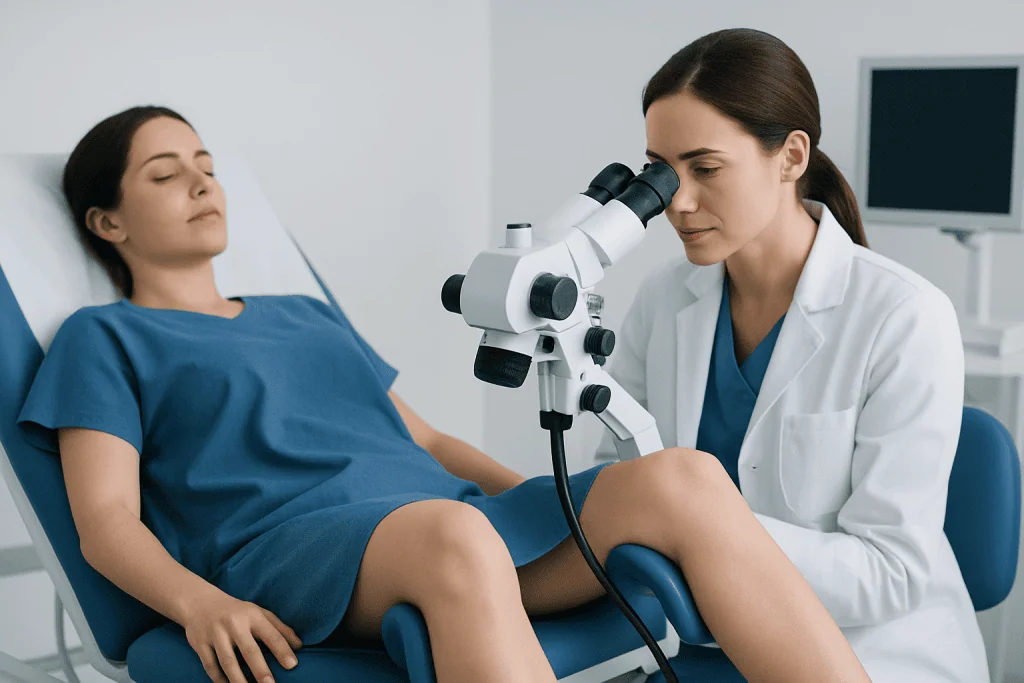
The area called the g spot is usually said to be along the anterior, or front, vaginal wall, toward the belly side of the body rather than toward the back. Descriptions often place it one to three inches inside the vaginal opening, although this can vary. Some people report a slightly textured or fuller-feeling area there during arousal.
Researchers increasingly view this region as part of a “clitoral-urethrovaginal complex,” meaning that sensation may come from several closely connected tissues working together. The internal portions of the clitoris extend beyond what is visible externally, and these structures may contribute to the sensations people attribute to the g spot. This helps explain why the experience is not identical from one person to another.
It is also important to know that arousal changes the body. Increased blood flow can make genital tissues swell and become more sensitive, which may make this area easier to notice at some times than at others. Lack of arousal, stress, pain, dryness, or pelvic muscle tension can reduce comfort and sensation.
Why Experience Varies So Much

Variation is one of the most medically important points about the g spot. Some people experience clear pleasure with pressure or rhythmic stimulation to the front vaginal wall. Others prefer external clitoral stimulation, a combination of types of stimulation, or do not find vaginal stimulation especially pleasurable. All of these patterns can fall within the range of normal sexual response.
Many factors shape sensation, including natural anatomical differences, age, menopausal changes, medications, mental health, fatigue, relationship comfort, and past childbirth or pelvic surgery. Vaginal dryness, pelvic floor dysfunction, and chronic pain conditions can also affect how internal stimulation feels. If a person has persistent pain, this should not be dismissed as “normal” or blamed only on anxiety.
Some people worry that difficulty finding the g spot means they have a medical problem. Usually, it does not. Sexual function is highly individual, and orgasm does not need to happen in one specific way. When concerns do arise, clinicians often look at the whole picture rather than one body part in isolation.
Medical assessment can be especially helpful if symptoms suggest a broader condition such as pelvic pain, hormonal changes, or urinary symptoms. In some cases, related concerns may overlap with conditions such as vaginismus or with bladder and pelvic floor problems that affect comfort during intercourse.
Common Myths and What Science Says
One common myth is that everyone has a clearly defined g spot that should reliably trigger orgasm. Current evidence does not support that idea. Some studies and patient reports suggest a sensitive area exists for many people, but there is no single test or scan that confirms one uniform structure in everyone.
Another myth is that vaginal orgasm and clitoral orgasm are completely separate. In reality, genital anatomy is interconnected. Internal vaginal sensations may involve the internal parts of the clitoris, pelvic nerves, and nearby tissues, so pleasure may come from overlapping pathways rather than isolated ones.
A third myth is that stronger sensation always means better sexual health. Sexual wellbeing is broader than one type of response. Comfort, consent, communication, and absence of pain matter far more clinically than achieving a specific sensation associated with the g spot.
Finally, patients may encounter unsupported claims about injections, devices, or procedures designed to “enhance” the g spot. Any treatment marketed for sexual function should be discussed carefully with a qualified doctor, because expectations, safety, and evidence quality vary. If concerns relate to intimacy, pain, or anatomy, an individualized medical review is more useful than relying on online promises.
When Symptoms May Point to a Health Issue
The g spot itself is not a disease, but discomfort related to this area can sometimes reflect another health concern. Pain with penetration, burning, pelvic pressure, bleeding after intercourse, urinary urgency, recurrent urinary tract infections, or vaginal dryness deserve attention. These symptoms may involve gynecologic, urinary, hormonal, dermatologic, or pelvic floor causes.
Examples include vaginal infections, menopause-related tissue changes, endometriosis, vulvar pain disorders, pelvic floor muscle spasm, and bladder conditions. A doctor may also consider prolapse or structural issues if there is a feeling of heaviness or bulging. In some people, reduced sensation or discomfort can be linked to stress, depression, medication effects, or relationship strain rather than a local anatomical problem alone.
Persistent pain during sex is often evaluated under the broader category of painful intercourse when that page is relevant to the patient’s symptoms and understanding. If urinary leakage, urgency, or pelvic muscle problems are present, a clinician may recommend pelvic floor assessment or, when appropriate, pelvic floor rehabilitation as part of care.
How Doctors Evaluate Sexual Health Concerns
Evaluation usually begins with a respectful conversation about symptoms, comfort, goals, and medical history. A doctor may ask whether the issue is pain, reduced sensation, inability to orgasm, dryness, bleeding, or anxiety around penetration. They may also review medications, childbirth history, menopause status, and urinary or bowel symptoms, because these can all affect sexual function.
Depending on the concern, a physical examination may be recommended. This can include a gentle pelvic exam to assess skin health, lubrication, muscle tension, tenderness, prolapse, or signs of infection. Testing is guided by symptoms and may involve cultures, hormone-related assessment, or imaging if another condition is suspected.
The goal is not to prove whether a g spot exists in one person, but to understand why symptoms are occurring and what may help. In some cases, patients benefit from review by gynecology, urology, pelvic floor physiotherapy, endocrinology, or mental health professionals. This multidisciplinary approach often gives the clearest picture.
If structural or gynecologic causes are suspected, further evaluation may include specialist women’s health care or gynecology assessment and treatment. For patients with complex pelvic symptoms, care may also overlap with urology evaluation when bladder or urethral symptoms are part of the problem.
Supportive Care, Self-Care, and Treatment Options
Care depends on the underlying issue. If there is no pain or medical concern, education and reassurance may be all that is needed. Many patients benefit from understanding that pleasurable sensation differs among individuals and that there is no medical requirement to identify a g spot or experience orgasm in one particular way.
When discomfort or reduced function is present, treatment may target the cause. Options can include lubricants for dryness, treatment of infection or skin conditions, pelvic floor physical therapy, menopause-related care, medication review, or counseling for stress and relationship concerns. A doctor may also discuss techniques that reduce pain, such as slower pacing, communication, and avoiding pressure on painful areas.
Self-care can support comfort and confidence:
- Allow time for arousal and relaxation.
- Use adequate lubrication if needed.
- Stop if pain begins rather than pushing through it.
- Notice patterns, such as symptoms linked to cycle changes, stress, or certain positions.
- Seek professional help for persistent pain, dryness, or distress.
Near the end of the care pathway, some patients prefer specialist evaluation in a center that can coordinate women’s health, pelvic floor, and urologic expertise. Acibadem International’s multidisciplinary specialists and JCI-accredited hospitals diagnose and treat sexual and pelvic health concerns for international patients when medical assessment is needed.
When to Seek Medical Care
Medical care is recommended if genital or pelvic symptoms are persistent, painful, or affecting quality of life. This includes pain with penetration, bleeding after sex, new pelvic pain, marked dryness, urinary burning, recurrent infections, or a sudden change in sexual sensation. A clinician can help determine whether the cause is hormonal, structural, muscular, neurologic, or emotional.
Prompt evaluation is also sensible when symptoms start after childbirth, pelvic surgery, menopause, or a new medication. Patients should seek urgent care for severe pelvic pain, fever, heavy bleeding, or symptoms that may suggest infection or another acute problem. In all cases, concerns about sexual health are valid and appropriate to discuss with a qualified doctor.
Frequently asked questions
Is the g spot real?
The term g spot is widely used, but experts do not fully agree on whether it is one distinct anatomical structure in every person. Many clinicians consider it a sensitive area that may involve several nearby tissues rather than a separate organ.
Where is the g spot located?
It is usually described as being on the front wall of the vagina, a short distance inside the vaginal opening. However, the exact area and how it feels can vary from person to person.
What if someone cannot find their g spot?
That is common and usually not a medical problem. Sexual response is highly individual, and many people do not identify one specific internal area as especially sensitive.
Can g spot stimulation cause pain?
It can if there is insufficient arousal, dryness, pelvic floor tension, or an underlying condition causing pain. Persistent or recurrent pain during sex should be discussed with a doctor rather than ignored.
Does the g spot have anything to do with orgasm?
For some people, stimulation of this area may contribute to orgasm or strong arousal. For others, orgasm is easier with external clitoral stimulation or a combination of sensations, and all of these experiences can be normal.
When should a doctor be consulted about g spot concerns?
A doctor should be consulted if there is pain, bleeding, dryness, urinary symptoms, or a sudden change in sexual function. Medical advice is also helpful if concerns are causing distress, affecting relationships, or reducing quality of life.
This article is for general information only and is not a substitute for professional medical advice. Please consult a qualified doctor about your individual situation.
Explore treatments in Turkey — costs, top hospitals & a free quote
JCI-accredited · board-certified surgeons · reply within 24h
Add us as a Preferred Source to see more of our trusted health content across Google Search, AI Overviews and Discover.

More from the Health Library

Burn Scars: An Evidence-Based Guide for Patients

Convulsions: A Complete Medical Overview

Linea Nigra: An Evidence-Based Guide for Patients

Otopl: What Patients Need to Know

Car S E X: A Complete Medical Overview