Convulsions: A Complete Medical Overview
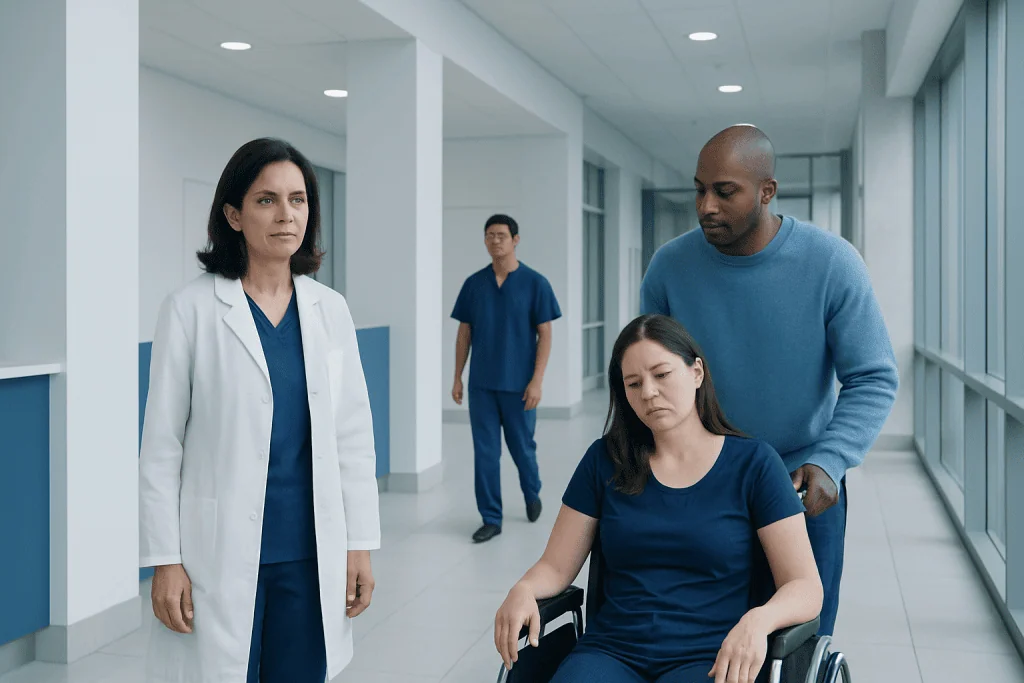
Convulsions are episodes of involuntary muscle activity and may occur with or without loss of consciousness. Not all convulsions are caused by epilepsy; fever, infections, low blood sugar, and other medical problems can trigger them.
Key Takeaways
- Convulsions are episodes of involuntary muscle activity and may occur with or without loss of consciousness.
- Not all convulsions are caused by epilepsy; fever, infections, low blood sugar, and other medical problems can trigger them.
- A first-time convulsion, a prolonged episode, or repeated episodes needs prompt medical assessment.
- Diagnosis focuses on finding the cause and may include blood tests, brain imaging, and EEG.
- Treatment depends on the underlying cause and may involve seizure medicines, treating fever or infection, or correcting metabolic problems.
Convulsions are sudden, uncontrolled muscle contractions that may cause shaking, stiffness, or jerking movements. They are a symptom rather than a diagnosis and can happen for several reasons, from fever in children to epilepsy, head injury, infection, or metabolic imbalance.
Overview: what convulsions mean
Convulsions are sudden episodes of involuntary muscle contractions that can cause jerking, shaking, stiffening, or rhythmic movements of part or all of the body. Many people use the words “convulsion” and “seizure” interchangeably, but they are not exactly the same. A seizure is a sudden burst of abnormal electrical activity in the brain, while a convulsion describes the visible muscle movements that may happen during some seizures.
Not every seizure causes convulsions, and not every convulsive event is due to epilepsy. A person may have staring spells, confusion, or brief loss of awareness without shaking. On the other hand, convulsions can also occur because of high fever, low blood sugar, infections, reactions to substances, or problems affecting the brain and nervous system.
Because convulsions are a symptom rather than a standalone disease, medical care focuses on identifying the trigger. Some causes are temporary and treatable, while others may need long-term follow-up. Understanding the pattern of symptoms, the person’s age, and what happened before and after the event helps guide diagnosis and treatment.
How convulsions can look and feel
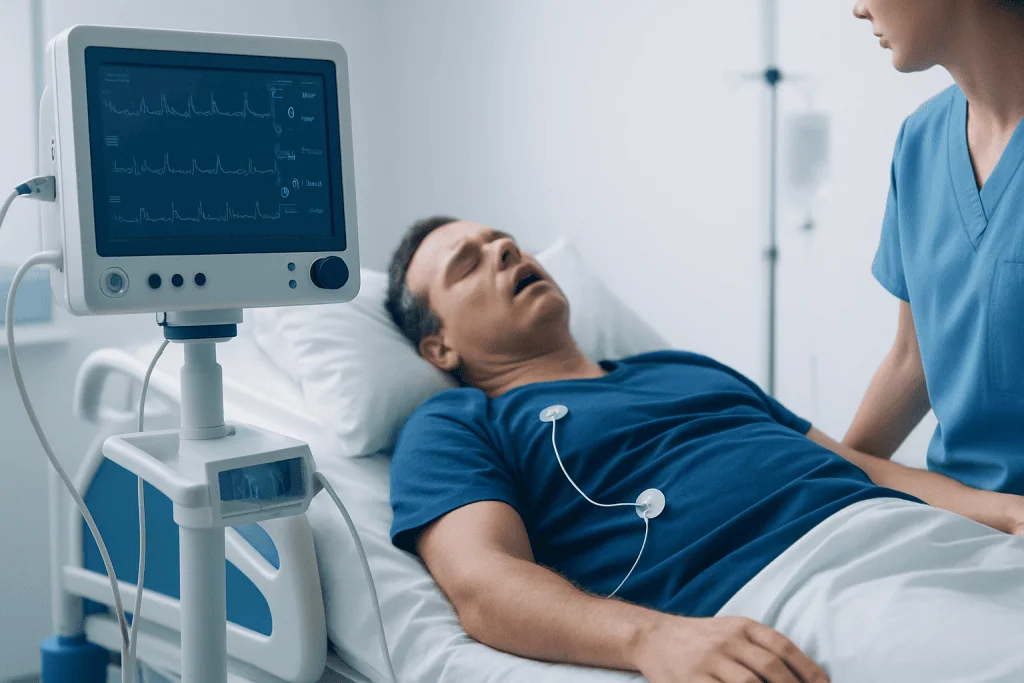
Convulsions can vary greatly from person to person. Some episodes involve sudden body stiffening followed by rhythmic jerking of the arms and legs. Others may begin with a brief loss of awareness, a fall, eye rolling, jaw tightening, irregular breathing, or unusual sounds caused by air moving through tightened throat muscles.
Before a convulsive episode, some people notice warning signs such as a strange smell, a rising feeling in the stomach, fear, dizziness, or visual changes. During the event, the person may be unresponsive, confused, or unable to control their movements. Afterward, it is common to feel tired, sore, confused, emotional, or to have a headache. This recovery phase is often called the postictal period.
Common features that may occur with convulsions include:
- Sudden muscle stiffening or jerking
- Loss of consciousness or reduced awareness
- Drooling, clenched jaw, or tongue biting
- Changes in breathing pattern
- Loss of bladder control in some cases
- Drowsiness or confusion after the episode
In children, convulsions may happen during a rapid rise in body temperature. These are called febrile convulsions or febrile seizures. Although they are frightening to witness, many are brief and do not mean a child has epilepsy. Even so, a child with a first convulsion should be assessed by a doctor.
Causes and risk factors

Convulsions have many possible causes. In some cases, they are linked to epilepsy, a condition that causes repeated unprovoked seizures. In other situations, a convulsion happens because the brain is reacting to another problem, such as fever, infection, head trauma, stroke, alcohol withdrawal, certain medicines, or an imbalance in body chemistry.
Metabolic causes are important to consider because they can develop quickly and may be reversible. Low blood sugar, low sodium, kidney or liver failure, severe dehydration, and lack of oxygen can all affect brain function and trigger convulsive episodes. In babies and young children, fever is a common trigger. In older adults, stroke, medication effects, and structural brain changes are more common contributors.
Risk factors depend on the underlying cause but may include a personal or family history of seizures, prior brain injury, central nervous system infections, heavy alcohol use, uncontrolled diabetes, and major sleep deprivation. People with known neurological conditions may also be at higher risk. In some patients, convulsions can be related to conditions such as epilepsy or occur after serious brain events such as stroke.
Sometimes no clear cause is found after a single event. Even then, doctors may recommend further evaluation because the chance of recurrence depends on age, test findings, medical history, and whether the episode was provoked by a temporary trigger.
How doctors diagnose convulsions
Diagnosis begins with a careful history from the patient and, if possible, someone who witnessed the event. Details such as how long it lasted, whether there was fever, loss of consciousness, head injury, abnormal movements on one side, or confusion afterward can be very helpful. Video recordings taken safely by family members can sometimes help clinicians understand what happened.
A physical and neurological examination is usually followed by tests based on the person’s age and symptoms. Blood tests may check glucose, electrolytes, kidney and liver function, infection markers, and sometimes toxicology. If infection of the brain or its coverings is suspected, more urgent investigations may be needed.
Doctors often use an electroencephalogram, or EEG, to look for abnormal electrical activity in the brain. Brain imaging such as CT or MRI may be recommended to look for bleeding, stroke, tumors, structural changes, or injury. Advanced evaluation may involve electroencephalography (EEG) and MRI scanning when a brain-related cause is suspected.
The main goal is not only to confirm whether the event was a seizure with convulsions, but also to find out why it happened. This distinction matters because treatment for fever-related convulsions, low blood sugar, and epilepsy is very different.
Treatment options and immediate care
Treatment for convulsions depends on the cause. If the episode is due to low blood sugar, infection, fever, or a medication issue, doctors focus on correcting that problem. If testing suggests epilepsy or another seizure disorder, anti-seizure medicines may be recommended to reduce the chance of future episodes. Treatment plans are individualized based on age, test results, seizure type, and overall health.
During a convulsion, first aid is important. The person should be placed on their side if possible, away from sharp objects, and tight clothing around the neck should be loosened. Nothing should be put in the mouth, and restraints should not be used. Most convulsions stop on their own within a few minutes, but timing the event is helpful because prolonged episodes need urgent medical attention.
For people with recurrent or difficult-to-control seizures, specialist neurological care may include medication review, longer EEG monitoring, and assessment for other therapies. In selected patients, doctors may discuss options through services related to neurology care or, when a structural brain cause is relevant, neurosurgical evaluation.
If a child has a febrile convulsion, the child should still be assessed, especially if it is the first event, lasts longer than a few minutes, or the child does not recover promptly. Reassurance is often appropriate, but clinicians also need to look for the source of the fever and rule out more serious illness.
Prevention, safety, and self-care
Prevention is not always possible because convulsions can happen unexpectedly. However, reducing known triggers may lower the risk in some people. This can include taking prescribed medicines consistently, avoiding abrupt alcohol withdrawal, managing blood sugar carefully, treating fevers appropriately in children, and getting regular sleep.
People who have had a convulsion should speak with a doctor about safety until the cause is clear. Depending on local rules and medical advice, temporary precautions may include avoiding driving, swimming alone, climbing heights, bathing without supervision, or operating dangerous machinery. These measures are meant to reduce injury if another episode occurs.
Family members and caregivers may benefit from learning seizure first aid. Keeping a brief record of events can also help, including date, time, duration, possible triggers, and recovery symptoms. If episodes repeat, this information can make diagnosis more accurate and help doctors judge whether treatment is working.
Near the end of the care journey, some patients may benefit from a multidisciplinary review. Acibadem International’s specialists in JCI-accredited hospitals diagnose and treat convulsions and their causes for international patients when further neurological assessment is needed.
When to seek medical care
Convulsions should be medically assessed if they are happening for the first time, if the person is pregnant, has diabetes, has a recent head injury, or has a known neurological condition. Prompt care is also important if there is fever with neck stiffness, severe headache, weakness on one side, trouble speaking, or concern for infection or stroke.
Emergency help is especially important if a convulsion lasts more than five minutes, if repeated episodes happen without full recovery in between, if breathing does not return to normal, or if the person is seriously injured during the event. Blue lips, persistent unresponsiveness, or prolonged confusion also need urgent attention.
For infants, children, and older adults, a lower threshold for medical review is sensible because the causes can be different and sometimes less obvious. Even when a person seems to recover, a clinician can help determine whether the event was triggered by a temporary problem or whether further testing is needed to prevent recurrence.
Frequently asked questions
Are convulsions the same as seizures?
Not exactly. A seizure is a sudden disturbance in brain electrical activity, while a convulsion refers to the visible muscle jerking or stiffening that may happen during some seizures. Some seizures do not cause convulsions at all.
What causes convulsions in adults?
Adults may have convulsions because of epilepsy, head injury, stroke, brain infection, alcohol withdrawal, medication effects, or metabolic problems such as low blood sugar or low sodium. Sometimes a single episode is triggered by a temporary condition, and sometimes it points to an ongoing neurological disorder.
What causes convulsions in children?
In children, fever is a common cause, especially in febrile convulsions. Other possible causes include infections, head injury, low blood sugar, and less commonly epilepsy or structural brain conditions. A child with a first convulsive episode should be evaluated by a doctor.
What should someone do during a convulsion?
They should help protect the person from injury by moving nearby dangerous objects away and turning the person onto their side if possible. They should not hold the person down or put anything in the mouth. Timing the episode and calling emergency help if it lasts more than five minutes is important.
Do convulsions always mean epilepsy?
No. Many convulsions are caused by temporary problems such as fever, low blood sugar, infections, or substance withdrawal. Epilepsy is considered when a person has repeated unprovoked seizures or test findings that suggest a continuing tendency to have them.
Can convulsions be prevented?
Prevention depends on the cause. For some people, managing fever, avoiding missed seizure medication, limiting alcohol misuse, keeping good sleep habits, and controlling blood sugar can reduce risk. A doctor can advise on the most relevant preventive steps after evaluation.
References
- World Health Organization
- Centers for Disease Control and Prevention
- National Institute of Neurological Disorders and Stroke
- American Epilepsy Society
- Mayo Clinic
This article is for general information only and is not a substitute for professional medical advice. Please consult a qualified doctor about your individual situation.
Explore treatments in Turkey — costs, top hospitals & a free quote
JCI-accredited · board-certified surgeons · reply within 24h
Add us as a Preferred Source to see more of our trusted health content across Google Search, AI Overviews and Discover.