Gallbladder Cancer Treatment: How It Works, Results and What to Expect

Surgery offers the main chance of long-term disease control when gallbladder cancer is localized and can be removed completely. Treatment planning usually involves surgeons, medical oncologists, radiation oncologists, radiologists, pathologists, and supportive-care professionals.
Key Takeaways
- Surgery offers the main chance of long-term disease control when gallbladder cancer is localized and can be removed completely.
- Treatment planning usually involves surgeons, medical oncologists, radiation oncologists, radiologists, pathologists, and supportive-care professionals.
- Chemotherapy, immunotherapy, and radiation may be used before or after surgery, or to control advanced cancer and relieve symptoms.
- Recovery varies with the extent of surgery and any additional treatment; nutrition, pain control, mobility, and follow-up are important parts of care.
- A prompt medical review is important for jaundice, persistent upper abdominal pain, unexplained weight loss, fever, or worsening digestive symptoms.
Gallbladder cancer treatment is individualized and may involve surgery to remove the cancer, systemic medicines such as chemotherapy or immunotherapy, radiation therapy, and symptom-focused supportive care. The best approach depends mainly on whether the cancer can be completely removed, its spread, pathology results, and the person’s general health and wishes.
Gallbladder Cancer Treatment: An Overview
Gallbladder cancer treatment aims to remove or control cancer, ease symptoms, and preserve quality of life. Care is tailored to the stage of disease, whether surgery can remove all visible cancer, the tumor’s pathology, liver and bile-duct involvement, and the patient’s overall health.
For early-stage disease, surgery is often the central treatment. When cancer has spread or cannot be safely removed, medicines that circulate through the body, radiation therapy, procedures to restore bile flow, and supportive care can help manage the illness. Some people benefit from more than one treatment given in a planned sequence.
Because gallbladder cancer is uncommon and can be complex, treatment is commonly discussed by a multidisciplinary team. This approach helps ensure that imaging, biopsy findings, surgical options, systemic treatment, nutrition, symptom management, and personal preferences are considered together.
How Treatment Is Chosen and Who May Be a Candidate
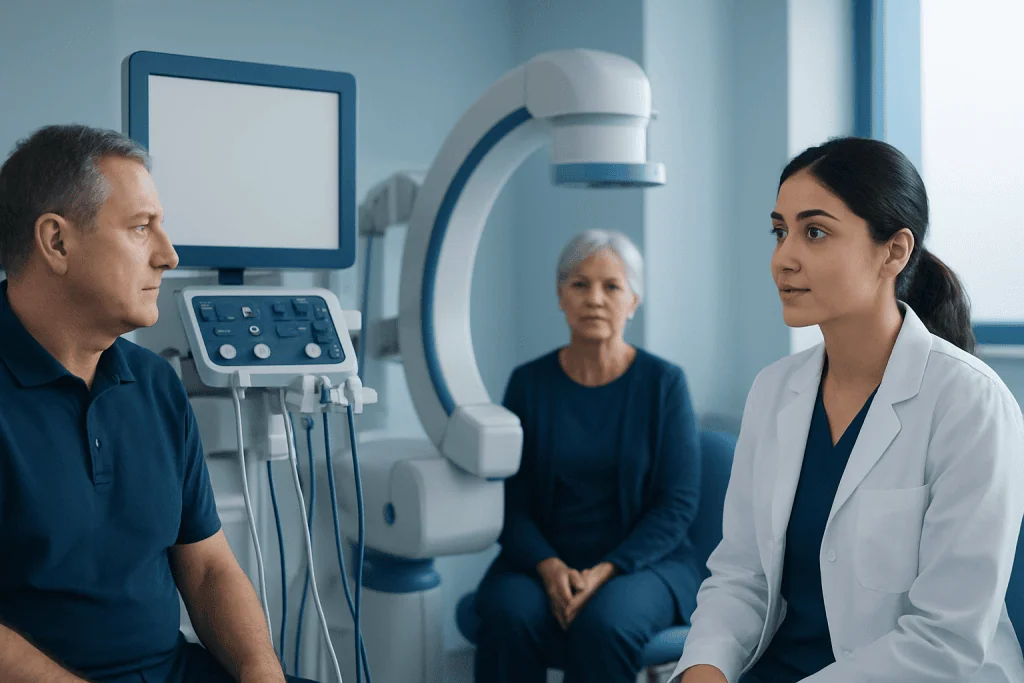
Before treatment begins, clinicians confirm the diagnosis and determine the cancer stage. Assessment may include blood tests, liver-function tests, ultrasound, CT or MRI scans, and sometimes specialized imaging. A biopsy may be needed when a diagnosis cannot be made from surgery or imaging alone, although the precise approach is individualized to avoid unnecessary procedures.
People with a small, localized tumor and adequate liver function may be candidates for surgery with curative intent. Surgical candidacy depends not only on cancer stage but also on whether important blood vessels, the liver, nearby organs, or distant sites are involved. Fitness for anesthesia and major abdominal surgery is assessed carefully.
When surgery is not appropriate initially, a medical oncologist may recommend systemic treatment. Tumor testing can sometimes identify features that may guide drug selection, especially in advanced disease. The team may also recommend a clinical trial when available, as trials can provide access to carefully studied emerging approaches.
- Localized, removable cancer: surgery, sometimes followed by additional therapy.
- Locally advanced cancer: systemic treatment, radiation in selected situations, and reassessment of options.
- Metastatic cancer: systemic and supportive treatments focused on control, symptoms, and quality of life.
Surgery for Gallbladder Cancer: How It Works
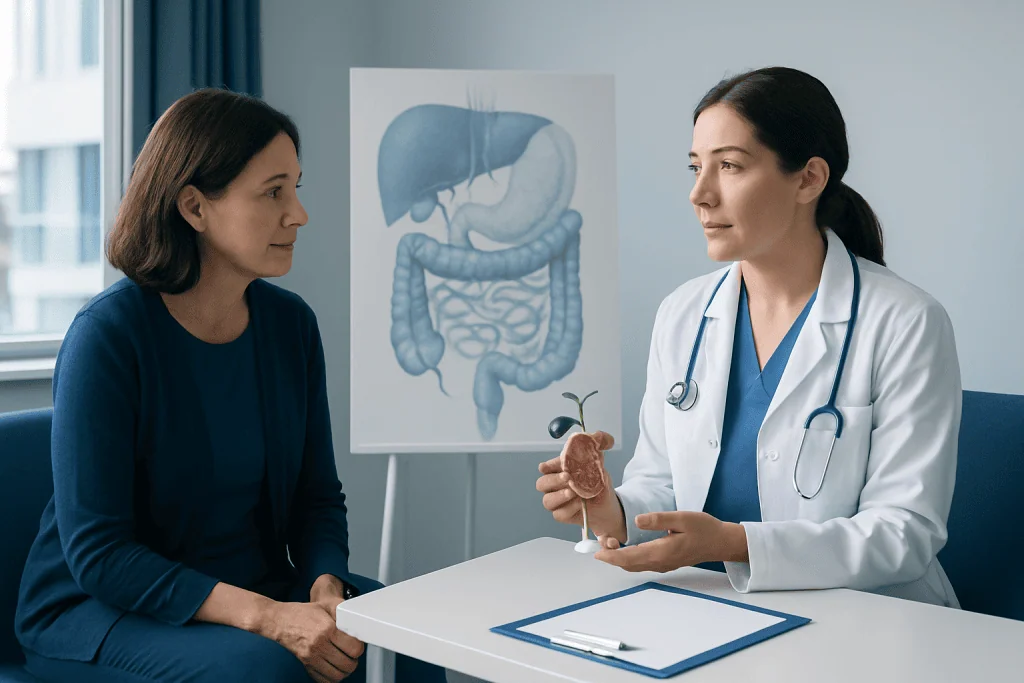
Surgery removes the gallbladder containing the tumor and, when needed, a margin of nearby tissue and regional lymph nodes. If cancer is found unexpectedly after a gallbladder removal performed for gallstones, further surgery may be advised depending on how deeply the tumor has grown into the gallbladder wall and other pathology findings.
A more extensive operation may include removal of a small portion of liver next to the gallbladder and lymph nodes near the bile duct and major blood vessels. In selected cases, surgery may involve reconstruction of the bile ducts or removal of nearby structures. The exact operation is planned from imaging, operative findings, and tumor location.
These procedures may be performed through open surgery and, in carefully selected situations, minimally invasive techniques. The priority is a safe operation that removes cancer completely where possible while protecting liver function and bile drainage. Patients can discuss the expected extent of surgery, possible reconstruction, and likely recovery with their hepatobiliary surgeon.
For people seeking specialist assessment, gallbladder cancer treatment may include coordinated evaluation by hepatobiliary surgeons and oncology specialists.
What Happens During Treatment and the Recovery Timeline
Before surgery, the care team reviews scans, blood results, medications, allergies, nutrition, and anesthesia risks. Patients may be asked to stop or adjust certain medicines under medical guidance. On the day of surgery, anesthesia is used so the patient is asleep and does not feel pain during the procedure.
Afterward, monitoring focuses on pain relief, breathing, circulation, bowel function, liver tests, and signs that bile is draining normally. Early, gentle walking and breathing exercises are often encouraged to reduce complications. Eating typically resumes gradually, depending on the operation and the person’s recovery.
Hospital stay and return to usual activities vary widely. A simple gallbladder operation generally has a shorter recovery than cancer surgery involving the liver, lymph nodes, or bile ducts. Many people need several weeks before strength and stamina improve, while recovery after extensive surgery can take longer and may include nutritional support or rehabilitation.
Follow-up appointments review wound healing, pathology results, treatment planning, and ongoing symptoms. The team may arrange surveillance scans and blood tests. Patients should follow their surgeon’s specific guidance about lifting, driving, bathing, work, activity, and diet.
Chemotherapy, Radiation, Immunotherapy and Supportive Procedures
Chemotherapy uses anti-cancer medicines to destroy cancer cells or slow their growth. It may be recommended after surgery when there is a risk that microscopic cancer cells remain, or as the main treatment for disease that cannot be removed. Treatment is delivered in cycles, with monitoring for side effects such as fatigue, nausea, appetite changes, low blood counts, infection risk, and nerve symptoms.
Immunotherapy helps the immune system recognize and attack cancer cells. It may be combined with chemotherapy or considered in certain advanced cases, depending on current evidence, regulatory approval, tumor characteristics, and the person’s health. Targeted medicines may also be relevant when molecular testing identifies an actionable tumor change.
Radiation therapy uses focused high-energy beams to treat a defined area. It may be considered after surgery in selected circumstances, for local disease control, or to ease symptoms caused by a tumor. The radiation oncology team carefully plans treatment to limit exposure to nearby healthy organs.
If a tumor blocks a bile duct, jaundice and infection risk may develop. Endoscopic or radiology-guided procedures can place a stent or drain to restore bile flow. Supportive care, including pain management, dietetic support, emotional support, and treatment of itching or nausea, is appropriate at every stage and can be provided alongside anti-cancer therapy.
Benefits, Risks and Expected Results
The potential benefit of surgery is complete removal of localized cancer and the possibility of long-term disease control. Outcomes depend on stage, tumor biology, lymph-node involvement, surgical margins, response to treatment, and general health. The treating team can explain what these factors mean for an individual; no test or treatment can guarantee a particular result.
Risks of gallbladder cancer surgery can include bleeding, infection, blood clots, pneumonia, bile leak, injury to nearby structures, delayed stomach or bowel function, and complications affecting liver or bile-duct function. More extensive surgery carries greater potential risks. The team works to reduce these through preoperative assessment, experienced surgical care, early mobility, and close postoperative monitoring.
Systemic therapies and radiation also have possible side effects, which differ by medicine, dose, and treatment schedule. Many side effects can be prevented, reduced, or treated promptly. Patients should tell their team about new symptoms rather than waiting for the next scheduled appointment.
Regular follow-up is important after all treatment pathways. It helps clinicians identify recurrence, manage late effects, monitor nutrition and liver health, and adjust supportive care as needs change.
Living Well During and After Treatment
There is no proven diet that cures gallbladder cancer, but good nutrition supports recovery and tolerance of treatment. Smaller, more frequent meals may be easier during periods of poor appetite or digestive discomfort. A dietitian can help patients maintain protein and calorie intake and make practical adjustments if fatty foods trigger symptoms after surgery.
Gentle physical activity, as approved by the clinical team, can support strength, sleep, mood, and recovery. Rest is also important. Family members and caregivers can help by attending appointments, keeping a symptom record, assisting with meals, and encouraging contact with the care team when concerns arise.
Emotional reactions such as worry, low mood, and uncertainty are common after a cancer diagnosis. Counseling, patient support groups, social-work services, and palliative-care teams can offer practical and emotional support. Palliative care is not limited to end-of-life care; it can help manage symptoms and improve quality of life at any point during treatment.
Acibadem International’s multidisciplinary specialists and JCI-accredited hospitals provide diagnosis and treatment planning for international patients with gallbladder cancer, including coordinated surgical and oncology care.
When to Seek Medical Care
People should arrange medical assessment for persistent pain in the upper right abdomen, ongoing nausea or loss of appetite, unexplained weight loss, or symptoms that do not improve as expected after treatment for gallstones or another digestive condition. These symptoms are common and often have causes other than cancer, but a clinician can determine whether tests are needed.
Urgent medical care is needed for yellowing of the skin or eyes, dark urine, pale stools, fever or chills with abdominal pain, repeated vomiting, severe worsening pain, confusion, or inability to keep fluids down. These symptoms may indicate blocked bile flow, infection, dehydration, or another condition requiring prompt attention.
During treatment, patients should contact their oncology or surgical team promptly for fever, shortness of breath, chest pain, uncontrolled pain, wound redness or drainage, heavy bleeding, sudden swelling, severe diarrhea, or signs of dehydration. The team can advise whether home measures, an urgent clinic review, or emergency care is appropriate.
Frequently asked questions
What is the main treatment for gallbladder cancer?
Surgery is the main treatment when gallbladder cancer is localized and can be removed safely and completely. Depending on the pathology and stage, chemotherapy or radiation may be recommended after surgery. Advanced cancer is more often treated with systemic medicines, symptom-relieving procedures, and supportive care.
Can gallbladder cancer be cured with surgery?
Surgery can offer the best opportunity for long-term disease control when the cancer has not spread and can be completely removed. Whether cure is possible depends on the cancer stage, tumor biology, lymph nodes, surgical margins, and other individual factors. The surgical and oncology teams can explain the expected goals of treatment after reviewing scans and pathology.
How long does recovery take after gallbladder cancer surgery?
Recovery depends on the type and extent of surgery. Operations that include nearby liver tissue, lymph nodes, or bile-duct reconstruction usually require a longer recovery than a routine gallbladder removal. The care team will provide individualized advice on activity, diet, wound care, and returning to work or travel.
Is chemotherapy always needed after gallbladder cancer surgery?
No. The need for chemotherapy is based on the surgical pathology, stage, lymph-node findings, margins, recovery, and overall health. In some situations, clinicians recommend postoperative chemotherapy to reduce the risk of cancer returning, while in others close follow-up or a different plan may be more suitable.
What are signs that gallbladder cancer may have spread?
Symptoms can include increasing abdominal pain, weight loss, reduced appetite, fatigue, jaundice, or abdominal swelling, but symptoms alone cannot determine whether cancer has spread. Imaging tests and clinical assessment are needed to establish the stage. New or worsening symptoms should be reported promptly to the treating team.
Can a person live normally without a gallbladder?
Most people can live well without a gallbladder because the liver continues to produce bile. Some people notice temporary changes in bowel habits or discomfort after high-fat meals, particularly early in recovery. Gradual dietary adjustments and advice from a clinician or dietitian can help manage these changes.
References
- National Cancer Institute
- American Cancer Society
- European Society for Medical Oncology
- National Comprehensive Cancer Network
- World Health Organization
This article is for general information only and is not a substitute for professional medical advice. Please consult a qualified doctor about your individual situation.
Bladder Cancer in Turkey — costs, top hospitals & a free quote
JCI-accredited · board-certified surgeons · reply within 24h
Add us as a Preferred Source to see more of our trusted health content across Google Search, AI Overviews and Discover.

Medical Oncology Department
Medical treatment of cancer with chemotherapy, immunotherapy and targeted therapies under a multidisciplinary tumor board.
60 specialists in this unit