Gallbladder Removal Surgery: What to Expect Before, During, and After

Gallbladder removal surgery is commonly performed to treat symptomatic gallstones, inflammation, infection, or blockage. Most procedures are done laparoscopically through small incisions, which usually means less pain and faster recovery.
Key Takeaways
- Gallbladder removal surgery is commonly performed to treat symptomatic gallstones, inflammation, infection, or blockage.
- Most procedures are done laparoscopically through small incisions, which usually means less pain and faster recovery.
- Many people can live normally without a gallbladder, although temporary digestive changes may occur after surgery.
- Recovery time varies, but many patients return to light activities within days and resume normal routines within a few weeks.
- Medical attention is important if symptoms such as fever, severe pain, jaundice, or persistent vomiting develop after surgery.
Gallbladder removal surgery, also called cholecystectomy, is a common treatment for gallstones and other gallbladder problems that cause pain, inflammation, or infection. Knowing what happens before, during, and after surgery can help patients feel more prepared and confident about recovery.
Overview of Gallbladder Removal Surgery
Gallbladder removal surgery is called cholecystectomy. It is performed to remove the gallbladder, a small organ located under the liver that stores bile. Bile helps the body digest fats, but the body can still digest food without a gallbladder because bile continues to flow from the liver into the small intestine.
This surgery is most often recommended when the gallbladder causes symptoms or complications. A common reason is gallstones, which can block the normal flow of bile and lead to pain, inflammation, nausea, or infection. In some cases, surgery is advised after repeated attacks or when imaging tests show a clear gallbladder problem.
There are two main surgical approaches. The most common is laparoscopic gallbladder removal, which uses small incisions and a camera. In certain situations, an open operation may be needed, especially if there is severe inflammation, scarring, or an unexpected finding during surgery.
Why Gallbladder Removal May Be Needed
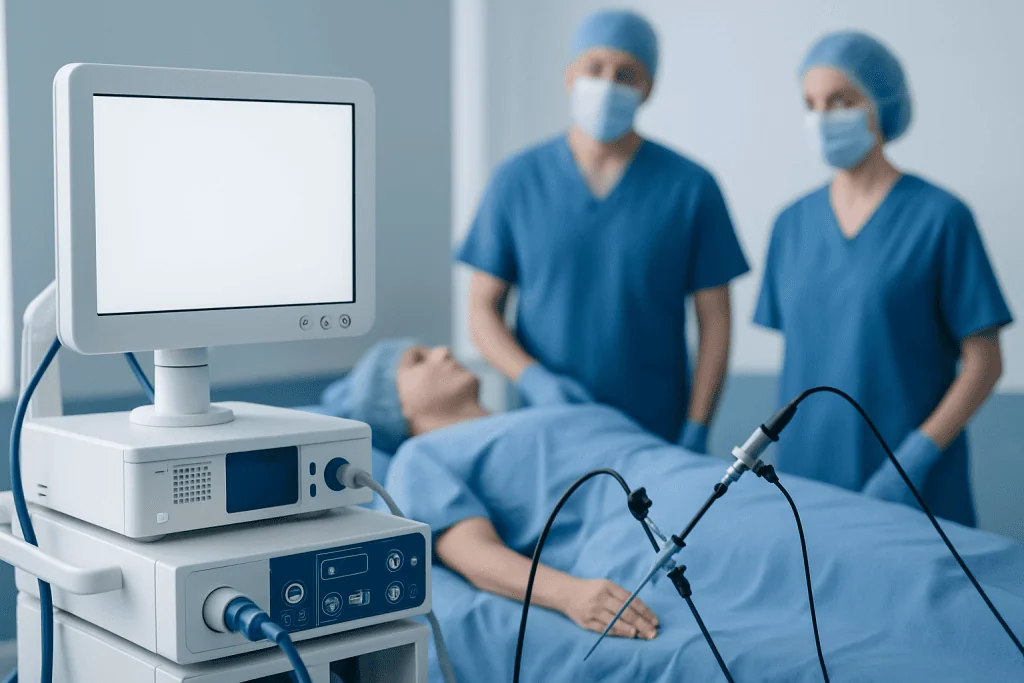
Doctors usually recommend gallbladder removal when symptoms are significant or when there is a risk of complications. Some people have gallstones without symptoms, but surgery is generally considered when stones cause repeated discomfort or acute attacks.
Common reasons for surgery include biliary colic, which is pain caused by gallstones temporarily blocking a duct, as well as acute or chronic inflammation of the gallbladder. Surgery may also be advised for gallbladder polyps of concern, gallstone-related pancreatitis, or blockage of the bile ducts that has affected the liver or pancreas.
- Repeated pain in the upper right or middle upper abdomen
- Nausea or vomiting after meals, especially fatty foods
- Gallbladder inflammation or infection
- Complications from stones moving into the bile duct
- Reduced quality of life due to ongoing symptoms
Removing the gallbladder treats the source of these episodes and helps prevent future attacks. The timing of surgery depends on the urgency of the condition, the patient’s overall health, and whether there is active infection or blockage that needs treatment first.
Symptoms and Tests Before Surgery

Before surgery, patients are evaluated to confirm that the gallbladder is the cause of their symptoms. Typical symptoms include pain in the upper abdomen, particularly after eating, bloating, indigestion, nausea, and sometimes pain that spreads to the right shoulder or back. Some patients have sudden, intense attacks, while others have more persistent discomfort.
Warning signs of a more serious problem can include fever, jaundice, dark urine, pale stools, or severe pain lasting several hours. These symptoms may suggest infection, inflammation, or a blocked bile duct and should be assessed promptly by a doctor.
Diagnosis often includes blood tests to check for infection or liver and pancreas involvement. Imaging is also important, most commonly an ultrasound. In some cases, doctors may request further evaluation with MRI or MRCP imaging or other scans if they need a clearer view of the bile ducts or surrounding organs.
During the preoperative visit, the surgical team reviews medical history, medications, allergies, previous surgeries, and anesthesia risks. Patients also receive instructions about fasting, stopping certain medicines such as blood thinners when appropriate, and planning for recovery at home.
What Happens During the Procedure
Gallbladder removal surgery is usually performed under general anesthesia, meaning the patient is asleep and feels no pain. In laparoscopic surgery, the surgeon makes several small incisions in the abdomen. Carbon dioxide gas is used to gently expand the area, creating space to work, and a camera helps guide the procedure.
The surgeon carefully separates the gallbladder from the liver and closes or clips the ducts and blood vessels connected to it. The gallbladder is then removed through one of the small incisions. If the anatomy is unclear or inflammation is severe, the surgeon may switch to an open procedure for safety.
The operation itself often takes one to two hours, although timing varies. Some patients go home the same day, while others stay overnight, especially if surgery was more complex, symptoms were severe beforehand, or other medical conditions require observation.
When there is concern about stones in the common bile duct, doctors may arrange additional procedures before or after surgery. In selected cases, this may include ERCP to examine and clear the bile ducts if a blockage is suspected.
Recovery After Gallbladder Removal Surgery
Recovery depends on whether surgery was laparoscopic or open. After laparoscopic surgery, many people are able to walk, drink fluids, and return home within hours. Mild abdominal soreness, fatigue, and shoulder-tip pain from the gas used during the operation are common for a short time and usually improve over several days.
Doctors generally encourage light walking soon after surgery because movement supports circulation and recovery. Most people return to desk work and light daily activities within about one to two weeks after laparoscopic surgery, while open surgery usually requires a longer recovery. Heavy lifting and strenuous exercise should wait until the surgeon says it is safe.
Incision care is an important part of healing. Patients are usually advised to keep wounds clean and dry, follow bathing instructions, and watch for increasing redness, swelling, discharge, or worsening pain. Prescribed or recommended pain relief should be taken exactly as advised by the medical team.
Digestive changes can occur after surgery because bile flows continuously into the intestine instead of being stored. Some people notice temporary bloating, loose stools, or sensitivity to very fatty meals. These symptoms often improve over time as the body adjusts.
Diet, Self-Care, and Living Without a Gallbladder
Most people can live a normal, healthy life without a gallbladder. In the early recovery period, a simple diet is often easier to tolerate. Eating smaller meals, drinking enough fluids, and choosing foods that are lower in fat may help reduce nausea, bloating, or diarrhea.
As recovery progresses, many patients slowly return to a regular diet. It can help to reintroduce richer or fried foods gradually rather than all at once. Fiber is beneficial for long-term digestive health, but increasing it too quickly may cause gas or cramping, so gradual changes are usually more comfortable.
- Choose small, frequent meals at first
- Limit greasy, fried, or very heavy foods during early recovery
- Drink water regularly unless a doctor gives different advice
- Walk daily and increase activity gradually
- Take medicines only as directed by the surgical team
Follow-up appointments are important because they allow the doctor to check wound healing, review pathology results if relevant, and discuss when to resume work, exercise, and travel. If symptoms continue after surgery, further evaluation may be needed to rule out other digestive conditions.
Risks, Possible Complications, and When to See a Doctor
Gallbladder removal surgery is widely performed and is generally safe, but like any operation it carries some risks. Possible complications include bleeding, infection, blood clots, bile leakage, injury to nearby structures such as the bile duct or intestine, and problems related to anesthesia. These events are uncommon, but patients should understand them before giving consent.
It is normal to have some discomfort, tiredness, and reduced appetite during the first days of recovery. However, certain symptoms should not be ignored. Patients should contact their doctor promptly if they develop a fever, increasing abdominal pain, persistent vomiting, yellowing of the skin or eyes, chest pain, trouble breathing, or drainage from the wound.
Occasionally, digestive symptoms or pain continue even after surgery. This does not always mean there is a surgical complication. Sometimes the cause is another digestive issue, such as acid reflux, irritable bowel symptoms, or a stone remaining in the bile duct, and doctors may recommend further tests to find the reason.
For patients seeking specialist evaluation, Acibadem International’s multidisciplinary teams in JCI-accredited hospitals diagnose and treat gallbladder conditions for international patients, with care plans tailored to the individual’s symptoms, imaging findings, and overall health.
Frequently asked questions
How long does gallbladder removal surgery take?
The procedure often takes about one to two hours, although this can vary depending on the surgical approach and the condition of the gallbladder. Extra time may be needed if there is severe inflammation, scar tissue, or concern about stones in the bile ducts.
Is gallbladder removal surgery painful?
Patients do not feel pain during the operation because it is usually done under general anesthesia. After surgery, some soreness, bloating, and temporary shoulder pain can occur, but these symptoms are usually manageable with the care plan provided by the doctor.
Can a person live normally without a gallbladder?
Yes, most people live normally without a gallbladder. The liver still produces bile, and digestion usually adapts well, although some people notice temporary changes such as loose stools or discomfort after fatty meals.
How soon can normal activities be resumed after surgery?
Many people return to light activities within a few days after laparoscopic surgery and to routine daily tasks within one to two weeks. Recovery is usually longer after open surgery, so the exact timeline should follow the surgeon’s guidance.
What foods should be avoided after gallbladder removal?
In the early recovery period, very fatty, fried, or heavy meals may be harder to tolerate. Smaller, simpler meals are often easier at first, and most people can gradually reintroduce a wider range of foods as symptoms improve.
When should someone seek urgent medical care after gallbladder surgery?
Urgent medical advice is needed for symptoms such as fever, severe or worsening abdominal pain, persistent vomiting, jaundice, chest pain, breathing difficulty, or signs of wound infection. These symptoms may need prompt evaluation to rule out complications.
References
- World Health Organization
- National Institute of Diabetes and Digestive and Kidney Diseases
- American College of Surgeons
- Society of American Gastrointestinal and Endoscopic Surgeons
- National Health Service
This article is for general information only and is not a substitute for professional medical advice. Please consult a qualified doctor about your individual situation.
Persistent digestive symptoms? Get evaluated in Turkey
JCI-accredited · board-certified surgeons · reply within 24h
Add us as a Preferred Source to see more of our trusted health content across Google Search, AI Overviews and Discover.