Gallbladder Taken Out Side Effects: A Doctor-Reviewed Guide to Uses and Safety

Most side effects after gallbladder removal are digestive and improve over time. Diarrhea, bloating, gas, and sensitivity to fatty foods are common early complaints.
Key Takeaways
- Most side effects after gallbladder removal are digestive and improve over time.
- Diarrhea, bloating, gas, and sensitivity to fatty foods are common early complaints.
- Severe abdominal pain, fever, vomiting, jaundice, or dark urine are not typical recovery symptoms and need medical attention.
- Diet changes, gradual return to routine, and follow-up care can help recovery.
- Some symptoms come from the surgery itself, while others may relate to bile flow changes after the gallbladder is removed.
Gallbladder taken out side effects are most often temporary digestive changes, including loose stools, bloating, gas, or difficulty tolerating fatty meals. Most people recover well after surgery, but ongoing pain, fever, jaundice, or worsening symptoms should be assessed by a doctor.
Overview: what side effects can happen after gallbladder removal?
Gallbladder taken out side effects usually involve digestion rather than a dangerous long-term problem. After the gallbladder is removed, bile no longer collects in a storage pouch and instead flows more continuously from the liver into the small intestine. This change can lead to loose stools, bloating, gas, or discomfort after heavy or fatty meals, especially in the early recovery period.
Gallbladder removal is called cholecystectomy, and it is commonly performed for gallstones, inflammation, or complications of gallbladder disease. Many people return to normal activities and eat a broad diet again, but recovery is not identical for everyone. Some symptoms are related to healing from surgery, while others reflect how the digestive system adjusts over the following weeks or months.
It is also important to separate expected side effects from warning signs. Mild soreness near the incisions, temporary fatigue, and short-term bowel changes are common. By contrast, increasing abdominal pain, persistent vomiting, fever, yellowing of the skin or eyes, or inability to eat and drink normally are not routine and should prompt medical advice.
Common side effects and digestive changes
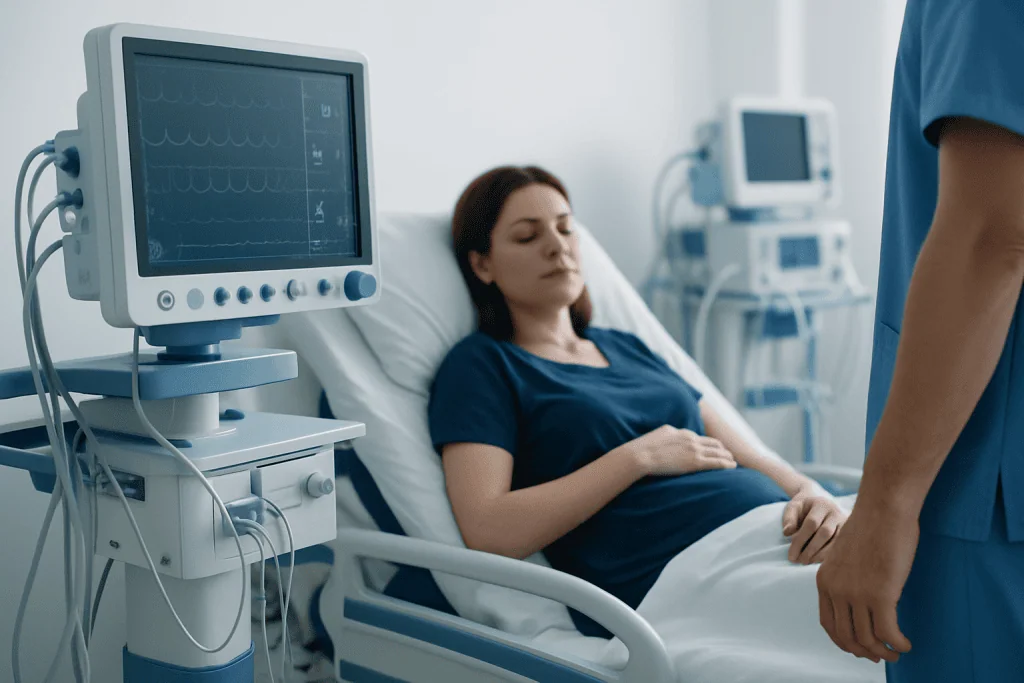
The most frequently reported side effects after gallbladder removal are diarrhea, bloating, gas, indigestion, and temporary intolerance to fatty foods. These symptoms often occur because bile enters the intestine in a steady trickle instead of being released in a larger amount during meals. For some people, this makes fats harder to digest comfortably for a period of time.
Loose stools can happen soon after surgery and often improve as the body adapts. Bloating and gas may also be more noticeable in the first days or weeks, partly because of changes in eating patterns, reduced activity, or swallowed air after anesthesia. Some patients notice urgent bowel movements after meals, especially if the meal is rich, fried, or very large.
Other short-term effects may come from the operation rather than the missing gallbladder itself. These can include incision discomfort, shoulder pain from laparoscopic gas used during surgery, tiredness, constipation related to pain medicines, and reduced appetite. Typical digestive side effects include:
- Loose stools or diarrhea
- Bloating or abdominal fullness
- Gas or belching
- Nausea or reduced appetite
- Discomfort after fatty or spicy foods
- Temporary constipation, often related to medicines or lower activity
Most of these symptoms gradually settle. If bowel changes continue, clinicians may assess for bile acid diarrhea, irritable bowel symptoms, infection, or another digestive condition rather than assuming every symptom is simply part of recovery.
Why side effects happen: causes and risk factors

The gallbladder stores bile made by the liver and releases it when food, especially fat, enters the small intestine. After removal, bile still reaches the intestine, but it is less concentrated and less timed to meals. This can explain why some people experience diarrhea or difficulty with richer foods after surgery.
Not everyone develops noticeable side effects. Symptoms may be more likely in people who already had sensitive digestion, pre-existing diarrhea, irritable bowel syndrome, acid reflux, obesity, or a diet high in fat before surgery. Some people also discover that a symptom they blamed on the gallbladder was partly due to another digestive issue that continues after the operation.
Sometimes ongoing symptoms are linked to another medical cause, such as a stone left in the bile duct, bile duct irritation, pancreatitis, peptic ulcer disease, or functional bowel disorders. Gallbladder disease itself can overlap with conditions such as gallstones or inflammation of the pancreas, and a doctor may investigate these if symptoms do not improve as expected.
Age, the type of operation, overall health, and how the body responds to anesthesia and pain medicines can also influence recovery. Open surgery generally involves a longer healing period than laparoscopic surgery, so temporary discomfort and fatigue may last longer in some patients.
How doctors evaluate symptoms after surgery
When symptoms persist or seem unusual, doctors begin by asking when they started, what foods trigger them, how severe they are, and whether there are red-flag symptoms such as fever, jaundice, chest pain, or vomiting. A review of bowel habits, medicines, and surgical details can help clarify whether symptoms fit a normal recovery pattern or suggest another cause.
Examination may include checking the abdomen, the incision sites, hydration, and signs of infection or bile duct blockage. Blood tests may be used to look at liver function, inflammation, pancreatic enzymes, or infection. In some cases, imaging studies such as ultrasound, CT, or MRCP are considered to assess the bile ducts and surrounding organs.
For persistent diarrhea, the doctor may consider bile acid-related symptoms, infection, food intolerance, or unrelated gastrointestinal disorders. If abdominal pain continues after healing, the clinician may also assess for acid-related stomach problems, retained stones, or conditions affecting the liver or pancreas. Recovery concerns are best discussed promptly rather than managed by self-diagnosis alone.
Treatment and symptom relief after gallbladder removal
Treatment depends on the cause of the symptoms. Many people only need time, gradual diet adjustments, good hydration, and routine postoperative care. Smaller meals, lower-fat choices, and slowly reintroducing heavier foods can reduce cramping, diarrhea, and bloating during the early period after surgery.
If symptoms are more troublesome, a doctor may recommend medication based on the specific problem. For example, medicines may be used for nausea, constipation, acid-related symptoms, or diarrhea. In some patients with suspected bile acid diarrhea, clinicians may consider medicines that bind bile acids. Patients should use medicines according to professional advice and the product label, because even common drugs can cause side effects or interact with other treatments.
Label-level medication facts matter during recovery. Pain relievers, anti-nausea medicines, antidiarrheals, acid-suppressing medicines, and laxatives may each have common side effects such as drowsiness, constipation, diarrhea, or stomach upset. They may also have contraindications in certain liver, kidney, heart, or gastrointestinal conditions, and some can interact with blood thinners, alcohol, sedating drugs, or other prescription medicines. Questions about the right medicine or dose are best directed to the treating clinician or pharmacist.
If a structural problem is found, treatment may go beyond symptom management. Depending on the cause, patients may need further evaluation by specialists in gastroenterology, imaging, or procedures such as ERCP to examine and treat bile duct problems. Surgery itself may be performed using laparoscopic cholecystectomy in many cases, which generally supports a faster recovery than open surgery.
Diet, self-care, and life after gallbladder removal
Most people can live normally without a gallbladder. The liver continues to make bile, so digestion still works, but the body may need time to adapt. During recovery, a practical approach is to eat smaller meals, chew well, stay hydrated, and limit very greasy, fried, or unusually rich foods until tolerance becomes clearer.
Fiber can help regulate bowel movements, but it is often best increased gradually because too much too quickly may worsen gas and bloating. A food and symptom diary can be useful in identifying individual triggers. Some people tolerate dairy, caffeine, spicy foods, or high-fat meals less well for a while, while others return to their usual diet with little difficulty.
Regular movement, once approved by the surgeon, can support bowel function and recovery. Rest is also important, especially in the first days after surgery. Good self-care usually includes:
- Choosing smaller, more frequent meals
- Limiting fatty, fried, or heavy foods at first
- Drinking enough fluids
- Adding fiber slowly if constipation or loose stools are an issue
- Following incision care instructions carefully
- Taking medicines only as directed by the healthcare team
For people whose symptoms continue beyond the expected healing period, reassessment is worthwhile. Sometimes ongoing digestive complaints reflect another condition rather than the absence of the gallbladder itself, such as reflux, bowel sensitivity, or less commonly pancreatitis.
When to seek medical care
Some discomfort after surgery is expected, but certain symptoms deserve prompt medical review. A patient should contact a doctor if pain is severe, getting worse instead of better, or associated with persistent vomiting, inability to keep fluids down, or swelling that seems unusual.
Urgent assessment is also important for fever, chills, jaundice, dark urine, pale stools, shortness of breath, chest pain, redness or drainage from the wound, or a swollen and very tender abdomen. These symptoms can point to infection, a bile duct problem, dehydration, blood clots, or another complication that should not be ignored.
If diarrhea is frequent, wakes the person at night, leads to weight loss, or lasts longer than expected, medical advice is appropriate even if there are no emergency features. Ongoing symptoms often can be treated effectively once the underlying reason is identified. Near the end of recovery or for complex digestive concerns, multidisciplinary specialists at Acibadem International, in JCI-accredited hospitals, evaluate and treat international patients, including when advanced assessment such as MRI-based imaging is needed.
Frequently asked questions
Is it normal to have diarrhea after gallbladder removal?
Yes. Loose stools can happen after gallbladder removal because bile reaches the intestine more continuously, which may affect digestion, especially after fatty meals. It often improves over time, but persistent or severe diarrhea should be discussed with a doctor.
How long do gallbladder taken out side effects last?
Many side effects are short term and improve over days to weeks as healing progresses and the digestive system adapts. Some people notice food sensitivity or bowel changes for longer, and ongoing symptoms may need medical review to check for another cause.
Can a person eat normally without a gallbladder?
Most people can eventually return to a normal, balanced diet without a gallbladder. In the early period, smaller meals and lower-fat foods are often better tolerated while the body adjusts.
What symptoms after gallbladder surgery are not normal?
Warning symptoms include severe or worsening abdominal pain, fever, persistent vomiting, jaundice, dark urine, pale stools, chest pain, breathing trouble, or signs of wound infection. These symptoms are not typical recovery effects and should be evaluated promptly.
Do medicines help with side effects after gallbladder removal?
They can, depending on the symptom and the cause. Doctors may recommend medicines for pain, nausea, constipation, acid-related symptoms, or diarrhea, but these should be used according to professional advice because they can have side effects, interactions, and contraindications.
Can pain continue even after the gallbladder is removed?
Yes, but continuing pain should not automatically be assumed to be normal. It may come from healing, scar sensitivity, digestive irritation, or another condition such as a bile duct issue, reflux, or pancreatic disease, so ongoing pain deserves medical assessment.
References
- National Institute of Diabetes and Digestive and Kidney Diseases
- American College of Gastroenterology
- National Health Service
- Mayo Clinic
- Society of American Gastrointestinal and Endoscopic Surgeons
This article is for general information only and is not a substitute for professional medical advice. Please consult a qualified doctor about your individual situation.
Persistent digestive symptoms? Get evaluated in Turkey
JCI-accredited · board-certified surgeons · reply within 24h
Add us as a Preferred Source to see more of our trusted health content across Google Search, AI Overviews and Discover.