Gastric Emptying Study: What Patients Need to Know

A gastric emptying study measures how quickly a small meal leaves the stomach over several hours. The test is most often used when delayed stomach emptying, including gastroparesis, is suspected.
Key Takeaways
- A gastric emptying study measures how quickly a small meal leaves the stomach over several hours.
- The test is most often used when delayed stomach emptying, including gastroparesis, is suspected.
- Preparation matters because some medicines, blood sugar levels, and recent food intake can affect results.
- The amount of radiation is low, and the test is generally safe and well tolerated.
- Results are interpreted together with symptoms, medical history, and sometimes other digestive tests.
A gastric emptying study is a nuclear medicine test that shows how fast food moves out of the stomach. It is commonly used to investigate symptoms such as nausea, vomiting, early fullness, bloating, or suspected gastroparesis, and it can help guide the next steps in care.
Overview: what a gastric emptying study shows
A gastric emptying study is a test that measures how quickly food leaves the stomach and moves into the small intestine. In most cases, it is performed in a nuclear medicine department using a small amount of radioactive material mixed into a standard meal. A camera then takes images at set times to track the movement of that meal through the stomach.
This test is helpful because symptoms such as nausea, vomiting, bloating, upper abdominal discomfort, and feeling full very quickly can have several possible causes. A gastric emptying study does not diagnose every digestive condition on its own, but it can show whether stomach emptying is normal, slower than expected, or occasionally faster than expected.
Doctors often request this study when they suspect gastroparesis or another problem affecting stomach motility. It may also be used after certain surgeries, in people with diabetes, or when symptoms continue despite initial treatment. By giving a clearer picture of stomach function, the test can help make treatment more targeted.
Why a doctor may recommend this test
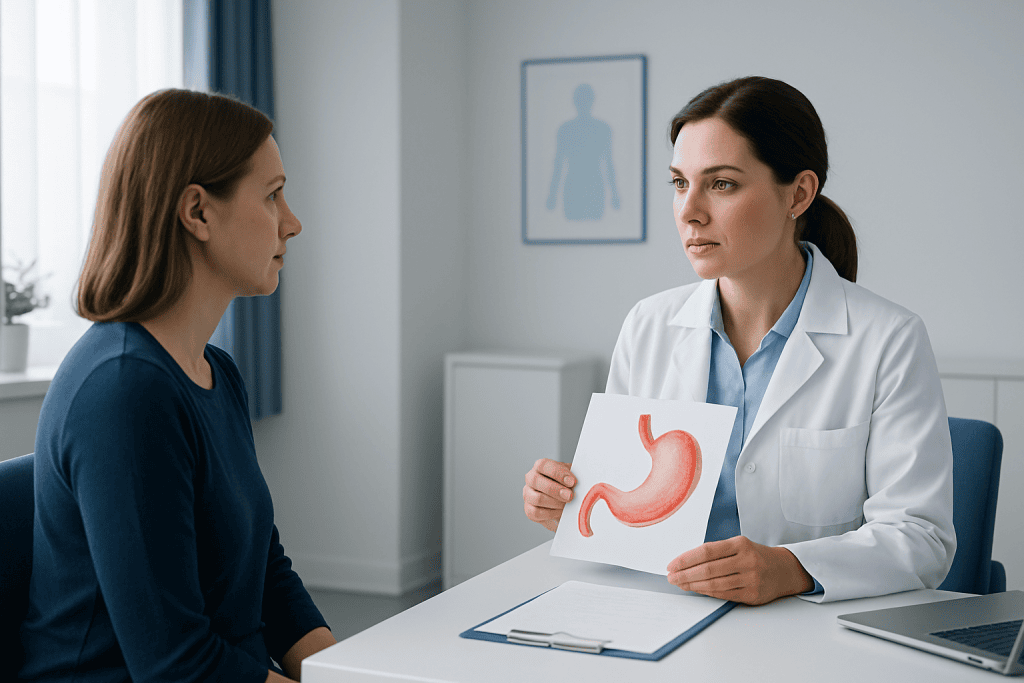
A doctor may recommend a gastric emptying study when a person has ongoing digestive symptoms that suggest food is not moving through the stomach normally. These symptoms can overlap with many common stomach disorders, so objective testing can be useful before deciding on treatment.
Common reasons for the test include:
- Frequent nausea or vomiting, especially after meals
- Feeling full after eating only a small amount
- Bloating or upper abdominal pressure
- Unexplained weight loss or poor appetite
- Suspected complications from diabetes affecting stomach nerves
- Assessment after some upper digestive surgeries
The study may also help distinguish delayed gastric emptying from other conditions, such as acid reflux, indigestion, blockage, ulcers, or functional bowel disorders. In some cases, doctors combine the results with other evaluations such as endoscopy or imaging studies to get a fuller understanding of symptoms.
How the test is done and how to prepare
Before the test, the patient is usually asked not to eat or drink for a set number of hours. The care team may also review current medicines because some drugs can slow or speed stomach emptying and may need to be paused temporarily if the prescribing doctor agrees. People with diabetes may receive specific instructions, since blood sugar levels can affect stomach movement and should be reasonably controlled on the day of testing.
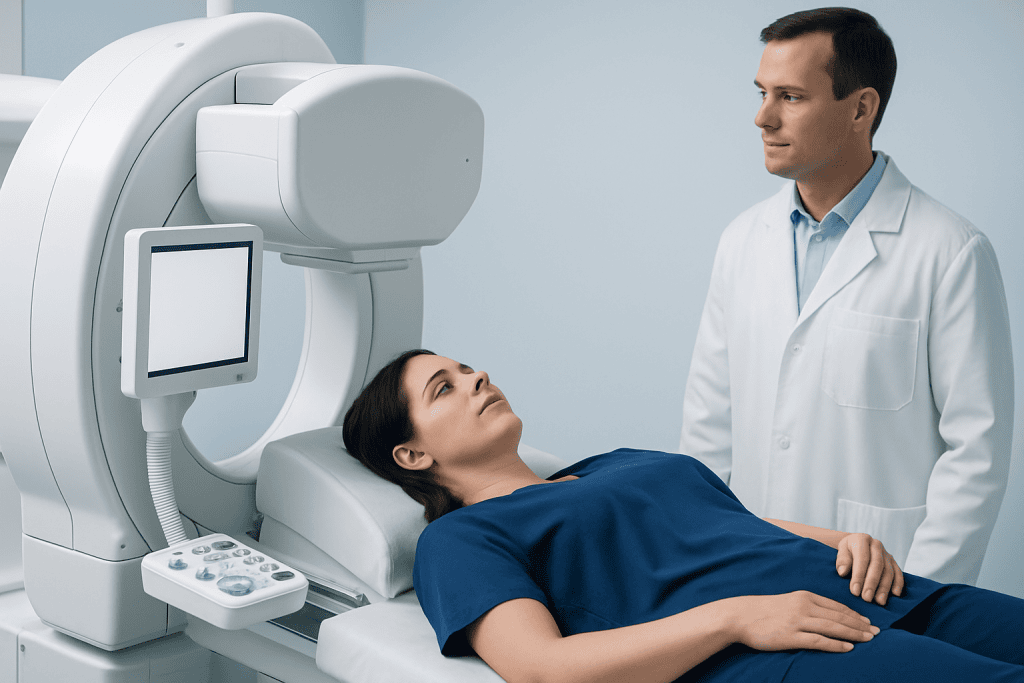
At the appointment, the patient eats a small meal that contains a tiny amount of radioactive tracer. The exact meal can vary by center, but it is standardized as much as possible so the results can be compared with normal reference ranges. After the meal is eaten, the patient stands or sits in front of a special camera while images are taken over time, often at several intervals over about four hours.
The test itself is painless. The main challenge is usually the time involved, because accurate results depend on taking images at the proper intervals. Patients should tell the team if they are pregnant, may be pregnant, or are breastfeeding, as this can affect whether and how the test is performed.
What the results can mean
The report describes how much of the meal remains in the stomach at specific time points. If a larger-than-expected amount remains after several hours, this suggests delayed gastric emptying. If food leaves very quickly, that may point toward rapid gastric emptying, sometimes called dumping, especially in people who have had stomach surgery.
Results are interpreted in context. A delayed result can support a diagnosis such as gastroparesis, but doctors also consider symptoms, medical history, diabetes status, previous surgery, medicines, and whether another condition could be contributing. A normal study may help rule out major delay and point attention toward other causes of symptoms.
Sometimes more testing is needed if symptoms remain unexplained. Depending on the situation, the doctor may suggest blood tests, abdominal imaging, colonoscopy when lower digestive symptoms are also present, or specialist evaluation in motility-focused gastroenterology care. The goal is not only to label a condition, but to match treatment to the actual reason symptoms are happening.
Conditions linked with delayed stomach emptying
Delayed gastric emptying can happen for different reasons. In some people, it is related to diabetes, especially when long-term high blood sugar has affected the nerves that help control stomach muscles. In others, it may occur after surgery involving the stomach or esophagus, after certain viral illnesses, or alongside connective tissue or neurologic disorders.
Medications can also play a role. Some pain medicines, anticholinergic drugs, and other treatments may slow digestive movement. For that reason, a careful medication review is an important part of the evaluation. Occasionally, no clear cause is found, and the condition is described as idiopathic.
Doctors may also think about related digestive problems. Symptoms can overlap with gastritis, reflux disease, peptic ulcer disease, or functional dyspepsia. When symptoms are complex or severe, a broader workup may include gastroenterology evaluation to look at structure, motility, nutrition, and symptom patterns together.
Treatment options after a gastric emptying study
Treatment depends on the cause and the severity of symptoms rather than on the test result alone. If stomach emptying is delayed, management may include changes in meal size and texture, treatment of dehydration or nutritional issues, adjustment of medicines that may worsen motility, and treatment of underlying conditions such as diabetes. Some people also benefit from medicines that help the stomach empty more effectively or reduce nausea.
Dietary strategies are often a practical starting point. Smaller, more frequent meals can be easier to tolerate than large meals. In some cases, lower-fat or lower-fiber choices may be recommended because they can move through the stomach more easily. A doctor or dietitian can individualize this advice so that nutritional intake remains adequate.
If symptoms are significant or long-lasting, referral to a specialist may be appropriate. In complex cases, treatment planning may involve gastroenterologists, endocrinologists, nutrition experts, and imaging specialists. Acibadem International’s multidisciplinary specialists in JCI-accredited hospitals diagnose and treat digestive motility disorders for international patients when more advanced evaluation is needed.
Safety, limitations, and what patients often ask
A gastric emptying study is generally considered safe. The amount of radioactive material used is small, and the radiation exposure is typically low. Most people tolerate the test well, and there are no needles involved unless additional blood tests are needed separately.
Like any medical test, it has limitations. Results can be affected by how well the patient follows fasting instructions, whether the full test meal is eaten, recent smoking, blood sugar levels, and medications that influence stomach movement. A single result also does not always explain every symptom, especially when digestive symptoms fluctuate over time.
For the most accurate interpretation, the test should be reviewed by a doctor who understands the patient’s overall history. A normal scan does not mean symptoms are not real, and an abnormal scan does not always point to one single diagnosis. It is best seen as one important piece of the clinical picture.
When to seek medical care
A person should seek medical care if nausea, vomiting, bloating, early fullness, or unexplained upper abdominal discomfort continues, especially if symptoms are interfering with eating, hydration, or daily life. These symptoms are often treatable, but they should be evaluated when they are persistent, worsening, or associated with weight loss.
Prompt medical attention is especially important if there is repeated vomiting, signs of dehydration, inability to keep fluids down, black stools, vomiting blood, fainting, severe abdominal pain, or sudden worsening of symptoms. People with diabetes should also contact a doctor if digestive symptoms are making blood sugar harder to control.
A healthcare professional can decide whether a gastric emptying study is the right test or whether another evaluation would be more useful first. Early assessment can help identify the cause, reduce discomfort, and prevent complications related to poor nutrition or dehydration.
Frequently asked questions
How long does a gastric emptying study take?
A standard gastric emptying study often takes about four hours because images are collected at several time points after the meal. Some centers may use slightly different protocols, but the patient should expect the visit to last longer than a routine scan.
Is a gastric emptying study painful?
No, the test is usually not painful. The patient eats a prepared meal and then has images taken with a camera; the main inconvenience is the time required and the need to follow preparation instructions carefully.
What should a patient avoid before the test?
Patients are commonly asked to avoid eating and drinking for several hours before the study. They may also need temporary instructions about certain medicines, smoking, and diabetes management, because these factors can affect stomach emptying and the accuracy of the results.
Can a gastric emptying study diagnose gastroparesis?
It can strongly support the diagnosis by showing delayed stomach emptying, which is a key feature of gastroparesis. However, doctors usually diagnose gastroparesis by combining the test result with symptoms, medical history, and evaluation for other possible causes.
Is the radiation from a gastric emptying scan safe?
The amount of radiation used is small and is generally considered low. Even so, patients should tell the care team if they are pregnant, might be pregnant, or are breastfeeding so the safest approach can be chosen.
What happens if the test result is normal?
A normal result means the stomach emptied within the expected range during the test. If symptoms continue, the doctor may look for other explanations, such as reflux, ulcers, functional digestive disorders, medication effects, or problems outside the stomach.
This article is for general information only and is not a substitute for professional medical advice. Please consult a qualified doctor about your individual situation.
Persistent digestive symptoms? Get evaluated in Turkey
JCI-accredited · board-certified surgeons · reply within 24h
Add us as a Preferred Source to see more of our trusted health content across Google Search, AI Overviews and Discover.

More from the Health Library

Somnolence: An Evidence-Based Guide for Patients

Fasting Benefits — Explained by Medical Evidence, Not Myths

Hip Bone — Explained by Medical Evidence, Not Myths

Akinesia: An Evidence-Based Guide for Patients

Ca Bowel: What Patients Need to Know