Gastric sleeve in Turkey: Hospitals, Safety & What to Expect

Gastric sleeve surgery removes a large portion of the stomach, helping patients feel full with smaller meals and supporting hormonal changes linked to appetite. It is major surgery and is best considered after a specialist assessment of weight-related health conditions, nutrition, mental wellbeing, and readiness for lifelong follow-up.
Key Takeaways
- Gastric sleeve surgery removes a large portion of the stomach, helping patients feel full with smaller meals and supporting hormonal changes linked to appetite.
- It is major surgery and is best considered after a specialist assessment of weight-related health conditions, nutrition, mental wellbeing, and readiness for lifelong follow-up.
- Patients traveling for surgery should confirm hospital accreditation, surgeon credentials, emergency arrangements, language support, accommodation, and a follow-up plan before booking travel.
- Recovery requires a staged diet, regular movement, prescribed supplements, wound care, and monitoring for dehydration, nutritional deficiencies, or surgical complications.
- Long-term success relies on dietary changes, physical activity, behavioral support, and ongoing medical reviews rather than surgery alone.
Gastric sleeve in Turkey is a bariatric surgery option for eligible adults with obesity who need a long-term, medically supervised approach to weight management. Safety depends on appropriate candidacy assessment, experienced surgical and anesthesia teams, accredited hospital standards, clear communication, and reliable follow-up after returning home.
Overview: gastric sleeve in Turkey
Gastric sleeve in Turkey refers to sleeve gastrectomy performed in a Turkish hospital for patients traveling from abroad. It can be a safe option when surgery is carried out after a full clinical assessment in an appropriately accredited hospital, by an experienced bariatric team, with coordinated aftercare both during the stay and after travel home.
Sleeve gastrectomy is a permanent weight-loss operation. A surgeon removes a large curved section of the stomach, leaving a narrow, tube-shaped stomach or “sleeve.” This limits the amount of food a person can comfortably eat and may also reduce hunger by changing gut hormones involved in appetite regulation.
The operation is not a quick solution or a substitute for long-term health care. It is a tool that may help eligible people achieve meaningful weight loss and improve obesity-related conditions when combined with nutrition changes, regular activity, psychological support where needed, and lifelong medical follow-up. For an overview of the procedure itself, see gastric sleeve surgery.
How gastric sleeve surgery works and who may be eligible
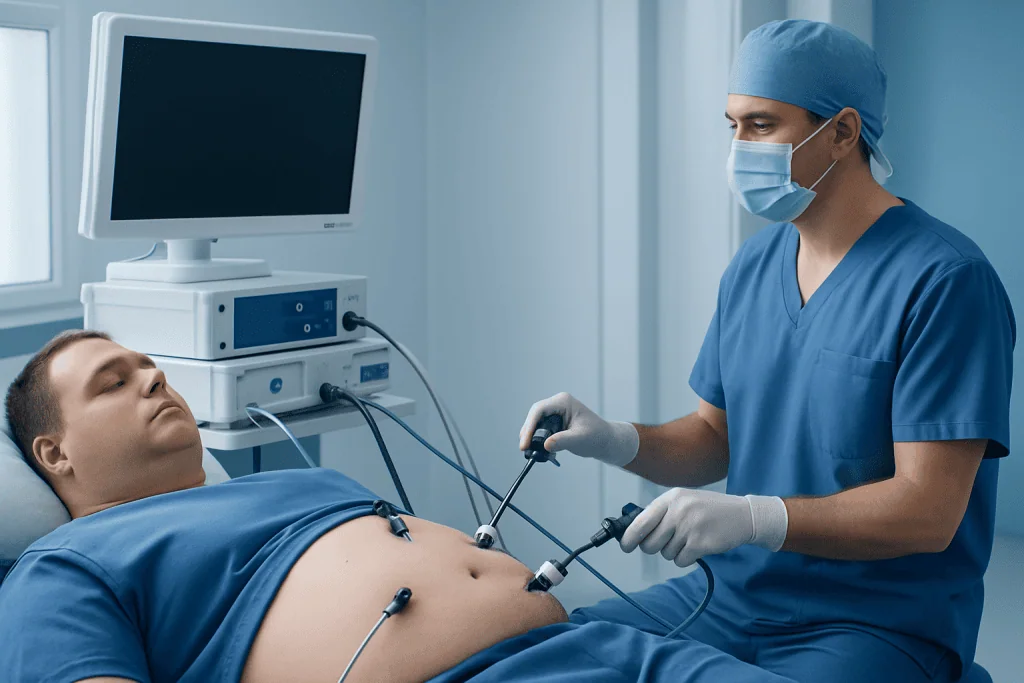
Gastric sleeve surgery is usually performed using minimally invasive, or laparoscopic, techniques. Small incisions are made in the abdomen, and a camera and surgical instruments are used to remove part of the stomach. The remaining stomach is sealed with staples. Unlike gastric bypass, sleeve gastrectomy does not reroute the intestines or create an intestinal connection.
Eligibility is individualized. Bariatric surgery may be considered for adults with obesity, particularly when weight is affecting health or when structured non-surgical weight-management approaches have not achieved sustainable results. Health professionals consider body mass index, weight-related conditions such as type 2 diabetes, sleep apnea, high blood pressure or fatty liver disease, previous treatments, surgical risk, and the person’s ability to engage in follow-up care.
Assessment also includes eating patterns, alcohol or substance use, mental health, current medicines, and plans for pregnancy. Patients may be asked to stop smoking before surgery because smoking increases the risk of complications and delayed healing. A bariatric specialist can explain whether sleeve surgery, another weight-loss procedure, or a non-surgical approach is most appropriate.
Planning treatment and travel in Turkey
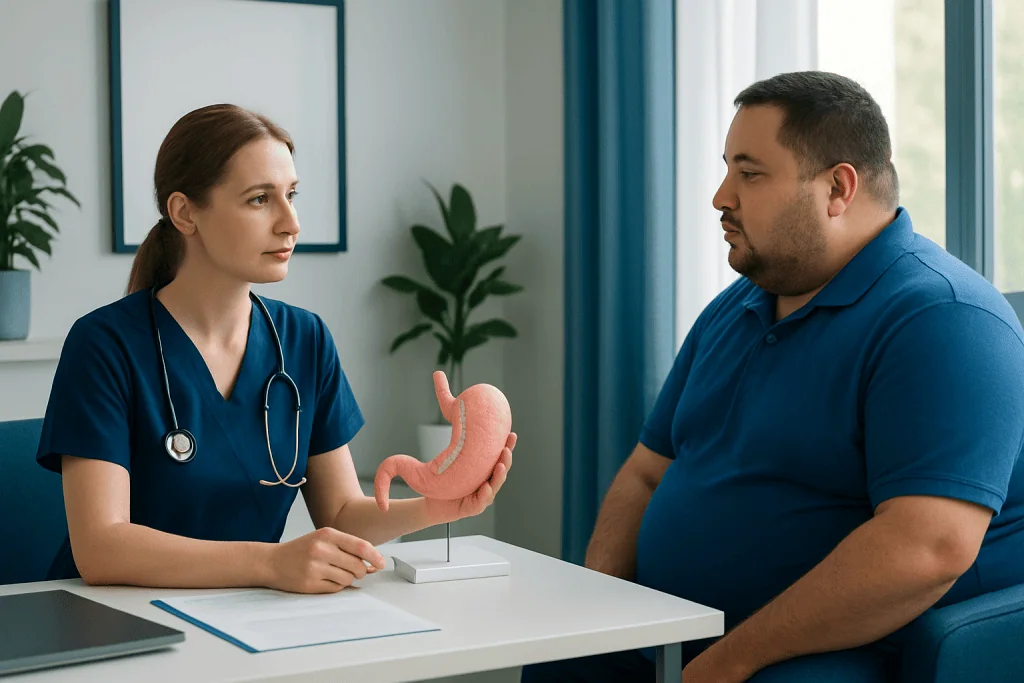
For international patients, preparation should begin well before travel. A reputable program will request medical records and arrange preoperative consultations and tests. These commonly include blood tests, heart and lung assessment when indicated, evaluation for sleep apnea, and review of digestive symptoms, medicines, allergies, and prior operations. The final decision to operate should follow an in-person clinical assessment, not online information alone.
Hospital standards are an important part of safety. Patients may wish to ask whether the hospital is JCI-accredited, how bariatric anesthesia and emergency care are organized, which specialists are available, and how infections, blood clots, pain, and nutritional needs are managed. It is also reasonable to ask who will provide written information in a language the patient understands and how questions will be handled after discharge.
Travel planning should account for accommodation, a companion if possible, transfers, dietary needs, and sufficient time in the country for medical review before flying. The clinical team should advise when air travel is appropriate based on the individual recovery. Patients should also arrange follow-up with a physician or bariatric service at home before leaving, especially for ongoing blood tests, supplement monitoring, and support with diet progression.
Acibadem International’s multidisciplinary specialists and JCI-accredited hospitals diagnose and treat obesity-related health needs for international patients, with care pathways that can include planning and follow-up coordination.
What happens during the procedure
Before surgery, the patient meets the surgical and anesthesia teams, confirms consent, and receives instructions about fasting and regular medications. Preventive measures may include compression devices or medicines to reduce blood-clot risk, as well as antibiotics to lower the chance of infection. The operation is done under general anesthesia, so the patient is asleep and does not feel pain during the procedure.
During laparoscopic sleeve gastrectomy, the surgeon makes several small abdominal incisions. A tube called a bougie may be used as a guide to shape the remaining stomach. The larger outer portion of the stomach is removed, and the staple line is checked carefully for bleeding or leakage. The removed stomach tissue is taken out through one of the small incisions.
After surgery, the patient is monitored as anesthesia wears off. Early care focuses on breathing exercises, safe pain control, walking when advised, and beginning small sips of fluid according to the team’s protocol. Some hospitals use tests or clinical monitoring to assess the new stomach shape and look for signs of a leak before progressing the diet.
Benefits, limitations and possible risks
For appropriately selected patients, gastric sleeve surgery can support substantial and durable weight loss. It may also improve or help manage conditions associated with obesity, including type 2 diabetes, high blood pressure, obstructive sleep apnea, joint strain, and fatty liver disease. The degree of improvement varies, and some people still need medicines or other treatment for these conditions.
The procedure has potential advantages compared with some other bariatric operations: it does not involve intestinal rerouting, and it generally allows normal absorption through the small intestine. However, it is irreversible because part of the stomach is permanently removed. It can also worsen or trigger reflux symptoms in some people, so a history of significant heartburn or gastroesophageal reflux disease should be discussed carefully before choosing this operation.
As with any major surgery, risks include bleeding, infection, reactions to anesthesia, blood clots, injury to nearby organs, and staple-line leakage. A leak is uncommon but serious and needs urgent treatment. Later concerns can include narrowing of the sleeve, gallstones during rapid weight loss, dehydration, vomiting, reflux, inadequate protein intake, vitamin and mineral deficiencies, weight regain, or difficulties with eating behaviors.
These risks are reduced, but not eliminated, by skilled care, appropriate monitoring, and adherence to follow-up. Patients should seek clear information about warning symptoms, emergency contacts, and how complications would be managed after they return home.
Recovery timeline and long-term lifestyle changes
Recovery varies by person and by the surgical approach. Many patients begin walking soon after surgery and remain in hospital for a short period of observation. Tiredness, abdominal soreness, bloating, and temporary changes in bowel habits can occur. The team will provide individualized instructions for pain relief, wound care, showering, lifting, activity, and travel.
Food and drink are reintroduced gradually. Patients usually start with clear fluids, then progress through fuller liquids and puréed foods before moving toward soft foods and regular textured meals. The exact schedule differs between programs. Drinking slowly, taking small portions, prioritizing protein, avoiding carbonated drinks when advised, and separating fluids from meals can help protect comfort and hydration.
Long-term care includes regular reviews with a bariatric team or local clinician, blood tests, and prescribed vitamin and mineral supplementation. Protein intake, hydration, physical activity, sleep, and emotional wellbeing all affect recovery and weight-management outcomes. Counseling or support groups can be valuable for patients adapting to changes in appetite, body image, relationships, or emotional eating.
Follow-up should continue for years rather than ending after the first postoperative visit. It helps identify nutritional deficiencies, reflux, medication changes, weight regain, and other concerns early, when they can often be addressed more effectively.
When to seek medical care
Before surgery, patients should seek medical advice promptly if they develop new chest pain, shortness of breath, fever, severe abdominal pain, persistent vomiting, black stools, unexplained bleeding, or a major change in their health. These symptoms may affect whether surgery should proceed and should not be managed through travel arrangements alone.
After gastric sleeve surgery, urgent medical assessment is needed for worsening abdominal or chest pain, fever, fast heartbeat, difficulty breathing, repeated vomiting, inability to keep fluids down, fainting, confusion, swelling or pain in one leg, wound redness with drainage, or signs of dehydration such as very dark urine and dizziness. These symptoms do not always mean a serious complication, but they require timely evaluation.
Patients should attend scheduled postoperative appointments even if they feel well. Anyone considering gastric sleeve in Turkey should discuss their personal risks and expected follow-up needs with a qualified bariatric surgeon and their usual healthcare professional before making travel plans.
Frequently asked questions
Is gastric sleeve in Turkey safe?
Gastric sleeve surgery can be safe in Turkey when it is performed in an accredited hospital by a qualified bariatric and anesthesia team after a thorough assessment. Safety also depends on appropriate patient selection, infection and clot prevention, clear discharge advice, and access to follow-up care after returning home.
How long should a patient stay in Turkey after gastric sleeve surgery?
The recommended stay depends on the person’s recovery, the surgical team’s protocol, and travel requirements. Patients need time for postoperative monitoring and review before flying, and they should follow the treating team’s individualized advice about when travel is safe.
Will gastric sleeve cure type 2 diabetes?
Gastric sleeve surgery may significantly improve type 2 diabetes and can reduce the need for some diabetes medicines in some patients. It is not a guaranteed cure, and continued glucose monitoring and medical follow-up remain important.
Is gastric sleeve surgery reversible?
No. Sleeve gastrectomy permanently removes part of the stomach, so it cannot be reversed. In some situations, revision surgery or conversion to another bariatric procedure may be considered, but this is not the same as restoring the original stomach.
What should patients eat after gastric sleeve surgery?
Diet progression usually begins with liquids and advances gradually to puréed, soft, and then regular textured foods under the guidance of the bariatric team. Small portions, adequate protein, hydration, and prescribed vitamin and mineral supplements are central to recovery and long-term health.
Can a patient fly home after gastric sleeve surgery?
Patients may be able to fly after they have recovered sufficiently and the surgical team confirms it is appropriate. The timing should be individualized because flying too soon after surgery can be uncomfortable and may add to concerns such as dehydration and blood-clot risk.
References
- World Health Organization
- American Society for Metabolic and Bariatric Surgery
- International Federation for the Surgery of Obesity and Metabolic Disorders
- National Institute of Diabetes and Digestive and Kidney Diseases
- Joint Commission International
This article is for general information only and is not a substitute for professional medical advice. Please consult a qualified doctor about your individual situation.
Medical weight-loss options in Turkey — costs & eligibility
JCI-accredited · board-certified surgeons · reply within 24h
Add us as a Preferred Source to see more of our trusted health content across Google Search, AI Overviews and Discover.
Check your numbers in seconds
BMI, calories, due date, blood pressure and 30+ more clinical calculators — free, instant, doctor-reviewed ranges.