Gastrointestinal Disease: Common Causes, Symptoms, and Diagnosis

Gastrointestinal disease includes many conditions affecting digestion, absorption, and bowel function. Common symptoms include abdominal pain, bloating, heartburn, nausea, diarrhea, constipation, and blood in the stool.
Key Takeaways
- Gastrointestinal disease includes many conditions affecting digestion, absorption, and bowel function.
- Common symptoms include abdominal pain, bloating, heartburn, nausea, diarrhea, constipation, and blood in the stool.
- Diagnosis often combines medical history, physical examination, lab tests, imaging, and endoscopy when needed.
- Treatment depends on the cause and may include lifestyle changes, medicines, or targeted procedures.
- Persistent, severe, or alarming digestive symptoms should be evaluated by a qualified doctor.
Gastrointestinal disease is a broad term for conditions that affect the digestive tract, from the esophagus and stomach to the intestines, liver, pancreas, and gallbladder. Symptoms range from mild indigestion to persistent pain, bowel changes, or bleeding, so proper medical evaluation is important when symptoms continue or worsen.
Overview of gastrointestinal disease
Gastrointestinal disease refers to a wide range of conditions that affect the digestive system. This system includes the mouth, esophagus, stomach, small intestine, large intestine, rectum, anus, liver, gallbladder, and pancreas. Some conditions are short-term and mild, such as a brief stomach infection, while others are long-lasting and require ongoing care.
Digestive disorders can affect how food is broken down, how nutrients are absorbed, and how waste moves through the body. For some people, symptoms are occasional and manageable. For others, they can interfere with eating, sleep, work, and overall quality of life.
Common examples include acid reflux, gastritis, peptic ulcers, irritable bowel syndrome, inflammatory bowel disease, hemorrhoids, celiac disease, gallstones, liver disease, and infections. In some cases, symptoms may overlap, so it is not always possible to identify the cause without proper medical evaluation.
Although digestive symptoms are common, persistent or recurring problems should not be ignored. Early assessment can help identify treatable causes, reduce discomfort, and rule out more serious conditions.
Common symptoms of gastrointestinal disease

The symptoms of gastrointestinal disease depend on which part of the digestive tract is affected and whether the problem is inflammatory, infectious, structural, or functional. Some people develop only one symptom, while others experience several at the same time.
Common gastrointestinal symptoms include:
- Abdominal pain or cramping
- Bloating or excessive gas
- Heartburn or acid regurgitation
- Nausea or vomiting
- Diarrhea
- Constipation
- Changes in bowel habits
- Difficulty swallowing
- Loss of appetite
- Unexplained weight loss
- Blood in the stool or black stools
Symptoms can be temporary, such as after a viral infection or dietary change, but they may also signal chronic conditions. For example, recurring heartburn may be related to reflux disease, while long-term diarrhea can suggest inflammation, malabsorption, or infection. Bloating and abdominal discomfort may occur with food intolerance, constipation, or disorders such as irritable bowel syndrome.
It is especially important to seek medical advice if symptoms are severe, wake a person from sleep, continue for weeks, or are associated with fever, dehydration, anemia, or bleeding. These features can guide doctors toward the right diagnosis and treatment plan.
Common causes and risk factors
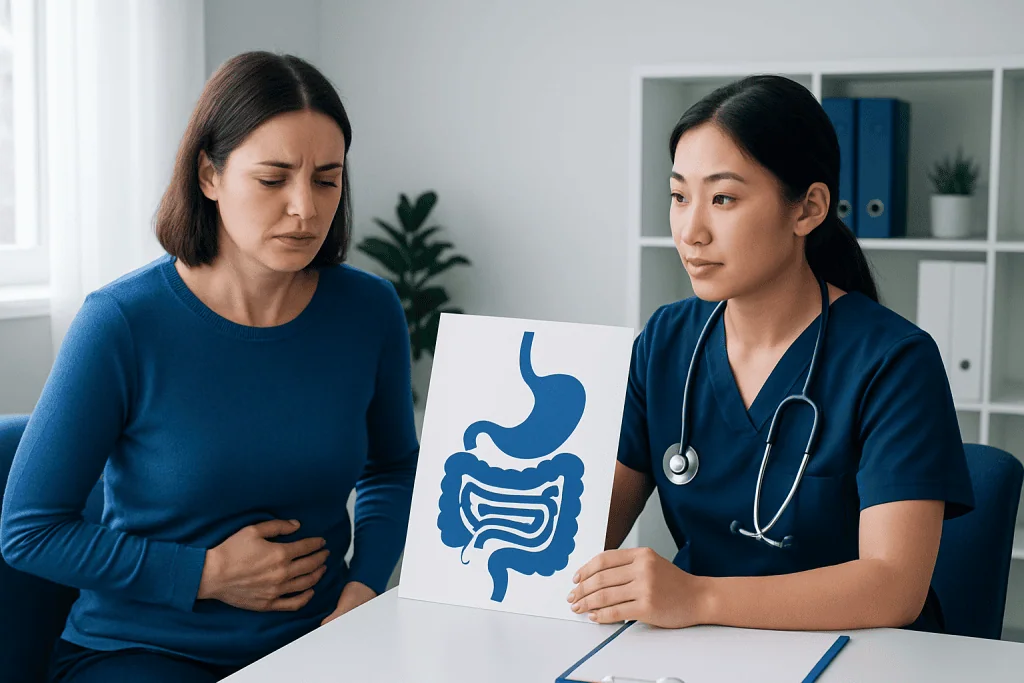
Gastrointestinal disease has many possible causes. Some are linked to infections from viruses, bacteria, or parasites. Others result from inflammation, autoimmune reactions, food intolerance, reduced movement of the intestines, or structural problems such as ulcers, hernias, polyps, or gallstones.
Several common digestive conditions have distinct causes. Reflux disease may occur when stomach contents repeatedly flow back into the esophagus. Ulcers can be associated with Helicobacter pylori infection or long-term use of certain pain relievers. Conditions such as Crohn's disease and ulcerative colitis involve chronic inflammation, while celiac disease is triggered by an immune reaction to gluten.
Risk factors vary by condition but may include age, family history, smoking, alcohol use, obesity, chronic stress, poor sleep, certain medications, low-fiber diets, dehydration, and lack of physical activity. Travel, contaminated food or water, and close contact with infected people can increase the risk of gastrointestinal infections.
In some cases, no single cause is found. Functional disorders can produce significant symptoms even when standard tests do not show major structural abnormalities. This does not mean the symptoms are imagined; rather, it reflects complex interactions involving gut movement, sensitivity, diet, microbiota, and the brain-gut connection.
How gastrointestinal disease is diagnosed
Diagnosis begins with a detailed medical history. A doctor will usually ask about the nature of the symptoms, when they started, what makes them better or worse, bowel habits, diet, medications, recent travel, weight changes, and any personal or family history of digestive disease. A physical examination may help identify tenderness, swelling, dehydration, or signs of anemia.
Basic tests often include blood tests, stool tests, and sometimes urine tests. These can help detect infection, inflammation, bleeding, anemia, liver or pancreatic problems, and nutritional deficiencies. Depending on the symptoms, doctors may also recommend imaging studies such as ultrasound, X-ray, CT, or MRI to look for gallstones, blockages, inflammation, or other abnormalities.
Endoscopic procedures are important tools for evaluating many digestive conditions. An upper endoscopy allows direct examination of the esophagus, stomach, and first part of the small intestine, while a colonoscopy examines the large intestine. These tests can help diagnose ulcers, inflammation, bleeding, polyps, and cancers, and they may also allow tissue samples to be taken for biopsy. In selected cases, a doctor may advise colonoscopy or upper endoscopy as part of a careful diagnostic workup.
Not every person needs extensive testing right away. The choice of tests depends on age, symptoms, duration, and warning signs. A step-by-step approach often helps avoid unnecessary procedures while still making sure important conditions are identified promptly.
Treatment options for gastrointestinal disease
Treatment depends entirely on the cause. Many mild digestive problems improve with dietary changes, hydration, stress management, and short-term medicines. Other conditions may need antibiotics, acid-reducing treatment, anti-inflammatory drugs, immune-modifying therapy, enzyme replacement, or long-term nutritional support.
For reflux, treatment may include avoiding trigger foods, eating smaller meals, not lying down soon after eating, and using medicines to reduce stomach acid. Infections may require supportive care or targeted antimicrobial treatment. Inflammatory conditions often need specialist follow-up and individualized therapy to control symptoms and protect the bowel over time.
Some gastrointestinal diseases require procedures rather than medication alone. Polyps can often be removed during colonoscopy. Gallbladder disease, severe ulcers, strictures, obstruction, or tumors may need surgical treatment. If a structural problem is suspected, evaluation by specialists in gastroenterology care and, when appropriate, general surgery can help guide the next steps.
Follow-up matters, especially for chronic conditions. A person may need monitoring to assess symptom control, nutrition, medication side effects, or disease activity. With the right plan, many people are able to manage symptoms well and maintain a good quality of life.
Prevention and self-care
Not all gastrointestinal disease can be prevented, but healthy daily habits can lower the risk of many digestive problems. Eating a balanced diet with enough fiber, drinking adequate fluids, and staying physically active can support regular bowel function. Good food hygiene, especially during travel, can also reduce the risk of infection.
It often helps to identify and limit personal trigger foods rather than following overly restrictive diets without medical advice. Some people benefit from reducing very fatty meals, spicy foods, alcohol, or large late-night meals. Taking medicines exactly as prescribed and avoiding unnecessary overuse of pain relievers can also protect the stomach and intestines.
Stress management is another important part of digestive health. Stress does not cause every digestive condition, but it can worsen symptoms such as abdominal pain, bloating, and changes in bowel habits. Regular sleep, movement, and relaxation techniques may be helpful alongside medical treatment.
People with long-term or complex digestive symptoms may benefit from coordinated specialist care. Near the end of the care journey, some international patients choose centers such as Acibadem International, where multidisciplinary specialists in JCI-accredited hospitals evaluate and treat gastrointestinal conditions in a structured way.
When to see a doctor
Many digestive complaints are minor and improve within a few days, but certain symptoms should be assessed promptly. Persistent pain, repeated vomiting, severe diarrhea, difficulty swallowing, ongoing constipation, or changes in bowel habits that do not settle deserve medical attention. A doctor can help determine whether the cause is temporary or part of a more significant condition.
Urgent evaluation is important if there is blood in the stool, black tarry stools, vomiting blood, signs of dehydration, fainting, chest pain with swallowing discomfort, or severe abdominal swelling. Unexplained weight loss, ongoing fever, and symptoms that lead to weakness or anemia also warrant timely assessment.
People with a family history of bowel cancer, inflammatory bowel disease, celiac disease, or other significant digestive illnesses may need earlier evaluation for certain symptoms. Older adults and people with chronic medical conditions should also be cautious about new or persistent gastrointestinal complaints.
Seeking help early is not about assuming the worst. In many cases, symptoms have a manageable explanation. A careful diagnosis can bring reassurance, symptom relief, and the right treatment plan.
Frequently asked questions
What is considered a gastrointestinal disease?
Gastrointestinal disease is any condition that affects the digestive system, including the esophagus, stomach, intestines, liver, gallbladder, pancreas, rectum, and anus. It includes both short-term problems, such as infections, and long-term conditions, such as reflux or inflammatory bowel disease.
What are the most common symptoms of gastrointestinal disease?
Common symptoms include abdominal pain, bloating, nausea, heartburn, diarrhea, constipation, and changes in bowel habits. Some people may also notice loss of appetite, weight loss, difficulty swallowing, or blood in the stool.
When should gastrointestinal symptoms be taken seriously?
Symptoms should be taken seriously if they are severe, persistent, or keep returning. Blood in the stool, black stools, repeated vomiting, dehydration, unexplained weight loss, fever, or trouble swallowing should be evaluated promptly by a doctor.
How do doctors diagnose gastrointestinal disease?
Doctors usually begin with a medical history and physical examination. Depending on the symptoms, they may order blood tests, stool tests, imaging, or procedures such as endoscopy or colonoscopy to look directly at the digestive tract and take biopsies if needed.
Can gastrointestinal disease be treated?
Yes, many gastrointestinal diseases can be treated effectively, although the approach depends on the cause. Treatment may involve diet and lifestyle changes, medicines, treatment for infection, or procedures and surgery for structural problems or more serious disease.
Can stress cause gastrointestinal symptoms?
Stress can contribute to digestive symptoms and may worsen existing conditions, especially bloating, abdominal discomfort, and bowel habit changes. However, stress is not the only explanation, so ongoing symptoms should still be medically assessed.
References
- World Health Organization
- National Institute of Diabetes and Digestive and Kidney Diseases
- American College of Gastroenterology
- National Health Service
- Mayo Clinic
This article is for general information only and is not a substitute for professional medical advice. Please consult a qualified doctor about your individual situation.
Persistent digestive symptoms? Get evaluated in Turkey
JCI-accredited · board-certified surgeons · reply within 24h
Add us as a Preferred Source to see more of our trusted health content across Google Search, AI Overviews and Discover.