Gastroparesis: Slow Stomach Emptying, Nausea, and Motility Testing

Gastroparesis means delayed stomach emptying without a physical blockage. Common symptoms include nausea, early fullness, bloating, upper abdominal discomfort and vomiting of food eaten hours earlier.
Key Takeaways
- Gastroparesis means delayed stomach emptying without a physical blockage.
- Common symptoms include nausea, early fullness, bloating, upper abdominal discomfort and vomiting of food eaten hours earlier.
- Diabetes, certain medicines, previous stomach or esophageal surgery, viral illness and nervous system conditions can contribute, but many cases are idiopathic.
- Gastric emptying scintigraphy is a widely used diagnostic test; breath tests and wireless motility capsule testing may also be used in selected patients.
- Treatment is individualized and may include diet changes, hydration, glucose control, medication review, symptom-relieving medicines and, rarely, procedures for severe disease.
Gastroparesis is a stomach motility disorder in which food moves from the stomach to the small intestine more slowly than expected, often causing nausea, early fullness, bloating and vomiting. Diagnosis usually combines a careful medical history with tests that measure gastric emptying and rule out other causes of similar symptoms.
Overview
Gastroparesis is a condition in which the stomach empties food into the small intestine more slowly than normal, even though there is no mechanical blockage. The word literally means partial paralysis of the stomach, but in practice it describes a spectrum of weak, uncoordinated or delayed stomach contractions. It is part of a wider group of digestive motility disorders, often evaluated within neurogastroenterology.
Normally, the stomach stores food, mixes it with digestive juices and moves it onward in a controlled way. This process depends on the stomach muscles, the vagus nerve, local gut nerves, hormones and the rhythm-generating cells of the digestive tract. When this coordination is disrupted, food may remain in the stomach longer than expected, leading to symptoms that often worsen after meals.
Gastroparesis can be mild and intermittent, or it can significantly affect nutrition, hydration, blood sugar control and quality of life. The condition is not the same as indigestion or reflux, although symptoms can overlap. A structured evaluation helps distinguish gastroparesis from conditions such as functional dyspepsia, peptic ulcer disease, gallbladder disease, obstruction and gastroesophageal reflux disease.
Symptoms of Gastroparesis
The most typical symptoms are nausea, feeling full soon after starting a meal, bloating and upper abdominal discomfort. Some people vomit food that was eaten several hours earlier because it has remained in the stomach. Appetite may decrease, and eating normal portions can become difficult.
Symptoms often fluctuate. A person may have relatively good days followed by periods of worse nausea, vomiting or poor tolerance of solid foods. Fatty meals, large portions, high-fiber foods and carbonated drinks may aggravate symptoms because they can slow gastric emptying or increase bloating.
Possible symptoms include:
- Nausea, especially after eating
- Early satiety, or feeling full after a few bites
- Post-meal bloating or abdominal distension
- Upper abdominal pain or discomfort
- Vomiting, sometimes of undigested food
- Loss of appetite or unintentional weight loss
- Heartburn-like symptoms or regurgitation
- Unpredictable blood glucose levels in people with diabetes
Symptoms alone do not confirm gastroparesis, because many digestive conditions can feel similar. For example, functional dyspepsia can cause early fullness and nausea without clearly delayed emptying, while obstruction can cause vomiting and must be excluded before a gastroparesis diagnosis is made.
Causes and Risk Factors

Gastroparesis can occur when the nerves or muscles that control stomach emptying are affected. Diabetes is one of the best-known causes, especially when blood glucose has been difficult to control over time. High blood glucose can impair nerve function and can also slow stomach emptying in the short term, which is why glucose management is an important part of treatment for diabetic gastroparesis.
Previous surgery involving the stomach, esophagus or upper intestine can sometimes affect the vagus nerve or alter normal anatomy. Certain medications may also slow stomach emptying, including opioid pain medicines, some anticholinergic medicines, some antidepressants and medicines that act on gut hormones. New or worsening symptoms should be discussed with the prescribing doctor rather than stopping medication suddenly.
Other contributors may include post-viral changes, Parkinson’s disease, multiple sclerosis, connective tissue disorders such as scleroderma, thyroid disease and autoimmune or inflammatory conditions. In many patients, no single cause is identified; this is called idiopathic gastroparesis. A careful review of medical history, surgeries, medicines and symptom timing helps guide the next steps.
Diagnosis and Motility Testing
Diagnosis begins with a medical history and physical examination. The doctor asks about meal-related symptoms, vomiting pattern, weight change, diabetes, previous operations and medicines. Blood tests may check for dehydration, anemia, inflammation, thyroid problems, kidney function, electrolytes and nutritional concerns when appropriate.
Before diagnosing gastroparesis, doctors usually need to rule out a blockage or other structural disease. Upper endoscopy may be recommended to examine the esophagus, stomach and duodenum, especially when vomiting, weight loss, bleeding, anemia or persistent symptoms are present. Imaging tests such as abdominal ultrasound, CT or other studies may be used if gallbladder, pancreatic, intestinal or obstructive problems are suspected. Conditions such as peptic ulcer disease may also need consideration depending on symptoms.
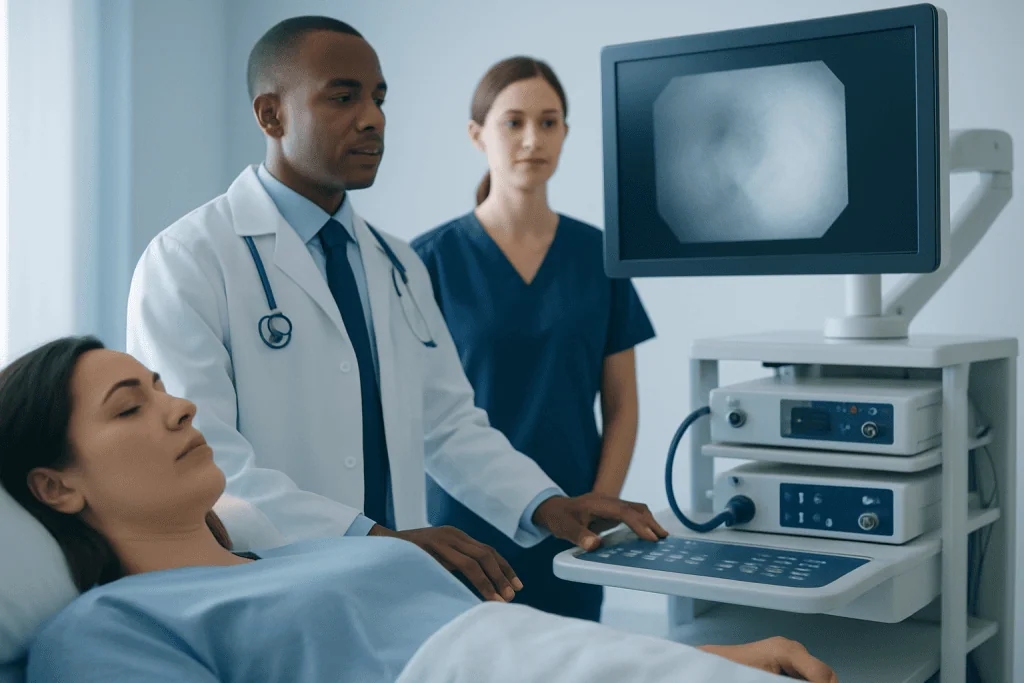
The main test for delayed stomach emptying is a gastric emptying study. Gastric emptying scintigraphy is commonly used: the patient eats a standardized meal containing a small, safe amount of radioactive tracer, and images are taken over several hours to see how quickly the stomach empties. Accuracy depends on following test instructions, including fasting, medication guidance and blood glucose control in people with diabetes.
Other motility tests may be used in selected cases. A gastric emptying breath test measures how quickly a labeled meal is processed and detected in breath samples. A wireless motility capsule, where available, can provide information about movement through the stomach and other parts of the gut. These tests help confirm delayed emptying and may guide treatment, but results must always be interpreted alongside the person’s symptoms and overall health.
Treatment Options
Treatment is individualized and usually combines several approaches. The goals are to reduce nausea and vomiting, improve nutrition and hydration, correct reversible causes, support blood glucose stability and maintain daily functioning. If a medicine may be slowing stomach emptying, the doctor may consider alternatives or timing changes, balancing digestive symptoms with the reason the medicine was prescribed.
Dietary treatment is often the first foundation. Many patients do better with smaller, more frequent meals and careful attention to food texture. Liquids and soft foods may empty more easily than large solid meals. A clinician or dietitian may suggest limiting high-fat foods and tough, high-fiber foods that can delay emptying or form bezoars, while still protecting overall nutrition.
Medicines may be used to help symptoms or improve motility. Antiemetic medicines can reduce nausea and vomiting. Prokinetic medicines may stimulate stomach contractions, but they have specific benefits, risks and availability considerations, so they should be prescribed and monitored by a qualified doctor. In people with diabetes, improving glucose patterns may reduce symptom swings and make nutrition planning easier.
For severe gastroparesis that does not respond to standard treatment, specialist options may be discussed. These can include nutrition support, feeding access that bypasses the stomach in selected patients, gastric venting in complex cases, gastric electrical stimulation for carefully selected individuals, or pylorus-directed procedures such as endoscopic pyloromyotomy in experienced centers. These treatments are not suitable for everyone and require specialist evaluation.
Nutrition, Prevention and Self-Care
Self-care aims to reduce symptom triggers while maintaining enough calories, protein, fluids, vitamins and minerals. Patients are often advised to eat slowly, choose small portions and avoid lying down immediately after meals. Gentle walking after eating may help some people feel less bloated, although exercise should be adapted to energy level and medical advice.
Practical eating strategies may include:
- Eating five or six smaller meals instead of two or three large meals
- Choosing soups, smoothies or soft foods during symptom flares
- Limiting greasy, fried or very high-fat meals if they worsen symptoms
- Reducing tough skins, seeds and very fibrous foods when advised
- Drinking fluids between meals if drinking with meals increases fullness
- Avoiding alcohol and stopping smoking, both of which can affect digestive health
People with diabetes may need an individualized plan because delayed stomach emptying can make food absorption unpredictable. Adjustments to meal timing, carbohydrate consistency, glucose monitoring and diabetes medicines should be made with a diabetes care professional. Frequent vomiting, poor intake or weight loss may require dietitian support to prevent malnutrition.
Gastroparesis cannot always be prevented, but some risk factors can be managed. Good diabetes care, cautious use of medicines that slow the gut, early attention to persistent vomiting and follow-up after upper gastrointestinal surgery may reduce complications. Patients should not make major diet restrictions for long periods without professional guidance, because overly limited diets can worsen nutrition.
When to See a Doctor
A person should seek medical advice if nausea, early fullness, bloating or vomiting persists, recurs frequently or affects eating and hydration. Medical review is especially important when symptoms occur with unintentional weight loss, dehydration, black or bloody stools, severe or worsening abdominal pain, fever, difficulty swallowing, repeated vomiting, anemia or new symptoms after surgery.
People with diabetes should contact their care team if digestive symptoms are accompanied by frequent high or low blood glucose readings, poor food tolerance or difficulty matching medicines to meals. Pregnant patients, older adults and people with kidney disease, neurologic disease or immune suppression should also seek timely guidance because dehydration and nutrition problems can develop more easily.
At specialist centers, evaluation may involve gastroenterologists, motility specialists, dietitians, endocrinologists, radiologists and surgeons when needed. Acibadem International’s multidisciplinary specialists and JCI-accredited hospitals diagnose and treat gastrointestinal motility disorders for international patients, including coordinated testing and individualized care planning.
Frequently asked questions
What is gastroparesis in simple terms?
Gastroparesis means the stomach empties more slowly than expected without a physical blockage. Food stays in the stomach too long, which can cause nausea, fullness, bloating and sometimes vomiting.
How is gastroparesis diagnosed?
Doctors first review symptoms, medicines, medical history and possible warning signs. Tests may include upper endoscopy or imaging to rule out blockage, followed by a gastric emptying test such as scintigraphy, a breath test or, in selected cases, a wireless motility capsule.
Is gastroparesis the same as acid reflux?
No. Gastroparesis is delayed emptying of the stomach, while acid reflux is the backflow of stomach contents into the esophagus. They can occur together, and delayed emptying may worsen reflux-like symptoms in some people.
Can gastroparesis improve?
Some cases improve, especially when a reversible trigger is found, such as a medication effect, short-term post-viral illness or poor glucose control. Other cases are chronic but can often be managed with diet changes, symptom medicines, treatment of underlying conditions and specialist follow-up.
What foods are usually easier with gastroparesis?
Many people tolerate small, low-fat, soft or liquid meals better than large solid meals. Soups, blended foods, smoothies and well-cooked lower-fiber foods may be easier during flares, but nutrition plans should be personalized with a clinician or dietitian.
When is gastroparesis considered serious?
Gastroparesis needs prompt medical attention if it causes dehydration, repeated vomiting, inability to keep food down, weight loss, malnutrition or unstable blood glucose. Warning symptoms such as blood in vomit or stool, severe abdominal pain, fever or progressive difficulty swallowing should be assessed urgently.
References
- American College of Gastroenterology
- National Institute of Diabetes and Digestive and Kidney Diseases
- Mayo Clinic
- Cleveland Clinic
- European Society of Neurogastroenterology and Motility
This article is for general information only and is not a substitute for professional medical advice. Please consult a qualified doctor about your individual situation.
Persistent digestive symptoms? Get evaluated in Turkey
JCI-accredited · board-certified surgeons · reply within 24h