Gb Poly: What Patients Need to Know

A gb poly usually means a gallbladder polyp found on imaging, often during an ultrasound done for another reason. Most gallbladder polyps are noncancerous and do not cause symptoms.
Key Takeaways
- A gb poly usually means a gallbladder polyp found on imaging, often during an ultrasound done for another reason.
- Most gallbladder polyps are noncancerous and do not cause symptoms.
- Larger polyps, symptoms, or certain risk factors may lead doctors to recommend surgery.
- Ultrasound is the main test used to detect and monitor gallbladder polyps.
- Persistent upper right abdominal pain, fever, jaundice, or vomiting should be medically assessed.
Gb poly usually refers to a gallbladder polyp, a small growth that forms on the inside lining of the gallbladder. Most are found by chance on ultrasound and are benign, but some need follow-up or surgery depending on size, symptoms, and individual risk factors.
What a Gb Poly Means
A gb poly usually means a gallbladder polyp. This is a growth that projects from the inner lining of the gallbladder, a small organ under the liver that stores bile to help digest fats. Many people learn about a gb poly only after having an ultrasound for abdominal discomfort, routine screening, or another unrelated reason.
Gallbladder polyps are not all the same. Some are made of cholesterol deposits and are harmless. Others are inflammatory, while a smaller number are true polyps that may have a greater chance of becoming cancerous over time. Because of this range, the next steps depend less on the word “polyp” itself and more on factors such as size, appearance, symptoms, and medical history.
For most patients, finding a gb poly does not mean there is an emergency. It usually means the gallbladder should be assessed in context. A doctor may recommend simple follow-up imaging, especially when the polyp is small and there are no concerning features.
Symptoms and What Patients May Notice
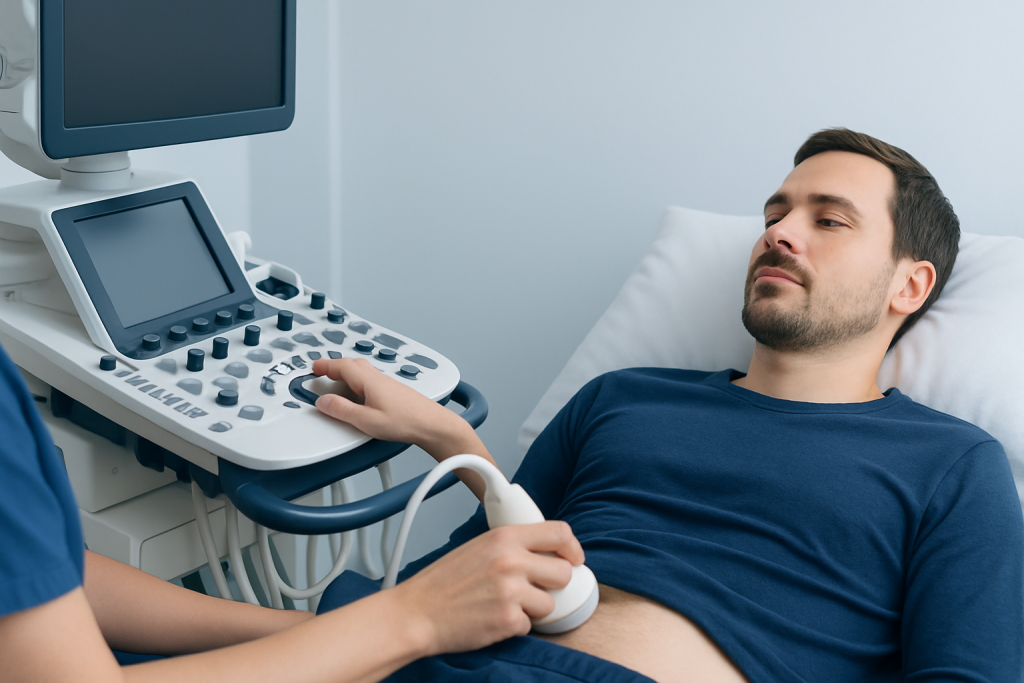
Most gallbladder polyps do not cause symptoms. In many cases, they are discovered incidentally when imaging is done to investigate indigestion, bloating, or pain that may actually be related to another digestive issue. This is one reason why a gb poly can be confusing for patients: the finding is real, but it may not be the source of the symptoms.
When symptoms do occur, they can overlap with other gallbladder problems. Some people report discomfort or pain in the upper right side of the abdomen, nausea after fatty meals, bloating, or a feeling of fullness. These symptoms are not specific to polyps and are also seen with gallstones and inflammation.
Warning signs are less common but more important. Patients should not ignore severe abdominal pain, fever, yellowing of the skin or eyes, dark urine, pale stools, or repeated vomiting. These signs may point to blockage, infection, or another condition that needs prompt medical assessment, including gallstones or acute gallbladder inflammation.
Types, Causes, and Risk Factors
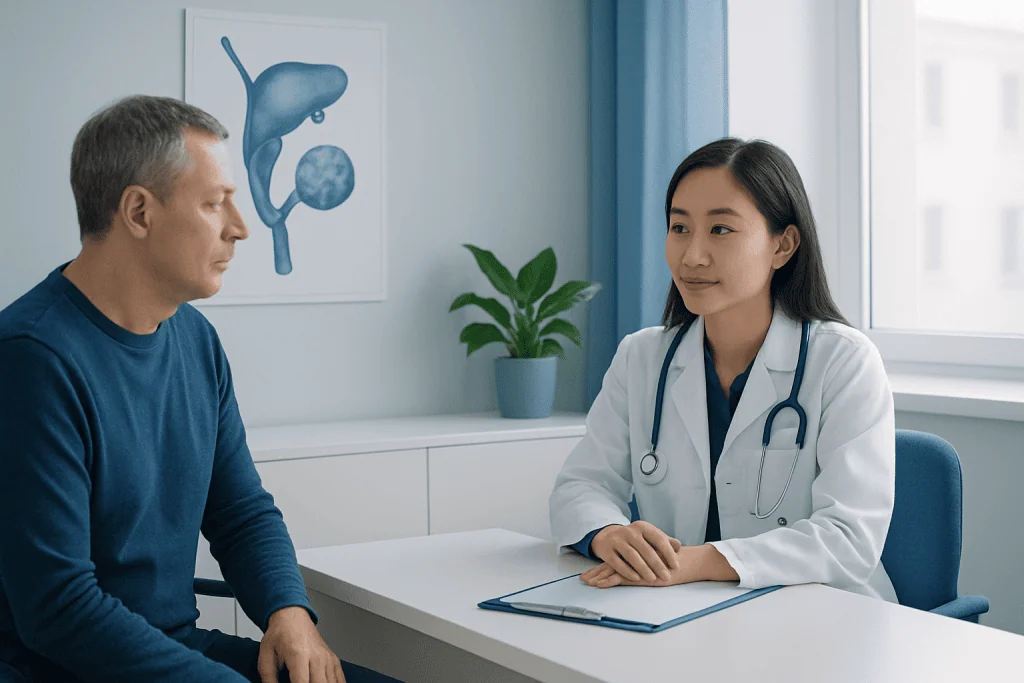
Doctors usually think about gallbladder polyps in a few broad groups. Cholesterol polyps are the most common and are often benign. Inflammatory polyps may form as part of irritation in the gallbladder wall. Adenomatous polyps are less common but receive closer attention because some can develop into cancer over time.
The exact cause is not always clear. Cholesterol metabolism, chronic inflammation, and changes in the gallbladder lining may all play a role. A polyp may appear along with other gallbladder conditions, or it may be the only finding on a scan.
Certain features raise more concern than others. These include larger size, growth over time, a single sessile polyp rather than multiple tiny polyps, older age, and some underlying conditions such as primary sclerosing cholangitis. A doctor also considers whether the patient has gallbladder symptoms or a family history of biliary disease.
- Small polyps are more often benign.
- Larger polyps are more likely to need close follow-up or surgery.
- Associated symptoms matter, even when the polyp itself is small.
- Other gallbladder or liver conditions can influence management.
How a Gb Poly Is Diagnosed
The main test used to detect a gb poly is an abdominal ultrasound. Ultrasound is noninvasive, widely available, and well suited to looking at the gallbladder. It can help show the size of a polyp, whether there is one or more than one, and whether other findings such as gallstones or gallbladder wall thickening are present.
Sometimes additional imaging is recommended if the finding is unclear or if the polyp has features that need better evaluation. Depending on the situation, this may include endoscopic ultrasound, CT, or MRI. These tests can help distinguish a true polyp from sludge, a small stone, or another type of lesion.
Diagnosis is not only about seeing the growth. The clinician also reviews the patient’s symptoms, age, liver tests, and personal risk factors. If there is concern for more complex disease involving the liver, pancreas, or bile ducts, further evaluation may be needed, including assessment for gallbladder cancer in selected cases.
When Monitoring Is Enough and When Treatment Is Needed
Treatment depends on the level of concern. Many small, symptom-free gallbladder polyps can be monitored with follow-up ultrasound rather than treated immediately. Monitoring helps doctors see whether the polyp remains stable or grows over time. Stable, very small polyps often do not require intervention beyond periodic review.
Surgery is more likely to be recommended when a polyp is larger, enlarges on follow-up imaging, causes symptoms, or appears suspicious in shape or attachment. The standard treatment is removal of the gallbladder, called cholecystectomy. This is often done with minimally invasive techniques, and patients may discuss laparoscopic gallbladder removal with their surgical team when it is appropriate.
Doctors also consider the overall clinical picture. If a person has repeated biliary pain, gallstones, or inflammation along with a polyp, surgery may be advised even if the polyp alone would not automatically lead to an operation. In this setting, management may overlap with care for cholecystitis or other biliary problems.
If surgery is planned, the removed gallbladder is sent for pathology. This is the most reliable way to confirm the exact nature of the polyp. For patients who need specialist evaluation, multidisciplinary teams may also use advanced imaging or gastroenterology assessment to guide the best approach.
Living With a Gb Poly: Self-care and Follow-up
There is no proven home treatment that makes a gallbladder polyp disappear. The safest approach is to follow the plan recommended by a qualified doctor, especially if repeat ultrasound has been advised. Missing follow-up matters because change over time is one of the most useful clues in deciding whether a polyp is low risk or needs treatment.
Although diet does not directly cure a polyp, some people feel better by reducing very fatty meals if these trigger digestive discomfort. General digestive health habits may also help overall well-being, including regular meals, hydration, and maintaining a healthy body weight if advised by a clinician.
Patients should keep a record of symptoms such as pain episodes, nausea, or intolerance to certain foods. This information can help the doctor decide whether symptoms are likely related to the gallbladder or whether another digestive condition should be investigated. If symptoms persist despite reassurance, a broader surgical and digestive evaluation may be considered.
When to Seek Medical Care
A person with a known gb poly should seek medical care if abdominal pain becomes frequent, intense, or clearly linked to meals, especially if it occurs in the upper right abdomen. New nausea, vomiting, fever, or worsening bloating also deserves attention. These symptoms do not always mean the polyp is dangerous, but they should be properly assessed.
Urgent medical review is important if there is jaundice, dark urine, pale stools, high fever, or severe persistent pain. These signs may suggest blockage of the bile ducts, infection, or inflammation that needs prompt treatment. Patients should not try to manage these symptoms on their own.
Follow-up is also important even when there are no symptoms. If a clinician recommends repeat imaging, keeping that appointment helps ensure the polyp is stable. At Acibadem International, multidisciplinary specialists in JCI-accredited hospitals diagnose and treat gallbladder conditions for international patients when further evaluation is needed.
Frequently asked questions
Is a gb poly the same as a gallbladder polyp?
Yes. In most medical and patient discussions, gb poly is shorthand for gallbladder polyp. It refers to a growth arising from the inside lining of the gallbladder.
Are gallbladder polyps usually cancerous?
No. Most gallbladder polyps are benign, especially when they are small. Doctors pay closer attention to larger polyps, growth over time, and certain high-risk features.
Can a gallbladder polyp cause pain?
Sometimes, but many do not cause any symptoms at all. When pain is present, it may feel similar to other gallbladder problems, which is why a medical evaluation is important.
How is a gb poly usually found?
It is most often found on an abdominal ultrasound. Many people have no symptoms and learn about it incidentally during imaging done for another reason.
Do all gallbladder polyps need surgery?
No. Small, stable, symptom-free polyps can often be monitored with repeat imaging. Surgery is usually considered when the polyp is larger, changes over time, or is associated with symptoms or other risk factors.
Can diet remove a gallbladder polyp?
Diet cannot remove a gallbladder polyp. However, some people find that reducing fatty foods helps ease digestive discomfort while they are being monitored or evaluated.
This article is for general information only and is not a substitute for professional medical advice. Please consult a qualified doctor about your individual situation.
Explore treatments in Turkey — costs, top hospitals & a free quote
JCI-accredited · board-certified surgeons · reply within 24h
Add us as a Preferred Source to see more of our trusted health content across Google Search, AI Overviews and Discover.
Check your numbers in seconds
BMI, calories, due date, blood pressure and 30+ more clinical calculators — free, instant, doctor-reviewed ranges.

More from the Health Library

High Sugar Fruits to Avoid: What Patients Need to Know

Diazepam: An Evidence-Based Guide for Patients

Aphasia: An Evidence-Based Guide for Patients

Staphylococcus: A Complete Medical Overview
Colchicine — Explained by Medical Evidence, Not Myths