Aphasia: An Evidence-Based Guide for Patients

Aphasia most often happens after stroke, but it can also result from head injury, brain tumors, infections, or neurodegenerative diseases. Symptoms vary widely and may affect speaking, understanding, reading, writing, or naming familiar objects.
Key Takeaways
- Aphasia most often happens after stroke, but it can also result from head injury, brain tumors, infections, or neurodegenerative diseases.
- Symptoms vary widely and may affect speaking, understanding, reading, writing, or naming familiar objects.
- Diagnosis usually involves a neurological evaluation, brain imaging, and detailed language testing.
- Treatment often combines management of the underlying cause with speech and language therapy.
- Sudden aphasia is a medical emergency because it may be a sign of stroke.
Aphasia is a language disorder caused by damage to areas of the brain involved in communication. It can affect speaking, understanding, reading, and writing, but it does not necessarily change a person’s intelligence.
Overview: what aphasia is and what it is not
Aphasia is a disorder that affects language. A person with aphasia may have trouble speaking, understanding speech, reading, writing, or finding the right words, depending on which language networks in the brain are affected. In many cases, aphasia appears suddenly after a stroke, but it can also develop after traumatic brain injury, brain infection, brain surgery, a tumor, or some progressive neurological conditions.
Aphasia does not mean a person has lost intelligence or awareness. Many people with aphasia know what they want to say but cannot express it clearly, or they may understand some parts of language better than others. This difference matters because communication difficulties can be mistaken for confusion, memory loss, or lack of effort when the underlying problem is actually a language-processing disorder.
Language is complex, so aphasia is not one single pattern. Some people speak in short, effortful phrases; others speak fluently but use incorrect words or sentences that are hard to follow. Some mainly struggle to understand spoken language, while others find reading or writing especially difficult. Because symptoms vary so much, personalized assessment is an important part of care.
How aphasia can affect daily life
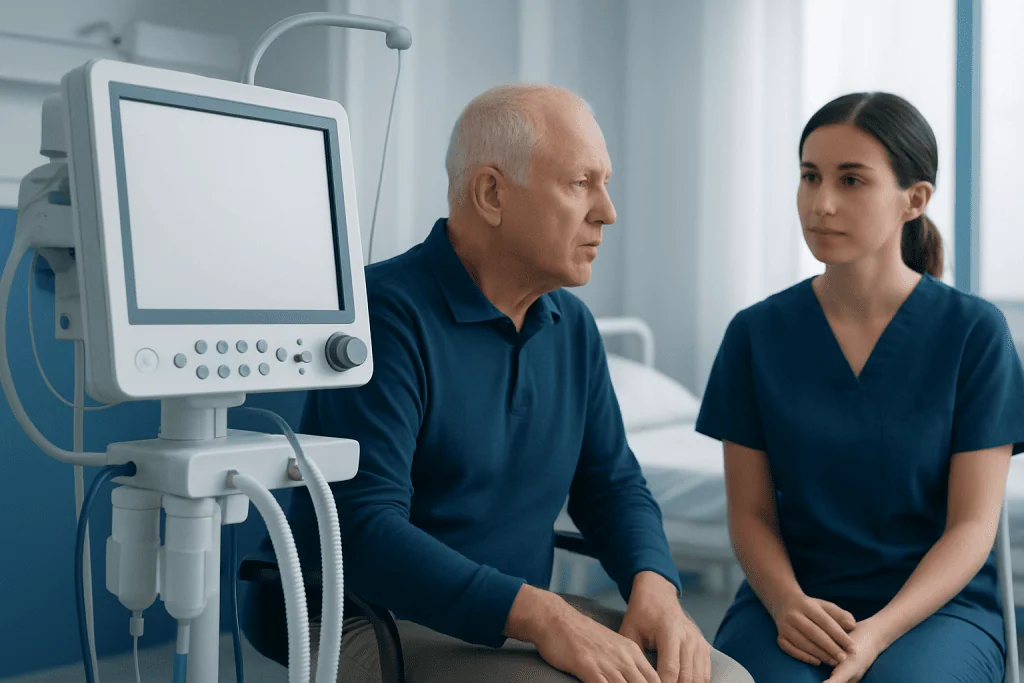
Aphasia can change everyday activities in practical and emotional ways. It may become harder to have conversations, follow spoken instructions, answer the phone, send messages, read forms, manage medications, or return to work. Even familiar social situations can feel tiring because communication takes more effort than before.
Family members often notice that the person seems frustrated when trying to name common objects, repeat a phrase, or explain a need. Others may have difficulty following a fast conversation, especially in noisy places. These changes can lead to embarrassment, isolation, or anxiety, but supportive communication strategies can make a meaningful difference.
The effects also depend on severity. Mild aphasia may only appear during complex conversations or when a person is tired. More severe aphasia can limit basic expression and comprehension. Despite these challenges, many people improve with rehabilitation, practice, and support from speech-language therapists, neurologists, and caregivers.
Symptoms and main types of aphasia
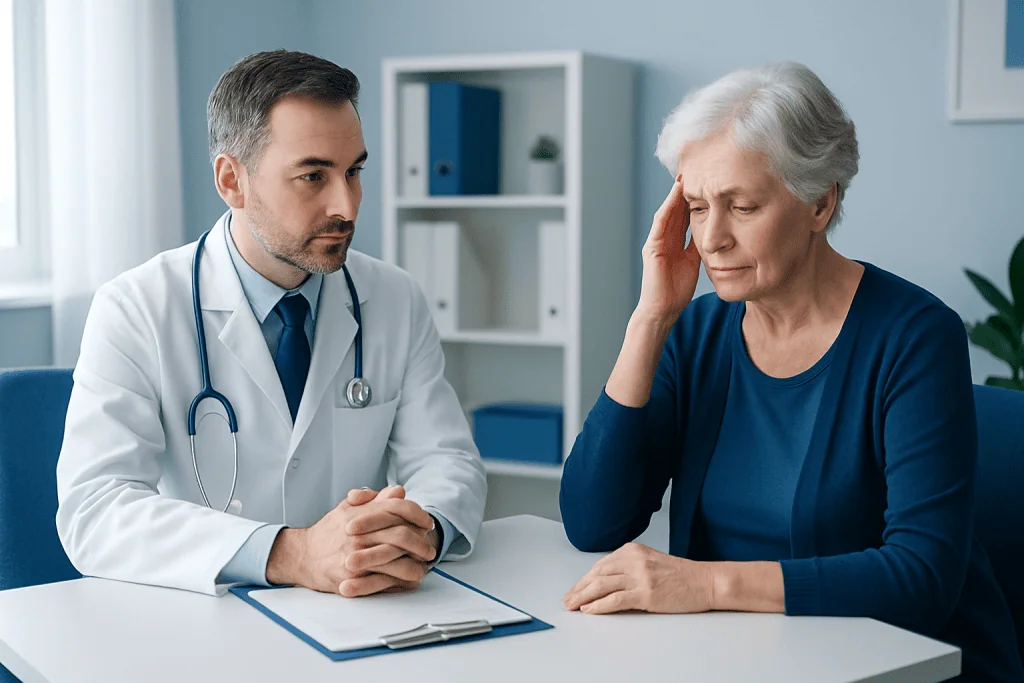
Aphasia symptoms depend on which parts of the brain are involved and how extensive the injury is. Common symptoms include difficulty finding words, speaking in short or incomplete sentences, substituting one word for another, trouble understanding what others say, difficulty repeating phrases, and problems with reading or writing. Some people can understand speech fairly well but struggle to produce language; others have the opposite pattern.
Clinicians often describe aphasia in broad types. Nonfluent aphasia tends to cause slow, effortful speech with relatively better understanding. Fluent aphasia may allow smoother speech, but the words may be incorrect or hard to understand, and comprehension may be more affected. Global aphasia is a severe form that affects both expression and understanding to a significant degree.
Other patterns can include anomic aphasia, where the main problem is word-finding, and primary progressive aphasia, a condition in which language abilities gradually decline over time due to neurodegenerative disease. Because symptoms can overlap, formal evaluation is more useful than self-diagnosis.
- Speaking: difficulty forming words or sentences
- Understanding: trouble following conversation or instructions
- Reading: difficulty recognizing words or understanding text
- Writing: problems spelling, forming sentences, or organizing thoughts
- Naming: trouble recalling names of objects, people, or places
Causes and risk factors
The most common cause of aphasia is stroke, especially when blood flow is interrupted to language areas on the left side of the brain. Aphasia can also happen after traumatic brain injury, bleeding in the brain, brain tumors, infections such as encephalitis, or after certain brain operations. In some people, language loss develops slowly as part of a degenerative condition rather than appearing all at once.
Risk factors are closely linked to the underlying cause. Conditions that raise the risk of stroke, such as high blood pressure, diabetes, smoking, high cholesterol, atrial fibrillation, and older age, also increase the risk of sudden aphasia. Traumatic injuries, severe infections, and untreated neurological disease can also contribute.
When aphasia begins suddenly, it should never be ignored. Sudden trouble speaking or understanding can be a sign of a medical emergency. If aphasia is caused by stroke, rapid assessment is especially important because timely stroke treatment may reduce brain injury and improve outcomes.
How doctors diagnose aphasia
Diagnosis usually begins with a detailed medical history and neurological examination. The doctor will ask when the language problem started, whether it appeared suddenly or gradually, and whether there are other symptoms such as facial drooping, arm weakness, vision changes, headache, or confusion. These details help identify whether the cause may be stroke, injury, infection, tumor, or a progressive condition.
Brain imaging is often needed to look for the cause of aphasia. Depending on the situation, this may include CT or MRI scans. Imaging can show signs of stroke, bleeding, tumor, inflammation, or other structural brain changes. In some cases, blood tests or additional neurological studies may also be used.
Language testing is a central part of diagnosis. A speech-language therapist or physician may assess naming, repetition, comprehension, reading, writing, and conversational ability. This evaluation helps define the type and severity of aphasia and guides rehabilitation planning. If the doctor suspects a broader neurological problem, further evaluation for conditions such as brain tumor or neurodegenerative disease may be recommended.
Treatment options and recovery
Treatment for aphasia focuses on two goals: treating the cause and helping the person regain or adapt communication skills. If aphasia is due to stroke, treatment begins with urgent medical care and rehabilitation. If it is related to a tumor, infection, or seizure disorder, addressing that condition is a key step. Some patients may need coordinated care that includes neurology, rehabilitation, radiology, and in selected cases neurosurgery.
Speech and language therapy is the main rehabilitation treatment for aphasia. Therapy may work on naming, sentence formation, comprehension, reading, writing, or conversational strategies. Sessions are tailored to the individual’s needs, goals, and stage of recovery. Family involvement is often helpful because daily practice and supportive communication at home can reinforce progress.
Recovery varies from person to person. Some people improve substantially in the first weeks or months, especially after stroke, while others continue to gain skills gradually over a longer period. Improvement depends on factors such as the cause, size and location of the brain injury, age, overall health, and access to rehabilitation. Assistive methods such as picture boards, communication apps, writing aids, and structured cueing can also support independence.
For people whose aphasia is linked to complex neurological conditions, care may involve a broader team that includes rehabilitation specialists. Acibadem International’s multidisciplinary specialists and JCI-accredited hospitals diagnose and treat aphasia for international patients, including rehabilitation support when needed.
Prevention and self-care
Not all cases of aphasia can be prevented, but reducing stroke risk is one of the most effective protective steps. Managing blood pressure, cholesterol, diabetes, and heart rhythm problems can lower the chance of brain injury related to blocked or bleeding blood vessels. Avoiding smoking, limiting alcohol, staying physically active, and following a balanced diet also support brain and vascular health.
For someone living with aphasia, self-care usually means creating easier ways to communicate. Helpful strategies include speaking slowly, using short sentences, reducing background noise, giving extra time for responses, and confirming key information. Caregivers can encourage communication without correcting every mistake or finishing every sentence too quickly.
Keeping a notebook, communication card, or smartphone app may help with names, routines, and daily needs. Reading simple texts aloud, practicing writing, and following therapist-guided exercises can support recovery. It is also important to watch for mood changes, since depression and social withdrawal can occur after stroke or brain injury and may benefit from professional support.
When to seek medical care
Sudden aphasia requires immediate medical attention. If a person suddenly cannot speak clearly, cannot understand speech, develops facial drooping, arm weakness, sudden vision changes, severe headache, or loss of balance, emergency services should be contacted right away. These may be warning signs of stroke, and prompt treatment can be time-sensitive.
Medical evaluation is also important when language problems appear after a head injury, seizure, severe infection, or new neurological symptoms. Even when symptoms seem mild or come and go, a doctor should assess them. Temporary language disturbance can still indicate a serious problem.
If aphasia develops gradually, especially with worsening word-finding problems, reading difficulty, or changes in speech over months, a neurological assessment is still needed. Early evaluation can help identify the cause, start treatment, and connect the person with appropriate speech-language rehabilitation.
Frequently asked questions
What is aphasia in simple terms?
Aphasia is a disorder that affects a person’s ability to use or understand language. It can interfere with speaking, listening, reading, and writing, most often after damage to the brain.
Is aphasia the same as dementia?
No. Aphasia is a language disorder, while dementia is a broader decline in cognitive abilities such as memory, reasoning, and daily function. Some neurodegenerative diseases can cause language-predominant symptoms, but aphasia itself does not automatically mean dementia.
Can aphasia get better?
Yes, many people improve, especially with early evaluation and speech-language therapy. Recovery can be partial or substantial depending on the cause, severity, and how much of the brain is affected.
Does aphasia affect intelligence?
Not necessarily. Many people with aphasia know what they want to say and understand more than they can express. The main problem is language processing, not intelligence.
What is the most common cause of aphasia?
Stroke is the most common cause of aphasia. Other causes include head injury, brain tumors, infections, and progressive neurological disorders.
How can family members communicate better with someone who has aphasia?
It helps to speak clearly, use short sentences, reduce background noise, and allow extra time for responses. Writing key words, using gestures, and confirming understanding can also support communication.
References
- National Institute on Deafness and Other Communication Disorders
- National Institute of Neurological Disorders and Stroke
- American Stroke Association
- Mayo Clinic
- American Speech-Language-Hearing Association
This article is for general information only and is not a substitute for professional medical advice. Please consult a qualified doctor about your individual situation.
Aphasia in Turkey — costs, top hospitals & a free quote
JCI-accredited · board-certified surgeons · reply within 24h
Add us as a Preferred Source to see more of our trusted health content across Google Search, AI Overviews and Discover.
Check your numbers in seconds
BMI, calories, due date, blood pressure and 30+ more clinical calculators — free, instant, doctor-reviewed ranges.