Genitourinary — Explained by Medical Evidence, Not Myths

Genitourinary is a medical term that covers the urinary system and often the reproductive organs. Symptoms may include pain with urination, urinary frequency, blood in urine, pelvic discomfort, discharge, or sexual symptoms.
Key Takeaways
- Genitourinary is a medical term that covers the urinary system and often the reproductive organs.
- Symptoms may include pain with urination, urinary frequency, blood in urine, pelvic discomfort, discharge, or sexual symptoms.
- Genitourinary problems range from simple infections to stones, prostate conditions, pelvic floor disorders, and cancers.
- Diagnosis usually begins with a medical history, physical exam, urine testing, and sometimes imaging or specialist evaluation.
- Early assessment is important if symptoms are persistent, severe, or associated with fever, blood in urine, or inability to urinate.
Genitourinary refers to the body systems involved in making and passing urine and, in many contexts, the reproductive organs as well. The term is broad, so understanding which symptoms are present helps clarify whether the concern involves the bladder, kidneys, urethra, prostate, pelvic organs, or sexual and reproductive health.
What does genitourinary mean?
Genitourinary is a medical term used to describe the urinary system and, depending on the situation, the reproductive organs. “Genito-” refers to the genital or reproductive system, while “urinary” refers to the kidneys, ureters, bladder, and urethra. In everyday care, clinicians use the term when symptoms or conditions may involve one or both of these closely related body systems.
This term does not name a single disease. Instead, it acts as an umbrella term for a wide range of issues, from urinary tract infections and kidney stones to prostate enlargement, pelvic organ problems, and some reproductive health conditions. Because the urinary and reproductive organs are located near one another and can affect each other, grouping them together is often practical in diagnosis and treatment.
For patients, the most helpful question is not only “What does genitourinary mean?” but also “Which organs might be involved in these symptoms?” A burning sensation when urinating may point to the bladder or urethra, while flank pain may suggest a kidney problem. Pelvic pressure, discharge, sexual symptoms, or changes in menstrual or prostate-related function can also fall under genitourinary health.
Which organs are part of the genitourinary system?
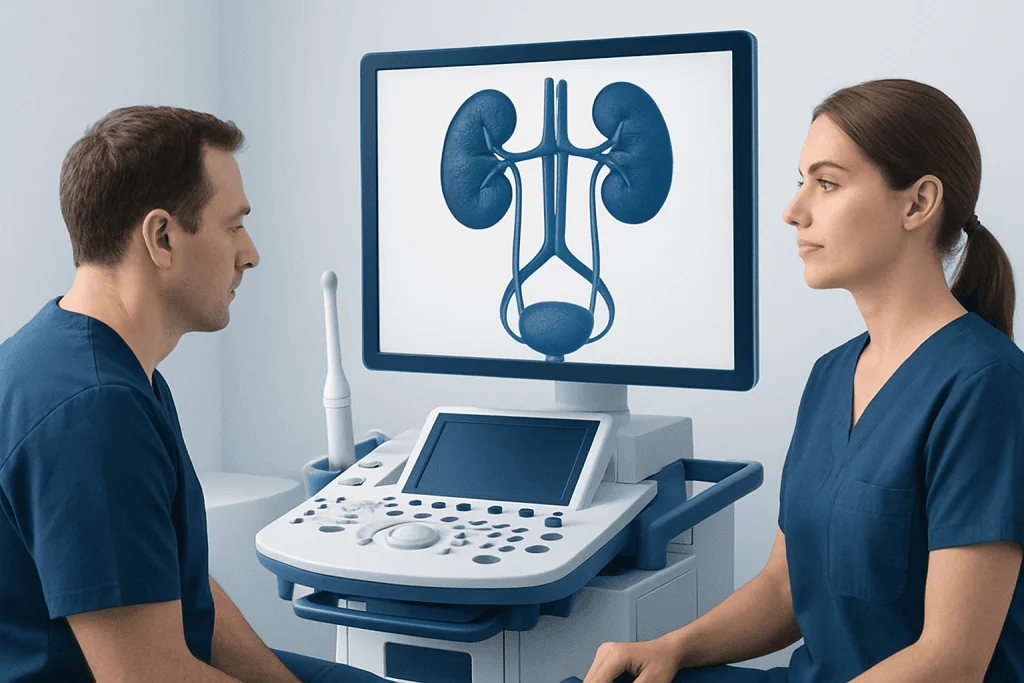
The urinary system includes the kidneys, which filter waste and extra fluid from the blood; the ureters, which carry urine from the kidneys to the bladder; the bladder, which stores urine; and the urethra, which allows urine to leave the body. These structures work together to maintain fluid balance, remove waste, and support overall health.
In many clinical settings, the genitourinary system also includes reproductive organs. In males, this may include the prostate, testes, penis, seminal vesicles, and associated ducts. In females, it may include the vagina, vulva, cervix, uterus, ovaries, and nearby pelvic support structures when symptoms overlap with urinary function.
Although urinary and reproductive organs have distinct roles, they often share nerves, muscles, blood supply, and surrounding anatomy. This is one reason symptoms can overlap. For example, pelvic floor dysfunction may affect bladder control and sexual function, while an enlarged prostate can change urinary flow. A careful medical evaluation helps identify the specific source.
Common genitourinary symptoms

Genitourinary symptoms vary widely depending on which organ is involved. Some symptoms are mild and temporary, while others can signal a condition that needs prompt medical attention. The same symptom may also have different causes, which is why pattern, duration, and associated features matter.
Common urinary symptoms include burning with urination, frequent urination, urgency, waking at night to urinate, difficulty starting urine flow, weak stream, urine leakage, cloudy urine, blood in the urine, and pain in the lower abdomen, pelvis, or flank. People may also notice foul-smelling urine or a feeling that the bladder does not fully empty.
Reproductive or genital symptoms can include discharge, itching, sores, swelling, testicular pain, pelvic pressure, painful intercourse, erectile difficulties, or changes in ejaculation. In some cases, symptoms are related to infections, hormonal changes, structural conditions, inflammation, or chronic pain disorders.
- Burning urination can occur with infection, irritation, or stones.
- Blood in urine may be caused by infection, stones, enlarged prostate, or more serious conditions.
- Pelvic pain can arise from the bladder, prostate, pelvic floor, or reproductive organs.
- Urinary leakage may be linked to weak pelvic muscles, nerve problems, or obstruction.
What causes genitourinary problems?
Genitourinary problems can be caused by infection, inflammation, structural changes, stones, hormonal factors, aging, nerve dysfunction, or tumors. Many common conditions are not dangerous and can be treated effectively, but symptoms should not be ignored when they are persistent, worsening, or unusual for the individual.
Infections are among the most frequent causes. A urinary tract infection may affect the bladder, urethra, or, less commonly, the kidneys. Other causes include kidney stones, enlarged prostate, overactive bladder, incontinence, sexually transmitted infections, vaginal or vulvar irritation, and pelvic floor disorders. In children, congenital differences in the urinary tract can also play a role.
Some genitourinary conditions are linked to broader health factors such as diabetes, neurologic disease, pregnancy, menopause, certain medications, dehydration, constipation, or prior pelvic surgery. Smoking is an important risk factor for some bladder and kidney cancers. Family history may also matter, especially for kidney stones, prostate conditions, and certain cancers.
Genitourinary symptoms can sometimes be related to conditions that need specialist care, such as prostate cancer or bladder cancer. This does not mean cancer is a likely explanation for most symptoms, but it is one reason persistent bleeding, unexplained pain, or changes in urinary habits deserve medical evaluation.
How doctors diagnose genitourinary conditions
Diagnosis starts with a detailed history. A doctor will usually ask when symptoms began, whether there is pain, fever, urinary frequency, blood in the urine, sexual symptoms, vaginal or penile discharge, or changes in bowel habits. Questions about medications, past infections, pregnancy, menopause, prostate symptoms, and family history may also help guide next steps.
A physical examination may include checking the abdomen, flank, external genital area, and in some cases a pelvic or rectal exam. Urine testing is one of the most common first investigations and may include urinalysis, urine culture, or urine cytology in selected situations. Blood tests may be used to assess kidney function, inflammation, blood sugar, or other relevant markers.
If needed, doctors may recommend imaging such as ultrasound, CT, MRI, or a specialized X-ray study to look for stones, obstruction, masses, or structural problems. In some patients, further evaluation may involve cystoscopy to look inside the bladder, urodynamic testing to assess bladder function, or referral to specialists in urology, gynecology, nephrology, or pelvic floor medicine.
When symptoms suggest a more complex issue, advanced evaluation can help clarify the diagnosis and guide treatment. Depending on the findings, this may include robotic surgery for selected structural or cancer-related conditions or urology care for a broad range of urinary and male reproductive disorders.
Treatment options for genitourinary disorders
Treatment depends entirely on the cause. Bacterial infections may be treated with antibiotics, while stones may pass with supportive care or require a procedure. Overactive bladder may improve with bladder training, pelvic floor exercises, and medication. Enlarged prostate, incontinence, pelvic pain, and gynecologic causes each have different treatment pathways.
Many people benefit from conservative measures first, especially when symptoms are mild or functional rather than structural. These can include hydration, avoiding bladder irritants, timed voiding, constipation treatment, pelvic floor physiotherapy, or changes in medications under medical supervision. Hormonal treatment may be considered in certain cases, such as some menopausal symptoms affecting urinary comfort.
Procedures are used when symptoms are severe, persistent, or caused by blockage, stones, tumors, prolapse, or significant anatomical changes. Surgical care may range from minimally invasive endoscopic procedures to more advanced operations. For some cancers or complex disorders, multidisciplinary planning is important and may include cancer treatment or prostate cancer treatment when appropriate.
Because the term genitourinary includes many different conditions, there is no single best treatment for everyone. The safest approach is a diagnosis-led plan that balances symptom relief, preservation of organ function, and long-term health.
Prevention and self-care for genitourinary health
Not every genitourinary condition can be prevented, but healthy habits can lower risk and support earlier recognition of problems. Drinking enough fluids, not delaying urination for long periods, and managing constipation may help support bladder and urinary tract function. Personal hygiene and safer sexual practices can also reduce infection risk in some situations.
People prone to recurrent symptoms may benefit from tracking patterns. For example, noting fluid intake, caffeine or alcohol use, pelvic symptoms, menstrual timing, or sexual activity can help identify triggers. Those with diabetes should aim for good glucose control, since elevated blood sugar can increase the risk of urinary infections and bladder problems.
Smoking cessation is important because smoking is a major risk factor for bladder and other cancers. Regular checkups can be helpful for people with known kidney stones, prostate enlargement, pelvic floor disorders, or a history of recurrent infections. Self-treatment without a diagnosis is best avoided if symptoms keep returning, since repeated symptoms may have different underlying causes.
Near the end of the care pathway, some patients may benefit from coordinated specialist assessment. Acibadem International’s multidisciplinary specialists and JCI-accredited hospitals diagnose and treat genitourinary conditions for international patients when advanced evaluation or treatment is needed.
When to seek medical care
Medical care is recommended if genitourinary symptoms last more than a short time, keep returning, or interfere with daily life. Evaluation is especially important for pain with fever, visible blood in the urine, side or back pain, genital swelling, new incontinence, or difficulty passing urine. These symptoms do not always mean a serious condition, but they should be assessed promptly.
Urgent care may be needed if a person cannot urinate, has severe flank pain, develops vomiting with urinary symptoms, feels faint, or has signs of serious infection such as fever and chills. Testicular pain that starts suddenly also needs urgent assessment because prompt treatment can be time-sensitive. Pregnant patients with urinary symptoms should contact a clinician early, since some infections can affect both parent and baby.
Older adults, people with weakened immune systems, and those with kidney disease should not delay evaluation if symptoms arise. Early diagnosis often makes treatment simpler and can help prevent complications. If there is any uncertainty about the meaning of symptoms, consulting a qualified doctor is the most reliable next step.
Frequently asked questions
Is genitourinary the same as urinary?
Not exactly. Urinary refers specifically to the kidneys, ureters, bladder, and urethra. Genitourinary is broader and often includes the reproductive organs as well, especially when symptoms overlap.
What doctor treats genitourinary problems?
The right doctor depends on the symptoms and the suspected cause. Primary care doctors often begin the evaluation, and they may refer to a urologist, gynecologist, nephrologist, or another specialist if needed.
Are genitourinary symptoms always caused by infection?
No. Infection is common, but symptoms can also come from stones, prostate enlargement, pelvic floor dysfunction, irritation, hormonal changes, nerve problems, or cancer. That is why repeat or unexplained symptoms should be assessed rather than assumed to be an infection.
Can genitourinary problems affect both men and women?
Yes. Both men and women can develop urinary infections, stones, bladder problems, and some forms of pelvic pain. Some causes are sex-specific, such as prostate disease in men or certain gynecologic conditions in women.
What tests are usually done for genitourinary symptoms?
Doctors often start with a history, physical examination, and urine tests. Depending on the symptoms, blood tests, ultrasound, CT, MRI, cystoscopy, or other specialist evaluations may also be recommended.
When is blood in the urine a concern?
Any visible blood in the urine should be evaluated by a healthcare professional, even if it happens only once. It can be caused by infection or stones, but it may also signal a more serious condition that needs diagnosis.
This article is for general information only and is not a substitute for professional medical advice. Please consult a qualified doctor about your individual situation.
Explore treatments in Turkey — costs, top hospitals & a free quote
JCI-accredited · board-certified surgeons · reply within 24h
Add us as a Preferred Source to see more of our trusted health content across Google Search, AI Overviews and Discover.

More from the Health Library

Cromolyn: An Evidence-Based Guide for Patients

Russian Twists: What Patients Need to Know

Barrel Chest: A Complete Medical Overview

Tingling Tongue — Explained by Medical Evidence, Not Myths

Types of Stomach Bugs: What Patients Need to Know