Geriatric Neurologist: What Happens During an Evaluation for Older Adults?

A geriatric neurologist focuses on neurological symptoms and disorders in older adults. The evaluation usually includes a medical history, medication review, physical and neurological examination, and cognitive testing when needed.
Key Takeaways
- A geriatric neurologist focuses on neurological symptoms and disorders in older adults.
- The evaluation usually includes a medical history, medication review, physical and neurological examination, and cognitive testing when needed.
- Blood tests, brain imaging, nerve studies, or sleep studies may be recommended depending on the symptoms.
- Many neurological symptoms in later life can have more than one cause, including medication effects, vascular disease, or treatable medical problems.
- Bringing a family member, medication list, and symptom timeline can make the visit more helpful and accurate.
A geriatric neurologist evaluation is a detailed assessment of brain, nerve, and muscle health in older adults. It helps identify possible causes of symptoms such as memory changes, tremor, weakness, balance problems, or confusion, and guides a personalized care plan.
Overview: What a Geriatric Neurologist Does
A geriatric neurologist is a doctor with expertise in neurological conditions that affect older adults. This specialist evaluates symptoms involving the brain, spinal cord, nerves, and muscles, with close attention to how aging, other medical conditions, and medications may influence neurological health. Common reasons for referral include memory loss, confusion, tremor, walking difficulties, falls, dizziness, weakness, numbness, sleep-related concerns, and changes in speech or behavior.
The goal of a geriatric neurologist evaluation is not only to name a condition, but also to understand how symptoms affect daily life. In older adults, neurological concerns may develop gradually or overlap with hearing loss, vision changes, arthritis, heart disease, diabetes, mood symptoms, or side effects from medicines. A careful assessment helps separate these factors and identify what is most likely contributing to the person’s symptoms.
Some evaluations are focused on a single concern, such as tremor or memory problems. Others are broader and look at several areas at once, especially when symptoms are affecting independence, safety, or quality of life. In many cases, the specialist works together with primary care doctors, geriatricians, psychiatrists, rehabilitation experts, and other team members.
When an Older Adult May Be Referred for Evaluation
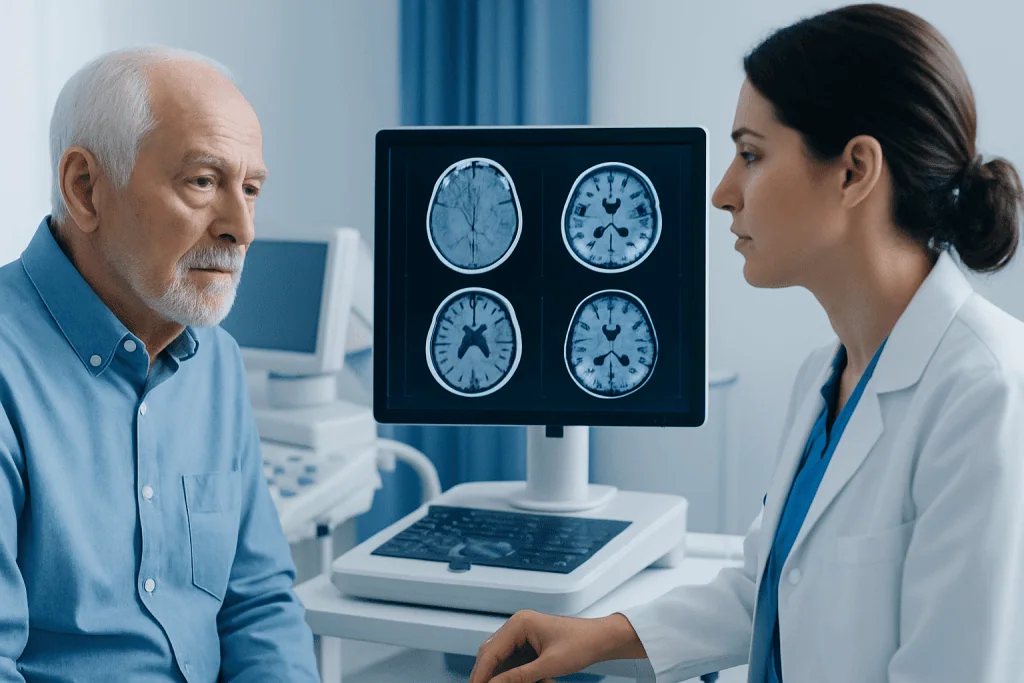
An older adult may be referred to a geriatric neurologist when symptoms suggest a disorder of the nervous system or when the cause of a problem is unclear. Referral does not automatically mean a serious disease is present. It means a more specialized assessment may help explain what is happening and what steps to take next.
Common reasons for referral include:
- New or worsening memory loss, confusion, or personality changes
- Tremor, slowed movement, stiffness, or concerns about Parkinson’s disease
- Frequent falls, poor balance, or changes in walking
- Weakness, numbness, tingling, or neuropathy-like symptoms
- Headaches, dizziness, fainting, or episodes of altered awareness
- Stroke recovery or symptoms that may suggest a transient ischemic attack
- Sleep-related neurological symptoms, such as acting out dreams or excessive daytime sleepiness
Sometimes family members notice changes before the person does. For example, missed appointments, getting lost in familiar places, repeated questions, or difficulty managing finances may prompt an assessment. In other cases, the person seeks help because of hand shaking, leg weakness, painful nerve symptoms, or difficulty getting up from a chair.
What Happens During the Appointment

The visit usually begins with a detailed conversation about symptoms. The doctor may ask when the symptoms started, whether they came on suddenly or gradually, what makes them better or worse, and how they affect daily activities. Questions may cover memory, mood, sleep, bladder function, bowel habits, walking, falls, swallowing, and any recent illness or hospitalization.
A medication review is a very important part of the evaluation. Many older adults take several prescriptions, over-the-counter medicines, vitamins, or herbal products, and some can contribute to drowsiness, confusion, dizziness, tremor, or balance problems. The specialist may also ask about alcohol use, hearing or vision difficulties, previous injuries, and family history of neurological conditions.
The physical and neurological examination often includes checking alertness, speech, eye movements, strength, muscle tone, reflexes, sensation, coordination, and gait. The doctor may observe how the person stands up, walks, turns, and maintains balance. If memory or thinking changes are a concern, the evaluation may also include brief screening tests of attention, language, recall, and problem-solving. These tools do not provide the whole diagnosis on their own, but they help guide the next steps.
It is often helpful for a family member or caregiver to attend. They may provide examples of changes at home, describe safety concerns, or clarify how the symptoms have progressed. This shared perspective can be especially useful when memory, judgment, or communication has changed.
Tests That May Be Recommended
Not every older adult needs extensive testing. The specialist chooses tests based on the symptoms, examination findings, and medical history. In many cases, simple and targeted testing is enough to identify the most likely cause and help guide treatment.
Blood tests may be ordered to look for problems that can affect the nervous system, such as vitamin deficiencies, thyroid disorders, infection, inflammation, kidney or liver disease, or blood sugar abnormalities. Depending on the situation, the doctor may also review heart rhythm, blood pressure changes, or sleep-related concerns.
Brain imaging can help evaluate stroke, structural changes, hydrocephalus, bleeding, tumors, or patterns that support certain diagnoses. For example, MRI scanning may be used when there are memory changes, unexplained weakness, balance problems, or concerns about stroke. In some situations, CT scanning is used, especially when a faster look is needed or MRI is not suitable.
If symptoms suggest a nerve or muscle disorder, studies such as electromyography and nerve testing may be recommended. Formal neuropsychological testing can provide a more detailed picture of memory, attention, language, and executive function. The results help distinguish between normal aging, mild cognitive impairment, depression-related cognitive symptoms, and different forms of dementia, including Alzheimer’s disease when clinically appropriate.
How Doctors Interpret Findings in Older Adults
Evaluating neurological symptoms in later life requires a broad view. Older adults may have more than one contributing factor at the same time. For instance, imbalance may be linked to neuropathy, arthritis, low blood pressure, vision changes, and medication effects together. Memory complaints may be influenced by poor sleep, hearing loss, depression, pain, or an underlying neurodegenerative condition.
The specialist looks for patterns. A sudden change may suggest stroke, infection, dehydration, medication reaction, or another acute illness. A slowly progressive pattern may point toward a degenerative condition or long-term vascular changes. Specific examination findings, along with imaging or lab results, help narrow the possibilities.
Importantly, not every memory lapse or slowing of movement means dementia or Parkinson’s disease. Normal aging can bring some changes in processing speed, multitasking, and recall, while many treatable issues can mimic neurological disease. The purpose of the evaluation is to identify what is expected, what is not, and what can be improved or monitored over time.
Possible Diagnoses and Treatment Options
A geriatric neurologist may diagnose a wide range of conditions, including stroke-related changes, peripheral neuropathy, essential tremor, epilepsy, movement disorders, sleep disorders, spinal problems, and different causes of cognitive decline. In some cases, the conclusion is that symptoms are due to a combination of age-related change, chronic medical conditions, and medication effects rather than one single neurological disease.
Treatment depends on the cause. It may include adjusting medications, treating underlying medical problems, reducing fall risk, managing blood pressure and vascular risk factors, improving sleep, or starting therapies for a diagnosed neurological condition. Some people benefit from physical therapy and rehabilitation to improve strength, balance, gait, and confidence with movement.
Care plans may also include occupational therapy, speech and swallowing assessment, hearing evaluation, nutrition support, counseling, or memory support strategies. When needed, the specialist may recommend follow-up testing or repeat assessments over time to see whether symptoms are stable, improving, or progressing.
Near the end of the process, the doctor usually explains the likely diagnosis, what remains uncertain, and what warning signs should prompt earlier review. For international patients who need advanced neurological assessment, Acibadem International’s multidisciplinary specialists and JCI-accredited hospitals diagnose and treat a wide range of age-related neurological conditions.
How to Prepare for the Visit
Preparing in advance can make the appointment more productive. Patients and families can bring a written list of symptoms, including when each symptom began, how often it happens, and whether it is changing. A symptom diary can be especially useful for episodes such as dizziness, confusion, tremor, headaches, sleep events, or falls.
It is also helpful to bring all current medications or an up-to-date medication list, including doses if known, over-the-counter products, vitamins, and supplements. Previous brain scans, lab results, hospital discharge summaries, and records from other specialists can help avoid repeating tests and give the neurologist a clearer picture.
If memory or communication problems are present, a trusted family member or caregiver should attend if possible. They can describe day-to-day function, driving concerns, missed medications, safety issues, and changes in finances or self-care. Patients may also want to prepare questions in advance, such as what the likely causes are, what tests are needed, and what can be done now to improve safety and comfort.
When to Seek Medical Attention Promptly
Some neurological symptoms need urgent medical attention rather than a routine clinic visit. Sudden weakness, facial drooping, trouble speaking, new severe confusion, sudden loss of vision, a first seizure, or a sudden severe headache should be treated as emergencies. These symptoms may signal stroke or another serious condition and should be assessed immediately.
Prompt medical review is also important if an older adult has frequent falls, rapidly worsening confusion, new hallucinations, severe dizziness, loss of consciousness, or a sudden major change in walking or swallowing. These problems can increase the risk of injury, dehydration, aspiration, or loss of independence.
For less urgent but persistent concerns, early evaluation is still worthwhile. Many neurological symptoms respond better when addressed sooner, and some causes are reversible or manageable. A timely consultation can also help families plan practical support and reduce uncertainty.
Frequently asked questions
What is the difference between a general neurologist and a geriatric neurologist?
Both diagnose and treat disorders of the nervous system, but a geriatric neurologist focuses on how neurological conditions appear in older adults. This includes attention to aging, multiple medical conditions, medication effects, fall risk, and changes in daily function.
Does a geriatric neurologist evaluation always mean dementia is suspected?
No. Older adults may be referred for many reasons, including tremor, dizziness, weakness, neuropathy, balance problems, stroke follow-up, or sleep-related symptoms. Memory concerns are only one part of geriatric neurology.
How long does a neurological evaluation usually take?
The length varies depending on the symptoms and how complex the medical history is. Many first visits are longer than standard appointments because they include a detailed interview, examination, and review of medications and prior test results.
Should a family member come to the appointment?
It is often very helpful, especially if there are memory changes, falls, or episodes the patient may not fully recall. A family member or caregiver can describe day-to-day function, provide a timeline of symptoms, and help with follow-up instructions.
Will imaging or brain scans always be needed?
Not always. The doctor recommends imaging only when it is likely to add useful information based on the history and examination. Some people need blood tests alone, while others may benefit from MRI, CT, or other studies.
Can neurological symptoms in older adults be caused by medications?
Yes. Some medicines can contribute to sleepiness, confusion, dizziness, imbalance, tremor, or slowed thinking, especially when several are taken together. That is why a complete medication review is an important part of the evaluation.
References
- World Health Organization
- National Institute on Aging
- American Academy of Neurology
- National Institute of Neurological Disorders and Stroke
- Alzheimer's Association
This article is for general information only and is not a substitute for professional medical advice. Please consult a qualified doctor about your individual situation.
Joint and spine care in Turkey — expert assessment & treatment
JCI-accredited · board-certified surgeons · reply within 24h
Add us as a Preferred Source to see more of our trusted health content across Google Search, AI Overviews and Discover.