Geriatric Neurology Consultation: What Tests Might Be Recommended?

The first and most important part of a geriatric neurology consultation is a detailed history and neurological examination. Not every older adult needs every test; recommendations depend on symptoms, medical history, medications, and day-to-day function.
Key Takeaways
- The first and most important part of a geriatric neurology consultation is a detailed history and neurological examination.
- Not every older adult needs every test; recommendations depend on symptoms, medical history, medications, and day-to-day function.
- Common tests may include memory screening, blood work, brain imaging, and sometimes EEG, EMG, or nerve conduction studies.
- Many symptoms in later life can have more than one cause, including medication effects, sleep problems, vitamin deficiencies, stroke, or neurodegenerative disease.
- Early assessment can help guide treatment, improve safety, and support independence.
A geriatric neurology consultation helps identify the causes of memory changes, movement problems, dizziness, weakness, tremor, or other nervous system symptoms in older adults. Recommended tests vary by symptoms, but they often include a neurological exam, cognitive screening, blood tests, and sometimes imaging or nerve studies.
Overview: What a Geriatric Neurology Consultation Involves
A geriatric neurology consultation is a specialist assessment focused on the brain, spinal cord, nerves, and muscles in older adults. It is commonly requested for concerns such as memory loss, confusion, tremor, falls, slowed walking, numbness, weakness, dizziness, headaches, sleep-related neurological symptoms, or changes after a stroke. The goal is not simply to name a condition, but to understand what is causing the symptom and how it affects daily life.
Older adults often have several medical conditions at the same time, and this can make neurological symptoms more complex. A neurologist may look at medications, hearing or vision problems, mood symptoms, sleep quality, hydration, and past illnesses as part of the assessment. In many cases, symptoms are influenced by more than one factor, so the evaluation is usually broad and careful.
Tests are chosen to answer specific questions. For example, one person may need memory testing and blood work, while another may need imaging to look for stroke or a tumor, or nerve studies to examine numbness and weakness. A thoughtful consultation helps avoid unnecessary testing while still looking for treatable causes.
Common Reasons Older Adults Are Referred
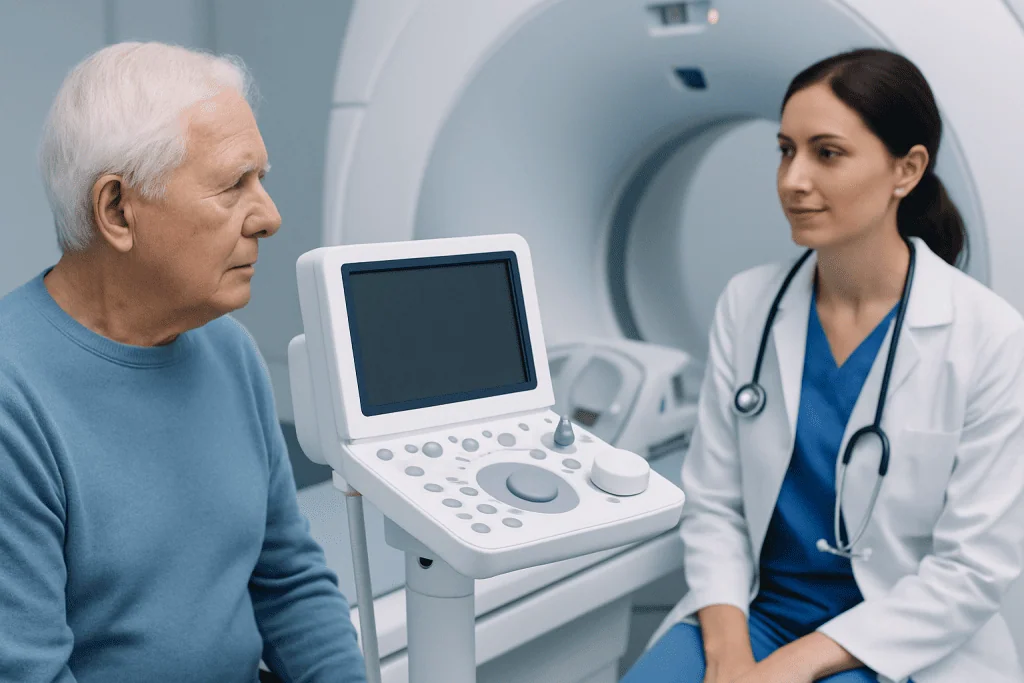
Many referrals are related to thinking and memory. Families may notice repeated questions, misplaced items, trouble following conversations, getting lost in familiar places, or difficulty managing bills and medicines. In these situations, the consultation may explore whether symptoms fit mild cognitive impairment, delirium, depression, medication side effects, or a condition such as Alzheimer’s disease.
Other referrals involve movement and balance. Tremor, stiffness, slower walking, changes in handwriting, or frequent falls can suggest a movement disorder such as Parkinson’s disease, but similar symptoms can also occur with arthritis, spinal problems, low blood pressure, medication effects, or previous strokes. A specialist assessment helps separate these possibilities.
Neurologists also see older adults for numbness, burning feet, muscle weakness, facial droop, speech changes, fainting episodes, seizures, and persistent dizziness. Some people are referred after hospitalization for a stroke or for rehabilitation planning following a new neurological diagnosis.
The Neurological Exam and Cognitive Assessment

The consultation usually begins with a detailed discussion of symptoms. The neurologist may ask when the problem started, whether it came on suddenly or gradually, and whether it is getting worse. They often ask a family member or caregiver for observations, especially if memory or awareness has changed. Information about past strokes, head injuries, sleep disorders, mood symptoms, and current medications is especially important.
The physical examination typically includes checks of alertness, speech, eye movements, facial strength, coordination, reflexes, sensation, muscle strength, and walking. The doctor may observe how the person rises from a chair, turns, swings the arms, and maintains balance. This bedside exam gives valuable clues and often guides which further tests are truly needed.
Cognitive screening may also be recommended. This can include brief office-based tests of memory, attention, language, problem-solving, and visuospatial skills. If concerns are more subtle or the diagnosis is unclear, the patient may be referred for more detailed neuropsychological evaluation to measure different thinking abilities in a structured way. These results can help distinguish normal aging from a neurological disorder and can also support care planning.
Blood Tests and Other Laboratory Checks
Blood tests are commonly used to look for medical problems that can mimic or worsen neurological symptoms. Depending on the situation, a doctor may check blood count, kidney and liver function, electrolytes, blood sugar, thyroid function, vitamin B12, folate, and markers of inflammation. These tests may help identify anemia, infection, metabolic imbalance, diabetes, or vitamin deficiency that could affect memory, balance, or nerve function.
Sometimes further laboratory tests are recommended based on symptoms or risk factors. For example, tests for autoimmune conditions, clotting disorders, or certain infections may be appropriate in selected patients. If muscle disease is suspected, a creatine kinase level may be checked. If there are signs of neuropathy, additional testing may be used to look for common causes such as diabetes, nutritional deficiency, or paraprotein disorders.
Medication review is just as important as formal lab work. Sedatives, some pain medicines, anticholinergic drugs, and even combinations of routine medications can contribute to confusion, drowsiness, low blood pressure, falls, or tremor. In older adults, careful review of prescriptions, supplements, and over-the-counter drugs is often one of the most useful parts of the consultation.
Imaging Tests: CT, MRI, and Vascular Studies
Brain imaging is often recommended when symptoms are new, progressive, or unexplained. A CT scan may be used in urgent situations because it is quick and can identify bleeding, major stroke, hydrocephalus, or a mass effect. An MRI gives more detailed information and is especially useful for small strokes, white matter disease, brain atrophy patterns, inflammation, or structural changes linked with memory problems and seizures.
Imaging is not always needed for every memory complaint or headache, but it is frequently helpful when the doctor wants to rule out conditions that may require specific treatment. In older adults, imaging can also help assess the effects of vascular disease, previous silent strokes, or pressure-related changes in the brain. When blood vessel problems are suspected, tests such as carotid ultrasound, CT angiography, or MR angiography may be considered.
If symptoms suggest acute or chronic cerebrovascular disease, the neurologist may recommend targeted stroke evaluation and treatment planning. When more advanced brain and nerve system assessment is needed, patients may also benefit from specialist neurology care. The exact scan depends on the question being asked, the urgency of symptoms, kidney function, implanted devices, and the person’s ability to lie still during the test.
Specialized Tests: EEG, EMG, Nerve Studies, and Lumbar Puncture
Some older adults need specialized neurological tests in addition to blood work and imaging. An electroencephalogram, or EEG, records the brain’s electrical activity. It may be recommended for unexplained blackouts, seizure-like episodes, unusual periods of confusion, or spells that are difficult to classify. EEG can be helpful because seizures in older adults are sometimes subtle and may not look like the convulsions people expect.
Electromyography and nerve conduction studies examine how muscles and peripheral nerves are working. These tests may be advised for numbness, tingling, burning pain, foot drop, muscle weakness, or suspected neuropathy, radiculopathy, or motor neuron disease. They can help clarify whether symptoms come from the nerves, muscles, the nerve roots in the spine, or a combination of causes.
In selected cases, a lumbar puncture may be recommended to analyze cerebrospinal fluid. This is usually considered when the doctor suspects infection, inflammation, certain autoimmune disorders, bleeding not clearly seen elsewhere, or sometimes when evaluating complex cognitive decline. If surgery-related issues, spinal compression, or hydrocephalus are suspected, referral for neurosurgical assessment may also become part of the care pathway.
How Results Guide Treatment and Follow-Up
The purpose of testing is to guide treatment in a practical way. If a reversible factor is found, such as a vitamin deficiency, thyroid problem, medication side effect, dehydration, or sleep issue, treatment may focus there first. If imaging shows stroke or significant vascular disease, care may include risk-factor control and rehabilitation. If testing points toward a neurodegenerative disorder, the care plan may include symptom management, therapy, home safety planning, and caregiver support.
Treatment may involve more than one specialist. Depending on the diagnosis, the person may benefit from physical therapy, speech and language therapy, occupational therapy, psychology, psychiatry, geriatric medicine, or social work support. Follow-up is often important because neurological symptoms can evolve over time, and the first visit may provide only part of the picture.
Near the end of the evaluation, patients and families usually receive guidance on the next steps, warning signs, and lifestyle measures that support brain health and safety. Acibadem International’s multidisciplinary specialists and JCI-accredited hospitals diagnose and treat neurological conditions in international patients, with testing and follow-up tailored to the individual’s needs.
Preparing for the Appointment and When to Seek Urgent Help
Good preparation can make a consultation more useful. Patients are often encouraged to bring a current medication list, past scan reports if available, a summary of medical conditions, and notes about when symptoms began. A family member or trusted companion can be helpful, especially if memory problems, confusion, falls, or episodes of unresponsiveness are part of the concern.
It also helps to describe how symptoms affect daily activities. Examples include getting dressed, cooking, driving, handling money, remembering appointments, using the phone, or walking safely outdoors. These details help the neurologist understand severity and choose suitable tests. Writing down questions before the appointment can make the visit less stressful.
Some symptoms need urgent medical attention rather than a routine clinic visit. Sudden facial droop, one-sided weakness, new difficulty speaking, severe sudden confusion, a first seizure, or a sudden loss of vision should be treated as emergencies. Rapid assessment can be especially important when stroke or another acute neurological problem is possible.
Frequently asked questions
Does every older adult need a brain scan during a geriatric neurology consultation?
No. Brain imaging is recommended when it helps answer a specific clinical question, such as looking for stroke, bleeding, a mass, hydrocephalus, or structural causes of symptoms. The decision depends on the person’s history, examination findings, and how symptoms developed.
What is the difference between normal aging and a neurological disorder?
Some slowing of recall can happen with normal aging, but significant problems with daily function, navigation, language, judgment, or repeated confusion are not considered a normal part of aging. A geriatric neurology consultation helps determine whether symptoms are due to normal aging, a medical issue, or a neurological condition.
Why are blood tests important if the problem seems neurological?
Blood tests can reveal treatable causes that affect the brain and nerves, including vitamin deficiencies, thyroid problems, infection, metabolic imbalance, and diabetes. In older adults, these medical issues can contribute to memory changes, weakness, numbness, dizziness, or falls.
Are memory tests the same as a diagnosis of dementia?
No. Memory and thinking tests measure cognitive function, but they are only one part of the assessment. Diagnosis also depends on the medical history, daily functioning, neurological examination, and sometimes imaging or additional testing.
When might nerve conduction studies or EMG be recommended?
These tests are often used when there is numbness, tingling, burning pain, muscle weakness, or suspicion of peripheral nerve or muscle disease. They help show whether symptoms are coming from the nerves, muscles, or nerve roots in the spine.
Should a family member attend the consultation?
It is often very helpful, especially when memory changes, falls, or episodes of confusion are involved. A relative or caregiver may notice details about daily function or symptom progression that the patient may not remember clearly.
References
- World Health Organization
- National Institute on Aging
- American Academy of Neurology
- National Institute of Neurological Disorders and Stroke
- Alzheimer's Association
This article is for general information only and is not a substitute for professional medical advice. Please consult a qualified doctor about your individual situation.
Geriatric Neurology in Turkey — costs, top hospitals & a free quote
JCI-accredited · board-certified surgeons · reply within 24h
Add us as a Preferred Source to see more of our trusted health content across Google Search, AI Overviews and Discover.
Check your numbers in seconds
BMI, calories, due date, blood pressure and 30+ more clinical calculators — free, instant, doctor-reviewed ranges.

Neurology
Diagnosis and treatment of disorders of the brain, spinal cord, nerves and muscles.
51 specialists in this unit