Gist Therapy: How It Works, Results and What to Expect

GISTs are uncommon tumors that begin in specialized cells in the digestive tract, most often in the stomach or small intestine. Surgery can remove localized GISTs, while targeted therapies are central to treatment for higher-risk, recurrent, or advanced disease.
Key Takeaways
- GISTs are uncommon tumors that begin in specialized cells in the digestive tract, most often in the stomach or small intestine.
- Surgery can remove localized GISTs, while targeted therapies are central to treatment for higher-risk, recurrent, or advanced disease.
- Testing the tumor for KIT, PDGFRA and other gene changes helps the team select the most suitable medicine.
- Recovery after GIST surgery varies with the operation, overall health and whether open or minimally invasive surgery is used.
- Many people with GIST can achieve long-term disease control, including some people with metastatic disease.
- Regular scans and specialist follow-up are important because GIST can recur after initial treatment.
GIST therapy refers to the personalized treatment of gastrointestinal stromal tumors (GISTs), most often using surgery, targeted medicines, or both. The best approach depends on the tumor’s size, location, risk of recurrence, whether it has spread, and molecular test results.
GIST Therapy: An Individualized Treatment Plan
GIST therapy is the treatment approach used for gastrointestinal stromal tumors, known as GISTs. These tumors arise from specialized cells in the wall of the digestive tract called interstitial cells of Cajal. Most GISTs start in the stomach or small intestine, although they can develop elsewhere in the abdomen.
GIST treatment is different from treatment for many other digestive cancers because these tumors are often driven by specific gene changes. Targeted medicines can block the signals that help GIST cells grow. For a localized tumor, surgery may be the main treatment. For tumors with a substantial risk of return, or tumors that cannot be fully removed or have spread, targeted therapy may be used before surgery, after surgery, or as longer-term treatment.
A useful GIST treatment review considers more than the scan result alone. The care team assesses the tumor’s site, size, growth rate under the microscope, whether it has ruptured, whether it has spread, and its molecular profile. This helps create a treatment plan that is both effective and appropriate for the individual.
How GIST Therapy Works
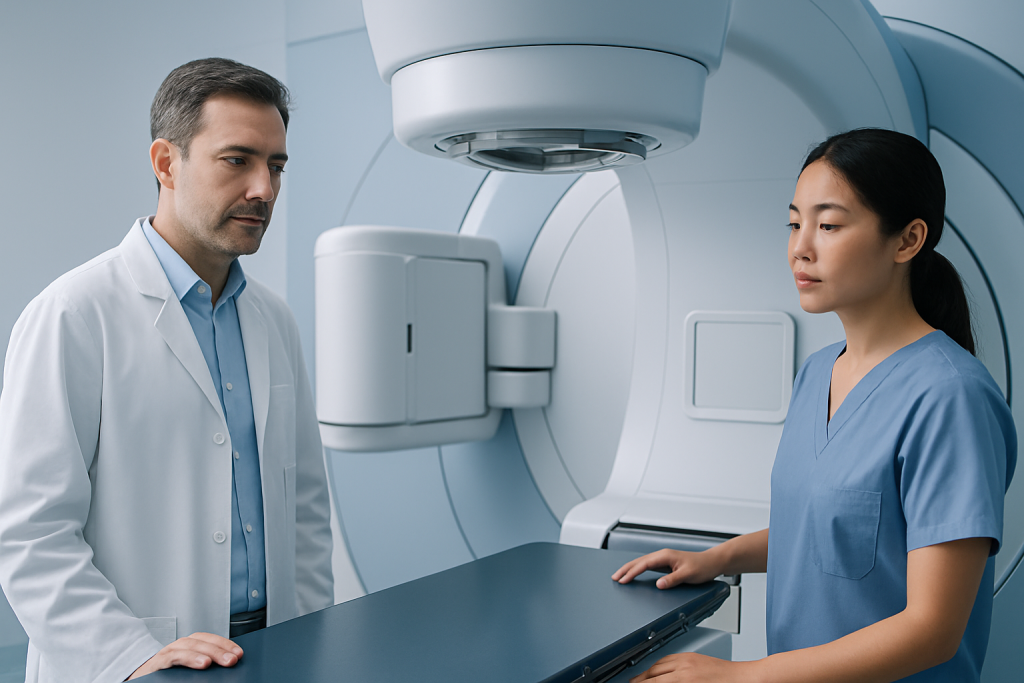
The main forms of GIST therapy are surgery, targeted therapy, monitoring in selected circumstances, and supportive care. Traditional chemotherapy used for many cancers generally has limited benefit in GIST, so it is not usually the central treatment. Radiation therapy also has a limited role, although it may occasionally help relieve symptoms from a specific area.
Targeted therapy works by interrupting growth signals inside tumor cells. Many GISTs have changes in the KIT or PDGFRA genes. Medicines called tyrosine kinase inhibitors can block the activity of these abnormal proteins. Molecular testing on tumor tissue is therefore an important part of planning treatment, as some gene changes respond better to particular medicines and some may be resistant to certain drugs.
For a tumor that is large or positioned close to important organs, targeted therapy may be given before surgery. This is called neoadjuvant therapy and may shrink or stabilize the tumor, potentially allowing a less extensive operation. After complete removal of a GIST with a higher recurrence risk, targeted treatment may be recommended as adjuvant therapy to lower the chance of the disease returning.
For advanced GIST, targeted treatment is commonly used to control the disease for as long as possible. If one medicine stops working or causes unacceptable side effects, the oncology team may consider another targeted option, based on prior treatment, tumor mutations and the person’s health.
Who May Be a Candidate for GIST Treatment?

Anyone diagnosed with GIST should ideally be assessed by a multidisciplinary team with experience in sarcoma and gastrointestinal tumors. This can include medical oncologists, surgical oncologists or gastrointestinal surgeons, pathologists, radiologists, gastroenterologists, specialist nurses and supportive-care professionals. The team discusses whether the tumor can be removed safely and whether medicine should be used before or after surgery.
People with small tumors that have low-risk features may be candidates for surgery alone, or in selected situations, structured imaging surveillance. Larger tumors, tumors with a higher mitotic rate, tumors that have ruptured, or tumors in certain locations may have a higher likelihood of recurrence and may benefit from additional treatment.
Targeted therapy can be especially important for GIST that is unresectable, recurrent or metastatic. Before starting medication, clinicians review pathology findings and molecular testing, along with liver, kidney and heart health where relevant. The plan is adjusted over time according to scan results, side effects and treatment goals.
GIST care may overlap with evaluation and treatment of other digestive tumors. A specialist assessment can help distinguish GIST from conditions such as stomach cancer or other masses, since diagnosis and treatment strategies differ.
What Happens During GIST Surgery and Treatment?
Diagnosis commonly begins with imaging, such as contrast-enhanced CT or MRI, to show the tumor’s location and whether it has spread. An endoscopy or endoscopic ultrasound may be used for tumors near the stomach or upper digestive tract. A biopsy may be needed to confirm the diagnosis and perform molecular testing, particularly when targeted treatment is being considered before surgery. In some clearly removable tumors, the team may advise surgery first rather than biopsy, depending on location and clinical circumstances.
During surgery, the aim is to remove the tumor completely while keeping its outer covering intact. Avoiding rupture is important because spilled tumor cells can increase the risk of recurrence in the abdomen. Depending on where the GIST is located, surgery may involve removing a small portion of the stomach or intestine. Some suitable tumors can be treated with minimally invasive laparoscopic surgery; others require open surgery for safety and complete removal.
After surgery, the removed tissue is examined by a pathologist. The report confirms the diagnosis and describes features used to estimate recurrence risk. The oncology and surgical team then reviews whether observation, regular scans, or adjuvant targeted therapy is most appropriate.
Targeted medications are usually taken by mouth and require ongoing monitoring. Follow-up appointments may include blood tests, symptom review and imaging. Patients should tell their care team about new symptoms or side effects rather than stopping prescribed treatment without medical advice.
Benefits, Risks and Recovery After GIST Therapy
For localized GIST, complete surgical removal offers the possibility of long-term control and, for some people, cure. Targeted therapy can reduce recurrence risk after surgery in suitable higher-risk cases. In advanced GIST, these medicines can often slow tumor growth, shrink tumors or keep disease stable, supporting both symptom control and daily function.
Every treatment has possible risks. Surgical risks can include bleeding, infection, blood clots, bowel leakage, bowel blockage, temporary changes in digestion and complications related to anesthesia. The likelihood depends on the operation and a person’s general health. The surgeon explains the individual risks before treatment.
Targeted therapies can cause side effects such as tiredness, nausea, diarrhea, fluid retention, skin changes, muscle cramps, abdominal discomfort or changes in blood test results. Many side effects can be managed through monitoring, supportive medication or adjustments directed by the oncology team. Prompt reporting helps clinicians respond early.
Recovery after an operation varies. After a minimally invasive procedure, some people may return to light activity within a few weeks, while recovery after open abdominal surgery often takes longer. Appetite, bowel habits and energy can take time to settle. The care team provides personalized advice on wound care, activity, nutrition, medicines and follow-up.
How Fast Does a GIST Tumor Grow?
GIST growth rates vary widely. Some tumors grow slowly and remain small for a long time, while others behave more aggressively. Size alone does not fully predict behavior, which is why specialists also evaluate the tumor’s location, mitotic rate, molecular findings and whether rupture occurred.
Imaging over time can help show whether a tumor is changing. However, a scan cannot always determine how biologically active a GIST is. A pathology review after biopsy or surgery provides additional information that helps estimate risk and guide follow-up.
Because growth cannot be predicted reliably from symptoms alone, a known or suspected GIST should be followed according to a clinician’s plan. New or worsening abdominal pain, vomiting, bleeding or unexplained fatigue should be discussed promptly with a healthcare professional.
How Long Does It Take to Recover From a GIST Operation?
Initial hospital recovery may range from a short stay after an uncomplicated minimally invasive operation to a longer admission after open surgery or a more extensive bowel procedure. The exact timing depends on the tumor location, the amount of tissue removed, any complications and how quickly eating, walking and bowel function return.
Many people need several weeks before they feel comfortable with normal daily routines, and full energy can take several months to return. Heavy lifting and strenuous exercise are usually restricted temporarily to protect the healing abdominal wall. A surgeon should provide specific guidance before activities are resumed.
Eating smaller meals, staying hydrated and gradually increasing activity may support recovery when approved by the care team. Contact the surgical team for fever, worsening pain, persistent vomiting, wound redness or drainage, inability to keep fluids down, shortness of breath, or signs of gastrointestinal bleeding.
Is GIST a Terminal Cancer? Is Stage 4 GIST Curable?
GIST is not automatically a terminal cancer. Many localized GISTs can be removed surgically, and some people remain free of disease after treatment. Even when the risk of recurrence is higher, targeted therapy and structured follow-up can improve disease control.
Stage 4 GIST means the tumor has spread to distant areas, often the liver or the lining of the abdomen. It is generally not considered curable with current standard treatments when disease is widespread. However, this does not mean treatment is ineffective: targeted therapies can often control metastatic GIST for meaningful periods, and selected patients may benefit from surgery or local procedures as part of a carefully planned approach.
GIST treatment and prognosis are highly individual. The tumor’s molecular subtype, response to targeted therapy, sites of spread, overall health and access to specialist care all influence outlook. It is reasonable to ask the oncology team what the treatment goals are, how response will be monitored and what options may be available if the first treatment no longer works.
Acibadem International’s multidisciplinary specialists in JCI-accredited hospitals assess and treat GIST for international patients, coordinating surgical, pathology and oncology expertise where needed.
Frequently asked questions
What is the main treatment for GIST?
Surgery is often the main treatment for a localized GIST that can be removed safely. Targeted medicines are used for some higher-risk tumors after surgery and are central to treatment for tumors that cannot be removed, have returned or have spread. The best plan depends on pathology and molecular testing results.
Can GIST be treated without surgery?
Yes, targeted therapy may be the main treatment when surgery is not possible or when GIST has spread. In selected cases, medication may be given first to reduce or stabilize a tumor before an operation. Small, low-risk tumors may occasionally be monitored with scheduled imaging rather than treated immediately.
Why is genetic testing important in GIST?
Molecular testing looks for changes in genes such as KIT and PDGFRA that can drive GIST growth. The result can help predict whether a targeted medicine is likely to work and guide the choice of treatment. This testing is performed on tumor tissue and is different from inherited genetic testing for family members.
Does GIST usually come back after surgery?
Some GISTs do not return after complete surgery, particularly those with low-risk features. Others have a higher chance of recurrence based on size, site, mitotic rate, rupture and molecular findings. Regular follow-up scans and, when appropriate, adjuvant targeted therapy are used to manage this risk.
What follow-up is needed after GIST treatment?
Follow-up usually includes regular clinical visits and CT or MRI scans, with the schedule based on recurrence risk and treatment status. People taking targeted therapy may also need blood tests to monitor safety. The treating specialist determines the most appropriate surveillance plan.
What symptoms should prompt urgent medical advice during GIST treatment?
Urgent advice is appropriate for signs of bleeding such as black stools or vomiting blood, severe or worsening abdominal pain, persistent vomiting, fever after surgery, chest pain, shortness of breath or sudden leg swelling. Patients should also report severe medication side effects or any symptom that is rapidly worsening. For emergency symptoms, local emergency services should be contacted.
References
- National Cancer Institute
- National Comprehensive Cancer Network
- European Society for Medical Oncology
- American Cancer Society
- Gastrointestinal Stromal Tumor Support International
This article is for general information only and is not a substitute for professional medical advice. Please consult a qualified doctor about your individual situation.
Persistent digestive symptoms? Get evaluated in Turkey
JCI-accredited · board-certified surgeons · reply within 24h
Add us as a Preferred Source to see more of our trusted health content across Google Search, AI Overviews and Discover.