Good Skin Mask — Explained by Medical Evidence, Not Myths

The best good skin mask depends on skin type, goals, and ingredient tolerance. Hydrating masks can improve short-term dryness, while clay-based masks may help reduce excess oil.
Key Takeaways
- The best good skin mask depends on skin type, goals, and ingredient tolerance.
- Hydrating masks can improve short-term dryness, while clay-based masks may help reduce excess oil.
- Strong fragrances, harsh exfoliants, and frequent use can damage the skin barrier.
- Patch testing is especially important for sensitive skin or a history of allergies.
- Persistent rashes, painful acne, or skin symptoms that worsen with masks should be assessed by a doctor.
A good skin mask is one that matches the skin’s needs, uses well-tolerated ingredients, and fits into a simple skincare routine without causing irritation. Medical evidence suggests masks can help with hydration, oil control, and comfort, but they are supportive products rather than a cure for acne, eczema, or other skin conditions.
What Is a Good Skin Mask, Really?
A good skin mask is not simply the most expensive or most popular product. In evidence-based skincare, a good mask is one that is appropriate for the person’s skin type, contains ingredients with a clear purpose, and improves comfort or appearance without triggering irritation. For many people, that means a mask that supports hydration, calms temporary redness, or helps absorb excess oil.
Masks are usually leave-on for a short period and are designed to deliver concentrated ingredients. They can be useful additions to a skincare routine, but they do not replace daily essentials such as gentle cleansing, moisturizing, and sun protection. A mask may improve how the skin feels and looks for hours or days, yet most cannot treat chronic inflammatory skin disease on their own.
This distinction matters because online discussions often present masks as miracle solutions. Medical evidence supports a more balanced view: some masks can temporarily improve dryness, skin smoothness, or shine control, but results depend on the formulation and the condition of the skin barrier. If a mask causes burning, persistent redness, or peeling, it is not a good mask for that person, even if it is widely recommended.
How Skin Masks Work
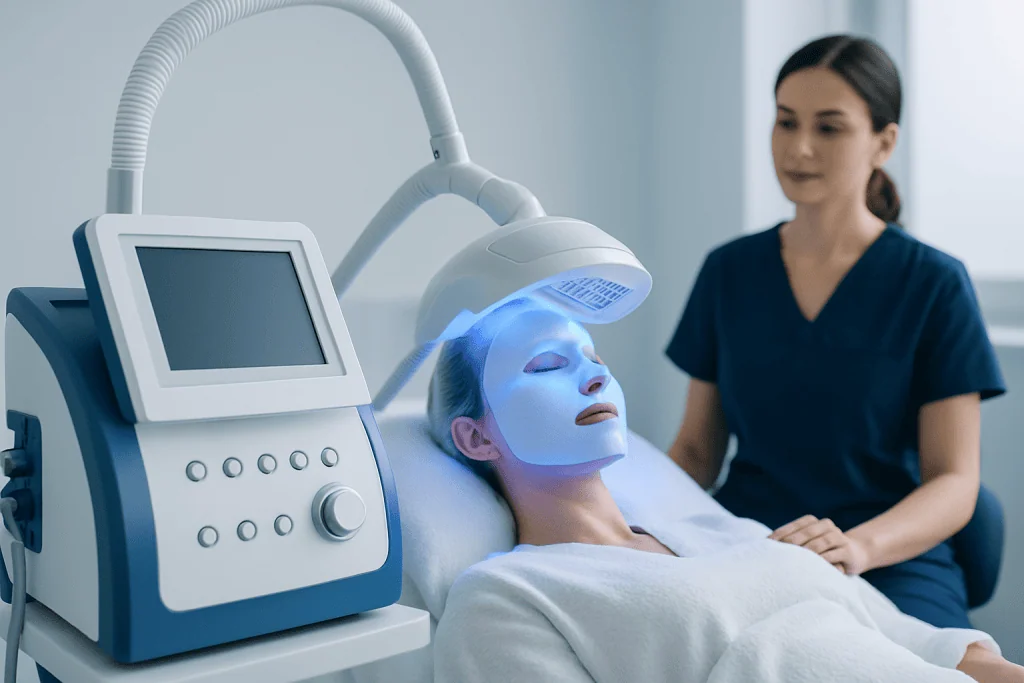
Different masks work in different ways. Hydrating masks often contain humectants such as glycerin or hyaluronic acid, which attract water to the outer layer of skin. Emollients and occlusive ingredients may also be included to reduce water loss and soften rough areas. These masks are generally aimed at dry, dehydrated, or tight-feeling skin.
Clay and charcoal masks are commonly marketed for oily or acne-prone skin. Their main effect is to absorb surface oil and leave the skin feeling less greasy. This can be helpful for shine control, but overuse may increase dryness and irritation, especially if the person is also using retinoids, benzoyl peroxide, or exfoliating acids.
Other masks focus on soothing or brightening. They may include niacinamide, colloidal oatmeal, panthenol, ceramides, or mild antioxidants. Some products also contain exfoliating acids or enzymes, which can improve texture but may be too strong for sensitive skin. In general, the skin responds best when a mask has one clear purpose rather than many aggressive active ingredients combined.
- Hydrating masks: help dryness and tightness
- Clay masks: help reduce excess surface oil
- Soothing masks: support a stressed or reactive skin barrier
- Exfoliating masks: may improve texture, but require careful use
Choosing a Good Skin Mask by Skin Type

For dry skin, a good skin mask usually emphasizes barrier support. Ingredients such as ceramides, glycerin, squalane, panthenol, and hyaluronic acid are often better choices than strong acids or alcohol-heavy formulas. A creamy or gel-based hydrating mask may be more comfortable than a tightening clay mask.
For oily or acne-prone skin, a mask can be useful if it helps control shine without over-drying the face. Clay or sulfur-based formulas may suit some people, but harsh scrubs and strongly fragranced products can aggravate breakouts. If acne is frequent, inflamed, or leaves scars, it is better to seek proper assessment rather than relying only on masks. Related care may include evaluation for acne and, when appropriate, professional dermatology care.
For sensitive skin, the safest approach is often the simplest. Fragrance-free masks with soothing ingredients such as colloidal oatmeal, aloe, ceramides, or niacinamide are commonly preferred. Patch testing is important. If the person has rosacea, eczema, or a history of allergic reactions, a new mask should be introduced cautiously, because even “natural” ingredients can irritate the skin.
For combination skin, targeted use may work best. A person may use a clay mask only on the oily T-zone and a hydrating product on drier areas. This avoids unnecessary irritation and reflects a practical, individualized approach rather than following broad trends.
Ingredients That Help — and Ingredients That May Cause Problems
Certain ingredients have a clearer supportive role in skincare. Humectants such as glycerin and hyaluronic acid help hold water in the upper skin layers. Ceramides and fatty acids support the skin barrier. Niacinamide may help with redness, oil balance, and barrier function. Colloidal oatmeal and panthenol are often used to calm irritated skin.
Not every popular ingredient is well tolerated. Strong essential oils, added fragrance, menthol, and high concentrations of exfoliating acids may irritate sensitive skin. Peel-off masks can also be too harsh for some people because removing them may pull on the skin and worsen redness. A brief tingling sensation is sometimes marketed as a sign that a product is “working,” but persistent stinging or burning more often signals irritation.
People with eczema, contact dermatitis, or very reactive skin should be especially careful with long ingredient lists and multiple active compounds. If dry, itchy, or inflamed patches are recurrent, this may point to an underlying condition such as eczema rather than a simple cosmetic concern. In that setting, a mask should be viewed as optional supportive care, not primary treatment.
As a practical rule, a shorter ingredient list with a clear purpose is often easier to tolerate. The goal is not to find a trend-driven product, but one that supports healthy skin function.
What Masks Can and Cannot Do
A good skin mask can improve comfort and appearance in the short term. Many people notice softer skin, less tightness, a temporary glow, or reduced surface oil after use. These are realistic benefits and can be meaningful when the product matches the skin’s needs.
What a mask cannot do is permanently shrink pores, erase scars, reverse major pigmentation disorders, or cure chronic skin disease. Claims that a single mask can detoxify the skin or dramatically change skin biology are not supported by standard medical evidence. The skin already has natural barrier and repair functions, and skincare works best when it respects these systems rather than trying to “reset” them aggressively.
For chronic concerns such as severe acne, rosacea, persistent itching, facial swelling, or unexplained rashes, a proper diagnosis matters more than product experimentation. Depending on the findings, management may include specialist skin evaluation or, in selected cases, supportive allergy testing if contact reactions are suspected.
How to Use a Skin Mask Safely
Safe use begins with clean skin and clear expectations. Most masks are best used exactly as directed on the label, for a limited time and not more frequently than recommended. Leaving a product on longer than advised does not usually improve results and may increase irritation.
Patch testing is a sensible step, especially for anyone with sensitive skin. A small amount can be applied to a discreet area, such as behind the ear or along the jawline, for a short test period before full facial use. If burning, itching, or a rash develops, the product should not be used again until a clinician advises otherwise.
It is also wise not to combine a new mask with several other active products on the same day. Using exfoliating acids, retinoids, scrubs, and a strong mask together can overwhelm the skin barrier. After masking, many people benefit from a simple moisturizer and daytime sunscreen, because treated skin may become more reactive to sun or dryness.
- Choose one main goal: hydration, soothing, or oil control
- Patch test before first use
- Do not overuse or leave on too long
- Stop if there is burning, swelling, or worsening rash
- Follow with moisturizer; use sunscreen during the day
When to Seek Medical Care
Most mild dryness or temporary shine can be managed with careful product selection. However, medical care is appropriate if a mask causes facial swelling, blistering, hives, trouble breathing, or a rapidly spreading rash. These symptoms may suggest a significant allergic or irritant reaction and should not be ignored.
A doctor should also assess skin problems that persist despite basic care. Examples include painful or cystic acne, recurrent eczema flares, persistent redness, cracked skin, signs of infection, or dark or changing skin lesions. In these cases, self-treatment with repeated masking may delay appropriate diagnosis.
If specialized care is needed, multidisciplinary specialists at Acibadem International and its JCI-accredited hospitals evaluate skin concerns for international patients, including common inflammatory conditions and contact reactions. The most useful next step is often not another product, but a clear diagnosis and a treatment plan tailored to the skin type and symptoms.
Frequently asked questions
What makes a good skin mask?
A good skin mask matches the skin’s needs and does not cause irritation. For some people that means hydration and barrier support, while for others it means mild oil control. The best choice depends on skin type, symptoms, and ingredient tolerance.
Are natural or homemade masks better for the skin?
Not necessarily. Natural ingredients can still irritate the skin or trigger allergy, and homemade recipes may have inconsistent strength or hygiene issues. Products designed for skin use and chosen carefully are often a safer option.
Can a skin mask help acne?
A mask may help reduce surface oil or make skin feel calmer, but it usually does not treat the underlying causes of acne. Persistent, painful, or scarring acne often needs proper medical assessment and targeted treatment.
How often should a skin mask be used?
The safest frequency depends on the formula and the person’s skin sensitivity. Many masks are used occasionally rather than daily, especially if they contain clay or exfoliating ingredients. Following the product instructions and watching for irritation is important.
Is stinging normal when using a face mask?
Mild temporary tingling can occur with some active ingredients, but burning, persistent stinging, or redness usually suggests irritation. If symptoms continue after washing the product off, the mask should be stopped and the skin kept simple with gentle care.
Can skin masks treat eczema or rosacea?
Masks are not primary treatments for eczema or rosacea. Some gentle, fragrance-free products may offer temporary comfort, but they cannot replace a diagnosis and treatment plan from a qualified clinician.
References
- American Academy of Dermatology
- National Eczema Association
- National Institute of Arthritis and Musculoskeletal and Skin Diseases
- American Academy of Allergy, Asthma & Immunology
This article is for general information only and is not a substitute for professional medical advice. Please consult a qualified doctor about your individual situation.
Explore treatments in Turkey — costs, top hospitals & a free quote
JCI-accredited · board-certified surgeons · reply within 24h
Add us as a Preferred Source to see more of our trusted health content across Google Search, AI Overviews and Discover.

More from the Health Library

Vng Test: A Complete Medical Overview

Chickpea Pasta: A Complete Medical Overview

Excessive Sweating at Night Postpartum: An Evidence-Based Guide for Patients

Ebglyss — Explained by Medical Evidence, Not Myths

Montgomery Glands — Explained by Medical Evidence, Not Myths