Graves Disease: Early Signs, Risk Factors, and How It Is Treated

Early signs of Graves disease include a fast or irregular heartbeat, weight loss despite normal eating, heat intolerance, trembling hands, anxiety, and eye irritation or bulging. If you notice these symptoms, see a doctor: a medical evaluation can confirm the cause, and treatment can control symptoms and help protect the heart, bones, and eyes.
Key Takeaways
- Graves disease is the most common cause of hyperthyroidism in many adults.
- Symptoms may include weight loss, a fast heartbeat, anxiety, heat intolerance, tremor, and changes in the eyes.
- Diagnosis usually combines a physical exam, thyroid blood tests, and sometimes imaging or antibody testing.
- Treatment may include medicines, radioactive iodine, or surgery, depending on the person’s age, symptoms, eye involvement, and overall health.
- Prompt medical review is important for chest pain, severe shortness of breath, confusion, or rapidly worsening eye symptoms.
Graves disease is an autoimmune condition that causes the thyroid gland to make too much hormone, leading to an overactive thyroid. Early recognition and appropriate treatment can help control symptoms, protect the heart and bones, and reduce the risk of eye-related complications.
Overview
Graves disease is an autoimmune disorder in which the body’s immune system mistakenly stimulates the thyroid gland. This causes the gland to release too much thyroid hormone, a state called hyperthyroidism. Thyroid hormones affect how quickly the body uses energy, so when levels are too high, many body systems may speed up.
The condition can affect adults of any age, but it is more common in women and often appears before age 40. Some people develop symptoms gradually, while others notice a more sudden change in energy, heart rate, weight, or mood. Although the condition can feel disruptive, it is treatable, and many people do well with ongoing care.
One feature that makes Graves disease different from other causes of an overactive thyroid is that it may affect the eyes and, less commonly, the skin. Eye involvement can range from dryness and irritation to more noticeable bulging, double vision, or pressure behind the eyes. Because symptoms can overlap with stress, menopause, heart conditions, or anxiety disorders, a medical evaluation is the best way to confirm the cause.
Early Signs and Symptoms
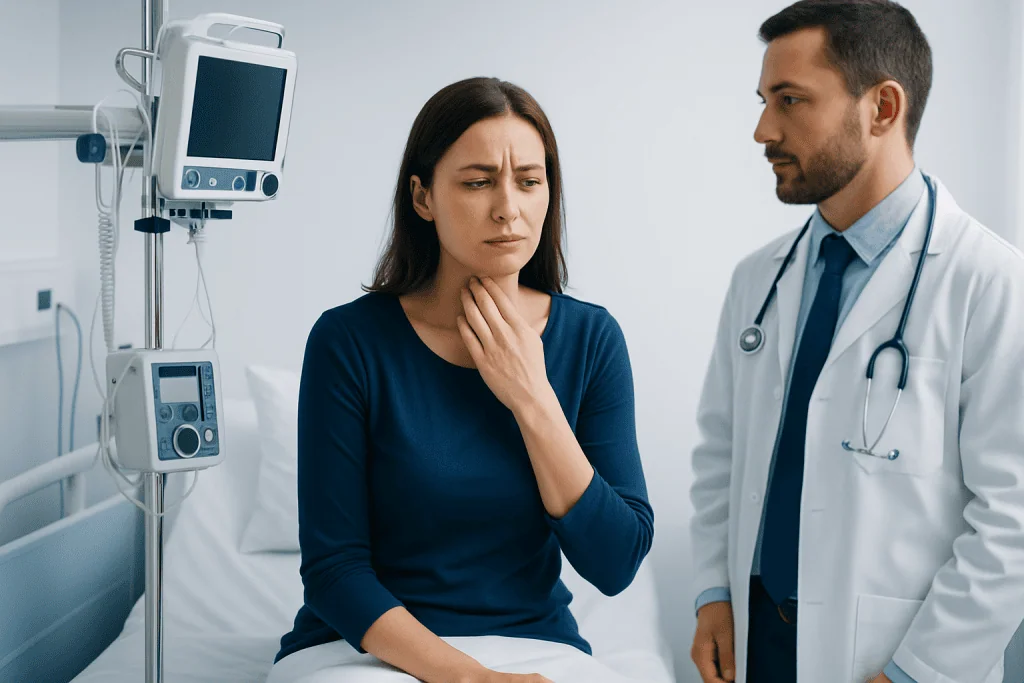
Early signs of graves disease often reflect a faster-than-normal metabolism. A person may feel unusually warm, sweat more than usual, or notice a racing heartbeat even at rest. Weight loss can happen despite a normal appetite or increased eating, and some people feel shaky, restless, or more anxious than usual.
Other common symptoms include fatigue, trouble sleeping, muscle weakness, and more frequent bowel movements. Menstrual changes can occur, and some people notice hair thinning or skin that feels warm and moist. These symptoms can vary from mild to pronounced, and they do not always appear at the same time.
Eye symptoms are especially important to recognize. The eyes may feel gritty, dry, red, or sensitive to light. In some people, the eyelids pull back, the eyes look more prominent, or double vision develops. A small number of patients also develop thickened, discolored skin over the shins or tops of the feet.
- Fast or irregular heartbeat
- Tremor of the hands
- Heat intolerance and sweating
- Unexplained weight loss
- Nervousness, irritability, or poor sleep
- Eye irritation, swelling, or bulging
Why Graves Disease Happens

Graves disease develops when the immune system produces antibodies that attach to the thyroid-stimulating hormone receptor. Instead of simply regulating hormone production, these antibodies stimulate the thyroid to keep making hormone. The result is excess thyroid hormone in the bloodstream and enlargement of the thyroid gland, sometimes called a goiter.
Doctors do not fully know why one person develops these antibodies and another does not, but genetics appear to play a role. Graves disease can run in families, and it is more likely in people who have other autoimmune conditions. Environmental factors may also contribute, including major stress, smoking, and hormonal shifts such as those that can occur after pregnancy.
Several factors can increase risk or affect how the condition behaves:
- Family history of thyroid or autoimmune disease
- Female sex
- Younger and middle adult age
- Smoking, which also raises the risk of eye disease
- Personal history of another autoimmune disorder
- Recent pregnancy or postpartum immune changes
Graves disease is one form of hyperthyroidism, but not every overactive thyroid is caused by Graves disease. Other causes include toxic nodules, thyroiditis, or excess thyroid medication. Distinguishing among these causes helps guide treatment.
How Diagnosis Is Confirmed
Diagnosis begins with a discussion of symptoms, medical history, and a physical examination. A doctor may check the pulse, look for tremor, examine the neck for thyroid enlargement, and assess the eyes for signs of inflammation or lid retraction. Because an overactive thyroid can affect the heart, blood pressure and heart rhythm are also important parts of the evaluation.
Blood tests are central to diagnosis. In most cases, thyroid-stimulating hormone (TSH) is low, while free T4 and sometimes T3 are elevated. Testing for thyroid-stimulating immunoglobulins or related antibodies can support the diagnosis of Graves disease, especially when the cause of hyperthyroidism is not obvious.
Some people also need imaging. A radioactive iodine uptake test or thyroid scan can show how actively the gland is producing hormone and whether the entire gland is overactive or only certain areas are. Ultrasound may be used in selected cases, especially if nodules are present or if radiation-based tests are not suitable. If eye symptoms are significant, an eye specialist may examine vision, eye movement, and pressure, and imaging may be considered to assess the tissues around the eyes.
Treatment Options
Treatment for graves disease is personalized. The main goals are to lower thyroid hormone levels, relieve symptoms, and prevent complications affecting the heart, bones, and eyes. Choice of treatment depends on age, symptom severity, thyroid size, pregnancy plans, general health, and whether thyroid eye disease is present.
Medicines are often the first step. Beta blockers may be used to reduce symptoms such as palpitations, tremor, and anxiety while thyroid levels are being brought under control. Antithyroid drugs help reduce hormone production and may be used for months to years, with regular blood tests to monitor response and side effects. These medicines can be very effective, but they are not suitable for every situation, and a doctor will review risks and benefits carefully.
Definitive treatment may involve radioactive iodine or surgery. Radioactive iodine therapy gradually reduces the activity of the thyroid and is widely used in appropriate patients, though it may not be preferred in some people with active eye disease, pregnancy, or certain other circumstances. Thyroid surgery may be considered when the gland is very large, when nodules are present, when rapid control is needed, or when other treatments are not suitable.
Eye symptoms may need separate care, especially if inflammation, pain, double vision, or vision changes occur. Lubricating drops, smoking cessation, head elevation during sleep, and referral to an eye specialist can help. In more severe cases, targeted medical therapy or surgery for eye complications may be discussed. Treatment plans are often coordinated through endocrinology and, when needed, ophthalmology and surgery teams.
Prevention, Self-care, and Long-Term Outlook
There is no guaranteed way to prevent Graves disease, but early diagnosis and consistent follow-up can make a meaningful difference. Taking prescribed medication as directed, attending blood test appointments, and reporting new symptoms promptly help doctors keep thyroid hormone levels in a healthy range. Because treatment can sometimes lead to an underactive thyroid, monitoring remains important over time.
Self-care measures can support recovery and comfort. Avoiding smoking is one of the most important steps, especially for people with eye symptoms. Limiting excess caffeine may help reduce palpitations and shakiness. A balanced diet, adequate sleep, and gentle physical activity can be useful once symptoms are better controlled, though intense exercise may need to wait until the heart rate is stable.
People with eye irritation may feel better using lubricating eye drops, wearing sunglasses outdoors, and elevating the head slightly at night. Bone health is also worth discussing, since prolonged untreated hyperthyroidism can weaken bones. With effective treatment, many symptoms improve significantly, though some people need long-term thyroid hormone replacement after definitive therapy.
For international patients who need coordinated evaluation, Acibadem International’s multidisciplinary specialists at JCI-accredited hospitals diagnose and treat thyroid conditions, including Graves disease, with input from endocrinology, imaging, surgery, and eye care teams when appropriate.
When to Seek Medical Care
A medical review is appropriate if symptoms suggest an overactive thyroid, especially persistent palpitations, tremor, unexplained weight loss, worsening anxiety, heat intolerance, or eye changes. It is also sensible to seek care if a swelling in the neck develops or if there is a family history of thyroid disease and new symptoms appear. Early assessment can shorten the time to diagnosis and treatment.
Urgent medical care is important for chest pain, fainting, severe shortness of breath, a very rapid or irregular heartbeat, confusion, or marked agitation. These symptoms may signal a serious thyroid-related problem or a heart rhythm complication. Sudden worsening of eye pain, reduced vision, color vision changes, or new double vision also needs prompt attention.
People who are pregnant, recently gave birth, or are planning pregnancy should speak with a doctor early if Graves disease is suspected or already diagnosed. Thyroid hormone levels and treatment choices may need careful adjustment during these times. Regular follow-up can also help reduce risks to both parent and baby.
Frequently asked questions
What is the difference between Graves disease and hyperthyroidism?
Hyperthyroidism means the thyroid is producing too much hormone, while Graves disease is one specific autoimmune cause of hyperthyroidism. In Graves disease, antibodies stimulate the thyroid to become overactive. Not all hyperthyroidism is caused by Graves disease.
Can Graves disease affect the eyes?
Yes. Some people develop thyroid eye disease, which can cause dryness, redness, puffiness, light sensitivity, a staring appearance, or bulging of the eyes. More significant symptoms such as double vision or reduced vision need prompt medical assessment.
Is Graves disease curable?
Graves disease is treatable, and many people achieve good long-term control. Some people go into remission with antithyroid medicines, while others need radioactive iodine or surgery for more lasting control. Ongoing follow-up is often needed because thyroid levels can change over time.
Does Graves disease always cause weight loss?
Weight loss is common, but it does not happen in everyone. Some people may maintain their weight or even gain weight, especially if appetite increases or treatment has already begun. Symptoms vary from person to person.
Can stress cause Graves disease?
Stress alone is not considered a direct cause, but it may contribute in people who are already susceptible because of genetics or immune factors. Graves disease is primarily an autoimmune condition. A combination of inherited and environmental influences is thought to be involved.
What foods should be avoided with Graves disease?
There is no single Graves disease diet, and most people do not need to avoid specific foods completely unless advised by their doctor. It may help to limit excess caffeine if palpitations or tremor are present, and any supplements containing iodine should be discussed with a clinician. A balanced diet remains important during treatment.
This article is for general information only and is not a substitute for professional medical advice. Please consult a qualified doctor about your individual situation.
Graves Disease in Turkey — costs, top hospitals & a free quote
JCI-accredited · board-certified surgeons · reply within 24h
Add us as a Preferred Source to see more of our trusted health content across Google Search, AI Overviews and Discover.
Check your numbers in seconds
BMI, calories, due date, blood pressure and 30+ more clinical calculators — free, instant, doctor-reviewed ranges.

Otorhinolaryngology Specialists at Acibadem



More from the Health Library
Hepatoblastoma Treatment: How It Works, Results and What to Expect

Xyy Syndrome: Diagnosis, Outlook, and Modern Treatment Approaches

Most Prominent Cancers: Diagnosis, Outlook, and Modern Treatment Approaches

Treatment for Shoulder Strain: How It Works, Results and What to Expect

Hot Tub Folliculitis: Early Signs, Risk Factors, and How It Is Treated