Greenstick Fracture: An Evidence-Based Guide for Patients
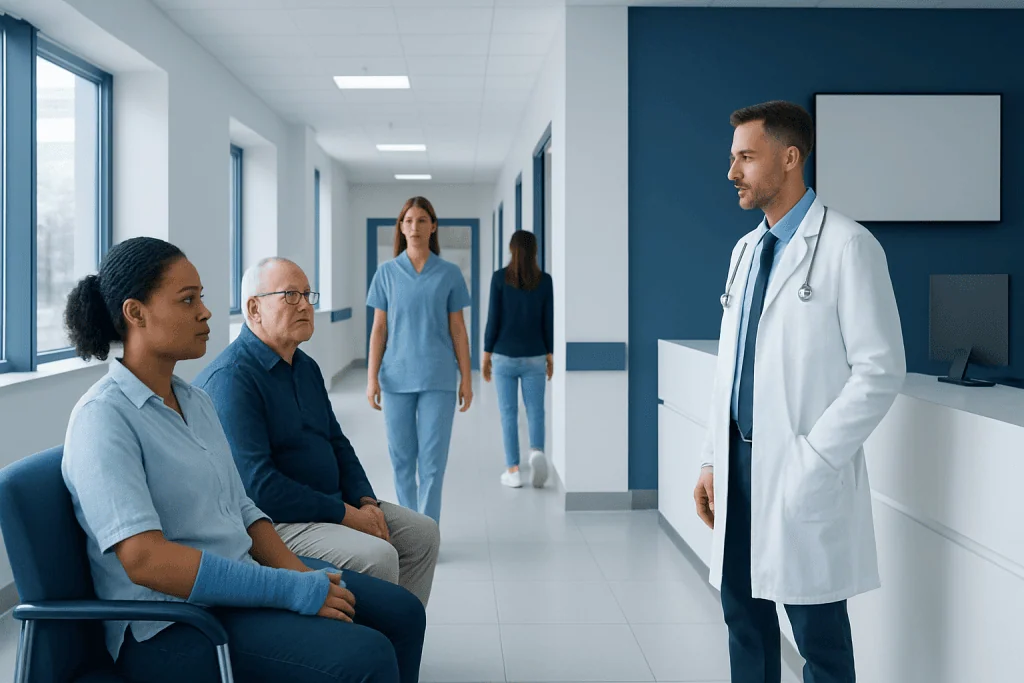
A greenstick fracture is an incomplete fracture in which one side of the bone cracks while the other side bends. It is most common in children and adolescents because growing bones are more flexible than adult bones.
Key Takeaways
- A greenstick fracture is an incomplete fracture in which one side of the bone cracks while the other side bends.
- It is most common in children and adolescents because growing bones are more flexible than adult bones.
- Pain, swelling, tenderness, and reduced use of the limb are common symptoms, even when the injury looks mild.
- Diagnosis usually involves a physical exam and X-rays to confirm the fracture pattern and alignment.
- Treatment often includes a splint or cast, while some cases need reduction to gently realign the bone.
- Early medical assessment helps prevent poor healing, ongoing pain, or a visible deformity.
A greenstick fracture is a partial break in which a bone bends and cracks instead of snapping all the way through. It is most common in children because their bones are softer and more flexible, and it usually heals well with prompt evaluation and proper immobilization.
Overview
A greenstick fracture is a type of incomplete bone break. Instead of breaking into two separate pieces, the bone bends and cracks on one side while the other side stays partly intact. This pattern is most often seen in children because their bones are more flexible than those of adults.
Many people think a fracture must involve a complete snap, but that is not always the case. In a greenstick fracture, the injury may appear less dramatic from the outside, yet the bone still needs proper medical assessment and support. Without treatment, the bone can heal in a poor position.
Greenstick fractures commonly affect the forearm, especially after a fall onto an outstretched hand, but they can also occur in other long bones. In most cases, recovery is very good when the injury is recognized early and managed appropriately by a qualified clinician.
How a Greenstick Fracture Differs From Other Broken Bones
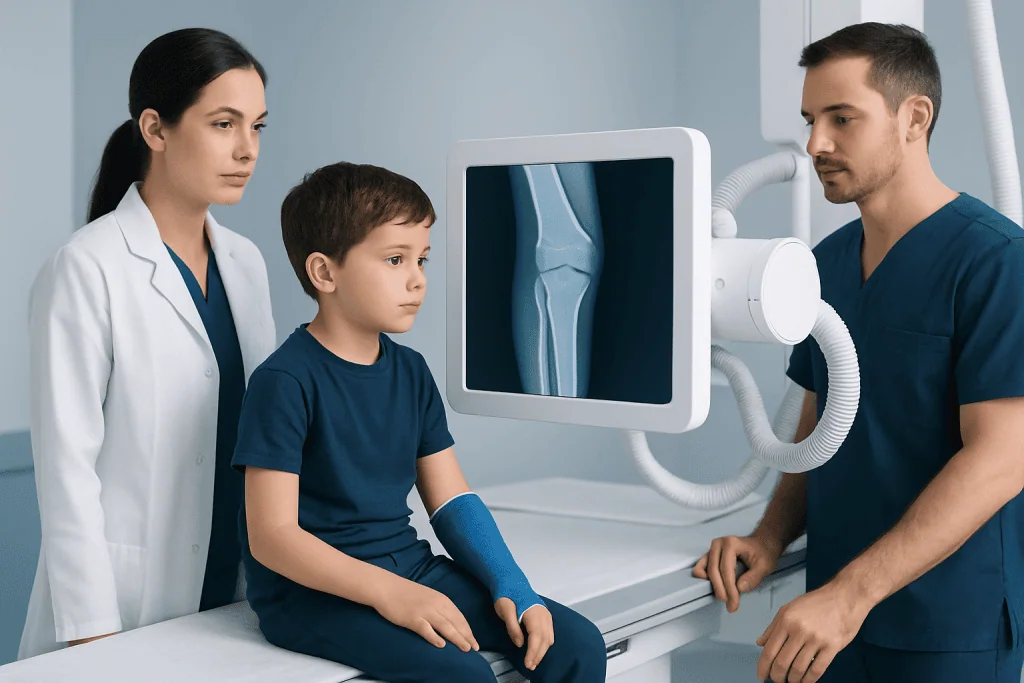
The name comes from the way a fresh green branch behaves when bent. A young branch often cracks on one side but does not break completely through. A child’s bone can respond in a similar way because it contains more collagen and has a thicker outer covering than an adult bone.
This makes a greenstick fracture different from a complete fracture, where the bone breaks all the way across. It also differs from a buckle fracture, in which the bone compresses and bulges rather than cracking on one side. Both injury patterns are seen in children, and accurate diagnosis matters because treatment plans may differ.
Doctors may also consider whether there is angulation, which means the bone has healed or is sitting at an abnormal angle. If needed, imaging helps distinguish a greenstick fracture from other injuries such as a sprain, growth plate injury, or a more complex bone fracture.
Symptoms and What Patients May Notice
Symptoms of a greenstick fracture can range from mild to more obvious. The injured area is usually painful and tender, and swelling may develop soon after the accident. A child may avoid moving the arm or leg, refuse to use it normally, or cry when the area is touched.
Some fractures cause visible bending or a change in the normal shape of the limb, while others do not. Bruising can occur, but it may not appear right away. Because the skin is usually not broken, parents may assume the injury is only a minor sprain or bruise.
Common signs include:
- Pain that gets worse with movement
- Swelling around the injured bone
- Tenderness to touch
- Reduced ability to bear weight or use the limb
- Possible deformity or unusual angulation
- Protecting the injured area or avoiding normal play
If there is severe pain, numbness, pale or cold fingers or toes, or a clearly misshapen limb, urgent medical evaluation is especially important.
Causes and Risk Factors
Greenstick fractures usually happen after a fall, direct blow, or sports-related injury. The forearm is particularly vulnerable when a child tries to break a fall with an outstretched hand. Bicycle accidents, playground injuries, and contact sports are common scenarios.
The main risk factor is age. Children and younger adolescents have bones that are still growing, so those bones are less brittle and more likely to bend before they break fully. This is why greenstick fractures are much less common in adults.
Other factors may increase the chance of injury, including high-impact activities, limited use of protective equipment, and poor bone health. In some cases, clinicians may look more closely at nutrition, vitamin D status, or other reasons for fragile bones if fractures happen repeatedly or after very minor trauma.
How Doctors Diagnose It
Diagnosis begins with a medical history and physical examination. The clinician asks how the injury happened, where the pain is located, and whether the child can move or use the limb. The exam checks for swelling, tenderness, deformity, and signs that nerves and blood flow are normal beyond the injury site.
X-rays are the main test used to confirm a greenstick fracture. They help show where the bone is cracked, how much it is bent, and whether nearby joints are affected. Sometimes more than one X-ray view is needed because an incomplete fracture can be subtle on a single image.
If the injury is near a joint or growth plate, the doctor may evaluate carefully for other pediatric fracture patterns. Imaging also helps guide treatment decisions, including whether simple immobilization is enough or whether the bone needs to be realigned before a cast is applied. Depending on the injury, care may involve orthopedic evaluation and follow-up imaging to make sure healing stays on track.
Treatment Options and Recovery
Treatment depends on the location of the fracture, the child’s age, and how much the bone is bent. Many greenstick fractures can be treated with a splint at first, followed by a cast to keep the bone stable while it heals. The goal is to protect the bone, reduce pain, and allow it to heal in the correct position.
If the fracture has significant angulation, a doctor may recommend reduction. This means gently straightening the bone before placing a cast. In children, this is often done with appropriate pain control or sedation when needed. Surgery is uncommon for a straightforward greenstick fracture, but it may be considered in unusual or unstable cases.
Healing is often quicker in children than in adults with comparable injuries. Follow-up visits are important because a child’s bone can shift during healing. Care teams may use pediatric orthopedic care or physical therapy and rehabilitation when stiffness or weakness needs extra support after the cast comes off.
During recovery, patients are usually advised to keep the cast dry, avoid high-risk activities, and return for repeat imaging if scheduled. Pain often improves within days, but full return to sports should wait until a clinician confirms that healing is adequate.
Self-care at Home and Prevention
At home, simple measures can help a child stay more comfortable while the bone heals. Resting the injured limb, elevating it when possible, and using the medicines recommended by the treating clinician can reduce discomfort. Ice may be helpful early on if advised, but it should not be placed directly on the skin or cast.
Families should watch for warning signs such as increasing pain, swelling that seems to worsen, numbness, tingling, or fingers and toes that become pale, blue, or unusually cold. A cast that feels too tight or becomes damaged should be reviewed promptly. It is also important not to insert objects inside a cast to scratch the skin.
Not every fracture can be prevented, but risk can be reduced. Helpful steps include:
- Using age-appropriate protective gear for sports and cycling
- Making play areas safer to reduce falls
- Encouraging good nutrition, including adequate calcium and vitamin D
- Supporting regular physical activity for bone strength
- Teaching children safe habits during play and sports
These steps support overall bone health, even though accidents can still happen.
When to Seek Medical Care
Medical care is recommended any time a child has ongoing pain, swelling, or trouble using a limb after a fall or direct impact. Even if the injury seems minor, a partial fracture can be easy to miss without an examination and X-ray. Early treatment lowers the chance of healing problems.
Urgent care is especially important if the limb looks bent, the pain is severe, movement is very limited, or the child cannot bear weight. Immediate attention is also needed if there is numbness, weakness, increasing swelling, changes in skin color, or concerns about circulation in the fingers or toes.
For children with repeated fractures or injuries that happen after only mild force, doctors may assess for underlying bone health issues. At the end of the care pathway, some families may benefit from follow-up with specialists in orthopedics. Acibadem International’s multidisciplinary specialists at JCI-accredited hospitals diagnose and treat fractures for international patients when this level of care is needed.
Frequently asked questions
Is a greenstick fracture a real broken bone?
Yes. A greenstick fracture is a true fracture, even though the bone is not broken all the way through. One side of the bone cracks while the other side bends, which is why it still needs medical assessment and treatment.
Why are greenstick fractures more common in children?
Children’s bones are softer and more flexible because they are still growing. That flexibility makes the bone more likely to bend and crack partially rather than break completely.
Can a greenstick fracture heal without a cast?
Some very mild injuries may first be placed in a splint, but many greenstick fractures still need a cast or another form of immobilization. The best approach depends on the bone involved and how much the fracture is angled.
How long does a greenstick fracture take to heal?
Healing time varies by age, bone, and severity, but children often heal within a few weeks to a couple of months. The treating clinician usually checks progress with follow-up visits and may repeat X-rays to confirm healing.
Can a child still move the limb with a greenstick fracture?
Sometimes yes. A child may still be able to move the arm or leg, especially if the fracture is incomplete and not badly displaced. Even so, pain, swelling, or reduced normal use should not be ignored after an injury.
What happens if a greenstick fracture is not treated?
Without treatment, the bone may heal in the wrong position, which can cause ongoing pain, visible angulation, or reduced function. Early diagnosis improves the chance of proper alignment and uncomplicated healing.
This article is for general information only and is not a substitute for professional medical advice. Please consult a qualified doctor about your individual situation.
Joint and spine care in Turkey — expert assessment & treatment
JCI-accredited · board-certified surgeons · reply within 24h
Add us as a Preferred Source to see more of our trusted health content across Google Search, AI Overviews and Discover.

More from the Health Library

GERD Effect on Stool: An Evidence-Based Guide for Patients
Cryotherapy Benefits: A Complete Medical Overview
Bloating: What Patients Need to Know
Catatonia: An Evidence-Based Guide for Patients
Weight Loss Plateau — Explained by Medical Evidence, Not Myths
Bike Health: An Evidence-Based Guide for Patients
Orthopedic Surgery & Traumatology Specialists at Acibadem

Dr. Ali Osman Çiçek
Orthopedic Surgery & Traumatology
Assoc. Prof. Dr. Ali Şahin
Orthopedic Surgery & Traumatology
Dr. Alp Er Tunga Bölükbaşı
Orthopedic Surgery & Traumatology
Dr. Alper Gölpınar
Orthopedic Surgery & Traumatology