Guillain Barre Syndrome: Diagnosis, Outlook, and Modern Treatment Approaches
Guillain barre syndrome usually begins with tingling or weakness that often starts in the legs and can spread upward. It is considered a medical urgency because symptoms can worsen over hours to days and may affect breathing or swallowing.
Key Takeaways
- Guillain barre syndrome usually begins with tingling or weakness that often starts in the legs and can spread upward.
- It is considered a medical urgency because symptoms can worsen over hours to days and may affect breathing or swallowing.
- Diagnosis is based on symptoms, neurological examination, nerve testing, and supportive tests such as spinal fluid analysis.
- Modern treatment focuses on hospital monitoring, immunotherapy, and rehabilitation rather than a single cure.
- Many people improve over time, but recovery may take weeks to months and sometimes longer.
Guillain barre syndrome is a rare autoimmune nerve disorder that can cause rapidly developing weakness, tingling, and trouble walking. Prompt diagnosis, close monitoring, and treatments such as immunotherapy and rehabilitation can support recovery and reduce complications.
Overview
Guillain barre syndrome is a rare condition in which the body’s immune system mistakenly attacks the peripheral nerves. These nerves carry signals between the brain, spinal cord, muscles, and skin. When they become inflamed or damaged, a person may develop tingling, weakness, reduced reflexes, and in more severe cases difficulty breathing, swallowing, or moving.
The condition often comes on relatively quickly, which is one reason it requires urgent medical attention. Symptoms may begin mildly and then progress over hours or days. Although this can feel alarming, modern hospital care has greatly improved safety through careful monitoring, timely treatment, and early rehabilitation.
Guillain barre syndrome is not a single identical illness in every person. It includes several related forms that affect nerves in slightly different ways. Some people mainly develop weakness in the legs that moves upward, while others may have facial weakness, balance problems, or changes in sensation.
Most people reach the worst point of weakness within a few weeks, after which the disease usually stabilizes and recovery begins. Because the course can vary, each patient benefits from an individualized care plan that may involve neurologists, intensive care teams, physiatrists, physical therapists, and respiratory specialists.
Symptoms and how it may progress
The earliest symptoms of guillain barre syndrome often include tingling, pins-and-needles sensations, or numbness in the feet and hands. Weakness commonly starts in the legs and may spread upward to the arms and face. Some people notice climbing stairs becomes difficult, walking feels unsteady, or they cannot grip objects as firmly as usual.
As the disorder progresses, reflexes usually become reduced or absent. Pain can also occur, especially aching or nerve pain in the back, legs, or muscles. In some cases, facial muscles are affected, leading to trouble smiling, closing the eyes fully, speaking clearly, or swallowing comfortably.
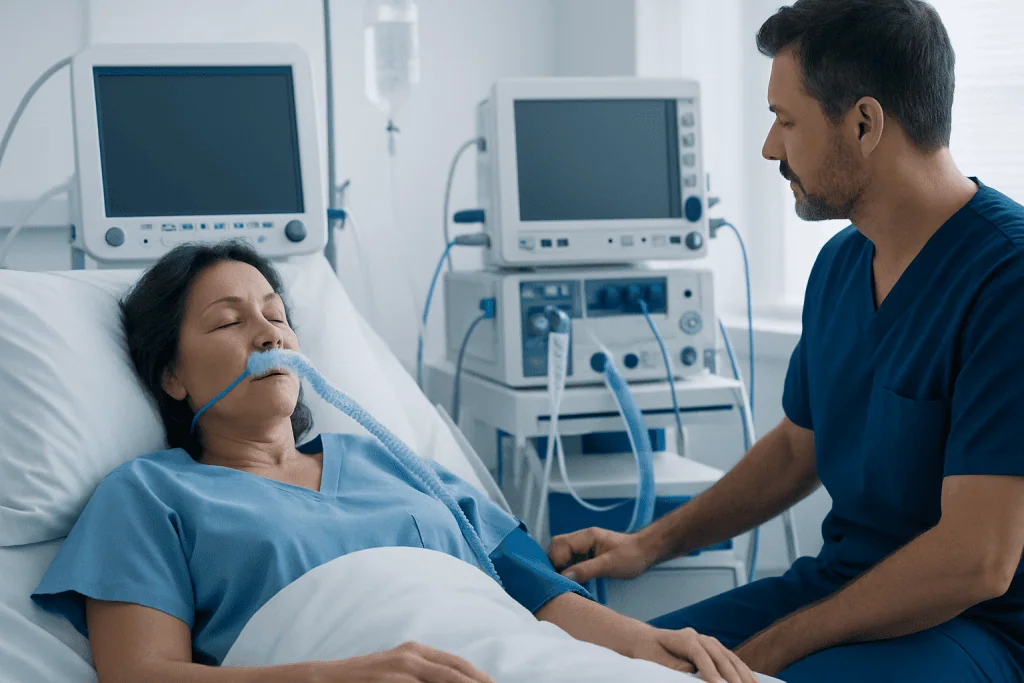
More severe symptoms may involve the nerves that control automatic body functions. This can cause changes in blood pressure, heart rate abnormalities, bowel or bladder problems, or breathing weakness. These complications are a key reason many patients need treatment and monitoring in the hospital, even if symptoms seem manageable at first.
- Tingling or numbness in the feet, legs, hands, or arms
- Rapidly increasing weakness, usually starting in the legs
- Difficulty walking, climbing stairs, or standing up
- Reduced or absent reflexes
- Facial weakness, trouble speaking, chewing, or swallowing
- Back pain or nerve-related pain
- Shortness of breath or difficulty taking a deep breath
Causes and risk factors

The exact cause of guillain barre syndrome is an abnormal immune response. In many people, symptoms begin days or weeks after an infection, most often a respiratory or gastrointestinal illness. The immune system appears to react to the earlier infection and then mistakenly targets parts of the peripheral nerves or their protective covering.
Not everyone with a recent infection will develop guillain barre syndrome, and many people with the condition had only a routine illness beforehand. Less commonly, surgery, vaccination, or other immune triggers may precede the syndrome, but in many cases no single clear trigger is identified. The condition itself is not contagious.
Different subtypes can affect different parts of the nerve. Some involve damage mainly to the myelin sheath, while others affect the nerve fiber itself. This difference can influence the pattern of weakness, the speed of recovery, and findings on nerve conduction studies.
Doctors also consider other conditions that can mimic or overlap with nerve weakness, such as multiple sclerosis or muscle disorders, although guillain barre syndrome affects the peripheral nerves rather than the central nervous system. Careful neurological assessment helps distinguish among these possibilities.
How diagnosis is made
Diagnosis begins with a detailed history and neurological examination. Doctors ask when the symptoms started, how quickly they are worsening, whether they began after an infection, and whether there are issues with breathing, swallowing, or bladder control. The examination usually looks for patterns of weakness, altered sensation, and reduced reflexes.
There is no single test that alone confirms every case. Instead, doctors combine the clinical picture with supportive investigations. Nerve conduction studies and electromyography can show how well the peripheral nerves and muscles are functioning. These tests can help confirm the diagnosis, identify the subtype, and rule out other nerve conditions.
Spinal fluid testing through lumbar puncture may show a pattern often seen in guillain barre syndrome: elevated protein with relatively few inflammatory cells. Blood tests may be used to look for recent infections, metabolic causes of weakness, or alternative diagnoses. In some patients, imaging is used to exclude structural problems affecting the spine or brain.
Because the condition can progress quickly, diagnosis often continues alongside active monitoring rather than waiting for every result. If weakness is advancing or breathing tests show declining respiratory strength, hospital care is typically recommended while evaluation is completed. This neurological workup may take place within a specialized neurology service when available.
Modern treatment approaches
Treatment for guillain barre syndrome focuses on stopping or reducing the immune attack, supporting vital functions, and helping the body recover. The two main evidence-based immunotherapies are intravenous immunoglobulin and plasma exchange. These treatments do not work like an instant cure, but they can shorten the active phase of the illness and improve outcomes when used appropriately.
Intravenous immunoglobulin involves giving concentrated antibodies through a vein over several days. Plasma exchange, also called plasmapheresis, removes and replaces part of the blood plasma to reduce harmful immune factors. Doctors choose between these options based on the patient’s clinical condition, timing, and overall medical needs. In selected cases, supportive hospital treatment remains just as important as immunotherapy itself.
Supportive care may include breathing assessment, oxygen support, swallowing evaluation, heart rhythm monitoring, pain management, blood clot prevention, nutrition support, and assistance with mobility. Some people need intensive care if breathing muscles become weak or if there are unstable blood pressure or heart rate changes. If prolonged breathing support is required, intensive care teams may be involved closely in day-to-day management.
Recovery usually continues after the acute phase, making rehabilitation a central part of modern treatment. Physical therapy, occupational therapy, and in some cases speech and swallowing therapy help restore strength, function, endurance, and confidence. For many patients, a structured physical therapy and rehabilitation plan is an important step toward returning to daily life.
Outlook, recovery, and daily life
The outlook for guillain barre syndrome is often better than many people fear at the time of diagnosis. Most patients improve, especially with prompt medical care and rehabilitation. However, recovery can be gradual, and the timeline varies widely. Some people regain function over weeks, while others need many months to continue recovering strength, stamina, and nerve function.
It is common to feel tired during recovery, even after strength begins to return. Residual numbness, pain, balance problems, or weakness may persist for some time. Follow-up with a neurologist and rehabilitation team helps track improvement, adjust exercises, and address symptoms that affect sleep, mobility, or emotional well-being.
A smaller number of patients may have longer-lasting disability or slower nerve healing. This does not always mean recovery has stopped; nerves can recover gradually. Realistic goals, pacing, good nutrition, safe activity, and regular reassessment often help people make steady progress without overexertion.
Families and caregivers also play an important role. Practical help with transportation, home safety, exercises, and emotional support can ease the recovery period. Near the end of treatment planning, some international patients choose care in multidisciplinary centers; Acibadem International’s JCI-accredited hospitals provide diagnosis, treatment, and rehabilitation support for people with complex neurological conditions.
Prevention, self-care, and when to seek medical care
There is no guaranteed way to prevent guillain barre syndrome because it usually follows an unpredictable immune response. General infection-prevention habits such as hand hygiene, food safety, and staying up to date with routine medical care may reduce some infection-related risks, but they cannot fully prevent the condition. People who have had guillain barre syndrome before should discuss future vaccines, illnesses, and medical procedures with their doctor on an individual basis.
Self-care during recovery is mainly supportive. Patients are often advised to follow the rehabilitation plan, protect weak muscles from overuse, maintain hydration and balanced nutrition, and use mobility aids if recommended. Rest is important, but so is gradual movement under professional guidance to avoid deconditioning and stiffness.
Medical care should be sought urgently if there is rapidly increasing weakness, new difficulty walking, trouble lifting the feet, facial drooping, swallowing problems, or shortness of breath. Emergency evaluation is especially important if a person cannot take a full breath, cannot stand safely, or has sudden worsening over a short time. These signs may indicate a condition that needs immediate hospital monitoring.
Even milder symptoms deserve prompt attention when tingling and weakness are spreading over days. Doctors may also evaluate related nerve and brain disorders, including Parkinson's disease, when symptoms suggest another cause of movement difficulty. Early assessment gives the best chance to recognize guillain barre syndrome quickly and begin appropriate treatment.
Frequently asked questions
Is guillain barre syndrome an emergency?
It is generally treated as a medical urgency because weakness can progress quickly and may affect breathing, swallowing, or heart rate. Anyone with rapidly worsening weakness, trouble walking, or shortness of breath should seek prompt medical care.
What usually triggers guillain barre syndrome?
Many cases happen after a respiratory or gastrointestinal infection, although the exact trigger is not always identified. The condition develops when the immune system mistakenly attacks peripheral nerves after responding to a trigger.
Can guillain barre syndrome be cured?
There is no instant cure, but effective treatments can reduce the immune attack and support recovery. Many people improve significantly over time with hospital care, monitoring, and rehabilitation.
How long does recovery take?
Recovery varies from person to person. Some people improve over weeks, while others continue recovering for months or longer, especially if the initial weakness was severe.
Does guillain barre syndrome always cause paralysis?
No. Some people develop moderate weakness and sensory symptoms without complete paralysis, while others have more severe loss of movement. The degree of nerve involvement differs between patients.
Can guillain barre syndrome come back?
Recurrence is uncommon, but it can happen in a small number of people. Anyone with new tingling or weakness after a previous episode should contact a doctor promptly for evaluation.
References
- National Institute of Neurological Disorders and Stroke
- Mayo Clinic
- National Health Service
- Cleveland Clinic
- Centers for Disease Control and Prevention
This article is for general information only and is not a substitute for professional medical advice. Please consult a qualified doctor about your individual situation.
Joint and spine care in Turkey — expert assessment & treatment
JCI-accredited · board-certified surgeons · reply within 24h
Add us as a Preferred Source to see more of our trusted health content across Google Search, AI Overviews and Discover.
Check your numbers in seconds
BMI, calories, due date, blood pressure and 30+ more clinical calculators — free, instant, doctor-reviewed ranges.