

Gum Recession Treatment: When It Is Needed and What Results Are Realistic

Not all gum recession needs surgery, but all recession should be assessed by a dentist. Treatment aims to stop progression, reduce symptoms, and protect exposed tooth roots.
Key Takeaways
- Not all gum recession needs surgery, but all recession should be assessed by a dentist.
- Treatment aims to stop progression, reduce symptoms, and protect exposed tooth roots.
- Realistic results depend on the cause, severity, oral hygiene, and the chosen procedure.
- Gum grafting can improve coverage, but complete root coverage is not always possible.
- Early care offers the best chance of preserving gum tissue and avoiding complications.
Gum recession treatment can protect teeth, reduce sensitivity, and improve gum health when the gumline pulls away from the teeth. The best approach depends on how severe the recession is, what caused it, and whether there is ongoing gum disease or tooth damage.
Overview: What Gum Recession Treatment Means
Gum recession happens when the gum tissue around a tooth pulls back or wears away, exposing more of the tooth or its root. This can affect one tooth or several teeth. Many people first notice that their teeth look longer, feel more sensitive, or have a notch near the gumline.
Gum recession treatment is not one single procedure. It is a range of dental and periodontal treatments used to manage the cause of recession, relieve symptoms, protect exposed roots, and improve the stability of the gums. In some cases, treatment is mainly preventive and focuses on stopping further damage. In other cases, a surgical procedure such as a gum graft may be advised.
Receding gums are common and often develop gradually. Because the change can be slow, a person may not realize it is happening until sensitivity or cosmetic concerns appear. A professional dental examination is important because recession can be linked to brushing habits, bite pressure, teeth grinding, gum disease, thin gum tissue, or aging-related changes.
For some people, recession is mostly a cosmetic issue. For others, it increases the risk of root decay, persistent sensitivity, plaque buildup, and further support loss around the teeth. This is why an early assessment through general dentistry evaluation and gum health care can be helpful.
Symptoms and Signs of Receding Gums
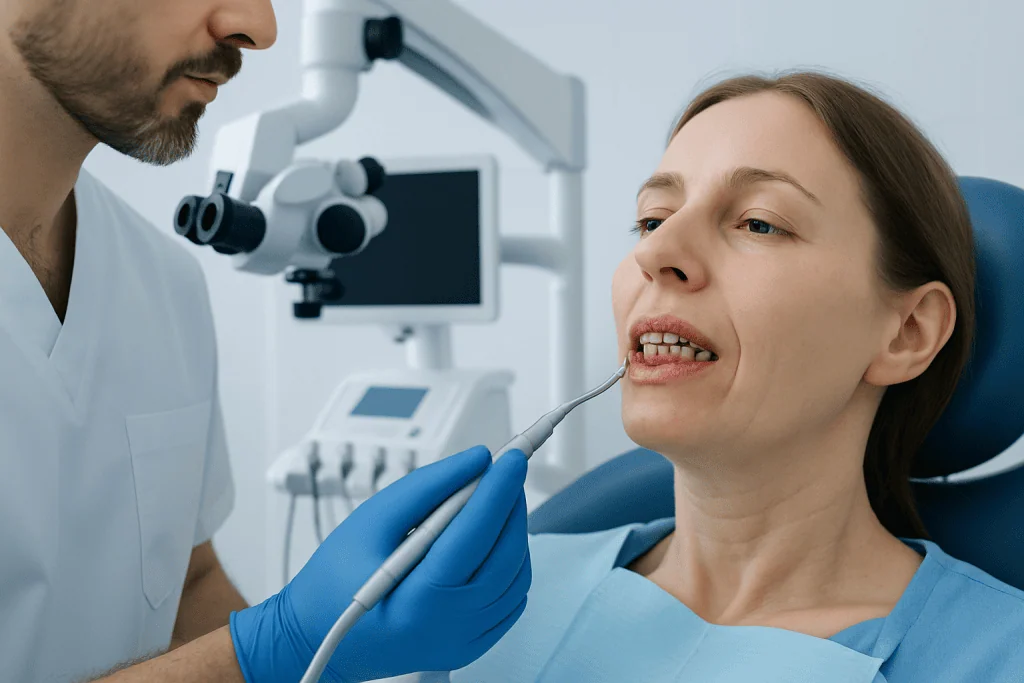
Gum recession does not always cause pain, especially in the early stages. The most common sign is that one or more teeth look longer than before. Some people notice uneven gumlines, small gaps near the teeth, or root surfaces that appear more yellow than the enamel-covered part of the tooth.
Tooth sensitivity is also common. Exposed roots are less protected than enamel and may react to cold air, cold drinks, hot foods, sweet foods, or brushing. Some people experience a sharp, brief discomfort, while others describe a dull ongoing sensitivity.
Other possible signs include tenderness near the gumline, bleeding related to gum inflammation, plaque collecting more easily around the exposed area, or a notch-shaped defect where the tooth meets the gum. If gum disease is present, there may also be redness, swelling, bad breath, or loose teeth.
- Teeth appearing longer than usual
- Visible root surfaces
- Cold or sweet sensitivity
- Bleeding or inflamed gums
- Changes in the appearance of the smile
- Grooves or wear near the gumline
Causes and Risk Factors
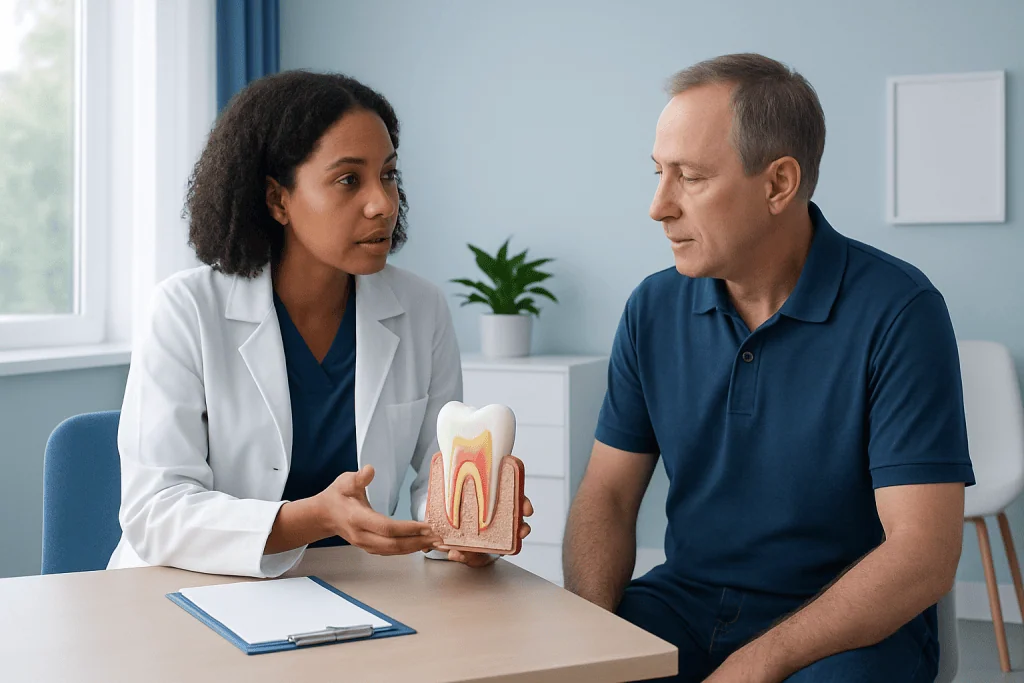
There is rarely just one cause of gum recession. In many cases, several factors act together over time. A common cause is periodontal disease, in which inflammation and infection damage the supporting tissues around the teeth. Recession may also occur in people who brush too hard or use a toothbrush technique that repeatedly traumatizes the gumline.
Mechanical pressure on the teeth can also play a role. Clenching and grinding may increase stress on the teeth and surrounding tissues, especially when combined with an uneven bite. If a dentist suspects this pattern, assessment for bruxism may be useful as part of the overall plan.
Some people naturally have thin gum tissue or bone around certain teeth, making recession more likely even with good hygiene. Teeth that are crowded, rotated, or positioned outside the ideal arch can be at higher risk. Smoking, tobacco use, hormonal changes, poorly controlled diabetes, and previous dental work that irritates the gum margin can also contribute.
Age is another factor, because gum tissue can become more vulnerable over time. However, recession is not simply an inevitable part of aging. With careful plaque control, gentle brushing, and regular dental care including professional dental hygiene, progression may often be slowed or prevented. People who want more background on the condition itself may also read about gum recession.
When Treatment Is Needed
Treatment is usually recommended when recession is progressing, causing sensitivity, exposing the root, trapping plaque, or affecting appearance in a way that concerns the patient. A dentist or periodontist looks not only at how much gum has receded, but also at whether there is active inflammation, bone loss, decay on the root surface, or an ongoing habit that will keep causing damage.
Not every case requires surgery. Mild recession without symptoms may be monitored if the gums are healthy and the cause can be corrected. For example, switching to a softer brushing technique, treating plaque buildup, or using products for sensitive teeth may be enough. If a person has active gum disease, controlling that disease is the priority before considering cosmetic root coverage.
Treatment becomes more important when exposed roots are at risk of wear or decay, when the gumline continues to move apically, or when recession affects comfort during eating and brushing. Recession around a single tooth can also matter if that tooth has a high smile-line or is vulnerable because of thin surrounding tissue.
People sometimes ask whether treatment is only cosmetic. In reality, it can be both functional and aesthetic. Covering a root may reduce sensitivity and improve plaque control, but results are influenced by tissue thickness, tooth position, and the health of the surrounding bone and gums.
How Dentists Diagnose Gum Recession
Diagnosis begins with a clinical examination. The dentist measures how far the gum margin has moved, checks the depth of the gum pockets, and looks for bleeding, plaque, calculus, tooth wear, and signs of trauma. The shape of the recession, the amount of attached gum, and the position of the tooth are all important for planning treatment.
The dentist will also review brushing habits, symptoms of sensitivity, smoking status, medical conditions, and any history of orthodontic treatment or bite problems. X-rays may be taken to evaluate the bone around the teeth and to look for root problems or decay below the gumline. Digital imaging may help document changes over time.
A key part of diagnosis is identifying whether the recession is stable or active. Stable recession may simply need maintenance, while active recession often needs more direct treatment. If there is inflamed tissue, deep periodontal pockets, or mobility, those issues are addressed first.
Because treatment planning is individualized, the clinician explains what can realistically be achieved. In some situations, the goal is complete root coverage. In others, the main goal is to thicken the tissue, reduce symptoms, or stop the recession from worsening rather than to make the gumline look exactly as it once did.
Treatment Options and Realistic Results
Treatment depends on the cause and severity. The first step is often non-surgical care: improving home brushing technique, reducing inflammation, removing plaque and tartar, and managing contributing factors such as grinding or ill-fitting restorations. Desensitizing toothpastes, fluoride applications, or bonding materials may help protect exposed roots and reduce discomfort.
If recession is linked to gum disease, periodontal therapy is needed to control the infection and create a healthier environment for the gums. In selected cases, the root surface may be cleaned and smoothed, and the patient is then monitored. Some people also benefit from small restorations at the gumline when root surfaces are worn or decayed.
When recession is more advanced, a periodontist may recommend surgery. Gum graft procedures use tissue taken from the patient’s mouth or a donor material to cover exposed roots or thicken the gum tissue. Other techniques may reposition existing gum tissue. These procedures can improve root coverage, comfort, and appearance, especially when the recession is localized and the surrounding anatomy is favorable. For smile-related concerns, some people may also discuss gingival aesthetic approaches with their dental team.
Results vary from person to person. It is important to have realistic expectations: treatment can often reduce sensitivity, improve the gumline, and help stabilize the area, but complete and permanent restoration of the original gum contour is not always possible. Long-term success depends on plaque control, smoking status, bite forces, and regular follow-up. If severe recession has contributed to tooth loss or a tooth cannot be saved, replacement options such as dental implants may sometimes be considered after the gums are healthy.
Prevention, Self-care, and Recovery
Good self-care is central both to prevention and to maintaining treatment results. Brushing should be thorough but gentle, using a soft-bristled toothbrush and small circular or sweeping motions rather than aggressive horizontal scrubbing. Daily cleaning between the teeth is also important, but it should be done carefully to avoid injuring the gums.
Regular dental visits allow early detection of recession and help remove plaque and tartar that cannot be removed at home. A dentist or hygienist can demonstrate the best brushing technique, recommend tools suited to the person’s mouth, and monitor whether the recession is stable. People who grind their teeth may be advised to use a night guard or seek further bite assessment.
After gum recession treatment, especially after grafting, healing takes time. Patients are usually advised to follow the dentist’s instructions closely, which may include temporary diet changes, modified cleaning around the surgical site, and follow-up visits. During recovery, gentle care is essential to protect the healing tissue.
Stopping tobacco use, controlling diabetes, and addressing dry mouth can also support gum health. A steady preventive routine is often what makes the biggest difference over time, because even well-performed treatment can fail if the original cause continues.
When to See a Dentist
A person should arrange a dental visit if they notice that teeth look longer, sensitivity has increased, the gumline appears uneven, or gums bleed regularly. These changes do not always mean there is serious disease, but they do deserve evaluation. Early treatment is often simpler and may help preserve more natural tissue.
Prompt assessment is especially important if recession is getting worse, if there is pain with chewing or brushing, or if a tooth feels loose. Ongoing bad breath, swelling, pus, or marked redness may suggest infection and should not be ignored. A dentist can determine whether the issue is primarily recession, periodontal disease, tooth wear, or a combination of factors.
People who are unhappy with the look of their gumline can also seek advice even if symptoms are mild. A consultation can clarify whether the concern is aesthetic, functional, or both, and what results are likely with non-surgical or surgical care. In international care settings, Acibadem International’s multidisciplinary dental specialists in JCI-accredited hospitals diagnose and treat gum recession for patients seeking comprehensive assessment and treatment planning.
The most helpful step is not to wait for severe symptoms. Receding gums are often easier to manage when they are identified early and the cause is addressed before more tissue is lost.
Frequently asked questions
Can receding gums grow back on their own?
Lost gum tissue usually does not grow back by itself. However, treatment can often stop recession from progressing and may improve coverage in selected cases. A dentist can explain whether monitoring, non-surgical care, or gum grafting is most appropriate.
Does gum recession always need surgery?
No. Mild or stable recession may be managed with improved oral hygiene, professional cleaning, desensitizing care, and correction of contributing habits. Surgery is usually considered when roots are exposed, symptoms are significant, recession is progressing, or appearance is an important concern.
Is gum graft surgery painful?
The procedure is usually done with local anesthesia, so the area is numbed during treatment. Some soreness or discomfort afterward is common, but many people find it manageable with the aftercare plan provided by their dental team. Recovery instructions are important for comfort and healing.
What results are realistic after gum recession treatment?
Many patients can expect less sensitivity, better root protection, and improved gum appearance. In favorable cases, root coverage can be substantial, but complete coverage is not guaranteed. The final result depends on the anatomy of the tooth, tissue thickness, oral hygiene, and the underlying cause.
Can brushing too hard cause gum recession?
Yes, aggressive brushing can contribute to gum recession, especially along the outer surfaces of the teeth. Using a soft-bristled brush and a gentle technique may help prevent further damage. A dentist or hygienist can demonstrate a safer brushing method.
Can gum recession lead to tooth loss?
Gum recession itself does not always cause tooth loss, but it can be associated with conditions that threaten tooth support, especially periodontal disease. Exposed roots are also more vulnerable to decay and wear. Early treatment can help protect the teeth and supporting tissues.
References
- American Dental Association
- American Academy of Periodontology
- National Institute of Dental and Craniofacial Research
- Mayo Clinic
- NHS
This article is for general information only and is not a substitute for professional medical advice. Please consult a qualified doctor about your individual situation.
Gum Recession in Turkey — costs, top hospitals & a free quote
JCI-accredited · board-certified surgeons · reply within 24h
Add us as a Preferred Source to see more of our trusted health content across Google Search, AI Overviews and Discover.

Dental & Oral Health
Full-scope dental care from implants and aesthetics to oral and maxillofacial surgery.
158 specialists in this unitRelated Treatments
More from the Health Library



Related Specialists

Assoc. Prof. Dr. Ferit Bayram
Oral & Dental Health
Assoc. Prof. Dr. Yeliz Çavuşoğlu Yüce
Oral & Dental Health
Assoc. Prof. Dr. Mutlu Keskin
Oral & Dental Health
Prof. Dr. Ülkü Noyan
Oral & Dental Health