Gurgling Stomach and Diarrhoea — Explained by Medical Evidence, Not Myths

Gurgling sounds usually come from normal bowel movement, but they may become more noticeable during diarrhoea. Common causes include viral gastroenteritis, food intolerance, dietary triggers, medicines, and irritable bowel syndrome.
Key Takeaways
- Gurgling sounds usually come from normal bowel movement, but they may become more noticeable during diarrhoea.
- Common causes include viral gastroenteritis, food intolerance, dietary triggers, medicines, and irritable bowel syndrome.
- Hydration is the first priority when diarrhoea is present, especially in children, older adults, and people with chronic illness.
- Blood in the stool, high fever, severe abdominal pain, signs of dehydration, or symptoms lasting more than a few days need medical attention.
- Diagnosis depends on the pattern of symptoms and may include stool tests, blood tests, or evaluation for ongoing digestive conditions.
Gurgling stomach and diarrhoea often happen when the intestines are moving fluid, gas, and digested food more quickly than usual. In many cases this is due to a short-term stomach bug, food intolerance, stress, or another common digestive trigger, but persistent or severe symptoms should be assessed by a doctor.
What gurgling stomach and diarrhoea usually mean
Gurgling stomach and diarrhoea most often mean that the intestines are moving contents along faster than usual. The gurgling sound, sometimes called borborygmi, is produced when gas and liquid shift through the stomach and bowel. During diarrhoea, there is more fluid in the intestines and the bowel often contracts more actively, so these sounds can become louder or easier to notice.
This symptom combination is common and, in many people, short-lived. A temporary viral infection, food intolerance, dietary upset, or stress-related gut sensitivity can all cause increased bowel activity. Not every episode points to a serious illness, but the full pattern matters: how long symptoms last, whether there is pain or fever, and whether dehydration is developing.
It is also helpful to understand what this symptom does not automatically mean. Stomach noises alone do not confirm an ulcer, parasite, or “toxin buildup,” and diarrhoea is not always caused by food poisoning. Evidence-based assessment focuses on timing, triggers, associated symptoms, medical history, and, when needed, testing rather than myths or assumptions.
How the bowel creates gurgling sounds
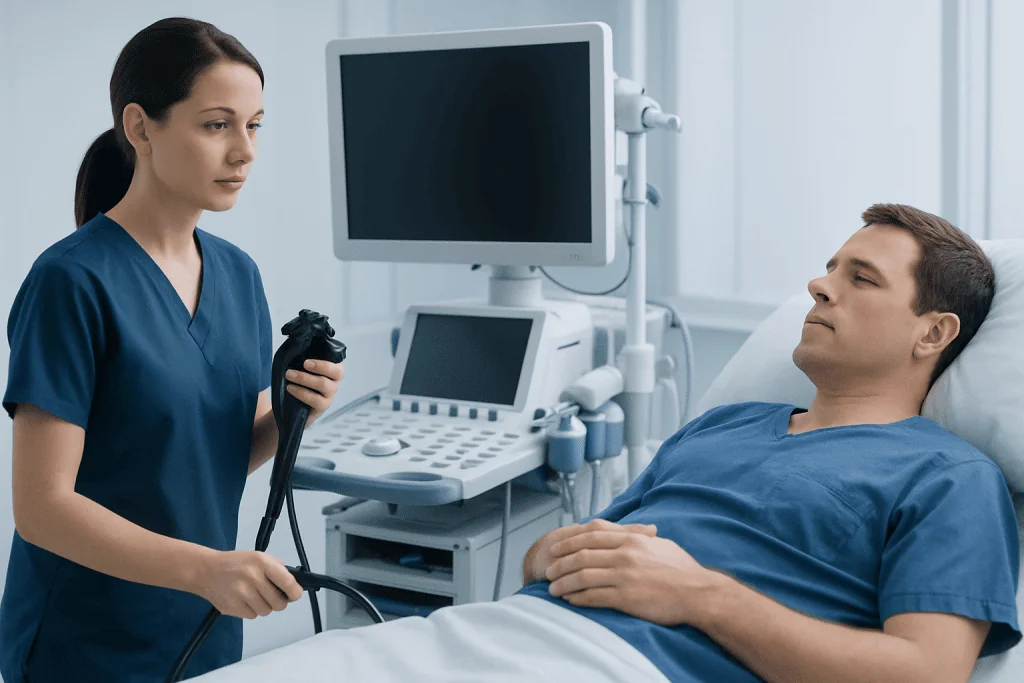
The digestive tract is a muscular tube. As it contracts, it mixes food, digestive fluids, and gas and moves them forward. These coordinated contractions are normal and happen throughout the day, whether a person has recently eaten or not. In quiet settings, many healthy people can hear occasional rumbling or bubbling sounds.
When diarrhoea develops, the small intestine or colon may absorb less water or may push contents onward more quickly. This leaves more liquid in the bowel and creates a noisier environment. If gas is also present from swallowed air, fermentation of certain foods, or imbalance in digestion, the result may be a very audible gurgling sensation together with urgency, loose stools, or cramping.
The location of the sound is not always a reliable clue. People may describe noises as coming from the stomach, but the sound often arises lower down in the intestines. What matters more is whether the noises are accompanied by symptoms such as pain, vomiting, fever, bloating, weight loss, or blood in the stool.
Common causes and possible risk factors

Several common digestive problems can cause gurgling stomach and diarrhoea. Acute viral gastroenteritis is one of the most frequent causes, especially when symptoms start suddenly and improve within a few days. Bacterial foodborne illness is another possibility, particularly if there has been suspicious food, travel, fever, or significant abdominal cramps. Some people develop temporary diarrhoea after antibiotics or other medicines that affect the gut.
Food-related triggers are also common. Lactose intolerance, sensitivity to certain fermentable carbohydrates, excess artificial sweeteners, very fatty meals, or heavy caffeine intake can all increase bowel activity and gas. In some people, recurrent symptoms fit a functional gut disorder such as irritable bowel syndrome, where the bowel is more sensitive and reactive even though routine tests may be normal.
Longer-lasting or repeated episodes may suggest an underlying digestive condition rather than a simple short-term upset. Examples include inflammatory bowel diseases such as Crohn’s disease, celiac disease, chronic infections, pancreatic problems, or bile acid-related diarrhoea. Risk factors that make evaluation more important include older age, weakened immunity, recent hospital stay, recent antibiotic use, international travel, chronic gastrointestinal disease, or unintentional weight loss.
- Short-term causes: viral gastroenteritis, food poisoning, medicine side effects, dietary triggers
- Recurrent causes: IBS, food intolerance, stress-related gut sensitivity
- Less common but important causes: inflammatory bowel disease, malabsorption, chronic infection
Symptoms that can occur alongside diarrhoea
Gurgling stomach and diarrhoea may appear with several other symptoms, and these can help guide what the cause is likely to be. Cramping, bloating, nausea, urgency, increased gas, and mild tiredness are common in straightforward infectious or dietary causes. In many cases, symptoms improve as hydration is maintained and the bowel settles.
Some associated symptoms suggest a stronger need for medical assessment. Fever, repeated vomiting, black stools, blood or mucus in the stool, severe abdominal tenderness, or pain that wakes a person from sleep can indicate a more significant problem. If diarrhoea persists beyond a few days or keeps returning, it may need investigation even when symptoms are not dramatic.
Dehydration is one of the most important complications to watch for. Warning signs include dizziness, very dry mouth, reduced urination, unusual sleepiness, weakness, or a fast heartbeat. Babies, young children, pregnant women, older adults, and people with kidney disease or diabetes can become dehydrated more quickly and should be monitored carefully.
How doctors evaluate the cause
Diagnosis begins with a detailed history. A doctor will usually ask when the symptoms started, how many bowel movements are happening, what the stool looks like, whether there is fever or vomiting, and whether certain foods seem to trigger the problem. Travel, recent antibiotic use, contact with sick people, medication history, and family history of bowel disease can all provide useful clues.
Physical examination may include checking hydration, abdominal tenderness, bowel sounds, temperature, and overall condition. Many short, mild episodes do not need extensive testing. However, stool tests may be appropriate if there is blood, fever, prolonged diarrhoea, suspected infection, or concern about inflammation. Blood tests can help assess dehydration, inflammation, anemia, electrolyte imbalance, or signs of celiac disease.
If symptoms are persistent or recurrent, a doctor may recommend further gastrointestinal evaluation. Depending on the situation, this could include imaging or endoscopic examination such as colonoscopy to look directly at the colon, or upper digestive assessment such as endoscopy when symptoms suggest a problem higher in the digestive tract. In some cases, the overall workup is done through a specialist review in gastroenterology care.
Treatment and self-care based on the cause
Treatment depends on why gurgling stomach and diarrhoea are happening. For many short-term cases, the most important steps are rest, adequate fluids, and a gradual return to simple foods as tolerated. Oral rehydration solutions can be especially helpful if there have been multiple loose stools, vomiting, or signs of fluid loss. It is usually better to take small, frequent sips than large amounts at once if nausea is present.
Diet can be adjusted temporarily to reduce irritation. Bland, easy-to-digest foods may be better tolerated for a day or two, while very greasy meals, excess dairy if lactose intolerance is suspected, alcohol, and heavy caffeine are often best avoided until the bowel settles. Some people notice that a food diary helps identify repeat triggers such as lactose, high-fructose foods, or artificial sweeteners.
Medical treatment may include targeted therapy for infection, management of underlying inflammation, review of medicines that may be contributing, or support for chronic conditions such as IBS. Over-the-counter anti-diarrhoeal medicines are not suitable for everyone, especially if there is fever or blood in the stool, so they should be used with caution and according to professional advice. If symptoms are ongoing, tailored treatment is more effective than repeated self-treatment based on guesses.
When to seek medical care
Medical care is recommended if gurgling stomach and diarrhoea are accompanied by red-flag symptoms or if the illness is not settling as expected. A doctor should be contacted promptly if there is blood in the stool, black stool, severe or localized abdominal pain, high fever, repeated vomiting, fainting, confusion, or clear signs of dehydration. Symptoms lasting more than a few days, or recurring often, also deserve medical review.
Extra caution is needed for infants, older adults, pregnant women, and people with reduced immunity or chronic disease. These groups may become dehydrated faster or may have a higher risk of complications from infection. Recent travel, recent antibiotic use, or known inflammatory bowel disease can also change how urgently symptoms should be assessed.
For international patients who need evaluation, Acibadem International’s multidisciplinary specialists and JCI-accredited hospitals assess digestive symptoms and related conditions using evidence-based care. The aim is to identify whether symptoms reflect a temporary upset or a condition that needs more specific treatment.
Frequently asked questions
Is a gurgling stomach normal when someone has diarrhoea?
Yes. Gurgling can be normal during diarrhoea because liquid and gas are moving through the intestines more actively than usual. It becomes more noticeable when the bowel is irritated or working faster.
Can stress cause gurgling stomach and diarrhoea?
Yes, stress can affect the gut-brain connection and make bowel contractions, urgency, and stomach noises more noticeable. In some people, stress can trigger or worsen functional digestive problems such as irritable bowel syndrome.
How long should diarrhoea last before seeing a doctor?
Many mild cases improve within a few days. A doctor should be contacted sooner if symptoms are severe, if there is blood or fever, or if diarrhoea lasts longer than expected or keeps returning.
What foods are best avoided during diarrhoea?
It is often helpful to avoid greasy foods, alcohol, excess caffeine, and foods that seem to worsen symptoms, such as dairy in people with lactose intolerance. Eating simple, easy-to-digest foods and drinking enough fluids may help while the gut recovers.
Can antibiotics cause stomach gurgling and diarrhoea?
Yes. Antibiotics can change the balance of bacteria in the gut and may lead to loose stools, cramping, and more bowel noise. If diarrhoea is significant, persistent, or starts after a recent antibiotic course, medical advice is important.
Are gurgling stomach and diarrhoea signs of IBS?
They can be, especially if symptoms recur and are linked to stress, certain foods, bloating, or relief after a bowel movement. However, IBS is only one possibility, and other causes should be considered depending on the overall symptoms and medical history.
This article is for general information only and is not a substitute for professional medical advice. Please consult a qualified doctor about your individual situation.
Persistent digestive symptoms? Get evaluated in Turkey
JCI-accredited · board-certified surgeons · reply within 24h
Add us as a Preferred Source to see more of our trusted health content across Google Search, AI Overviews and Discover.

More from the Health Library

White Spot on Peni — Explained by Medical Evidence, Not Myths

Colestipol: A Complete Medical Overview

Six Pack and Abs: A Complete Medical Overview

Mutual Mastur: A Complete Medical Overview

Preventive Dentistry: An Evidence-Based Guide for Patients