Gut Brain Axis: A Complete Medical Overview

The gut brain axis connects the brain and digestive tract through nerves, hormones, immune signals, and the gut microbiome. Stress, sleep, diet, infections, and chronic digestive conditions can all affect gut brain axis function.
Key Takeaways
- The gut brain axis connects the brain and digestive tract through nerves, hormones, immune signals, and the gut microbiome.
- Stress, sleep, diet, infections, and chronic digestive conditions can all affect gut brain axis function.
- Symptoms may include abdominal pain, bloating, nausea, bowel changes, and stress-related digestive flare-ups.
- Doctors diagnose gut-brain disorders by reviewing symptoms, medical history, and tests to rule out structural disease.
- Treatment may combine nutrition changes, stress management, medicines, and care for underlying digestive or mental health conditions.
The gut brain axis is the body’s two-way communication network linking the brain, digestive system, immune system, hormones, and gut microbes. It helps explain why stress can affect the stomach, why digestive disorders may influence mood, and why treatment often works best when both physical and emotional health are considered together.
What the Gut Brain Axis Is
The gut brain axis is the ongoing, two-way communication system between the brain and the digestive tract. It includes the central nervous system, the enteric nervous system in the gut, the vagus nerve, the immune system, hormones, and the community of microorganisms living in the intestines, often called the gut microbiome. Rather than acting separately, these systems constantly exchange signals that can influence digestion, pain sensitivity, appetite, mood, and stress responses.
This connection helps explain common everyday experiences, such as “butterflies” before an exam, loss of appetite during emotional stress, or abdominal discomfort that worsens during difficult periods. It also helps doctors understand why some people with chronic digestive symptoms have normal imaging or endoscopy results yet still experience very real discomfort. In these cases, communication between the gut and brain may be altered even when no obvious structural damage is present.
The gut brain axis is not a single disease. It is a biological framework used to understand how digestive and nervous system health affect one another. Research in this area has expanded quickly because it offers a clearer explanation for conditions in which symptoms involve both the body and the mind, especially disorders of gut-brain interaction.
How the Brain and Gut Communicate
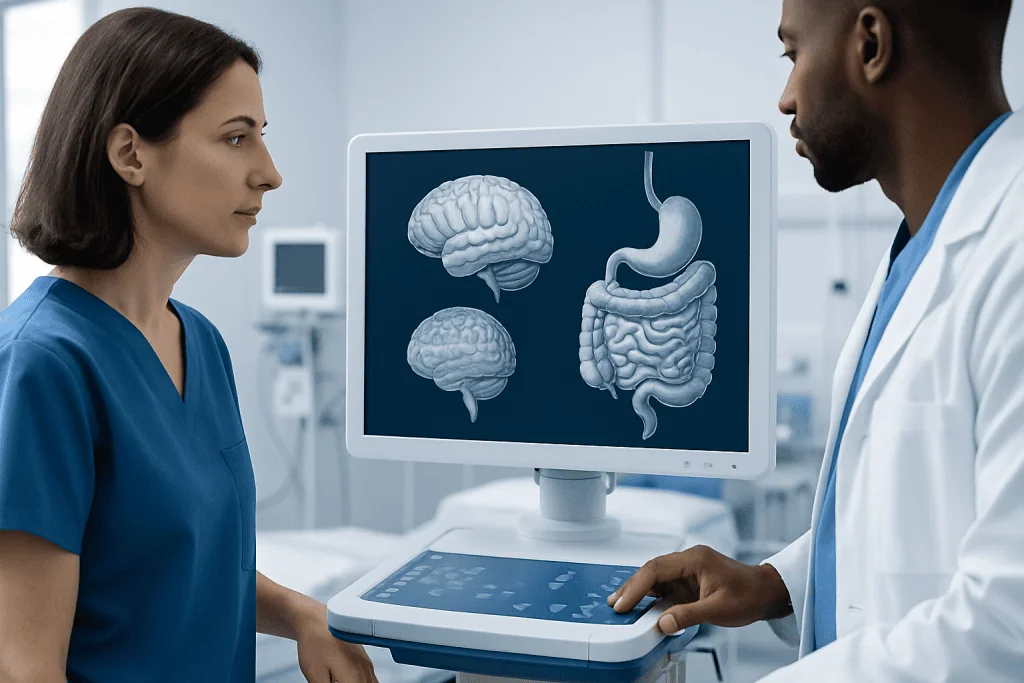
Several pathways make the gut brain axis possible. One of the most important is the vagus nerve, which carries messages between the brain and organs including the stomach and intestines. Nerve cells in the gut also form an extensive local network, sometimes called the “second brain,” because they can regulate many digestive functions such as movement of food, secretion of fluids, and sensation.
Hormones also play a major role. Stress hormones can change how quickly the stomach empties, how the intestines move, and how sensitive the gut becomes to pain. At the same time, digestive hormones can affect hunger, fullness, and energy balance. Immune signals are another key link. Inflammation in the gut may influence brain function, while psychological stress may alter immune activity in the digestive tract.
The gut microbiome adds another layer to this communication. Gut bacteria help break down food, support the intestinal barrier, and produce substances that interact with the nervous and immune systems. A healthy microbiome does not mean having one “perfect” mix of bacteria; rather, it means a balanced, resilient microbial environment. When that balance is disrupted, some people may develop digestive symptoms, altered bowel habits, or changes in how the gut responds to stress.
Symptoms and Conditions Linked to the Gut Brain Axis

Changes in the gut brain axis can contribute to a wide range of symptoms. Common digestive complaints include bloating, abdominal pain, nausea, early fullness, diarrhea, constipation, and a feeling that stress makes symptoms worse. Some people mainly notice bowel changes, while others experience upper digestive symptoms such as indigestion or discomfort after eating small meals.
These patterns are often seen in disorders of gut-brain interaction, such as irritable bowel syndrome and functional dyspepsia. In these conditions, the digestive tract may be more sensitive or less coordinated, even though scans or endoscopy do not show a clear structural cause. This does not mean the symptoms are “just psychological.” It means the communication pathways between the gut and the brain may be functioning differently.
The gut brain axis may also be relevant in other digestive diseases and symptom patterns, including flare-related symptom burden in Crohn’s disease, post-infectious bowel symptoms, chronic nausea, and some cases of reflux or altered appetite. Emotional symptoms can overlap as well. Anxiety, low mood, poor sleep, and fatigue may develop alongside digestive problems, and each can intensify the other. This is why a whole-person evaluation is often more helpful than focusing on only one organ system.
What Can Affect the Gut Brain Axis
Many factors can influence gut-brain communication. Psychological stress is one of the best-known triggers. Short-term stress may cause temporary digestive upset, while ongoing stress may increase gut sensitivity, change bowel habits, and affect the balance of the gut microbiome. Sleep disruption can have similar effects, making the digestive system more reactive and reducing the body’s ability to recover from daily stress.
Diet and eating patterns also matter. Large meals, highly processed foods, alcohol, and certain individual trigger foods may worsen symptoms in some people. On the other hand, overly restrictive eating can create nutritional problems or increase anxiety around food. Recent infections, antibiotics, travel-related illness, food poisoning, and inflammatory conditions can all affect the intestines and may sometimes lead to longer-lasting changes in gut function.
Other contributing factors include:
- Genetics and family tendency toward digestive sensitivity
- Hormonal changes
- Chronic illness or pain conditions
- Low physical activity
- Past gastrointestinal infections
- Mental health conditions such as anxiety or depression
Usually, no single factor explains everything. Instead, symptoms often develop through a combination of biological, psychological, and lifestyle influences working together over time.
How Doctors Evaluate Gut-Brain Problems
Evaluation begins with a detailed medical history. Doctors ask about the timing of symptoms, meal-related triggers, bowel habits, stress patterns, sleep, medications, past infections, and any weight loss or bleeding. They also look for “alarm” features that suggest a structural disease may need to be ruled out. The goal is not only to identify what symptoms are present, but to understand how they fit into the person’s overall health.
A physical examination and selected tests may be recommended depending on age, symptoms, and risk factors. These can include blood tests, stool tests, breath tests, imaging, or endoscopy. When symptoms involve persistent abdominal pain, chronic diarrhea, constipation, or bloating, a doctor may evaluate for inflammatory bowel disease, celiac disease, infection, food intolerance, or other digestive conditions before concluding that a gut-brain interaction disorder is the main issue.
In some cases, procedures such as endoscopy or colonoscopy are used to exclude ulcers, inflammation, polyps, or other structural causes. The diagnosis is therefore based on both symptom patterns and the absence of concerning findings when appropriate. This careful process helps patients understand that the condition is real, medically recognized, and treatable even if standard tests are normal.
Treatment Options and Long-Term Management
Treatment for gut brain axis-related symptoms depends on the underlying diagnosis, symptom pattern, and the person’s overall health. Care often combines more than one approach. Dietary adjustments may help identify trigger foods without becoming unnecessarily restrictive. Some people benefit from meal timing changes, fiber adjustments, or a supervised plan led by a dietitian. When a specific digestive disease is found, treatment focuses first on that condition.
Medicines may be used to reduce cramping, nausea, acid symptoms, constipation, or diarrhea. In selected cases, doctors may prescribe treatments that affect pain signaling between the gut and brain. If structural digestive disease is suspected or symptoms require specialist evaluation, care from gastroenterology may be recommended to guide diagnosis and treatment.
Stress management is often an important part of treatment, not because symptoms are imagined, but because stress can directly change nerve, hormone, and immune signaling in the gut. Evidence-based options may include cognitive behavioral therapy, gut-directed relaxation strategies, mindfulness, regular exercise, and improving sleep habits. When anxiety or depression is also present, treating these conditions can improve both emotional well-being and digestive symptoms.
Near the end of the care pathway, some people need coordinated support from several specialists. Acibadem International’s multidisciplinary specialists and JCI-accredited hospitals diagnose and treat digestive and related health conditions for international patients when more advanced assessment is needed.
Self-Care, Prevention, and Daily Habits
There is no single way to “fix” the gut brain axis, but healthy daily routines can support more stable communication between the gut and brain. Eating regular meals, staying hydrated, being physically active, and getting enough sleep all help regulate digestion and stress responses. Many people also benefit from slowing down at meals, chewing thoroughly, and avoiding lying down immediately after eating.
It can be helpful to notice patterns rather than assuming every symptom is caused by one food or one stressful event. A simple symptom diary may reveal useful links between symptoms, sleep, menstrual cycles, stress, or meal habits. However, self-tracking should stay practical. Highly restrictive diets or excessive monitoring can increase stress and sometimes worsen symptoms.
Helpful habits may include:
- Choosing a varied, balanced diet rich in whole foods when tolerated
- Limiting known personal trigger foods rather than broadly eliminating many foods
- Maintaining regular physical activity
- Practicing relaxation techniques such as breathing exercises or mindfulness
- Protecting sleep quality and keeping a consistent routine
- Seeking support early if stress, anxiety, or low mood are affecting daily life
Prevention is not always possible, especially when symptoms follow infection or occur alongside chronic illness. Still, a steady routine and early medical guidance can often reduce symptom severity and improve quality of life.
When to Seek Medical Care
Medical care is important when digestive symptoms are persistent, recurrent, or interfering with eating, sleep, work, or daily activities. A doctor should also review symptoms that are new, changing, or difficult to explain. Even when stress seems to play a role, digestive complaints deserve proper assessment rather than being dismissed.
Prompt evaluation is especially important if there is unintentional weight loss, blood in the stool, persistent vomiting, difficulty swallowing, fever, anemia, dehydration, nighttime symptoms, or severe abdominal pain. People with a family history of inflammatory bowel disease, colorectal cancer, or celiac disease may also need closer evaluation. If digestive symptoms occur together with significant anxiety, panic, depression, or thoughts of self-harm, mental health support should be sought urgently through a qualified professional or emergency services when needed.
Early care can help identify whether symptoms are due to a disorder of gut-brain interaction, a condition such as ulcerative colitis, or another digestive problem that requires targeted treatment. A clinician can recommend appropriate testing and create a plan that addresses both symptom relief and overall health.
Frequently asked questions
Is the gut brain axis a real medical concept?
Yes. The gut brain axis is a well-recognized medical concept describing the two-way communication between the brain, digestive tract, immune system, hormones, and gut microbiome. It is used to understand how stress, emotions, and digestive function can affect one another.
Can stress really cause stomach and bowel symptoms?
Stress can influence digestion through nerve signals, hormones, and immune pathways. It may worsen bloating, pain, nausea, diarrhea, or constipation, especially in people with sensitive digestive systems. However, ongoing symptoms should still be evaluated by a doctor to rule out other causes.
Does an unhealthy gut microbiome always cause disease?
Not always. The gut microbiome varies from person to person, and there is no single ideal pattern for everyone. Changes in the microbiome may contribute to symptoms in some people, but they are usually only one part of a larger picture that includes diet, stress, sleep, illness, and genetics.
Are gut brain axis disorders the same as irritable bowel syndrome?
Not exactly. Irritable bowel syndrome is one example of a disorder of gut-brain interaction, but the gut brain axis is a broader concept. It also relates to conditions such as functional dyspepsia, post-infectious bowel symptoms, and the way chronic digestive diseases may interact with stress and mood.
How is a gut brain axis problem diagnosed?
There is no single test that diagnoses a gut brain axis disorder on its own. Doctors usually make the diagnosis by reviewing symptoms, medical history, and any needed tests to exclude structural, inflammatory, infectious, or metabolic causes. The pattern of symptoms is an important part of the diagnosis.
Can treatment help even if tests are normal?
Yes. Normal tests do not mean symptoms are unreal or untreatable. Many people improve with a combination of diet changes, symptom-based medicines, stress management, sleep support, and treatment for related anxiety or depression when present.
References
- National Institute of Diabetes and Digestive and Kidney Diseases
- National Institute of Mental Health
- American Gastroenterological Association
- Rome Foundation
- World Gastroenterology Organisation
This article is for general information only and is not a substitute for professional medical advice. Please consult a qualified doctor about your individual situation.
Persistent digestive symptoms? Get evaluated in Turkey
JCI-accredited · board-certified surgeons · reply within 24h
Add us as a Preferred Source to see more of our trusted health content across Google Search, AI Overviews and Discover.