

Haglund’s Deformity: An Evidence-Based Guide for Patients
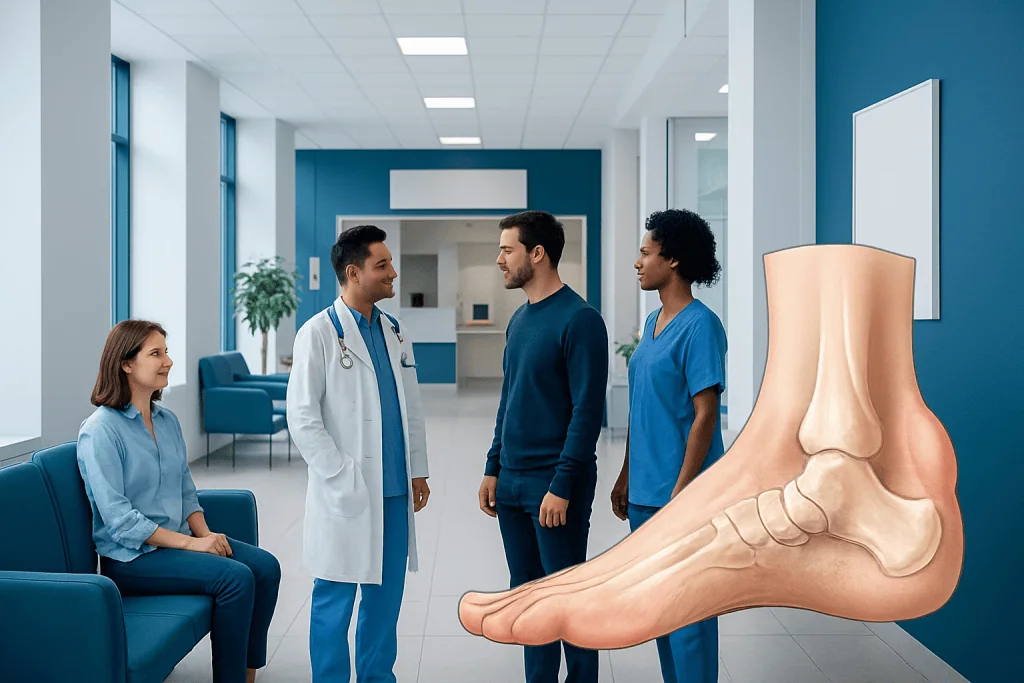
Haglund's deformity is a structural bump on the back of the heel, not just general heel pain. Symptoms often worsen when stiff-backed shoes rub against the area.
Key Takeaways
- Haglund's deformity is a structural bump on the back of the heel, not just general heel pain.
- Symptoms often worsen when stiff-backed shoes rub against the area.
- Diagnosis is usually based on a physical examination and imaging when needed.
- Conservative treatment is commonly tried first, including shoe modification, ice, stretching, and physical therapy.
- Persistent pain, major limitation, or concern about the Achilles tendon should be assessed by a qualified doctor.
Haglund's deformity is a bony prominence on the back of the heel, near where the Achilles tendon attaches. It may lead to pain, redness, swelling, and irritation from shoes, and many people improve with footwear changes, activity adjustment, and other non-surgical care.
Overview: What Haglund's Deformity Is
Haglund’s deformity is a bony enlargement at the back of the heel bone, close to the attachment of the Achilles tendon. People sometimes call it a “pump bump” because it can be irritated by rigid, closed-heel shoes. The bump itself is a change in bone shape, but symptoms usually come from friction, inflammation, and pressure in the surrounding soft tissues.
This condition is different from other causes of heel pain. For example, pain under the heel may be related to plantar fasciitis, while Haglund’s deformity affects the back of the heel. It can also occur alongside irritation of the bursa, a small fluid-filled sac that reduces friction, or with strain where the Achilles tendon meets the heel.
Not everyone with a prominent heel bone has pain. Symptoms tend to appear when the area is repeatedly rubbed by footwear or stressed by activity such as running, hill walking, or sports that involve repetitive ankle motion. Understanding both the bony shape and the surrounding tissue irritation helps guide treatment.
How It Feels: Common Symptoms and Daily Impact
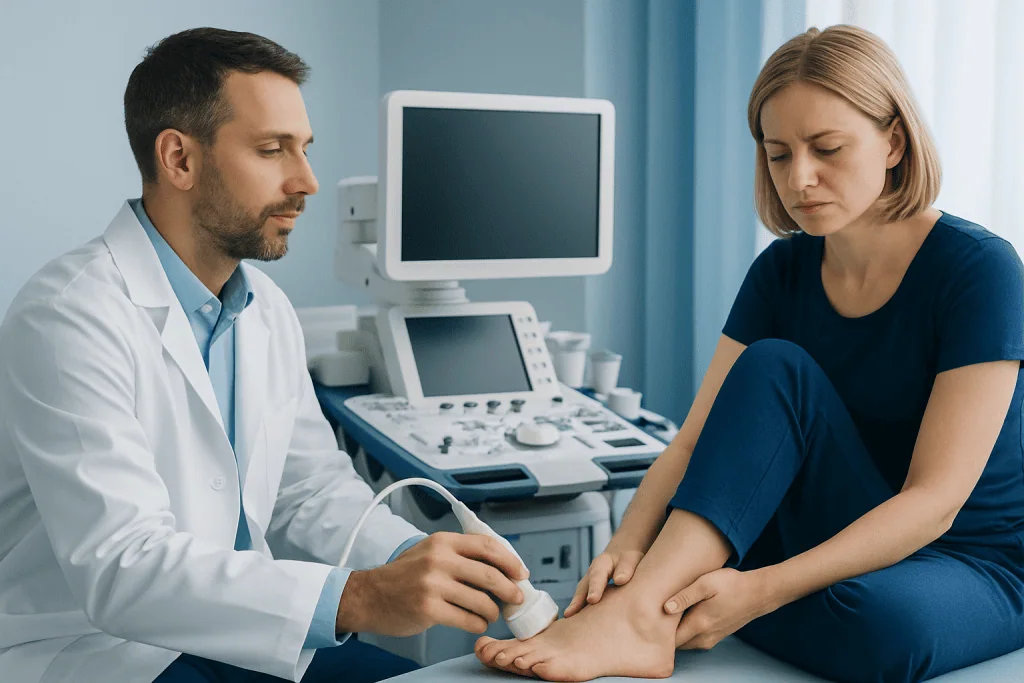
The most common symptom of Haglund’s deformity is pain at the back of the heel, especially when wearing shoes with a stiff heel counter. The area may feel tender to the touch and become more uncomfortable after walking, running, or standing for long periods. Some people notice a visible bump, while others mainly experience rubbing and soreness.
Redness, swelling, and warmth can develop if the overlying bursa becomes inflamed, a problem often called retrocalcaneal bursitis or superficial bursitis depending on the exact location. The heel may also feel stiff first thing in the morning or after rest, particularly if the Achilles tendon is irritated at the same time.
Daily activities can become frustrating when simple footwear choices trigger symptoms. People may avoid certain shoes, reduce exercise, or change the way they walk to relieve pressure on the heel. Over time, this compensation can affect comfort and mobility in the foot and ankle more broadly.
- Pain or tenderness at the back of the heel
- A noticeable bump where the shoe rubs
- Redness or swelling around the heel
- Discomfort during running, climbing, or brisk walking
- Stiffness if the Achilles tendon is also involved
Why It Happens: Causes and Risk Factors
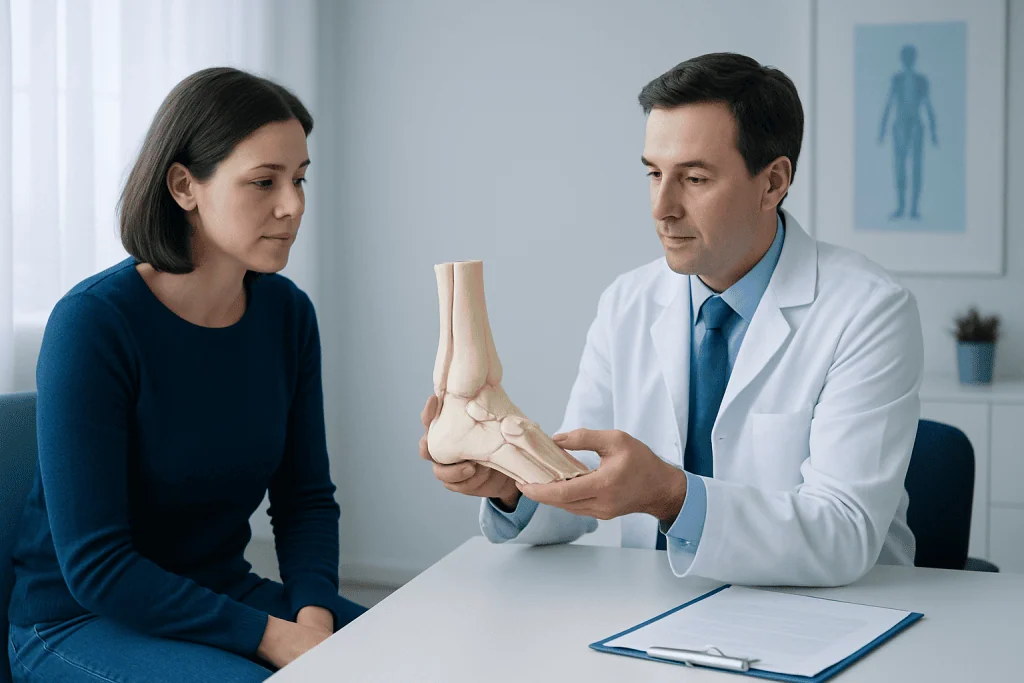
Haglund’s deformity develops when the shape of the heel bone creates a prominent area that is more likely to rub against footwear and nearby tissues. This is not caused by a single factor in every person. Instead, it usually reflects a combination of bone structure, shoe pressure, and repeated mechanical stress at the back of the heel.
Certain foot shapes and biomechanics may increase the likelihood of symptoms. A high arch, a tight Achilles tendon or calf muscles, or walking patterns that increase heel pressure can all contribute. Repetitive activities such as running, especially on inclines, may further irritate the area. Athletes and active individuals often notice symptoms sooner because of repeated loading.
Footwear can play a major role in triggering pain. Shoes with rigid heel backs, narrow fits, or poor cushioning can increase friction. Although women historically received the label “pump bump” because of dress shoes, the condition can affect anyone. It may also overlap with Achilles tendonitis or with inflammation of the bursa behind the heel.
How Doctors Diagnose Haglund's Deformity
Diagnosis usually begins with a detailed history and physical examination. A doctor will ask where the pain is located, what types of shoes make it worse, and whether symptoms are linked to exercise or changes in activity. On examination, they look for a visible or palpable bump, swelling, tenderness, and signs that the Achilles tendon is irritated.
Imaging may be recommended to confirm the diagnosis or to understand how much the bony prominence is contributing to symptoms. Plain X-rays are commonly used to assess the shape of the heel bone and exclude other bone problems. Ultrasound or MRI may be helpful if there is concern about significant bursitis, Achilles tendon degeneration, or another soft-tissue problem.
Diagnosis also involves ruling out other causes of posterior heel pain. These can include Achilles tendon disorders, inflammatory arthritis, stress injury, or insertional tendon problems. A careful assessment is important because treatment may differ depending on whether the main issue is shoe friction, bursal inflammation, tendon involvement, or a combination of these.
Treatment Options: From Conservative Care to Surgery
In many cases, treatment starts with conservative measures aimed at reducing pressure, friction, and inflammation. This may include switching to open-backed or soft-heeled shoes, using heel lifts or padding, reducing aggravating activities for a period, and applying ice after exercise. Nonprescription pain relief may be discussed with a doctor when appropriate, but it should be used according to professional advice and individual health needs.
Stretching and rehabilitation are often important, especially when calf tightness or Achilles strain is part of the problem. A clinician may recommend physical therapy and rehabilitation to improve flexibility, reduce tendon loading, and support a gradual return to activity. Custom orthotics or shoe inserts may help selected patients if foot mechanics are contributing to symptoms.
If pain continues despite well-guided non-surgical treatment, further options may be considered. In some people, imaging shows persistent irritation around the heel bone or significant involvement of the Achilles insertion. Orthopedic evaluation can help determine whether orthopedic surgery is appropriate to remove the bony prominence and address damaged soft tissue when needed. Surgery is generally reserved for persistent cases that interfere with daily life and have not improved with adequate conservative care.
Because heel pain can involve both bone and tendon, management may sometimes overlap with broader foot and ankle surgery services. At the appropriate stage of care, multidisciplinary assessment helps match treatment to the specific source of symptoms rather than relying on a one-size-fits-all plan.
Prevention and Self-Care Strategies
Self-care focuses on reducing repeated irritation at the back of the heel. Choosing shoes with a soft, well-padded heel area or slightly open back can reduce pressure on the bump. For people who exercise, rotating footwear and avoiding worn-out shoes may also help. If a certain pair consistently triggers pain, it is usually best to limit its use.
Stretching the calf muscles and Achilles tendon under professional guidance may improve ankle flexibility and reduce strain at the heel. Gradual training progression is also important. Sudden increases in running distance, speed, or hill work can overload the area. Short-term activity modification often gives the tissues a chance to settle.
Helpful self-care measures may include:
- Applying ice after activity to calm irritation
- Using heel pads or lifts if advised by a clinician
- Choosing cushioned, well-fitting footwear
- Avoiding repeated rubbing from stiff-backed shoes
- Returning to sports gradually after symptoms improve
Prevention is not always possible because heel bone shape and foot structure vary from person to person. Still, early attention to shoe fit, flexibility, and training habits can lower the chance that a mild bump becomes a painful, persistent problem.
When to Seek Medical Care
Medical assessment is a good idea if heel pain lasts more than a few weeks, keeps returning, or interferes with walking, exercise, work, or sleep. A doctor should also evaluate marked swelling, significant redness, or pain that is worsening rather than improving with simple measures. These features do not always mean a serious problem, but they do deserve proper assessment.
Prompt medical review is especially important if there is severe pain near the Achilles tendon, sudden weakness when pushing off the foot, or difficulty bearing weight. These symptoms can point to a more significant tendon injury or another condition that should not be treated as routine shoe irritation. People with diabetes, inflammatory arthritis, poor circulation, or a history of foot problems may also benefit from earlier evaluation.
Specialist care can help confirm the diagnosis and create a tailored treatment plan. Near the end of the care pathway, some patients may seek evaluation at centers such as Acibadem International, where multidisciplinary specialists in JCI-accredited hospitals diagnose and treat foot and ankle conditions for international patients.
Frequently asked questions
Is Haglund's deformity the same as Achilles tendonitis?
No. Haglund's deformity is a bony enlargement at the back of the heel, while Achilles tendonitis refers to inflammation or irritation of the Achilles tendon. The two can happen together because the bony prominence may increase friction and stress near the tendon attachment.
Can Haglund's deformity go away on its own?
The bony prominence itself usually does not disappear without surgical removal. However, symptoms often improve significantly when pressure and inflammation are reduced with proper shoes, activity changes, stretching, and other conservative treatments.
What shoes are best for Haglund's deformity?
Many people do better in shoes with a soft, padded heel area or an open back that does not rub the bump. Comfort, fit, and reduced pressure at the back of the heel are usually more important than a specific brand or style.
Is surgery always necessary for Haglund's deformity?
No. Surgery is generally considered only when symptoms remain troublesome after a reasonable trial of non-surgical treatment. Many patients improve with footwear modification, physical therapy, and measures that reduce stress on the heel.
How long does recovery take?
Recovery time varies depending on the severity of symptoms, whether the Achilles tendon is involved, and the treatment used. Mild cases may improve over weeks with conservative care, while recovery after surgery is longer and should follow the treating surgeon's guidance.
Can exercise make Haglund's deformity worse?
Exercise can aggravate symptoms if it increases repeated rubbing or loading at the back of the heel, especially running hills or high-impact activity. In many cases, exercise does not need to stop completely, but it may need to be modified until pain settles.
References
- American Academy of Orthopaedic Surgeons
- American Orthopaedic Foot & Ankle Society
- National Institute for Health and Care Excellence
- National Library of Medicine
- Mayo Clinic
This article is for general information only and is not a substitute for professional medical advice. Please consult a qualified doctor about your individual situation.
Joint and spine care in Turkey — expert assessment & treatment
JCI-accredited · board-certified surgeons · reply within 24h
Add us as a Preferred Source to see more of our trusted health content across Google Search, AI Overviews and Discover.

More from the Health Library


Related Specialists

Dr. Muzaffer Ağır
Orthopedic Surgery & Traumatology
Prof. Dr. Yasemin Şenyürek
General Surgery
Prof. Dr. Serhat Çelikel
Pulmonary Medicine
Prof. Dr. İbrahim Bildirici
Gynecology & Obstetrics