Hair Growth Serum: What Patients Need to Know

A hair growth serum may help certain kinds of hair thinning, especially when used consistently and alongside proper scalp care. Results vary because hair loss can be caused by genetics, hormones, stress, nutrition, illness, medications, or scalp conditions.
Key Takeaways
- A hair growth serum may help certain kinds of hair thinning, especially when used consistently and alongside proper scalp care.
- Results vary because hair loss can be caused by genetics, hormones, stress, nutrition, illness, medications, or scalp conditions.
- Not all serums are medicines; some are cosmetic products designed to moisturize, protect, or improve the appearance of hair density.
- Patch testing and careful ingredient review can reduce the risk of scalp irritation or allergic reactions.
- Sudden, patchy, painful, or scarring hair loss should be assessed by a doctor rather than treated only with over-the-counter products.
Hair growth serum can support hair and scalp health, but it is not a one-size-fits-all solution for hair loss. The best serum depends on why hair is thinning, how long it has been happening, and whether there is an underlying medical cause that needs treatment.
What is a hair growth serum?
A hair growth serum is a leave-on product applied to the scalp or hair with the aim of supporting healthier hair growth, reducing breakage, or improving the appearance of fuller hair. Some serums are formulated as cosmetic products that condition the scalp and hair shaft, while others contain active ingredients intended to influence the hair growth cycle more directly.
For many patients, the key question is whether a hair growth serum works. The most accurate answer is that it can help in some situations, but outcomes depend on the cause of hair loss, the serum’s ingredients, and how consistently it is used. A serum may support thicker-looking hair or reduce shedding related to fragility, but it will not reliably correct every cause of thinning hair.
Hair grows in cycles, and visible improvement usually takes time. Even when a product is suitable, changes may not be noticeable for several weeks or months. This is one reason patients may benefit from a medical evaluation before investing time in products that may not match their hair loss pattern.
How hair growth serums may help
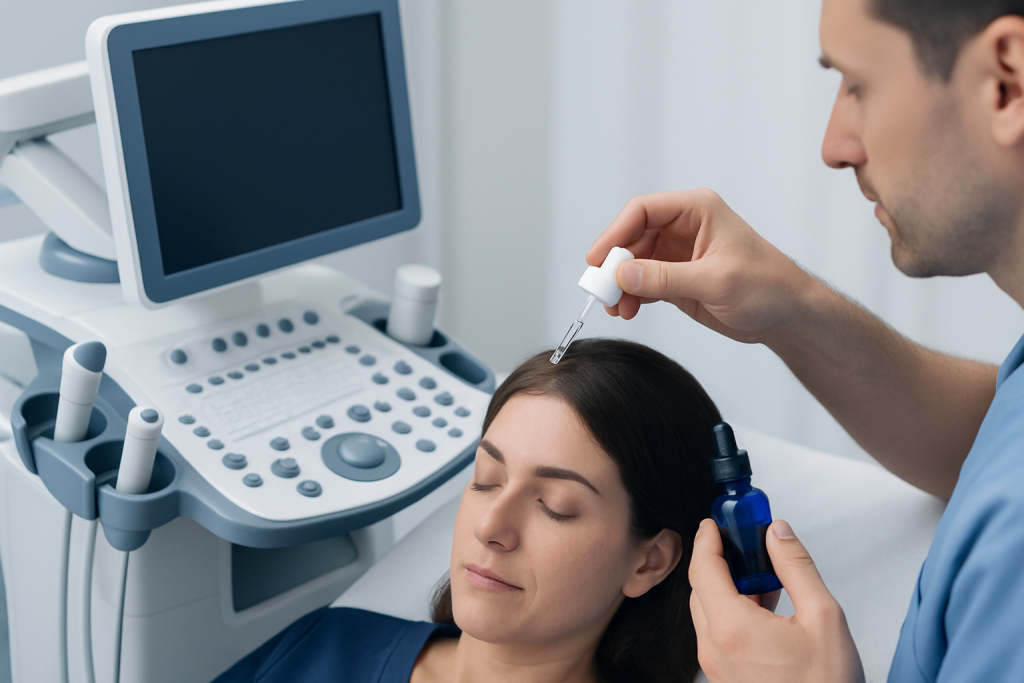
Hair growth serums may work in several ways. Some focus on scalp care by improving moisture balance, reducing buildup, and supporting the skin barrier. A healthier scalp environment can be helpful because inflammation, irritation, and excessive dryness may worsen shedding or make hair more fragile.
Other serums are designed to strengthen the hair shaft. These products may reduce breakage, smooth the cuticle, and make hair appear denser even if they do not increase the number of hair follicles. For patients with brittle, chemically treated, or heat-damaged hair, this cosmetic effect can still be meaningful.
Some serums include ingredients marketed to support the growth phase of hair or reduce miniaturization in certain forms of hair thinning. Common examples include peptides, caffeine, niacinamide, botanical extracts, and moisturizing agents. However, ingredient lists alone do not guarantee clinical benefit, and a product’s claims should be interpreted carefully.
Patients with underlying hair disorders may need more than a cosmetic serum. Conditions such as hereditary pattern loss, inflammatory scalp disease, or autoimmune forms of shedding may require targeted medical treatment, such as hair loss evaluation or specialist-led hair transplant planning in selected cases.
Who may benefit most from a hair growth serum

A hair growth serum may be most useful for patients with mild diffuse thinning, increased breakage, dry or irritated scalp, or early-stage cosmetic concerns. It may also be helpful as part of a broader hair-care routine after a clinician has ruled out more serious causes of shedding. In these cases, a serum can complement gentle cleansing, balanced nutrition, and avoidance of excess heat or traction.
Patients with temporary shedding after stress, illness, childbirth, or weight change sometimes look for supportive products while the hair cycle gradually normalizes. A serum may help improve scalp comfort or the appearance of hair quality during this period, although it may not shorten the biological recovery time.
Serums may be less effective when hair loss is due to scarring disorders, advanced androgen-related thinning, untreated thyroid disease, iron deficiency, or active scalp inflammation. In these situations, using a serum alone can delay diagnosis and treatment. People with symptoms of alopecia areata or another distinct medical hair disorder should be examined by a qualified doctor.
Ingredients, safety, and what to check before use
Before starting a hair growth serum, patients should review the ingredient list and consider how sensitive their scalp is. Fragrances, essential oils, preservatives, and alcohol-based formulas may trigger stinging, redness, itching, or flaking in some people. A patch test on a small area of skin can help identify irritation before broader use.
It is also important to separate cosmetic claims from medical evidence. A product can be described as volumizing, strengthening, or nourishing without having strong evidence that it increases new hair growth. Patients should be cautious with products that promise very fast regrowth, dramatic permanent results, or a cure for all forms of hair loss.
If a patient is pregnant, breastfeeding, has eczema, psoriasis, seborrheic dermatitis, or uses prescription scalp treatments, it is sensible to ask a doctor or pharmacist whether the serum is suitable. Combining multiple active products can sometimes worsen irritation rather than improve results.
- Look for clear instructions on frequency and duration of use.
- Avoid overapplication, which may cause buildup or sensitivity.
- Stop using the product if burning, swelling, rash, or increased shedding occurs.
- Seek medical advice if the scalp develops pain, sores, or scarring.
Why the cause of hair loss matters
Hair thinning is a symptom, not a diagnosis. That is why the same hair growth serum can be helpful for one person and disappointing for another. Common causes include hereditary pattern hair loss, hormonal changes, thyroid disorders, nutritional deficiencies, major illness, significant stress, autoimmune disease, medication effects, and scalp inflammation.
A doctor usually assesses the pattern and timeline of shedding, family history, recent health changes, and scalp symptoms. Depending on the situation, the evaluation may include a scalp examination, blood tests, or a referral to a dermatologist. This approach helps identify whether a serum is likely to be useful, or whether another treatment is more appropriate.
When thinning is linked to a treatable medical issue, addressing that cause is often the most important step. For example, correcting iron deficiency, managing thyroid disease, or treating scalp inflammation may do more for long-term improvement than changing cosmetic products alone. In some patients, a structured plan may include serums alongside dermatology care or other evidence-based therapies.
How to use a hair growth serum realistically
Patients often get better results when they use a hair growth serum as directed and give it enough time. Hair growth is slow, so expecting major changes within a few days is not realistic. Consistency matters, and skipping applications frequently may reduce any benefit the product could provide.
It also helps to apply the serum to a clean scalp and avoid harsh practices that work against hair health. Tight hairstyles, repeated bleaching, vigorous brushing, and high-heat styling can all increase breakage and make thinning appear worse. Supportive habits may improve outcomes even when the serum itself has only a modest effect.
Taking clear photos every few weeks in similar lighting can be a practical way to track change. Because day-to-day differences are hard to judge, visual comparison over time may give a more accurate picture than memory alone. If shedding continues or worsens despite careful use, a medical review is advisable.
Some patients eventually need a broader treatment plan that goes beyond topical products. In selected cases, doctors may discuss options such as medical scalp therapy or PRP for hair support as part of individualized care.
Self-care, prevention, and supportive habits
Although not all hair loss can be prevented, healthy daily habits can support scalp and hair condition. Gentle washing based on hair type, regular but not excessive cleansing, and avoiding products that cause irritation are sensible starting points. A balanced diet with adequate protein, iron, zinc, and other nutrients is also important for normal hair growth.
Stress management can matter as well. Emotional stress does not cause every form of hair loss, but it can contribute to shedding in some patients. Sleep, exercise, and recovery after illness may all play a role in overall hair and scalp health.
Patients should also protect hair from avoidable damage. Helpful measures include limiting very tight braids or ponytails, using lower heat settings, spacing out chemical treatments, and handling wet hair gently. These steps do not replace medical treatment when needed, but they can reduce additional breakage and support better-looking hair.
Near the end of a care pathway, some patients also seek specialist advice for long-term solutions. Acibadem International’s multidisciplinary specialists and JCI-accredited hospitals diagnose and treat hair and scalp conditions for international patients when further evaluation is needed.
When to seek medical care
A hair growth serum should not replace medical assessment when hair loss is sudden, patchy, painful, or associated with visible scalp changes. Prompt review is especially important if there is redness, scaling, pus, scarring, or broken hairs in unusual patterns. These features can suggest infection, inflammation, or a condition that may lead to permanent loss if untreated.
Medical care is also appropriate if thinning is severe, continues for several months, starts after a new medication, or occurs alongside fatigue, weight change, menstrual changes, or other signs of possible hormonal or nutritional imbalance. Children and adolescents with hair loss should also be evaluated rather than treated only with cosmetic products.
In general, the safest approach is to view a hair growth serum as one possible tool, not a diagnosis or cure. If the cause of thinning is unclear, a doctor can help determine whether a serum is reasonable, whether testing is needed, or whether another treatment would be more suitable.
Frequently asked questions
Does hair growth serum really work?
A hair growth serum may help some people, especially when thinning is mild or related to scalp dryness, breakage, or early hair loss. Results depend on the cause of shedding, the product’s ingredients, and regular long-term use.
How long does it take to see results from a hair growth serum?
Visible change often takes several weeks to months because hair grows slowly. If a product is helping, patients usually notice gradual improvement rather than sudden regrowth.
Can a hair growth serum stop hereditary hair loss?
A serum may support scalp health or improve the appearance of hair fullness, but hereditary pattern hair loss often needs a broader treatment plan. A doctor can advise whether additional medical therapies are more appropriate.
Are hair growth serums safe for sensitive scalps?
Some are, but safety depends on the formula. Patients with sensitive skin should patch test first and avoid products that cause burning, itching, or rash.
Should a patient use a hair growth serum every day?
Patients should follow the instructions on the specific product rather than assuming more frequent use is better. Overuse can sometimes irritate the scalp or create buildup without improving results.
Can a hair growth serum help with postpartum or stress-related shedding?
It may help support scalp comfort and hair quality, but it may not change the natural timeline of recovery. If shedding is heavy, prolonged, or worrying, a medical review is sensible.
References
- American Academy of Dermatology
- National Institutes of Health
- Mayo Clinic
- British Association of Dermatologists
This article is for general information only and is not a substitute for professional medical advice. Please consult a qualified doctor about your individual situation.
Hair transplant in Turkey — costs, graft counts & a free assessment
JCI-accredited · board-certified surgeons · reply within 24h
Add us as a Preferred Source to see more of our trusted health content across Google Search, AI Overviews and Discover.

More from the Health Library



Related Specialists
Assoc. Prof. Dr. Umut Karabulut
Cardiology
Assoc. Prof. Dr. Betül Mazlum
Pediatric & Adolescent Psychiatry
Dr. Ahmet Kurt
Internal Medicine
Dr. Güliz Sidar
Gynecology & Obstetrics