Hair Transplant Risks and Side Effects: What Is Normal and When to Call Your Doctor

Mild swelling, redness, tenderness, scabbing, and temporary shedding are common after a hair transplant. Most symptoms improve gradually over days to weeks when aftercare instructions are followed carefully.
Key Takeaways
- Mild swelling, redness, tenderness, scabbing, and temporary shedding are common after a hair transplant.
- Most symptoms improve gradually over days to weeks when aftercare instructions are followed carefully.
- Severe pain, spreading redness, fever, pus, heavy bleeding, or sudden worsening should be assessed by a doctor.
- Good hygiene, gentle scalp care, and avoiding smoking, scratching, and strenuous activity can reduce complications.
- Results take time, and temporary shock loss does not usually mean the transplant has failed.
Most hair transplant side effects are expected, short-term parts of healing, such as mild swelling, redness, scabbing, and temporary shedding. Knowing what is normal and what may signal a complication can help patients recover with more confidence and seek medical advice at the right time.
Overview: Are Hair Transplant Risks Common?
A hair transplant is a commonly performed procedure used to move hair follicles from a donor area, usually the back or sides of the scalp, to areas of thinning or baldness. Techniques such as follicular unit extraction (FUE) and follicular unit transplantation (FUT) are widely used, and most patients recover without serious problems. Even so, like any medical procedure, a hair transplant can involve side effects and possible complications.
Many post-procedure symptoms are normal and expected. The scalp has been treated surgically, so mild inflammation, small crusts, temporary discomfort, and a short period of visible healing are typical. These changes can look concerning at first, especially in the first week, but they usually settle with time and appropriate aftercare.
The most helpful approach is to distinguish between normal healing and warning signs. Normal healing tends to improve gradually, even if the scalp still looks red or scabbed for a short period. Complications are more likely when symptoms become more intense, spread, or are accompanied by signs such as fever, pus, or severe pain.
Patients considering or recovering from hair transplant treatment often feel more reassured when they know what to expect. Clear instructions from the treating team and prompt communication about unusual symptoms can make recovery smoother and safer.
Normal Side Effects After a Hair Transplant
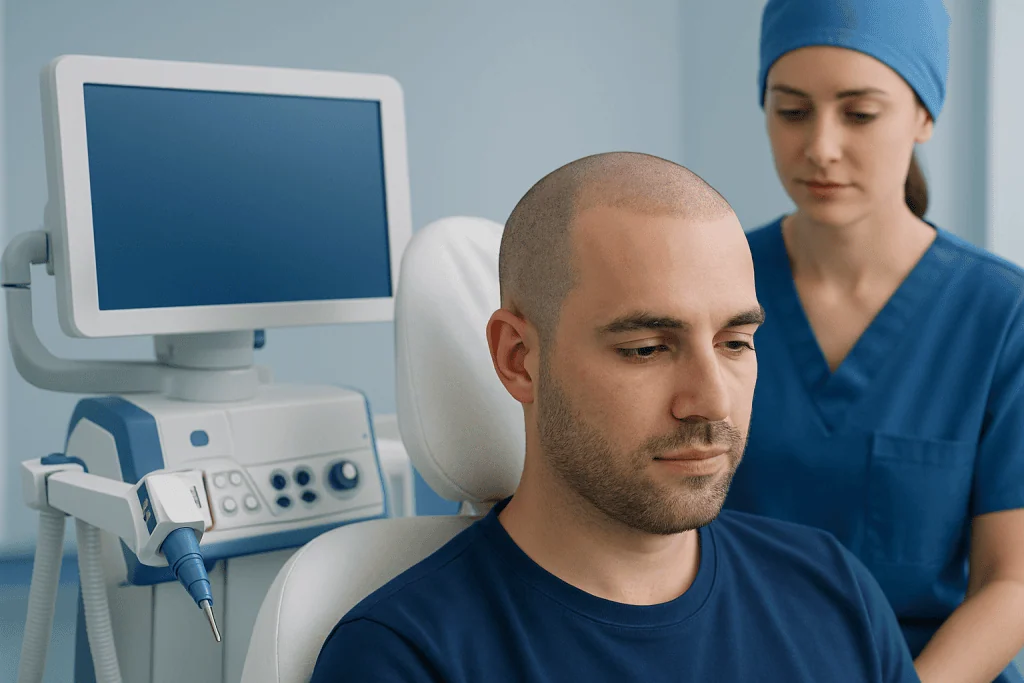
Several side effects are part of ordinary healing after a hair transplant. Mild pain or tenderness in the donor and recipient areas is common during the first few days. There may also be swelling of the forehead or around the eyes, especially after larger sessions. This usually peaks within a few days and then settles.
Redness and scabbing are also expected. Tiny crusts can form around each graft as the scalp heals. Patients are often advised not to pick at these crusts, because disturbing the grafts too early may affect healing. Itching can occur as the skin recovers, but scratching should be avoided.
Another common and often misunderstood effect is temporary shedding, sometimes called shock loss. The transplanted hairs may fall out in the weeks after the procedure, even though the follicles remain in place. Existing nearby hairs can also shed temporarily. This does not usually mean the transplant has failed; regrowth typically takes several months.
Common normal effects may include:
- Mild soreness or tightness of the scalp
- Temporary swelling of the forehead or eyelids
- Redness in donor or recipient areas
- Small scabs or crusting around grafts
- Itching during healing
- Temporary hair shedding after the procedure
Possible Complications and Risk Factors

Although serious complications are not common, they can happen. Infection is one of the most important concerns after any procedure that affects the skin. Signs can include increasing pain, warmth, swelling, pus, or fever. Bleeding that does not stop with gentle pressure, or widespread inflammation that worsens rather than improves, also deserves medical review.
Some patients may develop folliculitis, which is inflammation around hair follicles. This can appear as small tender bumps or pustules in the transplanted area. Scarring is another possible risk, particularly with strip harvesting techniques such as FUT, though even FUE can leave tiny scars. Numbness, altered sensation, delayed healing, or an uneven cosmetic result are additional possibilities.
Risk can be influenced by several factors, including smoking, poor scalp hygiene, certain chronic health conditions, and not following aftercare instructions. People with bleeding disorders, uncontrolled diabetes, or immune system problems may need closer planning and follow-up. The experience of the surgical team and careful patient selection also play an important role in reducing risks.
For some individuals, the issue is not a dangerous complication but a less-than-expected aesthetic outcome, such as patchy density or an unnatural-looking hairline. This is why a detailed consultation before the procedure and realistic expectations are important parts of safe care.
When Symptoms May Be a Reason to Call Your Doctor
It is sensible to contact a doctor if symptoms feel severe, unusual, or suddenly worse. Pain should generally become easier to manage over time. If pain is intense, not improving, or associated with increasing redness or swelling, this could suggest a problem rather than routine healing.
Heavy bleeding, foul-smelling drainage, visible pus, or fever are more concerning symptoms. Rapidly spreading redness, significant warmth of the scalp, or swelling that is getting worse after the first few days may indicate infection or another complication. A doctor should also be informed if the patient accidentally knocks, scratches, or dislodges grafts soon after the procedure.
Other reasons to seek advice include persistent numbness, severe itching with rash, possible allergic reactions to medications, or signs of poor healing in the donor area. While mild temporary shedding is normal, sudden patchy hair loss far beyond what the surgeon described should also be discussed.
Urgent medical guidance is especially important if there are symptoms such as trouble breathing, facial swelling beyond the expected forehead edema, chest pain, or fainting. These are not typical hair transplant effects and should not be ignored.
How Doctors Assess Hair Transplant Side Effects
Assessment usually begins with a review of symptoms, timing, and aftercare. Doctors often ask when redness began, whether swelling is improving or worsening, and if there is drainage, fever, or unusual pain. Photographs may be helpful, especially for patients recovering at home or traveling after treatment.
A physical examination of the donor and recipient areas can show whether the scalp is healing normally or if there are signs of infection, inflammation, graft loss, or poor circulation. In most cases, diagnosis is clinical, meaning it is based mainly on symptoms and examination rather than complex testing.
If infection is suspected, a doctor may decide whether treatment is needed based on the appearance of the scalp and the patient’s overall condition. Rarely, tests may be used if symptoms are severe, prolonged, or unclear. When hair loss patterns are unusual, doctors may also consider other conditions affecting the scalp, such as alopecia.
Follow-up visits are valuable because they allow the care team to monitor healing, answer questions, and guide the patient through the normal timeline of shedding and regrowth. This can prevent unnecessary worry and help identify complications early if they occur.
Treatment Options for Side Effects and Complications
Treatment depends on the type of symptom. Most routine side effects need only supportive care, such as rest, gentle scalp hygiene, prescribed washing instructions, and medications recommended by the treating physician for discomfort or swelling. Patients should avoid using unapproved creams, oils, or home remedies on the scalp, especially in the early healing period.
If infection develops, a doctor may prescribe appropriate treatment and review wound care. Bleeding may be managed with pressure and examination to identify the source. Folliculitis sometimes improves with local care, while more significant inflammation may need medical treatment. If itching is bothersome, a clinician may suggest safe ways to soothe the scalp without harming grafts.
For aesthetic concerns such as low density or irregular growth, patience is often important because final results are not immediate. Hair growth after transplantation is gradual. If concerns remain after the full growth period, a specialist may discuss revision planning or supportive options. In some cases, broader dermatology care can help assess scalp health and support hair recovery.
Near the end of recovery, some patients benefit from a wider evaluation if ongoing hair thinning continues outside the transplanted areas. This may include looking for hormonal, nutritional, or inflammatory causes, or discussing other aesthetic treatment options when appropriate.
Prevention and Self-Care During Recovery
Good aftercare is one of the best ways to lower the chance of complications. Patients should follow the surgeon’s instructions closely on washing, sleeping position, activity, and when to resume work or exercise. Keeping the scalp clean in the recommended way helps reduce infection risk while protecting the grafts.
It is usually important to avoid scratching, rubbing, or picking scabs. Tight hats, intense workouts, swimming pools, saunas, and direct sun exposure may need to be avoided for a period recommended by the doctor. Smoking and alcohol can interfere with healing in some patients, so limiting or avoiding them during recovery is often advised.
Hydration, balanced nutrition, and management of existing medical conditions can also support healing. Patients should take only the medications approved by their doctor, including pain relievers, antibiotics, or anti-inflammatory medicines if these were prescribed. Any unexpected reaction to medication should be reported.
For international patients or those seeking specialist follow-up, Acibadem International’s multidisciplinary specialists and JCI-accredited hospitals diagnose and treat hair restoration concerns with individualized recovery guidance. Ongoing communication with a qualified medical team is the safest way to manage questions after a procedure.
Setting Expectations for Hair Growth and Final Results
Hair transplant recovery involves more than wound healing. Even after redness and scabbing improve, the cosmetic result continues to evolve over months. Transplanted hairs commonly shed before new growth begins, and this waiting period can be emotionally difficult if the patient was expecting immediate fullness.
New hair growth often starts gradually, and texture or thickness may change over time as the follicles mature. Final density depends on factors such as donor hair quality, scalp characteristics, transplant technique, and the extent of underlying hair loss. Some patients may eventually need more than one session to achieve their goals.
It can also help to remember that a transplant does not stop future hair loss in untreated areas. A patient may still need medical evaluation if thinning continues elsewhere on the scalp. Conditions related to pattern hair loss, including male pattern baldness, may progress with time.
Realistic expectations, careful follow-up, and patience are central to satisfaction. When patients understand the usual healing timeline and know when to seek help, they are better prepared for a recovery that is both safer and less stressful.
Frequently asked questions
How long do hair transplant side effects usually last?
Many common side effects, such as soreness, redness, and scabbing, improve noticeably within days to a couple of weeks. Temporary shedding may happen later and can last several weeks before new growth begins over the following months.
Is swelling after a hair transplant normal?
Yes, mild swelling of the scalp or forehead is often normal after a hair transplant, especially in the first few days. It should gradually improve, so worsening or unusually severe swelling should be discussed with a doctor.
Should patients worry if transplanted hairs fall out?
Not usually. Temporary shedding of transplanted hairs is common and does not mean the follicles are lost. The follicles often remain in place and begin producing new hair later in the recovery process.
What are signs of infection after a hair transplant?
Warning signs can include increasing pain, spreading redness, warmth, pus, bad-smelling drainage, and fever. These symptoms are not considered routine healing and should prompt medical advice.
Can a hair transplant leave scars?
Yes, some degree of scarring can occur with both FUT and FUE techniques, although the pattern and visibility differ. The extent of scarring depends on the method used, healing tendencies, and how the scalp is cared for after the procedure.
When should someone call the doctor after a hair transplant?
A doctor should be contacted if symptoms are severe, getting worse, or not following the expected recovery pattern. Heavy bleeding, fever, pus, severe pain, or signs of an allergic reaction should be assessed promptly.
References
- American Academy of Dermatology
- International Society of Hair Restoration Surgery
- National Health Service
- Mayo Clinic
- MedlinePlus
This article is for general information only and is not a substitute for professional medical advice. Please consult a qualified doctor about your individual situation.
Hair transplant in Turkey — costs, graft counts & a free assessment
JCI-accredited · board-certified surgeons · reply within 24h
Add us as a Preferred Source to see more of our trusted health content across Google Search, AI Overviews and Discover.

More from the Health Library



Related Specialists

Assoc. Prof. Dr. Nuri Peker
Gynecology & Obstetrics
Dr. Gülay Beydilli Nacak
Gynecology & Obstetrics
Prof. Dr. Emre Özker
Varicose Vein Treatment
Dr. Tansu Güdelci
Urology