Hair Waviness: An Evidence-Based Guide for Patients
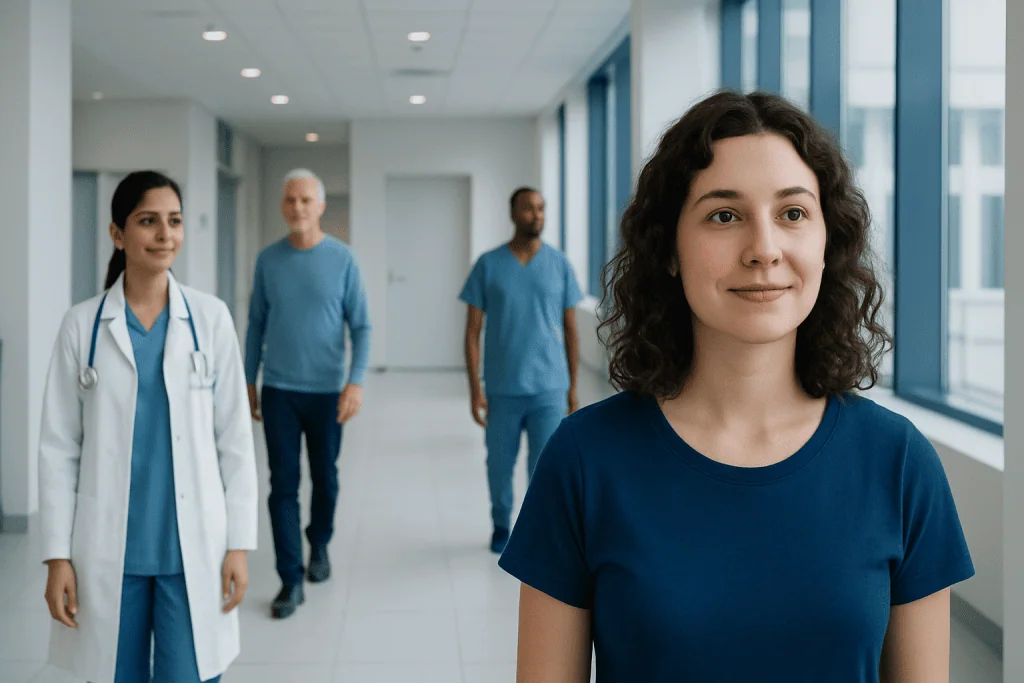
Hair waviness is commonly a normal genetic variation rather than a health problem. Follicle shape, strand structure, and the distribution of proteins within hair influence whether hair grows straight, wavy, curly, or tightly coiled.
Key Takeaways
- Hair waviness is commonly a normal genetic variation rather than a health problem.
- Follicle shape, strand structure, and the distribution of proteins within hair influence whether hair grows straight, wavy, curly, or tightly coiled.
- Humidity, heat styling, chemical processing, and brushing methods can make waves look more defined, frizzy, or uneven.
- A sudden or substantial texture change with shedding, scalp symptoms, or other body changes should be discussed with a clinician.
- Gentle cleansing, conditioning, reduced heat exposure, and appropriate scalp care can support the appearance and comfort of wavy hair.
Hair waviness most often reflects the natural shape of the hair follicle and the way each strand forms as it grows. It can also become more or less noticeable because of humidity, hair damage, hormonal changes, grooming habits, or scalp conditions.
Hair Waviness: What It Means
Hair waviness describes a hair pattern in which strands form loose curves, soft “S” shapes, or bends rather than remaining completely straight. It is usually a normal variation in hair texture. For many people, hair waviness is inherited and may be present from childhood, although it can become more apparent at different stages of life.
The visible pattern of hair is not determined by one factor alone. It reflects how the hair shaft is produced inside the follicle, the structure of the strand, its length and weight, and environmental conditions. A person may also have more than one texture on the same scalp; for example, hair near the nape may be wavier than hair around the crown.
Wavy hair does not need medical treatment simply because it differs from straight or curly hair. However, a new texture change can occasionally be associated with changes in hair care, inflammation of the scalp, hormonal shifts, nutritional concerns, or certain medical conditions. Looking at the whole picture, including scalp health and hair shedding, is more useful than focusing on texture alone.
Why Hair Becomes Wavy
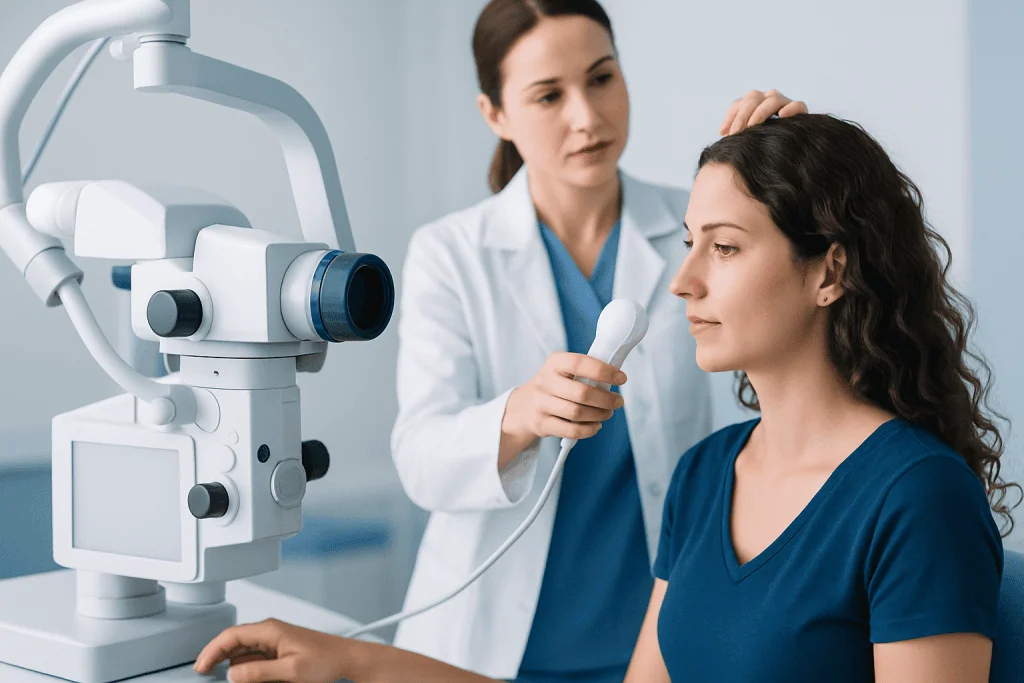
Genes have the strongest influence on hair waviness. Hair grows from follicles in the skin, and the shape and angle of these follicles help determine the form of the emerging strand. In general, more symmetrical follicles tend to produce straighter hair, while follicles with a more curved or asymmetrical shape are associated with wavy or curly patterns.
The internal structure of the hair shaft also matters. Hair is made largely of keratin proteins arranged in organized layers. Differences in the placement of these proteins and chemical bonds within the strand can create uneven tension, allowing a strand to bend or curve as it grows. This explains why hair texture is a biological characteristic, not simply the result of how someone styles it.
Hair length can change how visible waviness appears. Shorter hair may spring upward or show bends clearly, while longer hair can be pulled straighter by its own weight. Growth patterns, cowlicks, layering, and the direction in which hair is dried may also make some areas appear more wavy than others.
Factors That Can Change the Appearance of Waves

Water and humidity can noticeably alter hair waviness. Hair fibers absorb some moisture from the air, which can change the temporary hydrogen bonds within each strand. In humid conditions, waves may become more pronounced, while frizz can develop when strands swell unevenly or the outer cuticle layer is roughened.
Heat tools, frequent bleaching, coloring, relaxing, perming, and repeated mechanical stress can affect how hair feels and behaves. Damage to the protective outer layer of the hair shaft may lead to dryness, breakage, tangling, and irregular wave patterns. These changes are often most visible at the ends, which are older and have experienced more exposure to styling and weather.
Daily grooming methods can either support or disrupt a natural wave pattern. Vigorous brushing when hair is dry may separate wave clumps and increase volume or frizz. In contrast, gentle detangling with conditioner, limiting harsh towel rubbing, and allowing hair to dry with minimal disturbance may help waves look more uniform. These are cosmetic choices, and the most suitable routine depends on individual hair and scalp needs.
Life Stages, Hormones, and Hair Texture Changes
Some people notice changes in hair waviness during puberty, pregnancy, after pregnancy, around menopause, or with aging. These periods involve shifts in hormones that can affect the hair-growth cycle, oil production, and the behavior of follicles. A person who previously had straight hair may develop more visible waves, while another may find that their waves become looser or less consistent.
Texture changes can also occur alongside changes in hair density. For example, new hair growing after a period of shedding may initially feel different from longer, older strands. This can create a mix of textures until the hair grows out. Temporary changes are common, but a persistent change accompanied by marked shedding or scalp discomfort deserves professional assessment.
Medical conditions do not usually cause hair waviness by themselves. Still, thyroid disorders, iron deficiency, significant nutritional restriction, autoimmune conditions, and some medicines may affect hair growth, thickness, fragility, or shedding. A clinician can help determine whether a texture concern is part of a broader health issue rather than assuming that waviness alone indicates disease.
A Gentle Routine for Wavy Hair and a Healthy Scalp
A practical routine begins with regular but not excessive cleansing using products that feel comfortable on the scalp. The ideal washing frequency differs from person to person and may depend on oil production, exercise, scalp conditions, and styling products. Shampoo should be applied mainly to the scalp, while conditioner can help reduce friction along the lengths and ends of the hair.
Conditioning is particularly helpful for hair that feels dry, tangles easily, or becomes frizzy in humidity. After washing, pressing hair gently with a soft towel or cotton T-shirt rather than rubbing can reduce friction. Wide-tooth combs or fingers may be useful for detangling while hair is wet and conditioned, especially for people whose waves lose definition with dry brushing.
Heat styling can be used if desired, but lower temperatures, heat-protective products, and less frequent use may reduce damage. Tight hairstyles and repeated pulling can contribute to breakage and, over time, traction-related hair loss. A varied hairstyle routine and gentle handling are generally kinder to both strands and follicles.
- Choose hair products based on scalp comfort, not texture trends alone.
- Limit repeated chemical treatments when hair is brittle or breaking.
- Use sun protection for the scalp and hair when exposure is prolonged.
- Support overall hair growth with adequate protein, iron-rich foods, and a balanced diet unless a clinician advises otherwise.
When Hair Waviness May Need Medical Assessment
Hair waviness on its own is generally not concerning. Medical advice is appropriate when a texture change is sudden, pronounced, or accompanied by increased shedding, bald patches, persistent breakage, scalp pain, itching, scaling, redness, or sores. These signs may point to a scalp condition or a problem affecting the hair-growth cycle that should be evaluated.
It is also sensible to speak with a doctor if hair changes occur with symptoms such as unusual tiredness, unexplained weight change, temperature intolerance, changes in menstrual periods, acne, new facial hair growth, or dietary restriction. These symptoms do not confirm a particular diagnosis, but they can help a clinician decide whether blood tests or further assessment are useful.
A dermatologist or qualified healthcare professional may examine the scalp, review hair practices and medications, and ask about recent illness, stress, pregnancy, surgery, or weight changes. In some cases, assessment may include testing for common contributors to hair loss or fragility. The goal is to identify treatable causes while recognizing that a natural variation in wave pattern often requires no medical intervention.
Getting Support for Hair and Scalp Concerns
Bringing a brief history to an appointment can be helpful. Patients may note when the hair change began, whether it affects the whole scalp or only certain areas, how much shedding they notice, recent hair treatments, and any associated scalp or general health symptoms. Photographs taken over time can also help show whether there has been a meaningful change.
Professional care is especially valuable when the main concern is hair loss, inflammatory scalp symptoms, or ongoing breakage despite gentler care. Treatment depends on the underlying cause and may involve managing a scalp disorder, addressing a nutritional deficiency, reviewing medications, or changing potentially damaging styling practices. It is best to avoid starting supplements or intensive treatments without advice, as unnecessary products may not help and can sometimes cause side effects.
Acibadem International’s multidisciplinary specialists and JCI-accredited hospitals can assess hair and scalp concerns for international patients when a medical evaluation is needed. For most people, understanding their natural hair pattern and using a gentle, sustainable routine is the most important step in caring for wavy hair.
Frequently asked questions
Is hair waviness normal?
Yes. Hair waviness is usually a normal inherited texture pattern related to the shape of the hair follicle and the structure of the hair shaft. It can vary across different areas of the scalp and may look different as hair grows longer.
Why has straight hair become wavy over time?
Hair texture can change with age, hormonal shifts, weather exposure, styling practices, and damage to the hair shaft. If the change is gradual and there are no other symptoms, it is often harmless. A clinician should assess sudden changes that occur with shedding, scalp problems, or other health symptoms.
Does humidity make hair wavier?
Humidity can make waves and curls more noticeable because hair absorbs moisture from the air. It may also increase frizz, particularly when the hair cuticle is dry or damaged. Conditioner, gentler drying, and reducing heat damage may improve manageability.
Can damaged hair become wavy?
Heat and chemical damage can make hair bend unevenly, feel rough, or appear less consistent in texture. This is different from a healthy natural wave pattern because damaged hair may also break, tangle, or look dull. Trimming damaged ends and reducing harsh treatments can help limit further injury.
Can hormones affect hair waviness?
Hormonal changes during puberty, pregnancy, after pregnancy, and menopause can influence hair growth and texture. The result may be more or less visible waviness, changes in oiliness, or a mixture of textures during regrowth. Persistent changes with significant hair loss should be discussed with a healthcare professional.
When should someone see a doctor about hair texture changes?
A medical appointment is advisable for sudden texture changes with heavy shedding, bald patches, scalp itching, redness, pain, or scaling. It is also appropriate if hair changes occur with fatigue, weight changes, menstrual changes, or signs of nutritional deficiency. A dermatologist or primary care clinician can help identify possible causes.
References
- American Academy of Dermatology
- American Academy of Family Physicians
- National Institute of Arthritis and Musculoskeletal and Skin Diseases
- Mayo Clinic
- British Association of Dermatologists
This article is for general information only and is not a substitute for professional medical advice. Please consult a qualified doctor about your individual situation.
Hair transplant in Turkey — costs, graft counts & a free assessment
JCI-accredited · board-certified surgeons · reply within 24h
Add us as a Preferred Source to see more of our trusted health content across Google Search, AI Overviews and Discover.

More from the Health Library



Related Specialists

Assoc. Prof. Dr. Hakan Yardımcı
General Surgery
Dr. Ahmet Kurt
Internal Medicine
Dyt. Gülden Cinasal Demir
Nutrition & Diet
Prof. Dr. Müfit Kalelioğlu
Neurosurgery