Hangxiety — Explained by Medical Evidence, Not Myths
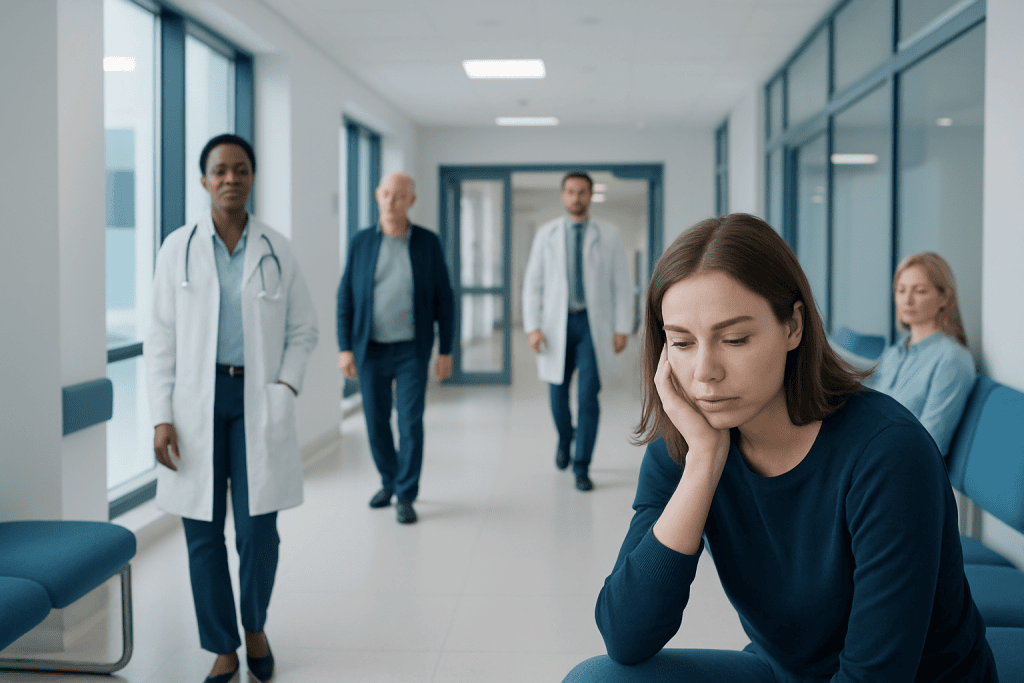
Hangxiety is a real and common pattern of anxiety symptoms during a hangover. Alcohol can temporarily relax the body, but later it may disrupt sleep, mood, hydration, and stress hormones.
Key Takeaways
- Hangxiety is a real and common pattern of anxiety symptoms during a hangover.
- Alcohol can temporarily relax the body, but later it may disrupt sleep, mood, hydration, and stress hormones.
- People with existing anxiety, panic symptoms, poor sleep, or heavier alcohol use may be more likely to experience hangxiety.
- Treatment focuses on hydration, rest, symptom monitoring, and reducing or avoiding alcohol.
- Repeated or severe hangxiety can be a sign to discuss drinking habits and mental health with a doctor.
Hangxiety is the feeling of anxiety, unease, or dread that can appear during a hangover after drinking alcohol. Medical evidence suggests it is linked to alcohol’s effects on brain chemistry, sleep, hydration, mood regulation, and the body’s stress response rather than to myths or personality alone.
What hangxiety means
Hangxiety is the informal name for anxiety that occurs during a hangover. A person may wake up after drinking and feel shaky, worried, guilty, restless, emotionally low, or unusually sensitive to normal stress. In many cases, this happens even when no major problem occurred the night before.
Medical evidence supports the idea that hangxiety is not simply “overthinking.” Alcohol affects brain signaling, sleep quality, fluid balance, heart rate, blood sugar, and the body’s stress systems. As the sedating effects of alcohol wear off, the body can rebound in ways that make anxiety feel stronger.
Hangxiety is not a formal diagnosis on its own. Instead, it describes a pattern of symptoms that may happen after alcohol use. For some people it is mild and short-lived, while for others it can be intense, especially if they already live with anxiety disorders or are drinking more than their body tolerates well.
How hangxiety feels and common symptoms
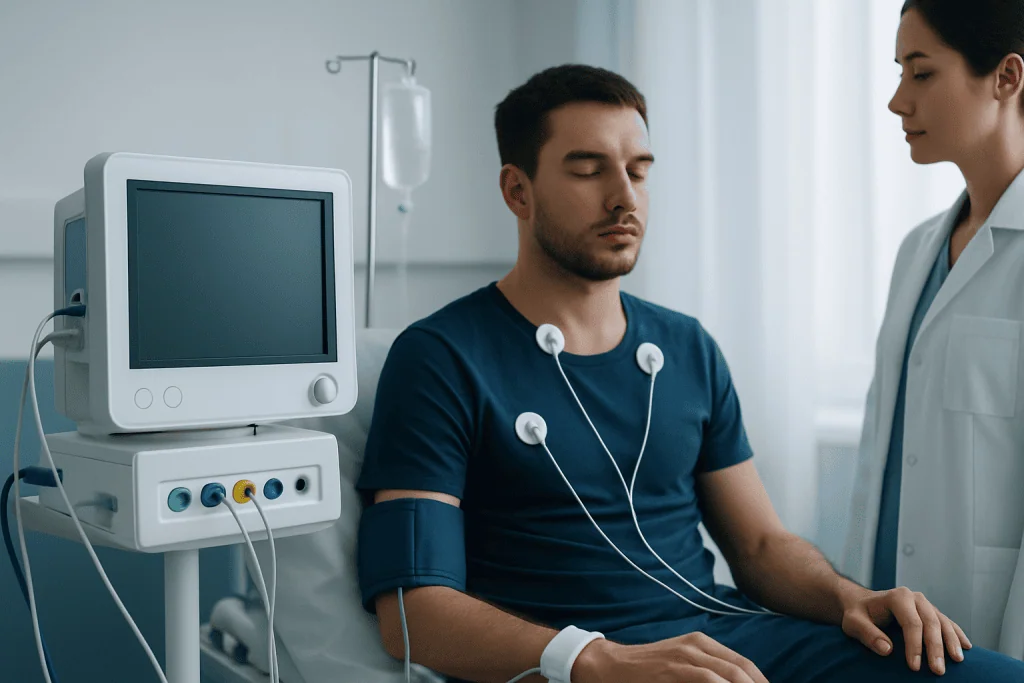
Hangxiety can look different from person to person. Some people mainly feel mentally unsettled, while others notice physical symptoms that then trigger more worry. The experience often begins the morning after drinking, but it can also start later in the day as the body continues to recover.
Common symptoms may include:
- Feeling nervous, on edge, or unusually tense
- A sense of dread, guilt, or embarrassment
- Racing thoughts or difficulty concentrating
- Shakiness, sweating, or a pounding heart
- Nausea, dizziness, or weakness that worsens anxious feelings
- Irritability, low mood, or sudden tearfulness
- Light, broken, or unrefreshing sleep after drinking
These symptoms can overlap with an ordinary hangover, panic symptoms, or withdrawal-related effects. That is one reason it is important to look at the full pattern: how much alcohol was used, how often this happens, whether there is underlying anxiety, and whether symptoms improve with time, fluids, rest, and avoiding more alcohol.
Why alcohol can trigger anxiety the next day

Alcohol acts on several chemical systems in the brain. At first, it can increase a sense of calm or reduce inhibition. Later, as alcohol levels fall, the nervous system may swing in the opposite direction. This rebound effect can contribute to restlessness, a faster heartbeat, tremor, and a stronger perception of stress.
Sleep disruption is another major factor. Even if alcohol makes a person fall asleep faster, it often reduces sleep quality and fragments the second half of the night. Poor sleep can make the brain more reactive to stress and less able to regulate emotions the next day.
Dehydration, stomach irritation, and changes in blood sugar may also play a role. These physical effects can create sensations such as sweating, nausea, weakness, or palpitations, which may be interpreted as danger by the brain and feed anxiety. In some people, this becomes a cycle: physical discomfort increases worry, and worry makes physical discomfort feel worse.
Psychological factors matter too. A person may replay conversations, worry about what they said or did, or feel regret because alcohol lowered judgment the night before. For individuals who are already prone to health anxiety, social anxiety, or panic symptoms, these thoughts can become especially intense.
Who is more likely to experience hangxiety
Not everyone who drinks alcohol develops hangxiety. Risk tends to be higher in people who already have anxiety symptoms, poor sleep, a strong stress load, or sensitivity to the physical effects of alcohol. A family or personal history of problematic alcohol use can also make post-drinking symptoms more complicated.
Situations that may raise the chance of hangxiety include drinking large amounts, drinking quickly, mixing different alcoholic beverages, drinking on an empty stomach, and combining alcohol with caffeine or other substances. Binge drinking is particularly likely to produce stronger rebound symptoms the next day.
Some people may mistake early alcohol withdrawal for a severe hangover. This is more likely in people who drink heavily or regularly and then stop suddenly. Symptoms such as marked tremor, sweating, fast pulse, severe anxiety, agitation, hallucinations, or seizures need urgent medical evaluation because they can signal alcohol use disorder with withdrawal rather than ordinary hangxiety.
How doctors evaluate hangxiety
There is no single test for hangxiety. Doctors usually begin with a history of symptoms, alcohol intake, timing, mental health background, sleep, medications, and any other substances used. This helps separate a simple hangover from panic attacks, dehydration, medication interactions, heart rhythm problems, or alcohol withdrawal.
In many cases, no extensive testing is needed if symptoms are mild, clearly linked to recent drinking, and improve within a day or so. However, medical assessment becomes more important if episodes are frequent, severe, or paired with blackouts, fainting, chest pain, repeated vomiting, or worsening mood symptoms.
If anxiety occurs often, a clinician may also look for underlying conditions such as generalized anxiety, panic disorder, depression, sleep problems, or unhealthy drinking patterns. When needed, evaluation may include basic physical examination, mental health screening, and support from specialists in psychiatric care or addiction medicine.
What helps: practical treatment and recovery steps
The main treatment for hangxiety is supportive care and allowing the body to recover. This usually means stopping alcohol, drinking water or other nonalcoholic fluids, eating light balanced meals as tolerated, and resting in a quiet setting. Gentle breathing exercises, reducing screen stimulation, and avoiding more caffeine may also help.
It is generally safer not to “treat” hangxiety by drinking more alcohol. Although another drink may seem to ease symptoms briefly, it can delay recovery and, in some people, reinforce a harmful cycle. If physical symptoms are strong, a person should focus on hydration, food, and sleep rather than trying to chase relief through more alcohol.
If anxiety after drinking is frequent or distressing, longer-term treatment may be needed. This can include cutting down or stopping alcohol, therapy for anxiety, sleep support, and evaluation for alcohol misuse. Depending on the person’s needs, care may involve psychotherapy and, when alcohol use has become difficult to control, structured alcohol addiction treatment.
Near the end of the care pathway, some people benefit from a broader review of mental and physical health. Acibadem International’s multidisciplinary specialists in JCI-accredited hospitals evaluate and treat alcohol-related concerns and anxiety symptoms for international patients when further assessment is needed.
How to reduce the risk in the future
The most reliable way to prevent hangxiety is to avoid alcohol. For people who choose to drink, reducing the amount and pace can lower the chance of next-day anxiety. Eating beforehand, alternating alcoholic drinks with water, and stopping well before bedtime may also lessen some of the effects that contribute to a hangover.
Tracking patterns can be useful. A person may notice that hangxiety is worse after binge drinking, mixing drinks, drinking when already stressed, or using alcohol to cope with social situations. Recognizing these patterns can help guide safer decisions and may reveal when it is time to seek help.
Looking after overall mental health also matters. Good sleep habits, regular meals, exercise, and stress-management techniques can improve resilience. If a person often drinks to reduce worry or to sleep, discussing healthier strategies with a doctor or mental health professional may help prevent both hangxiety and longer-term problems.
When to seek medical care
Most cases of hangxiety improve as the alcohol leaves the body and the person rehydrates, eats, and rests. Still, some symptoms should not be ignored. Medical care is appropriate if anxiety is severe, lasts longer than expected, or keeps happening after even small amounts of alcohol.
A person should seek urgent help if they have chest pain, fainting, confusion, severe dehydration, trouble breathing, seizures, hallucinations, or uncontrollable shaking. Immediate support is also important for suicidal thoughts, extreme panic, or signs of alcohol withdrawal after heavy or regular drinking.
Non-urgent medical review is also sensible when drinking causes blackouts, relationship or work problems, or strong next-day anxiety that affects daily life. Early guidance can help address both the symptoms and the reasons alcohol is being used in the first place.
Frequently asked questions
Is hangxiety a real medical problem?
Hangxiety is not a formal diagnosis, but the experience is real and medically plausible. It describes anxiety symptoms that appear during a hangover because alcohol can affect sleep, hydration, brain chemistry, and the body's stress response.
How long does hangxiety usually last?
For many people, hangxiety improves within several hours to about a day as the body recovers. If symptoms last longer, are very intense, or happen repeatedly, a doctor should assess for underlying anxiety, alcohol misuse, or withdrawal.
Why does alcohol make someone feel calm at first but anxious later?
Alcohol can temporarily slow certain brain signals, which may create relaxation in the short term. As alcohol levels fall, the nervous system can rebound, leading to shakiness, poor sleep, faster heart rate, and a stronger sense of anxiety.
Can people with anxiety disorders experience worse hangxiety?
Yes. People who already have generalized anxiety, social anxiety, panic symptoms, or poor sleep often seem more vulnerable to hangxiety. Alcohol may briefly mask anxiety, but the next-day rebound can feel more intense.
What is the safest way to feel better during hangxiety?
Rest, fluids, light food, and a calm environment are usually the safest first steps. It is best not to use more alcohol to ease symptoms, because that can worsen recovery and may reinforce unhealthy drinking patterns.
When is hangxiety more than a normal hangover?
It may be more than a normal hangover if symptoms are severe, happen often, or include hallucinations, seizures, confusion, marked tremor, or extreme agitation. These features can suggest alcohol withdrawal or another medical problem and need prompt medical attention.
This article is for general information only and is not a substitute for professional medical advice. Please consult a qualified doctor about your individual situation.
Explore treatments in Turkey — costs, top hospitals & a free quote
JCI-accredited · board-certified surgeons · reply within 24h
Add us as a Preferred Source to see more of our trusted health content across Google Search, AI Overviews and Discover.
Check your numbers in seconds
BMI, calories, due date, blood pressure and 30+ more clinical calculators — free, instant, doctor-reviewed ranges.

More from the Health Library
Advanced Mobility Needs: An Evidence-Based Guide for Patients

Frailty: An Evidence-Based Guide for Patients

Rose Hips: What Patients Need to Know
Where did stds come from: Symptoms, Causes, and Treatment — Complete Patient Guide

Hells Itch: A Complete Medical Overview